
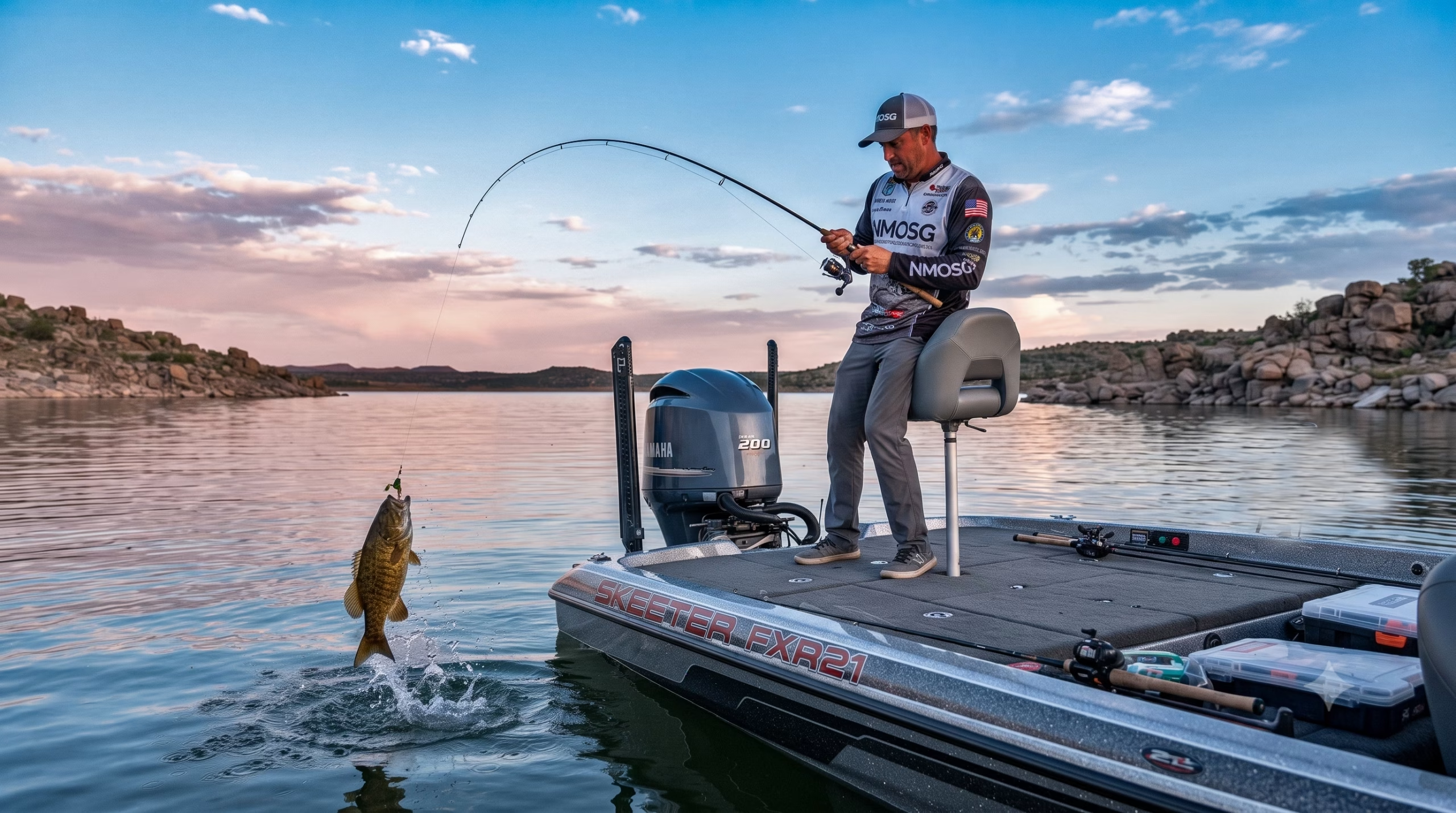
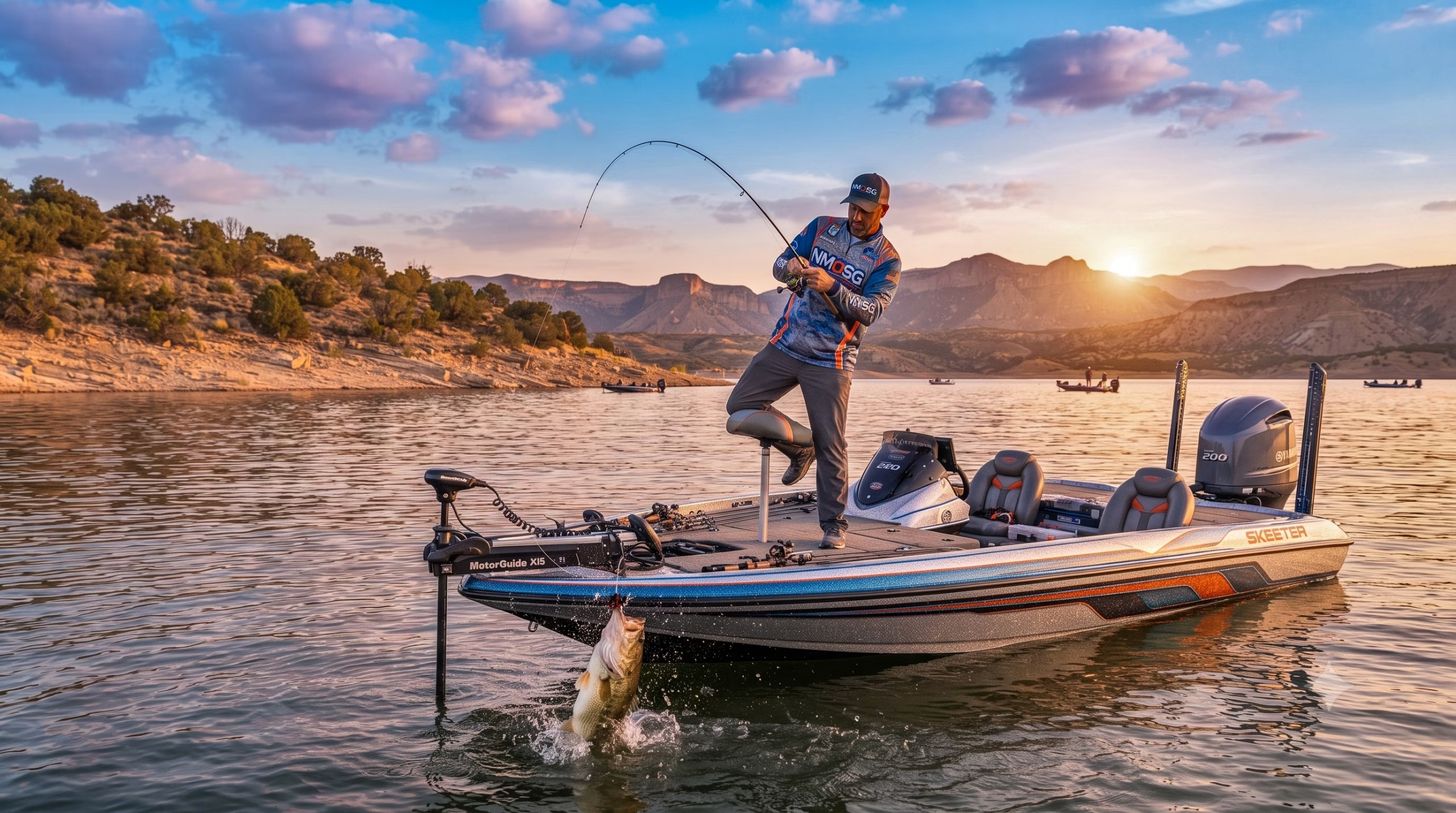
There is a distinct, electrifying jolt that travels straight up a spinning rod when a bronzeback nails your bait against a sheer sandstone wall. If you spend enough time talking with locals around the high-desert country of northern New Mexico, you quickly realize that while the Land of Enchantment offers countless outdoor adventures, chasing fish on our sprawling reservoirs holds a special kind of magic. Welcome to your definitive guide on **How to Catch Smallmouth Bass on Navajo Lake New Mexico**.
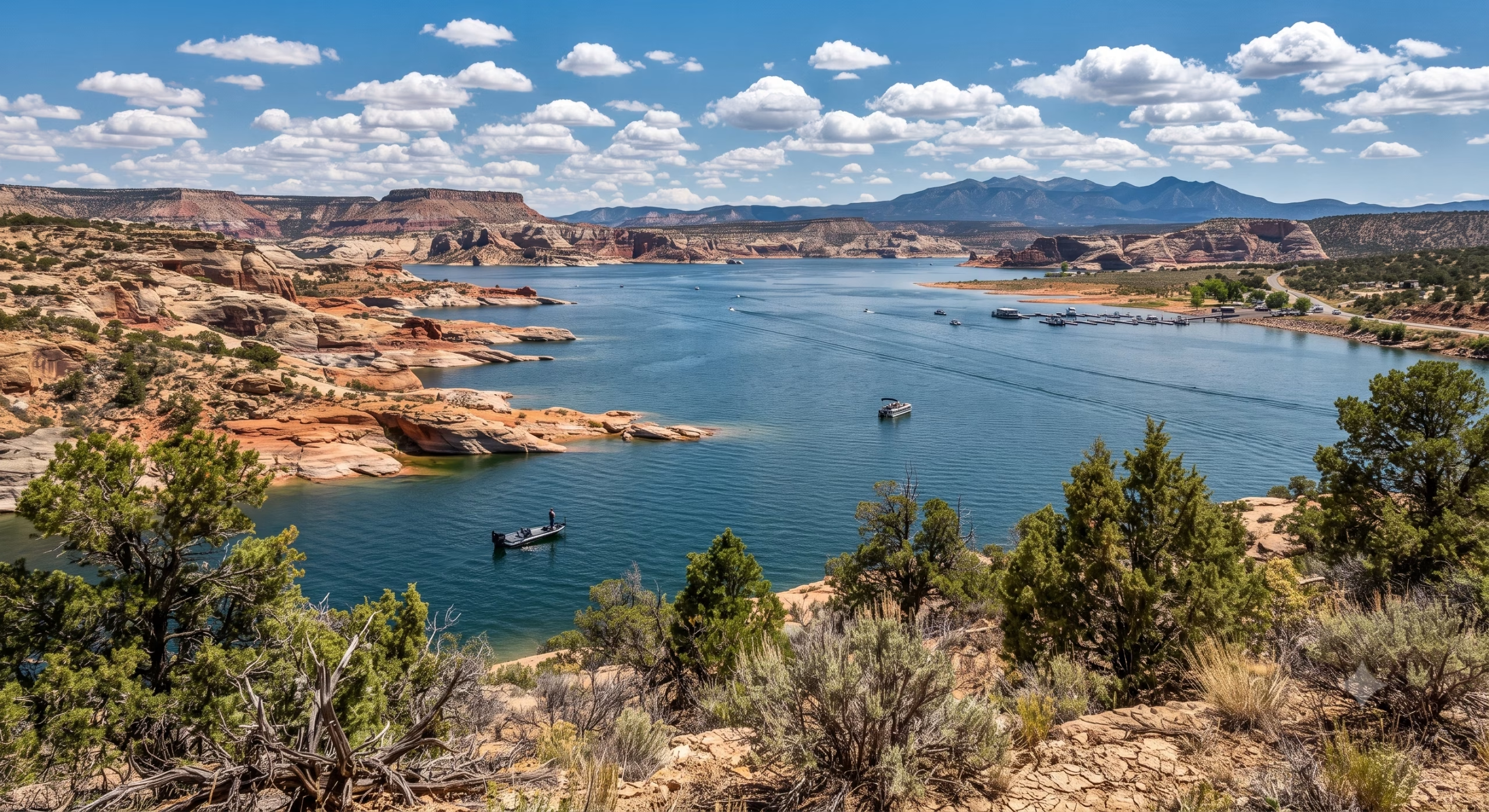
Cradled in the rugged canyons of the San Juan River basin, Navajo Lake is New Mexico's second-largest body of water, boasting roughly 15,600 surface acres and over 150 miles of convoluted, sun-drenched shoreline. For anglers who measure success by the bend of a rod and the stark beauty of piñon-and-juniper-studded bluffs, mastering the smallmouth bass fishery here is a rite of passage. Whether you are trailering your boat down to the water at first light or exploring the rocky points for the first time, this guide covers everything you need to hook into the ultimate freshwater fighter.
The Waters and Major Rivers: Where the High Country Feeds the Reservoir
Navajo Lake was born in 1962 with the completion of the Navajo Dam on the San Juan River. The reservoir acts as a massive oceanic playground, plunging over 300 feet deep near the dam while stretching north across state lines into Colorado. Understanding the layout of the lake and its feeder systems is your first step toward consistent success.
- The San Juan River: The primary lifeblood feeding and draining the system, creating both the vast reservoir above and the world-famous "Quality Waters" tailwater fishery below the dam.
- The Los Pinos River: Extending north toward the Colorado border, this major tributary creates winding, nutrient-rich arms that attract diverse fish populations.
- The Piedra River: Another critical northern tributary that dumps cool, alpine-fed water into the upper reaches of the reservoir, creating phenomenal transition zones for active game fish.
Mastering Smallmouth Bass Fishing on Navajo Lake
Smallmouth bass are the undisputed kings of the rocky structure at Navajo Lake. Unlike largemouths that prefer heavy vegetation and shallow coves, bronzebacks thrive where the water drops off into deep, clear blue depths against hard substrate.
Where to Find Them
Target steep sandstone ledges, rocky points, submerged boulder fields, and wind-blown gravel points. Areas around Pine Site and Sims Mesa feature exceptional underwater architecture where smallmouths patrol for unsuspecting forage.
The Ultimate Spinning Setup
Precision and feel are everything when targeting finicky high-desert smallmouths. Equip yourself with the right tools to maximize your presentation:
- Spinning Rods: Medium-action spinning rods ranging from 6.5 to 7 feet with a fast tip to detect subtle taps.
- Spinning Reels: Smooth 2500- to 3000-series spinning reels equipped with a reliable drag system.
- Line: Spooled with 8- to 10-pound high-quality fluorocarbon line for ultimate invisibility in clear water.
Productive Spinning Baits and Lures
To consistently trigger strikes, keep a versatile selection of presentation options in your tackle box:
- Drop-Shot Rigs: Finesse plastic worms in green pumpkin or watermelon red rigged above a light sinker, perfect for vertical fishing along steep drop-offs.
- Tube Jigs: Hopped slowly along rocky bottoms to mimic distressed crawfish.
- Crankbaits: Medium-diving crankbaits that match local shad profiles.
- Topwater Poppers: Ripped around submerged timber or rocky shelves during low-light conditions for explosive surface strikes.
Productive Water Temperatures and Best Times to Fish
Timing your trip right can mean the difference between a slow day and catching personal bests. Pay close attention to water metrics and daily schedules:
- Productive Water Temperatures: Smallmouth bass become aggressively active when water temperatures hit the **55°F to 68°F** window, which typically occurs during the late spring through early summer and the golden weeks of autumn.
- Best Time of Day: High-desert sun can become intense during peak summer afternoons. Focus your efforts during early morning (from first light until 10:00 AM) and late evening (two hours before sunset until dark) when low-light conditions draw fish up onto shallower shelves.
- Best Time of Year: Spring brings aggressive pre-spawn and spawn behavior as fish move shallow, while autumn (September through November) offers cool water temperatures and incredible feeding frenzies as fish bulk up for winter.
Lake Records and Trophy Potential
Navajo Lake has a well-earned reputation for holding high-caliber fish. While state records shift over time, smallmouth bass pushing past the **4- to 5-pound mark** are caught regularly by anglers working structure with finesse presentations. With deep water access and abundant baitfish, the lake consistently produces thick, hard-fighting bronzebacks that will thoroughly test your spinning gear.
Public Access Areas and Marinas
Because Navajo Lake spans a massive geographic footprint, knowing where to launch or access the water is crucial for a successful outing:
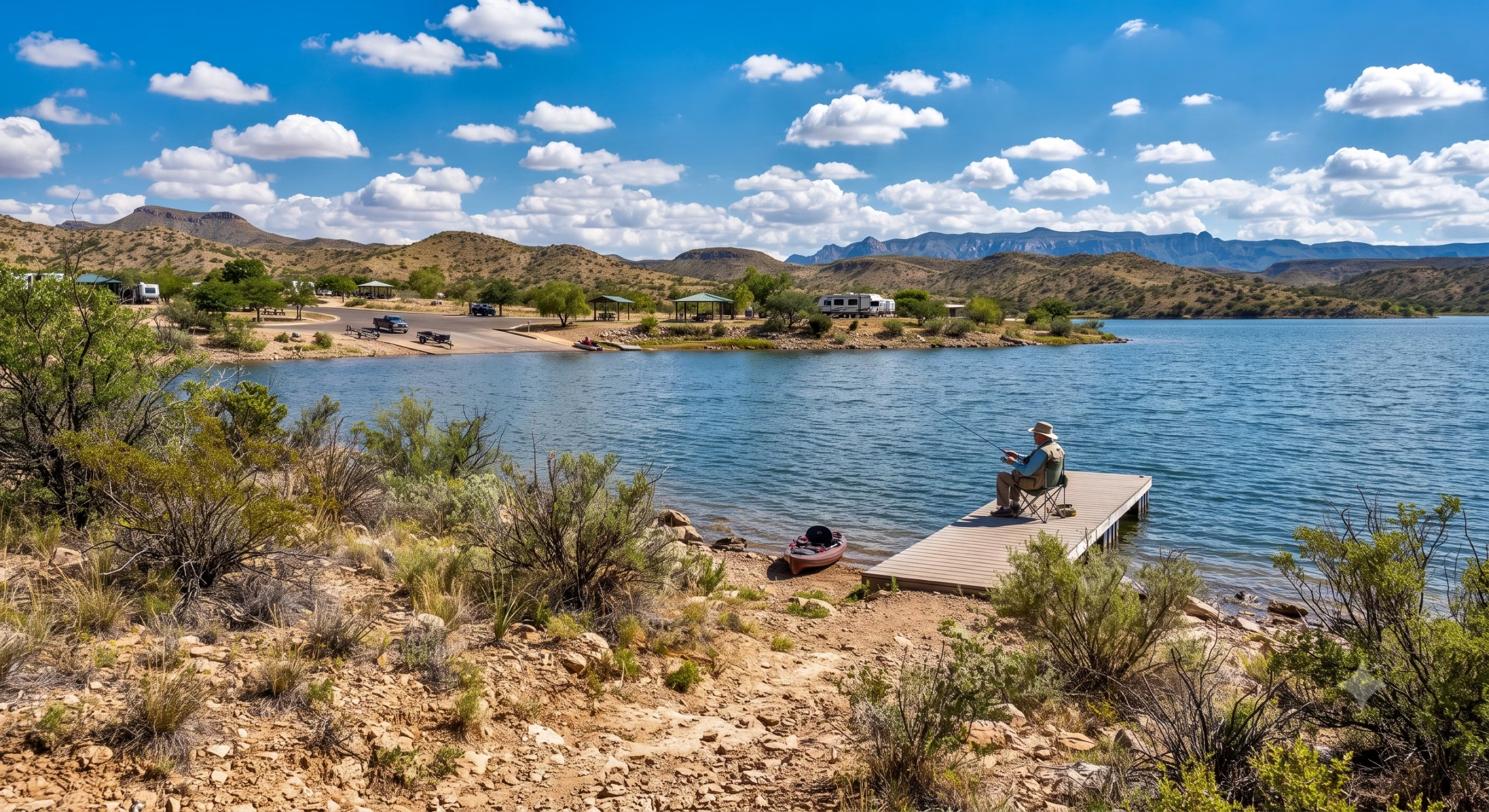
- Pine Site (South Shore / New Mexico Side): The bustling heart of the park featuring a full-service marina, boat ramps, a marina store, the Brue Cafe, and multiple developed camping loops.
- Sims Mesa Site (North Shore / New Mexico Side): Located opposite the main marina, offering a quieter, highly scenic boat ramp, picnic areas, and panoramic campgrounds.
- Colorado Sections (Carracas, Tiffany, and Rosa): Remote northern access points managed via Navajo State Park, offering primitive boat ramps and quiet coves.
Weather and Seasonal Patterns
Northern New Mexico weather is notoriously dynamic. Being prepared ensures your trip remains comfortable and safe:
- Spring (April – May): Crisp days, blooming wildflowers, and red-hot bass fishing, though sudden spring wind gusts can sweep across open water.
- Summer (June – August): Hot days with highs reaching 85°F to 95°F, often punctuated by afternoon monsoon clouds and thunderstorms. Pack plenty of hydration and sun protection.
- Fall (September – November): Widely considered the best season, with comfortable 60s and 70s daytime temperatures, prime feeding water, and stunning golden cottonwoods.
- Winter (December – March): Cold, crisp, and exceptionally peaceful with minimal angling pressure for hardy visitors.
Camping Under the Desert Stars
To fully immerse yourself in the high-desert rhythm, stay overnight at one of the park's developed campgrounds:
- Pine & Juniper Loops: Located near the main marina with paved spurs, picnic tables, fire grates, and convenient restroom/water access.
- Sims Mesa Campground: Ideal for campers looking for a quieter, spaced-out vantage point overlooking the water.
- Note on Fire Safety: Always check current fire restrictions before lighting campfires due to dry high-desert conditions.
Getting There: Routes and Driving Distances
Navajo Lake State Park is conveniently positioned within easy driving distance of New Mexico’s major cultural and travel hubs:
- From Albuquerque: Approximately 200 miles northwest (roughly a 3-hour drive). Head north on US-550 through Bernalillo and Cuba toward Bloomfield, take US-64 East to Navajo Dam, and turn north onto NM-511.
- From Santa Fe: Approximately 150 miles northwest (roughly 2 hours and 45 minutes). Take US-84/285 North through Española, follow US-84 North toward Abiquiu, then take US-64 West past Dulce straight to Navajo Dam and NM-511 North.
- From Taos / Chama: From Chama, head west on US-64 through Dulce straight past Jicarilla Apache Nation lands to Navajo Dam (about 65 miles, roughly 1 hour and 15 minutes). From Taos, add the scenic mountain climb over Tres Piedras and Tierra Amarilla, totaling about 2.5 hours.
Local Lodging and Official Contacts
If you prefer a soft mattress over a tent, comfortable lodging options sit just minutes away from the water.
Navajo Lake State Park & Marina Official Contacts
- Address: 36 Road 4110 #1, Navajo Dam, NM 87419 (Marina address: #42 CR 4110)
- Park Office Phone: (505) 632-2278 or toll-free at (877) 664-7787
- Marina Store / Boat Rentals: (505) 632-3245 or (800) 582-5687
- Email: marina@navajomarina.com
- Website: navajomarina.com
Nearby Lodging Options
- San Juan River Valley River Lodges & B&Bs: Boutique fishing lodges dotting the riverbanks immediately below the dam offer fully equipped kitchens, guide services, and on-site fly shops.
- Local Visitor Bureau: Contact the Farmington Convention and Visitors Bureau at farmingtonnm.org for detailed current listings, addresses, and direct booking support.
Navajo Lake offers a rare sanctuary where the scale of the American West meets the deep, clear waters of an angler's paradise. Armed with the right spinning gear, a handful of tube jigs and drop-shot rigs, and an understanding of how bronzebacks relate to the rocky structure, you are more than ready to conquer these waters. Map your route, pack your gear, and get out on the water—an unforgettable New Mexico smallmouth adventure is waiting for you!
```
0 Comments