
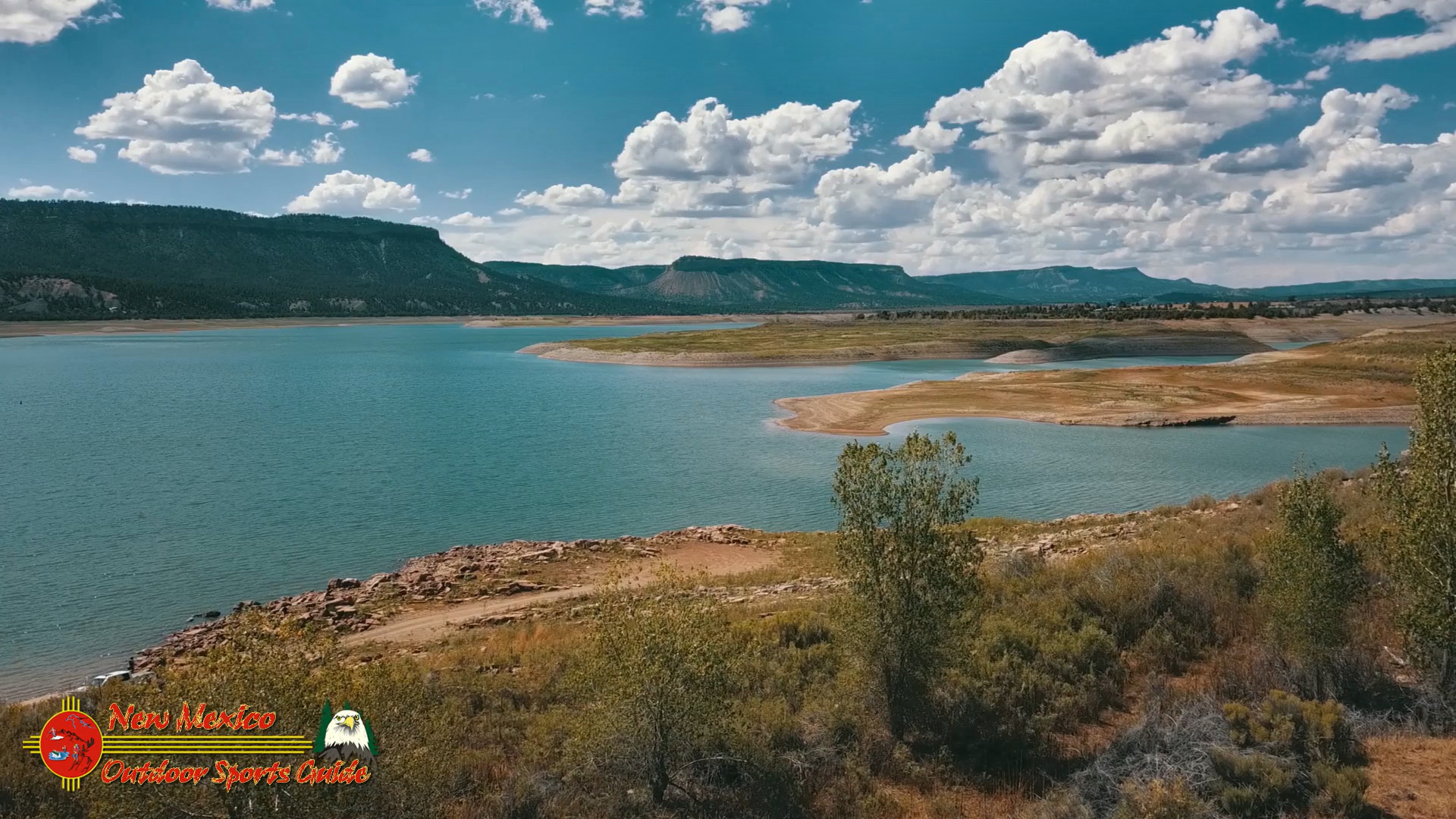
There are places in the American West that don’t raise their voice to be heard. They don’t flash neon signs or crowd their shorelines with marinas and music. They simply wait, patient as an old ranch horse at the gate, for folks who still appreciate a slower rhythm. El Vado Lake Trout Fishing is one of those places.
I’ve spent enough years chasing fish across Texas reservoirs and New Mexico streams to know the difference between a lake that’s busy and a lake that’s alive. El Vado is alive. You feel it in the morning stillness, in the way the wind whispers down off the timbered ridges, and in the steady pull of a trout that’s been feeding in cold, clean water since before daylight.
A Lake with History in Its Bones
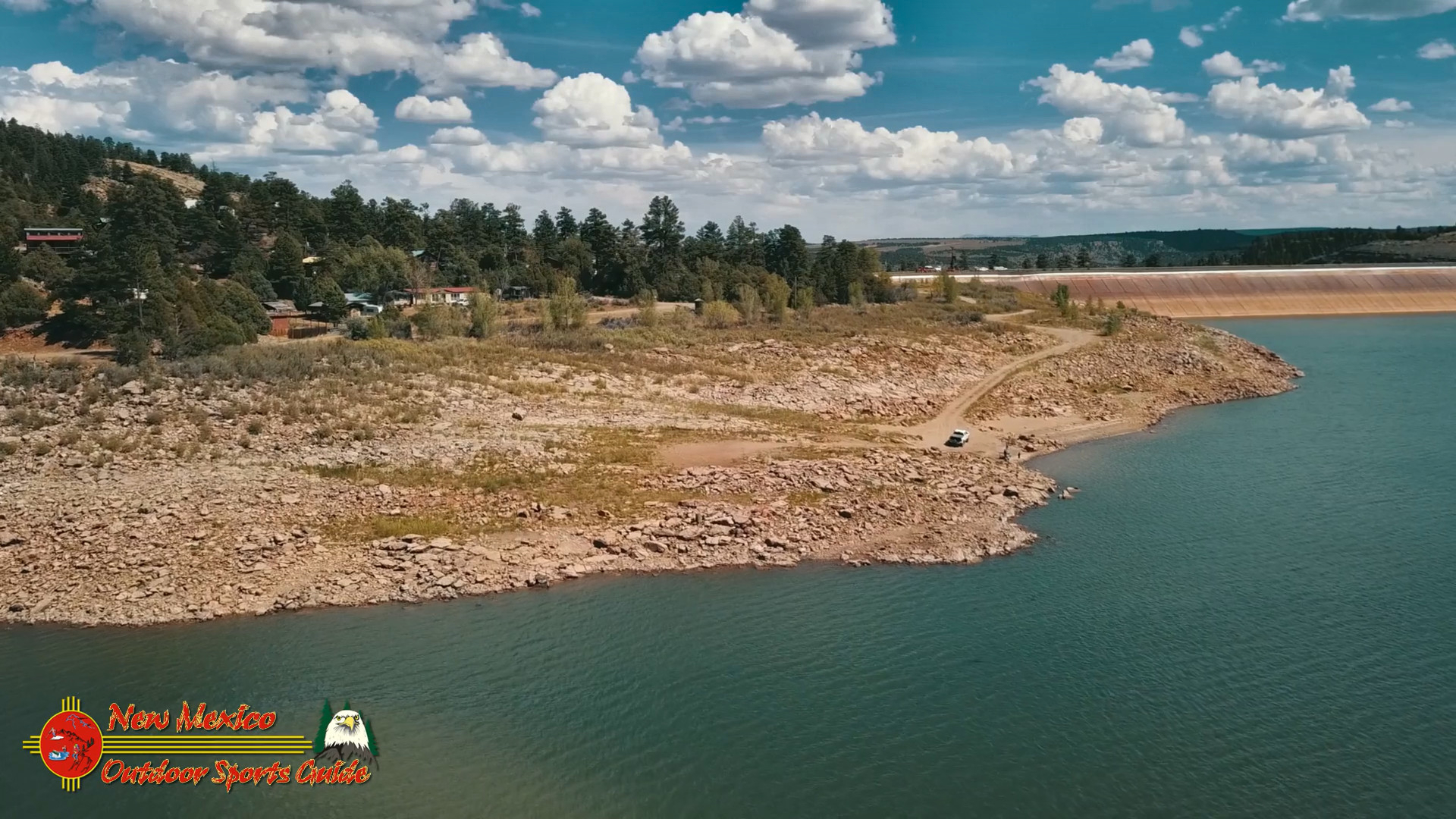
El Vado Lake sits tucked into the folds of northern New Mexico in Rio Arriba County, held back by the sturdy earth-filled dam built in 1935. It’s not a flashy lake by modern standards, but it’s got character the way an old saddle does, worn in just right.
At roughly 3,200 acres when full, stretching about five miles long and over a mile wide, the lake rests at nearly 6,900 feet elevation. That altitude alone gives it a different personality. The air’s thinner, the mornings cooler, and the trout… well, they tend to behave like trout ought to behave.
Up here, the seasons don’t rush. Spring lingers. Fall arrives with a painter’s patience. And winter… winter belongs to those willing to earn their fish.
The First Light on El Vado
There’s a moment just before sunrise on El Vado when the world feels like it’s holding its breath. The lake surface turns to glass, reflecting the silhouettes of ponderosa and piñon. Somewhere out there, a trout breaks the surface with a quiet sip.
That’s when I like to be ready.
Rod in hand. Line laid out. Coffee still warm in a thermos that’s seen more miles than most pickup trucks.
Fishing here isn’t about rushing. It’s about noticing.
The Waters That Feed the Story: The Chama River
The Chama River is the lifeblood of El Vado Lake, flowing in with quiet determination and slipping out below the dam to carve its way through canyon country on its journey to the Rio Grande.
Below the dam, the river takes on a different personality. Controlled flows, often around 600 cubic feet per second, create conditions that fly anglers dream about. Not too pushy. Not too thin. Just enough movement to keep trout feeding and holding in predictable seams.
The stretch below El Vado Dam has been producing steady action with stocked rainbows and wild browns. When flows run lower than average, as they often do in dry years, the river becomes even more approachable. You can read it like an old book, every riffle and run telling you where the fish are likely to be.
Trout Species of El Vado Lake
El Vado may be quiet, but it’s no pushover when it comes to fish.
-
Rainbow Trout – The backbone of the fishery. Stocked regularly, eager to bite, and perfect for anglers of all ages.
-
Brown Trout – The lake’s old souls. Smarter, more selective, and capable of growing into true trophies.
- Kokanee Salmon – A seasonal prize. These landlocked sockeye bring a touch of northern mystery to the lake, especially from November through January.
Those kokanee runs, when they happen, feel like a secret whispered among locals. Not flashy, not crowded… just a handful of anglers working quietly in the cold.
Where to Fish: Finding Your Own Water
One of the best parts about El Vado Lake Trout Fishing is space. Real space. The kind that lets you fish without hearing another conversation drifting across the water.
Key Access Areas
-
North End Boat Ramp (State Road 95)
Usable during higher water levels. When open, it gives access to deeper water and long tapering points where trout cruise. -
Shoreline Access Around the Lake
Plenty of pull-offs and informal access points. Some require a short walk, which keeps the crowds thin and the fishing better. - Quiet Coves
These are the crown jewels. Early morning and late evening, trout move shallow here. Light wind, a bit of insect activity, and you’re in business.
Gear That Feels Right in Your Hands
There’s something to be said for simple, reliable equipment. The kind that doesn’t get in the way.
Spinning Setup
-
Rod: 6–7 ft light or ultralight spinning rod
-
Reel: 1000–2500 size spinning reel
- Line: 4–6 lb monofilament or fluorocarbon
Best Baits & Lures:
-
PowerBait (classic for stocked rainbows)
-
Salmon eggs
-
Inline spinners (Panther Martin, Mepps)
- Small spoons (silver, gold, or trout patterns)
Fly Fishing Setup
-
Rod: 4–6 weight fly rod
-
Reel: Standard trout reel with smooth drag
- Line: Floating line (WF) with 9 ft leader
Productive Flies:
-
Nymphs: Pheasant Tail, Hare’s Ear, Zebra Midge
-
Dry flies: Elk Hair Caddis, Parachute Adams
- Streamers: Woolly Bugger (black, olive)
When the hatch is on, dry fly fishing can feel like stepping back in time. No noise. No hurry. Just the quiet rise of a trout and the soft landing of a fly.
Reading the Water: Temperature and Timing
Trout are creatures of comfort.
-
Ideal Water Temperature: 50°F to 65°F
-
Best Times of Day:
-
Early morning (sunrise to mid-morning)
- Late evening (last light)
-
Midday can slow things down, especially in summer, but deeper water or shaded coves can still produce.
Spring and fall are the sweet spots. Summer requires a little more patience and depth. Winter… that’s for the folks who don’t mind a little frost on their guides.
 Seasons at El Vado Lake
Spring
The lake wakes up slowly. Snowmelt feeds the system, and trout begin to move more actively. Shore fishing can be excellent.
Summer
Warm days, cool nights. Fish early and late. Midday calls for deeper presentations.
Fall
If you could bottle a season, this would be it. Crisp air, active fish, fewer people. Browns become more aggressive.
Winter
Quiet as a church on Monday. Kokanee season runs November through January. Cold fingers, but honest fishing.
Camping Under Northern New Mexico Skies
El Vado Lake State Park offers camping that feels like camping used to feel.
-
Developed campgrounds with basic amenities
-
Vault toilets and limited water access
-
No concessionaires
- No on-site lodging or food service
Bring what you need. That’s part of the charm.
At night, the sky opens up in a way you don’t see near towns. Stars scatter across the darkness like grain spilled from a feed sack.
Lodging Near El Vado Lake
If you prefer a roof and a warm bed, nearby towns offer options.
El Vado Ranch
-
Rustic cabins and RV sites
-
Website: Often listed via regional directories
- Phone: (575) 588-7241
Chama River Bend Lodge
-
Comfortable lodge along the river
-
Website: chamariverbend.com
- Phone: (575) 756-2636
Branding Iron Motel
-
Classic roadside stay
-
Website: brandingironmotel.com
- Phone: (575) 756-2306
Chama, just up the road, carries that old railroad town feel. A good place to grab a meal and swap a fish story or two.
Getting There: Roads That Still Feel Like Roads
From Albuquerque
-
2.5 hours (≈130 miles)
- US-550 NW to NM-112
From Santa Fe
-
About 2 hours (≈100 miles)
- US-84/285 north, then NM-112
From Taos
-
1.5 hours (≈90 miles)
- US-64 west to US-84
From Chama
- About 30 minutes south via NM-112
The final stretch into El Vado always feels like stepping away from the clock. Traffic thins out. The land opens up. And before long, it’s just you and the lake.
A Place Worth Slowing Down For
El Vado Lake doesn’t try to impress you. It doesn’t need to.
It’s a place where a man can sit on a quiet bank, cast a line, and feel connected to something older than himself. A place where the fish still behave like fish, and the land still feels like land.
El Vado Lake Trout Fishing isn’t about numbers. It’s about moments.
A rising trout at first light.
The soft bend of a rod.
The hush of wind in the trees.
After all these years, those are the things that stay with you.
And if you give El Vado a fair chance, they’ll stay with you too.
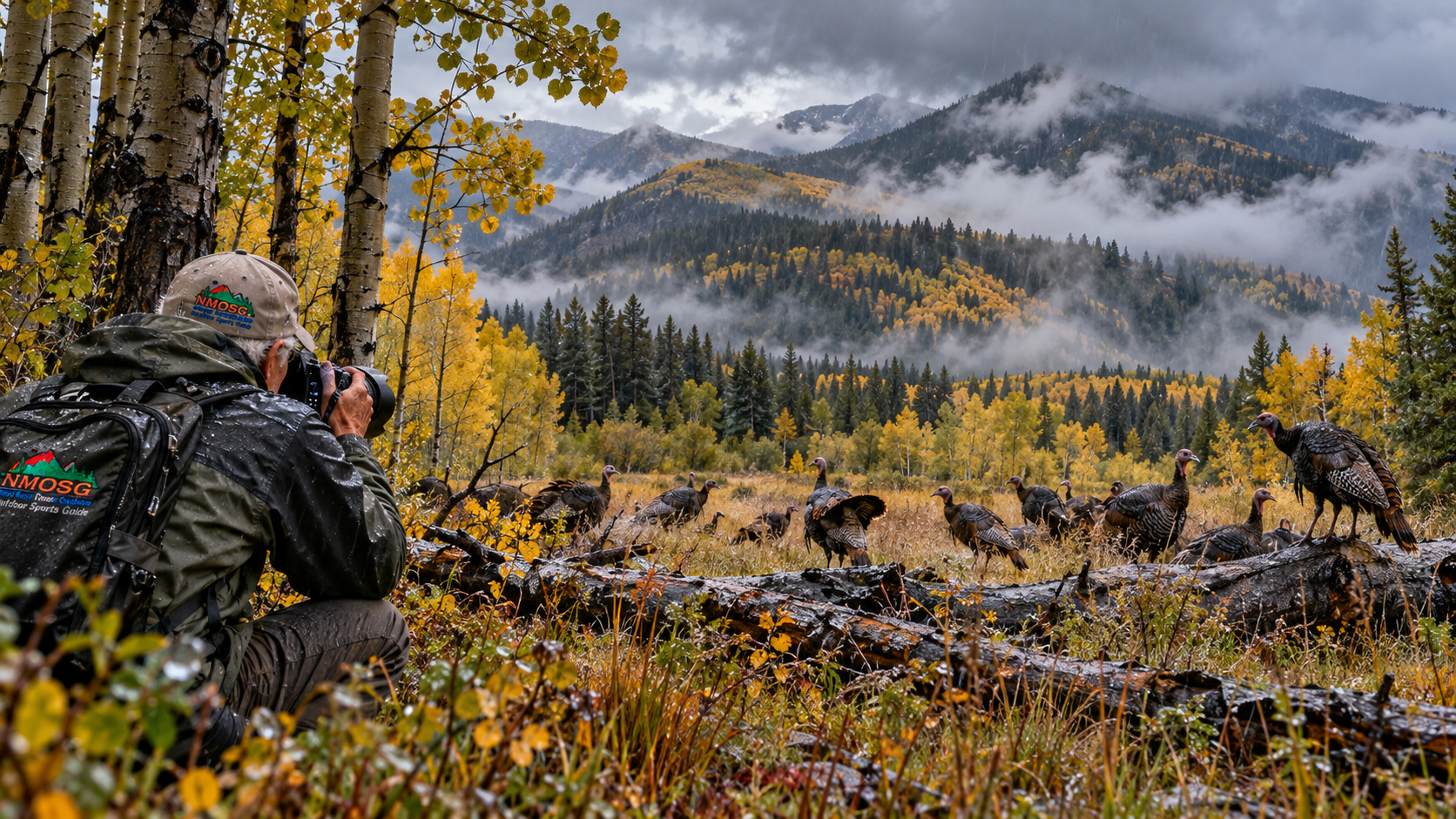
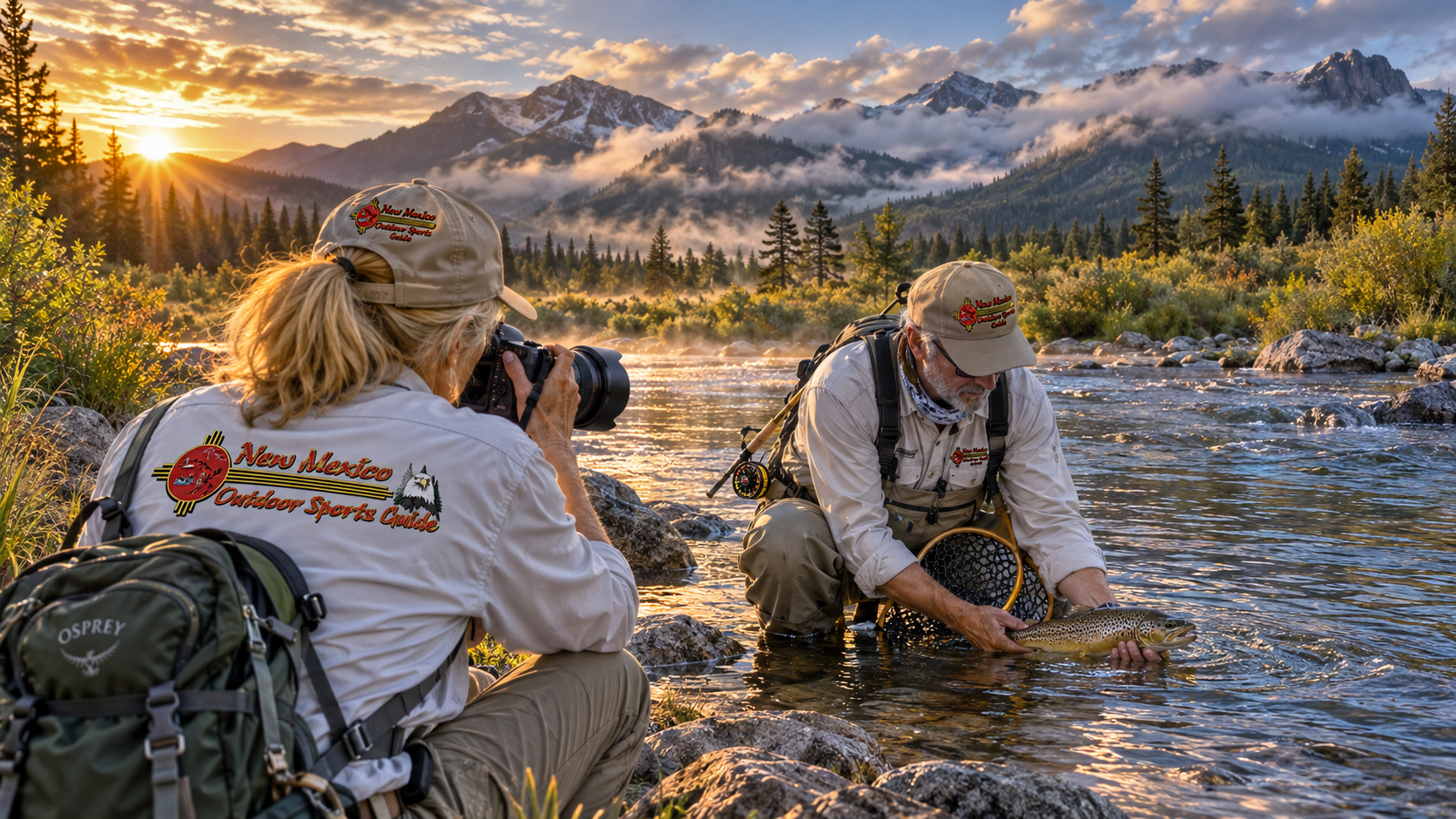
Pat is a writer, photographer, and videographer documenting the wilderness and wildlife of the American Southwest. His work focuses on the mountains, deserts, rivers, and trails of New Mexico, Arizona, Utah, and Colorado. He and his wife Paulette divide their time between Santa Fe, New Mexico and Lake Mohave, Arizona.
Are there any fishing guides on El Vado lake?