
Exploring the Headwaters of New Mexico's Legendary Chama River
There are places in the Southwest that seem to belong to another century. Places where roads narrow to two dusty tracks, where the nearest cell signal is many miles away, and where trout streams still flow through forests that have never heard the sound of a chainsaw. The Rio Chama Basin is one of those places.
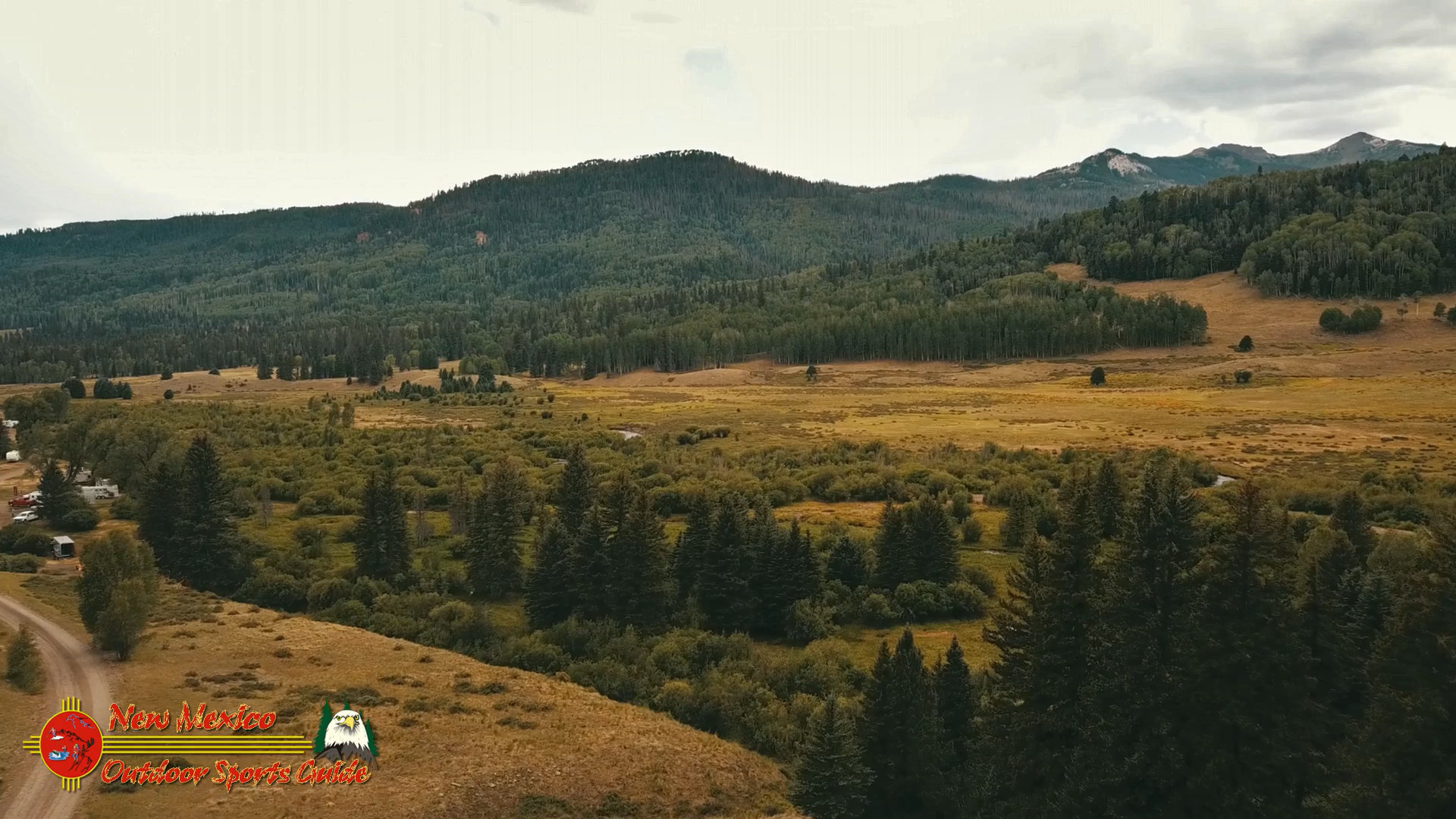
Several summers ago, while living at Casa Oso atop our mountain in Angel Fire, Paulette and I set out to explore one of the most remote and beautiful corners of the Southern Rockies. Our destination was the Chama Basin Trailhead, located just north of Chama near the Colorado border.
I had heard stories about the upper Rio Chama for years. Tales of wild trout, ancient spruce forests, alpine meadows, hidden waterfalls, and scenery rivaling anything found in Rocky Mountain National Park.
As it turned out, those stories were not exaggerations.
Not even close.
Following the Chama to Its Source
Most people know the Rio Chama as the beautiful river flowing through Northern New Mexico.
They know it from the dramatic red sandstone cliffs below El Vado Dam.
They know it from the Wild and Scenic River section above Abiquiu Lake.
They know it from the trout waters near Big Eddy, Ghost Ranch, and Tierra Amarilla.
Few realize that New Mexico's beloved Chama River begins far to the north in the rugged mountains of southern Colorado.
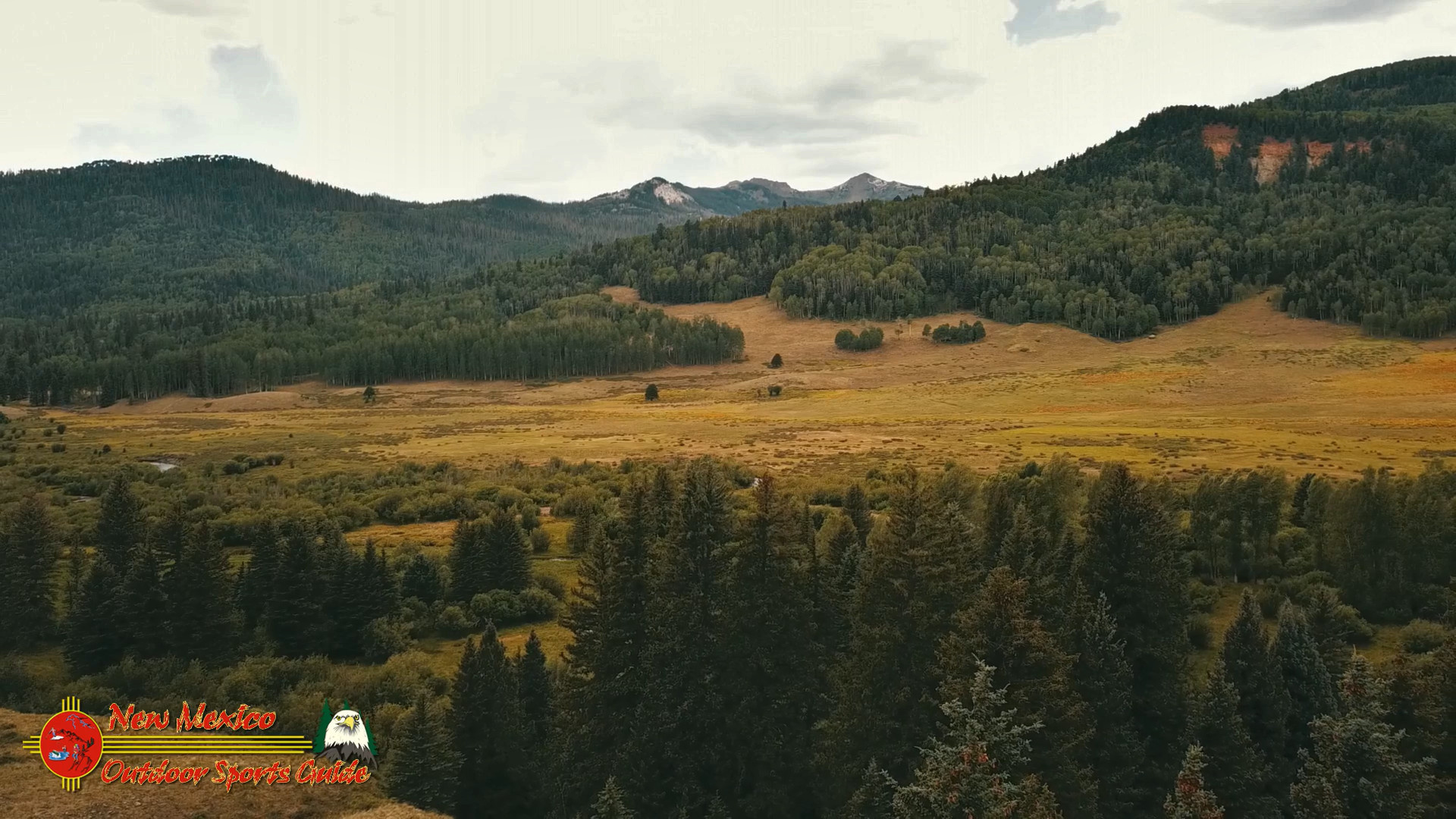
The headwaters lie among some of the wildest country in the Southern Rockies.
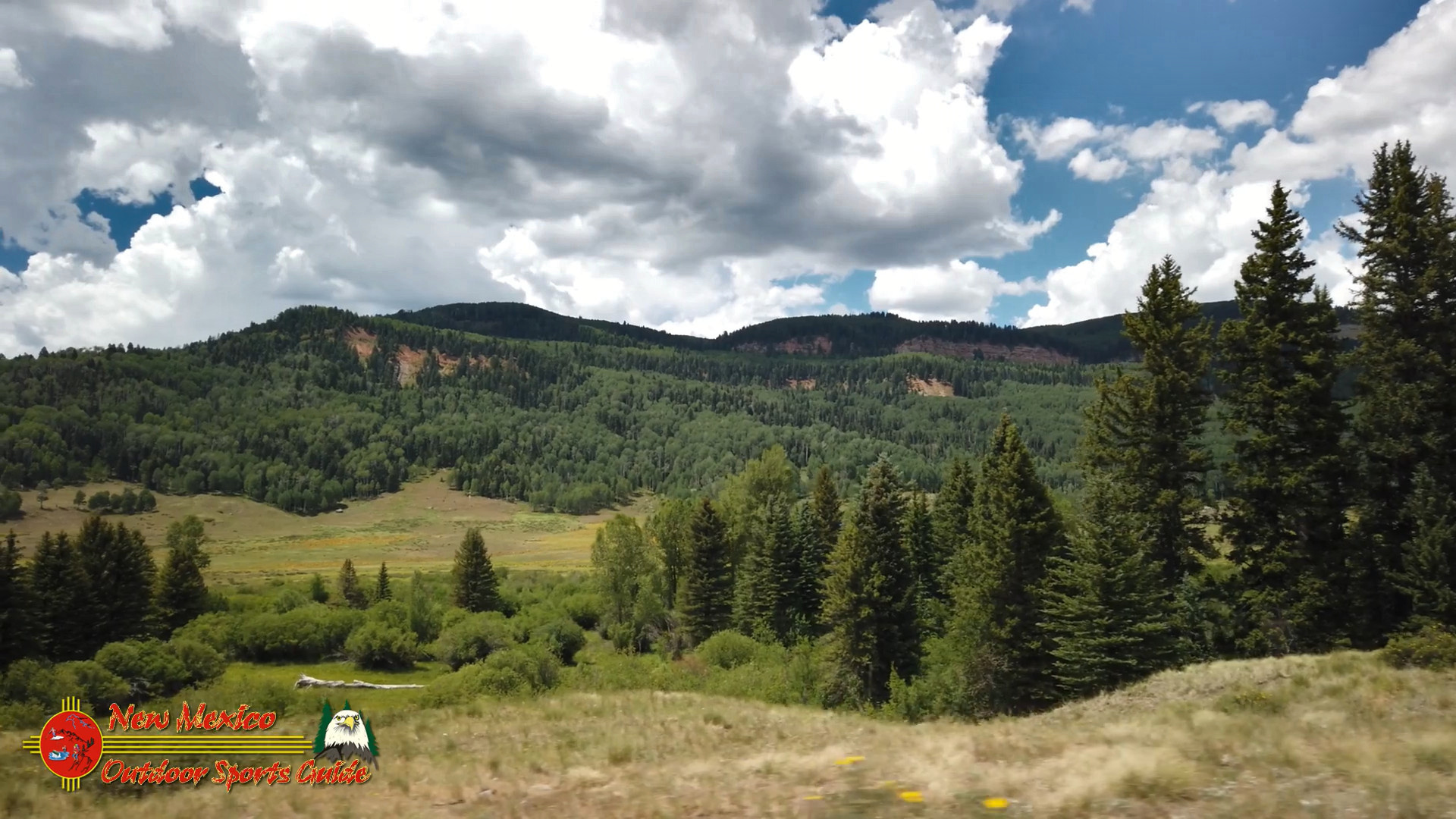
This basin contains deep glacial valleys, towering waterfalls, vast alpine meadows, and dense spruce-fir forests that have remained largely unchanged for centuries.
The upper Chama watershed possesses a grandeur equal to any mountain region in Colorado.
Some might call that a bold statement.
After seeing it myself, I would call it an understatement.
The Drive to Chama Basin
We left Angel Fire before sunrise.
The mountain air carried that crisp coolness that only exists at elevations above 8,000 feet.
Coffee cups occupied the center console while camera gear, fishing tackle, hiking boots, and enough food for a long day filled the back of the Subaru.
The route took us north through Eagle Nest, west toward Tierra Amarilla, then onward to Chama.
Every time I drive into Chama, I feel as though I'm stepping backward through time.
The narrow-gauge railroad tracks.
The weathered wooden buildings.
The smell of pine forests and wood smoke.
The surrounding mountains.
Everything about Chama feels authentic.
Unlike many mountain towns that have become crowded tourist destinations, Chama remains a working mountain community with deep roots in logging, ranching, railroading, hunting, fishing, and outdoor recreation.
After topping off the gas tank and grabbing a final cup of coffee, we headed north out of town toward the Colorado state line.
Forest Development Road 121 eventually branches off into increasingly remote country.
The road narrows.
Traffic disappears.
The forest grows thicker.
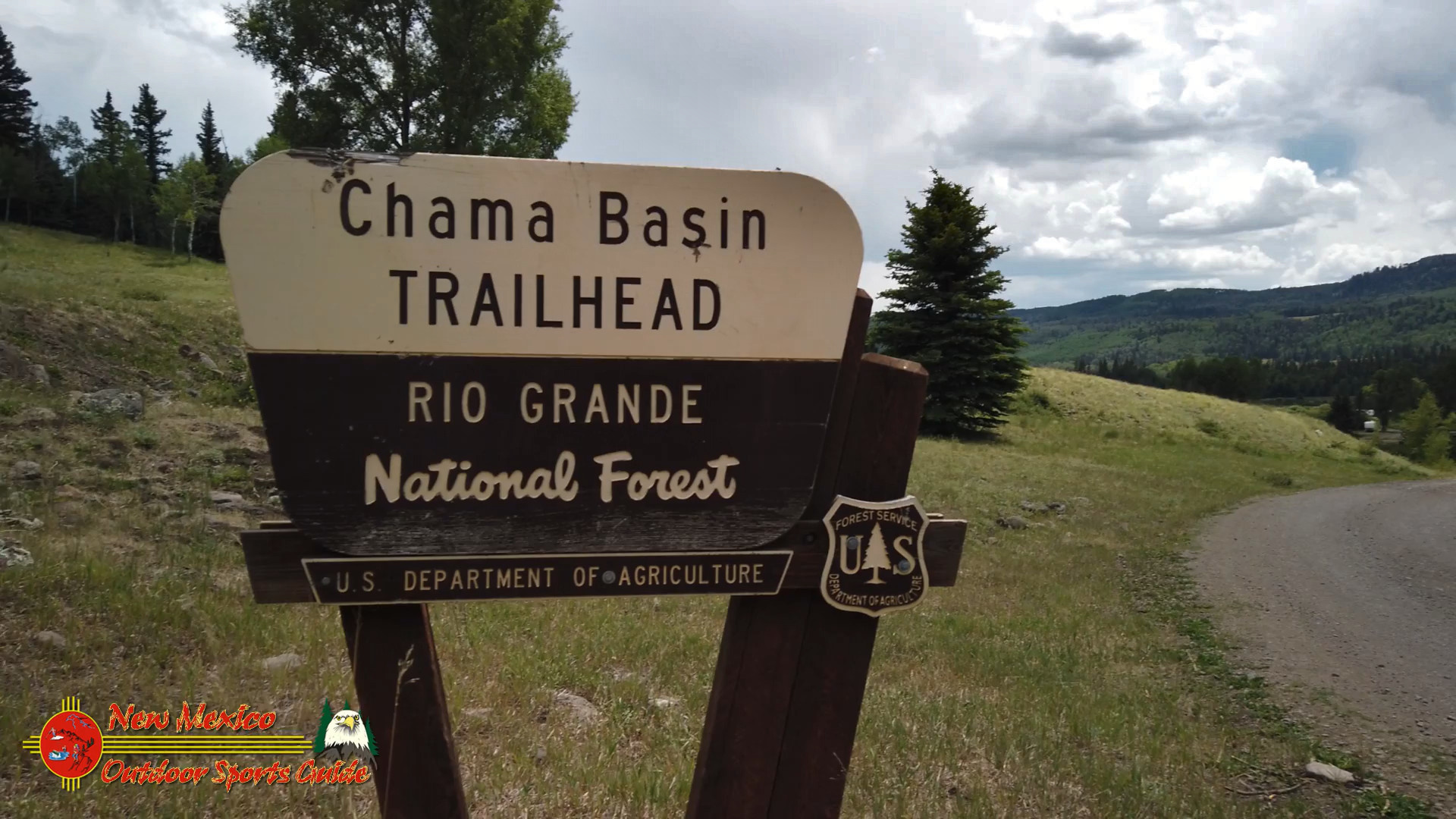
Eventually we arrived at the Chama Basin Trailhead.
Chama Basin Trailhead
The Chama Basin Trailhead serves as a gateway into one of the most beautiful backcountry areas in the Southern Rockies.
Located at the end of Forest Development Road 121, the trailhead sits where public National Forest land begins.
From here hikers, anglers, backpackers, photographers, and hunters gain access to the Chama River Trail and Archuleta Creek Trail.
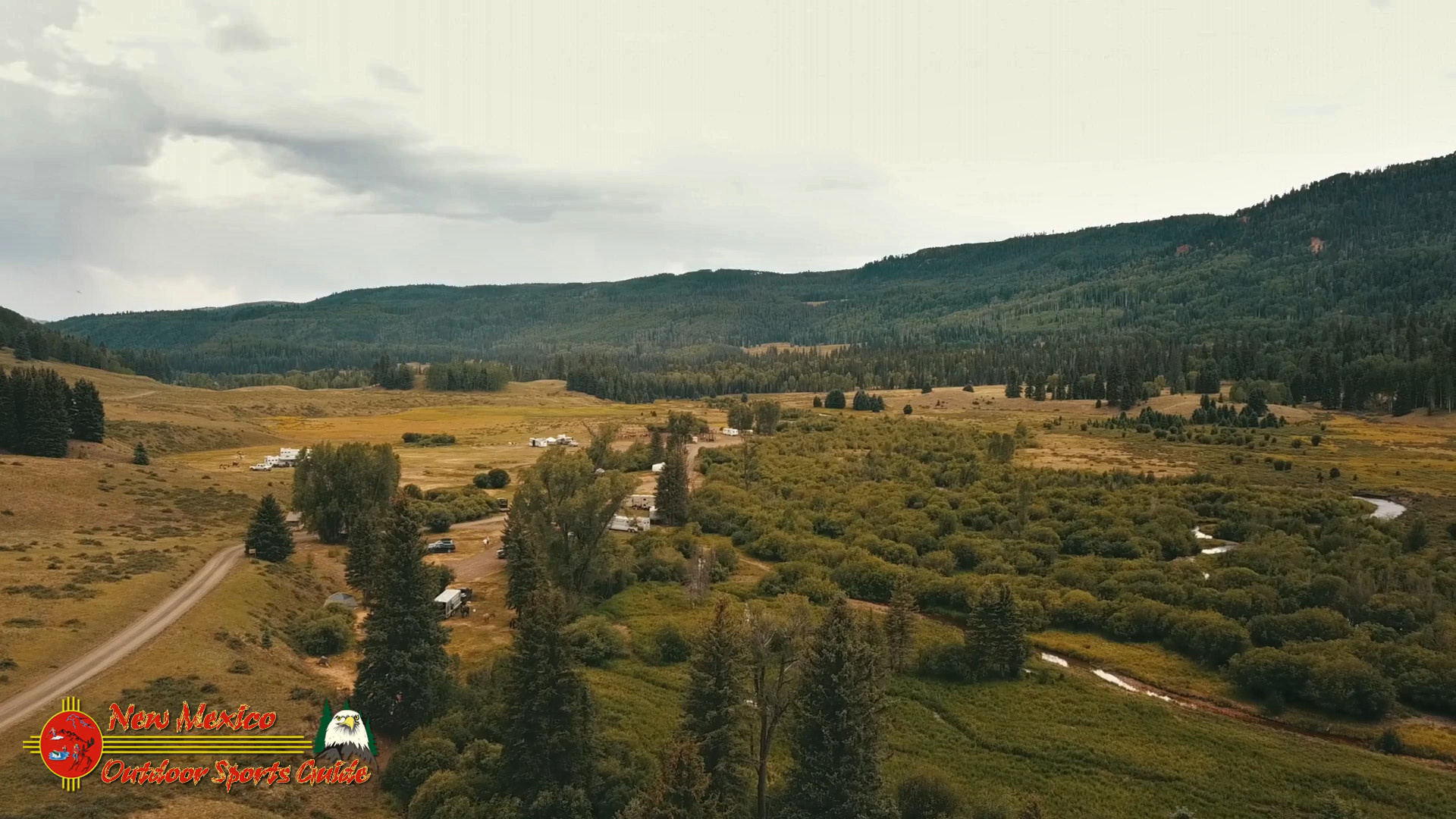
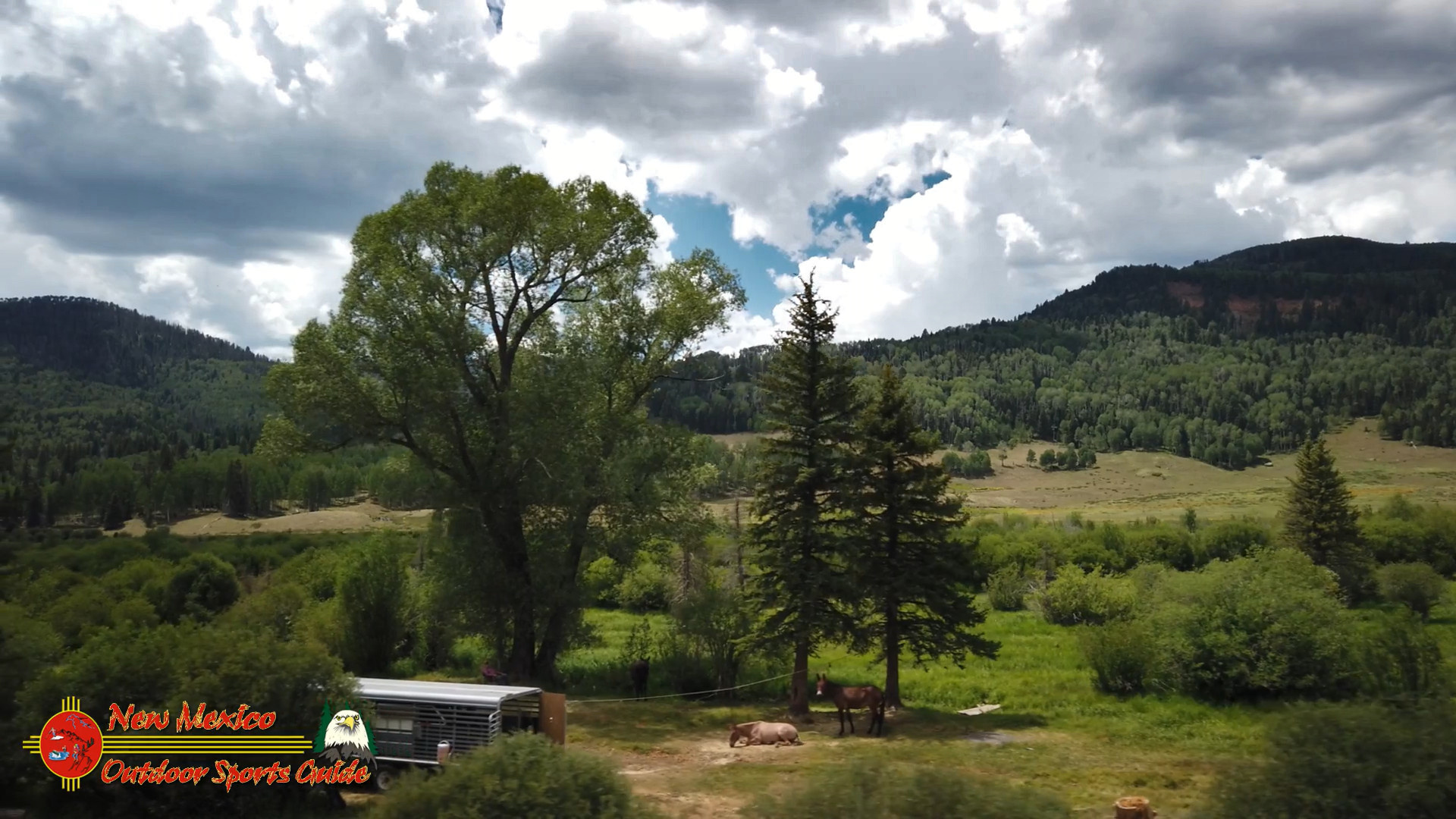
Dispersed camping is allowed throughout designated areas near the trailhead, making it an excellent base camp for multi-day adventures.
Unlike developed campgrounds, there are no hookups, paved roads, or reservation systems.
Just forest.
Mountains.
And silence.
Exactly the way many of us like it.
Even standing in the parking area, the surroundings felt remarkably wild.
Towering spruce and fir trees stretched skyward.
The scent of pine needles filled the cool morning air.
Mountain birds sang from the forest canopy.
Somewhere nearby I could hear the distant murmur of moving water.
The upper Chama was calling.
Hiking Into the Wilderness
The trail begins gently.
Massive Engelmann spruce and subalpine fir trees dominate the forest.
Some of these giants have likely stood here for centuries.
The forest floor is thick with moss, fallen timber, mushrooms, and wildflowers.
Walking beneath that canopy felt almost cathedral-like.
Sunlight filtered through the branches in golden shafts.
The temperature remained cool despite being midsummer.
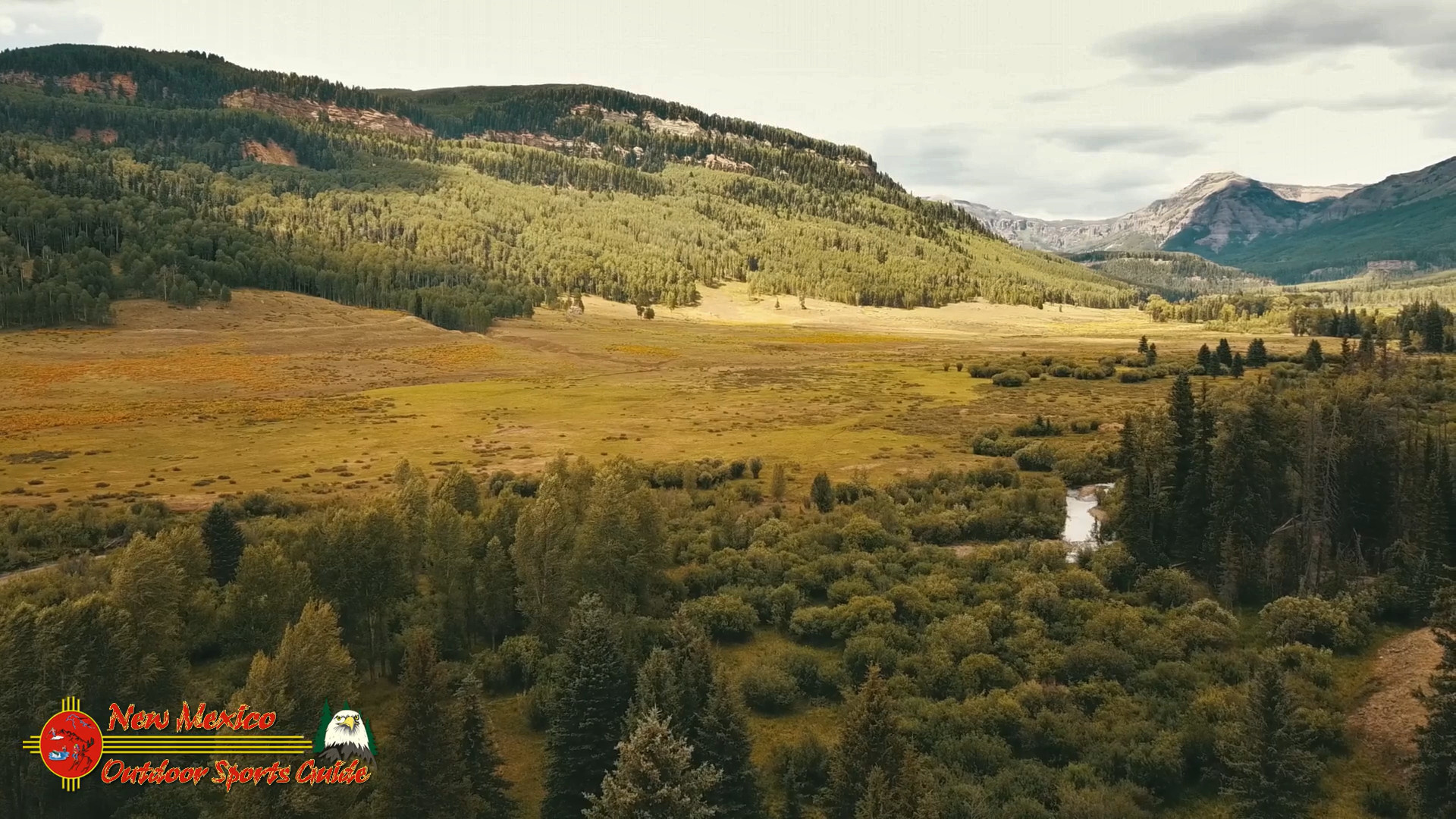
Occasionally the trail emerged into open meadows where views stretched toward distant ridges and alpine peaks.
Every meadow seemed postcard perfect.
Wildflowers painted the landscape with yellow, purple, red, and white blooms.
Elk tracks crossed muddy sections of trail.
Mule deer occasionally appeared among the trees.
Everything about the basin felt alive.
Discovering the Upper Rio Chama
The first glimpse of the upper Rio Chama surprised me.
Most anglers familiar with the river downstream imagine a substantial flow.
Here near its source, the river remains intimate.
Small.
Crystal clear.
Cold enough to numb your hands within seconds.
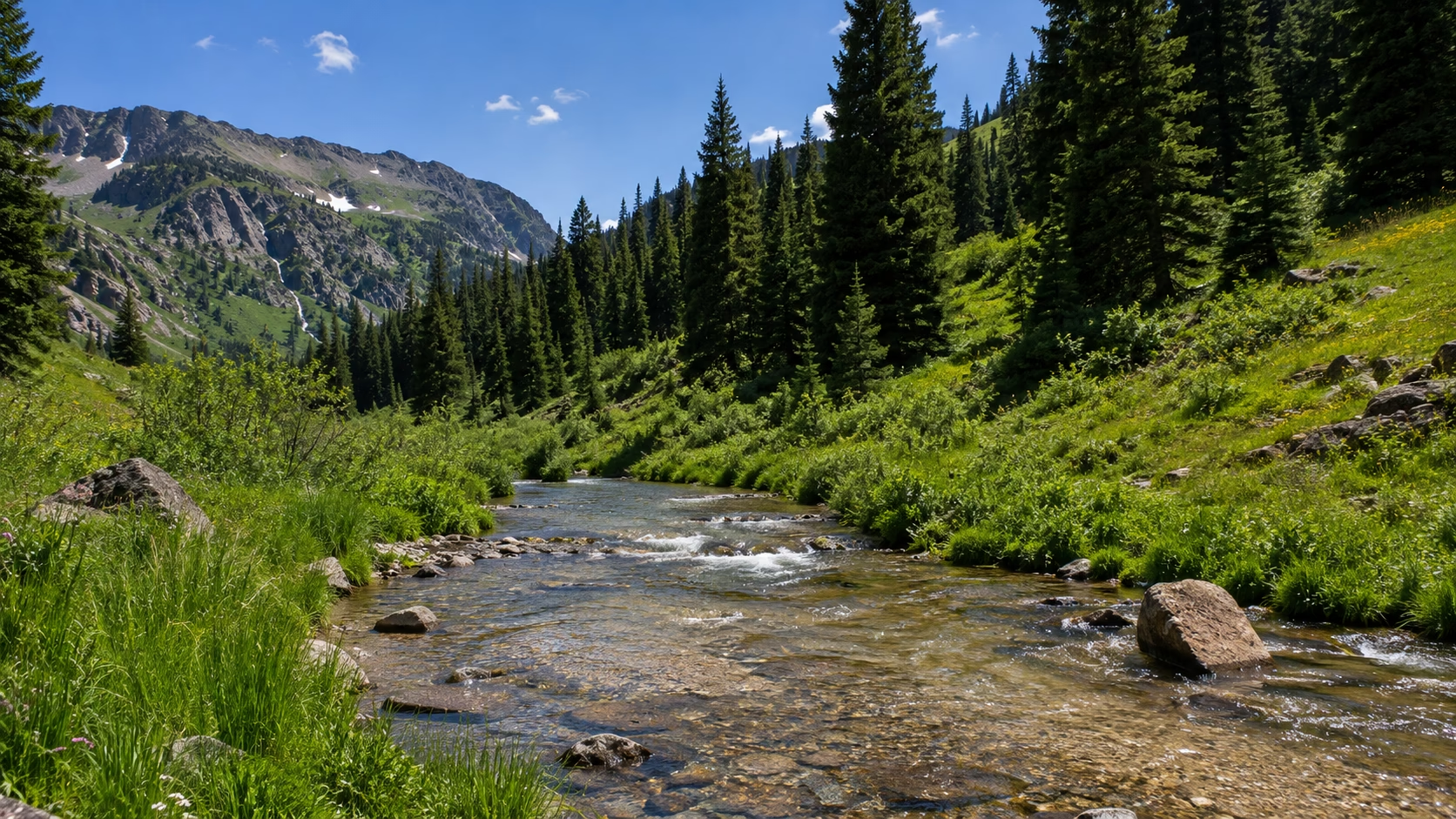
The water tumbles through grassy meadows and spruce forests over gravel riffles, undercut banks, fallen timber, and beaver ponds.
Perfect trout habitat.
The stream looked exactly like the kind of water that fly-fishing dreams are made of.
I immediately assembled a lightweight trout rod.
Paulette found a comfortable place near the bank while I slipped quietly toward the first promising pool.
Rio Chama Basin Trout Fishing
The upper Rio Chama supports healthy populations of wild trout.
Brook trout dominate many of the higher elevation sections.
Rainbow trout and brown trout can also be found depending upon location and water conditions.
The water here remains cold throughout summer thanks to snowmelt, springs, and high elevations.
Trout thrive in these conditions.
The first cast landed beneath an overhanging bank.
The strike came instantly.
A small brook trout flashed from beneath the shadows and attacked the lure with enthusiasm completely out of proportion to its size.
That first fish set the tone for the day.
Over the next several hours I caught trout from pools, riffles, undercut banks, beaver ponds, and meadow bends.
None were trophies.
All were beautiful.
Bright colors.
Perfect fins.
Wild fish living in a pristine environment.
For many anglers, that's worth far more than sheer size.
Best Tackle for Rio Chama Basin Trout Fishing
The upper Chama rewards anglers who fish light.
My preferred setup consists of:
Spinning Tackle
-
5½ to 6½-foot ultralight rod
-
1000-size spinning reel
-
4-pound monofilament or braid with fluorocarbon leader
Fly Fishing Tackle
-
3 to 5-weight fly rod
-
Floating line
-
9-foot leader tapered to 5X or 6X
The smaller streams and clear water make finesse presentations extremely important.
Heavy tackle simply isn't necessary.
Best Trout Lures
Over the years I've found several lure categories consistently productive in high-country trout streams.
Inline Spinners
Small spinners remain my favorite searching lure.
Best sizes:
-
Mepps #0 and #1
-
Panther Martin 1/16 ounce
-
Blue Fox Vibrax #0
Best colors:
-
Gold
-
Silver
-
Black with yellow dots
-
Brown trout patterns
Small Spoons
Tiny spoons work exceptionally well in deeper pools.
Favorites include:
-
Kastmaster 1/12 ounce
-
Thomas Buoyant
-
Little Cleo
Trout Magnets
Few artificial baits produce more consistently.
Natural colors, pink, chartreuse, and white all work well.
Fly Selections
Top flies include:
-
Elk Hair Caddis
-
Adams
-
Parachute Adams
-
Royal Wulff
-
Hare's Ear Nymph
-
Pheasant Tail Nymph
-
Copper John
-
Woolly Bugger
Most trout in these waters feed opportunistically.
Presentation generally matters more than pattern.
The Spectacular Chama Watershed
What truly separates this region from other trout destinations is the surrounding landscape.
The Chama watershed is extraordinary.
Many visitors never realize just how dramatic this country becomes near the Colorado-New Mexico border.
Massive canyons plunge thousands of feet.
Jagged ridges dominate the skyline.
Remote valleys remain accessible only by trail.
Numerous waterfalls tumble from high alpine basins.
Among the most impressive is Chama Falls.
At approximately 505 feet high, Chama Falls exceeds the height of Colorado's better-known Bridal Veil Falls near Telluride.
Yet relatively few people have even heard of it.
Additional waterfalls throughout the basin may exceed 700 feet in total drop.
Many remain largely undocumented due to the remoteness of the terrain.
In places, the Chama River canyon approaches three-quarters of a mile deep.
Standing on overlooks within the watershed, one quickly realizes why some outdoor enthusiasts compare portions of this country to Glacier National Park.
The scenery is simply breathtaking.
Wildlife Encounters
No day in the high country feels complete without wildlife.
The Chama Basin rarely disappoints.
Throughout our hike we observed:
-
Mule deer
-
Pine squirrels
-
Clark's nutcrackers
-
Steller's jays
-
Mountain chickadees
-
Numerous hawks
Evidence of elk appeared everywhere.
Tracks.
Droppings.
Well-worn game trails.
This region supports substantial elk populations and is highly regarded among hunters.
Black bears also inhabit the basin, although we did not encounter one that day.
Seasons for Rio Chama Basin Trout Fishing
Spring
Snowmelt dominates the watershed.
Flows run high and cold.
Fishing improves as runoff subsides.
Summer
My favorite season.
Pleasant temperatures.
Abundant insect activity.
Excellent hiking conditions.
Reliable trout fishing.
Fall
Arguably the most beautiful time of year.
Golden aspens.
Cool temperatures.
Aggressive pre-winter trout.
Reduced crowds.
Winter
Access becomes difficult due to snow.
Many roads become impassable.
Those who can reach the area experience true wilderness solitude.
Weather in the Chama Basin
Weather changes rapidly at these elevations.
Summer mornings often begin in the 40s.
Afternoons may reach the 70s.
Thunderstorms frequently develop during monsoon season.
Always carry:
-
Rain gear
-
Extra layers
-
Water
-
Emergency supplies
Mountain weather deserves respect.
Conditions can change quickly.
Why I Love the Upper Chama
As afternoon shadows lengthened across the meadows, I found myself sitting beside the river watching sunlight dance across the current.
The trout fishing had been excellent.
The scenery unforgettable.
The forest peaceful.
It struck me that places like this are becoming increasingly rare.
There are still areas where you can spend an entire day hearing little more than wind, water, and birdsong.
The upper Rio Chama remains one of those places.
It isn't flashy.
It doesn't have resorts.
There are no gift shops or crowds.
What it offers instead is authenticity.
Wild trout.
Wild country.
Wild beauty.
Heading Back to Chama
Eventually the sun began dropping toward the western ridges.
Reluctantly, we packed our gear and started back toward the trailhead.
The forest glowed with late-afternoon light.
The smell of spruce filled the air.
Somewhere in the distance a raven called.
Back at the Subaru, we kicked off our boots and shared the last of our snacks before beginning the drive south.
As always, Chama welcomed us back.
The little mountain town looked especially inviting after a long day in the wilderness.
We stopped for dinner before beginning the journey home.
The conversation revolved around trout, scenery, wildlife, and plans for future visits.
Because one thing had become very clear.
This would not be our last trip to the Chama Basin.
Final Thoughts on Rio Chama Basin Trout Fishing
For anglers seeking one of the finest high-country trout experiences in the Southwest, Rio Chama Basin Trout Fishing deserves a place at the very top of the list.
The combination of wild trout, alpine scenery, ancient forests, mountain meadows, waterfalls, hiking opportunities, and genuine wilderness creates an experience that is increasingly difficult to find.
Whether you're casting a fly beneath overhanging spruce branches, hiking toward the headwaters, photographing wildflowers, or simply sitting beside the river listening to the water flow toward New Mexico, the Chama Basin offers something special.
The Rio Chama begins its long journey here among some of the most spectacular mountains in the Southern Rockies.
And every time I visit, I'm reminded that some of the greatest adventures aren't found at the end of a highway.
They're found where the road ends, the trail begins, and a trout stream disappears into the wilderness.
For Paulette and me, the Chama Basin remains one of those unforgettable places where the Rocky Mountains reveal their finest character.
A place where the river is young.
The trout are wild.
And the memories last forever.
That read very well. And makes me want to leave now to walk and fly fish there! It has been along sad time since I have been in that type of country. I have spent a good amount of time around and above Durango. However, I am now looking forward to seeing what new Mexico has to offer. In places like the Gila and from there to the north. Which I expect to be a nice mix of landscape and trout waters. And no better way to get there than on my low mileage Harley model 48. Riding the many two laner paved roads. I can hardly wait! Since it has been a good few years into decades. Since Ive rode a Harley or flyfished. So, Ive a lot to look forwards to.