
A high-country journey into the wild alpine heart of Northern New Mexico
Mountains That Call Across a Lifetime
There are some mountains that become part of your life long before you ever set boot leather on their slopes.
They sit out there in the distance year after year, framed by picture windows, wrapped in weather, calling softly across valleys like an old ranch hand whistling at dusk.
Latir Peak was one of those mountains for Paulette and me.
For years, while living at Casa Oso atop the mountain at Angel Fire Resort, we looked northward across Moreno Valley toward the dark blue silhouette of the Latir Wilderness. From our bedroom window, the peaks floated on the horizon some thirty-five miles away as the Baron flies.
In winter they carried snowfields glowing pink in evening alpenglow.
During summer monsoons they disappeared entirely into towering thunderheads.
And on those crystal-clear Northern New Mexico mornings, they stood sharp against cobalt skies so pure they hardly looked real.
Every now and then, usually over coffee before sunrise, one of us would quietly say:
“One of these days we need to climb that mountain.”
One July morning, we finally did.
Preparing for the Climb to Latir Peak
Leaving Casa Oso Before Sunrise
The old Subaru Outback was already half packed when I stepped outside into the cool mountain dawn air.
At 9,500 feet, mornings at Casa Oso always carried a little bite, even in midsummer. Pine and damp spruce drifted through the breeze while hummingbirds buzzed around the feeders like tiny green helicopters defending territory.
Inside, Paulette packed lunch with the smooth efficiency that comes from decades of preparing for fishing trips, mountain drives, and backroad adventures across the Southwest.
A couple sandwiches.
Apples.
Trail mix.
Homemade cookies.
Bottled water.
Simple mountain food that somehow always tastes better above timberline.
Meanwhile I checked camera batteries, cleaned lenses, and loaded photography gear into my backpack.
By then we had spent many years wandering Northern New Mexico together, and we’d learned one valuable truth:
Some of the best days begin with no schedule except sunrise and a destination somewhere beyond pavement.
The Drive Through Moreno Valley
A Scenic Route Across Northern New Mexico
Soon we were rolling north through Moreno Valley beneath a flawless New Mexico sky.
The drive itself felt like part of the adventure.
Moreno Valley stretched wide and green beneath the Sangre de Cristo Mountains while Eagle Nest Lake shimmered silver in the morning light.
Mule deer grazed quietly in open meadows.
Red-tailed hawks circled fence lines searching for breakfast.
We passed through Eagle Nest while fishermen launched boats into calm water at first light.
Then northward toward Red River, where old mining-town history still lingers beneath layers of tourism and mountain charm.
Beyond Red River the road narrowed.
Traffic vanished.
The mountains began closing in around us.
Questa slipped by.
Then Amalia.
Tiny Northern New Mexico communities where adobe homes, weathered barns, stacked firewood piles, and old pickups seem perfectly fitted into the landscape as though they’ve always belonged there.
Following Costilla Creek Into the Wilderness
Entering the Rio Costilla Country
North of Amalia the scenery changed again.
Costilla Creek wound through lush green meadows lined with willows and cottonwoods beneath steep forested ridges climbing toward the high country.
We rolled the windows down and let the cool alpine air pour into the Subaru.
That country around the Rio Costilla has always felt different from much of Northern New Mexico.
Wilder.
Quieter.
Less traveled.
Eventually we reached the rough jeep trail leading toward Latir Lakes.
The Subaru bounced and rattled over rocks while climbing steadily higher.
Dust curled behind us.
Aspen groves flashed silver-green in the breeze.
Spruce and fir thickened as elevation increased.
Finally, we reached the small parking area near Latir Lakes.
Hiking Into the Latir Wilderness
What Makes the Latir Wilderness Special?
The hike began gently enough.
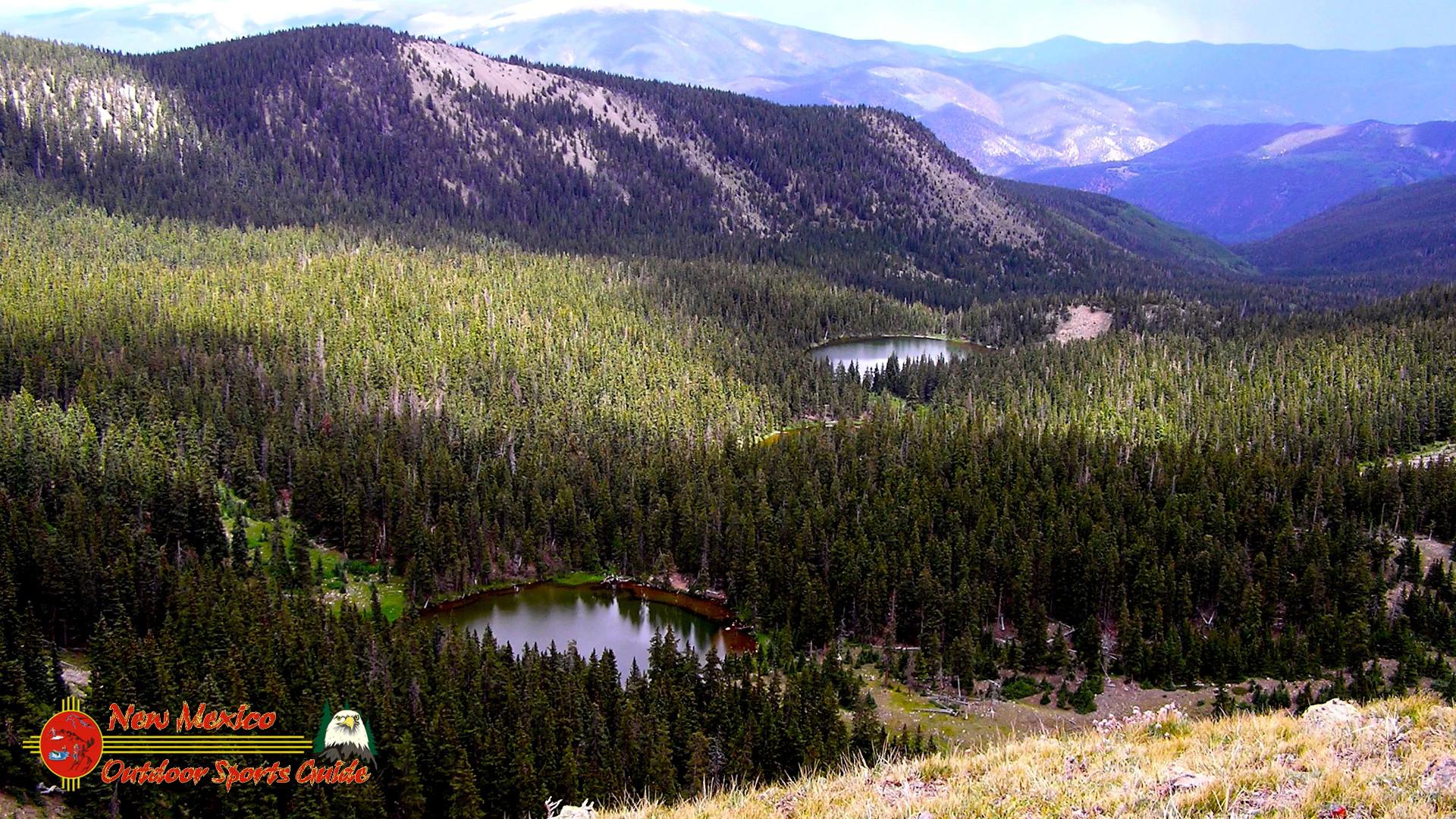
Latir Lakes sat tucked beneath the surrounding peaks like scattered alpine mirrors reflecting sky and tundra. The water was so clear you could see submerged timber and rocks far below the surface.
Small trout occasionally dimpled the water.
Marmots whistled from nearby rock piles.
We paused for several minutes simply taking it all in.
The Latir Peak Wilderness remains one of the hidden treasures of Northern New Mexico.
Covering more than 20,000 acres within Carson National Forest, the wilderness protects rugged alpine country filled with:
- Spruce-fir forest
- Alpine tundra
- High ridges
- Remote lakes
- Wildflower meadows
- Rocky summits
Four of New Mexico’s twenty highest peaks rise within the wilderness, including:
- Latir Peak
- Venado Peak
- Virsylvia Peak
- Latir Mesa
Despite all that beauty, the area still feels uncrowded compared to more heavily visited mountain destinations around Taos and Santa Fe.
That solitude is part of the magic.
Climbing Above Treeline
Hiking at Over 12,000 Feet
From the lakes the trail climbed steadily upward through transition country near timberline.
Trees gradually became shorter and more wind-shaped.
Wildflowers painted the slopes with color:
- Purple asters
- Indian paintbrush
- Yellow alpine sunflowers
- Tiny blue forget-me-nots
At over 12,000 feet every uphill step demanded honest work from lungs and legs.
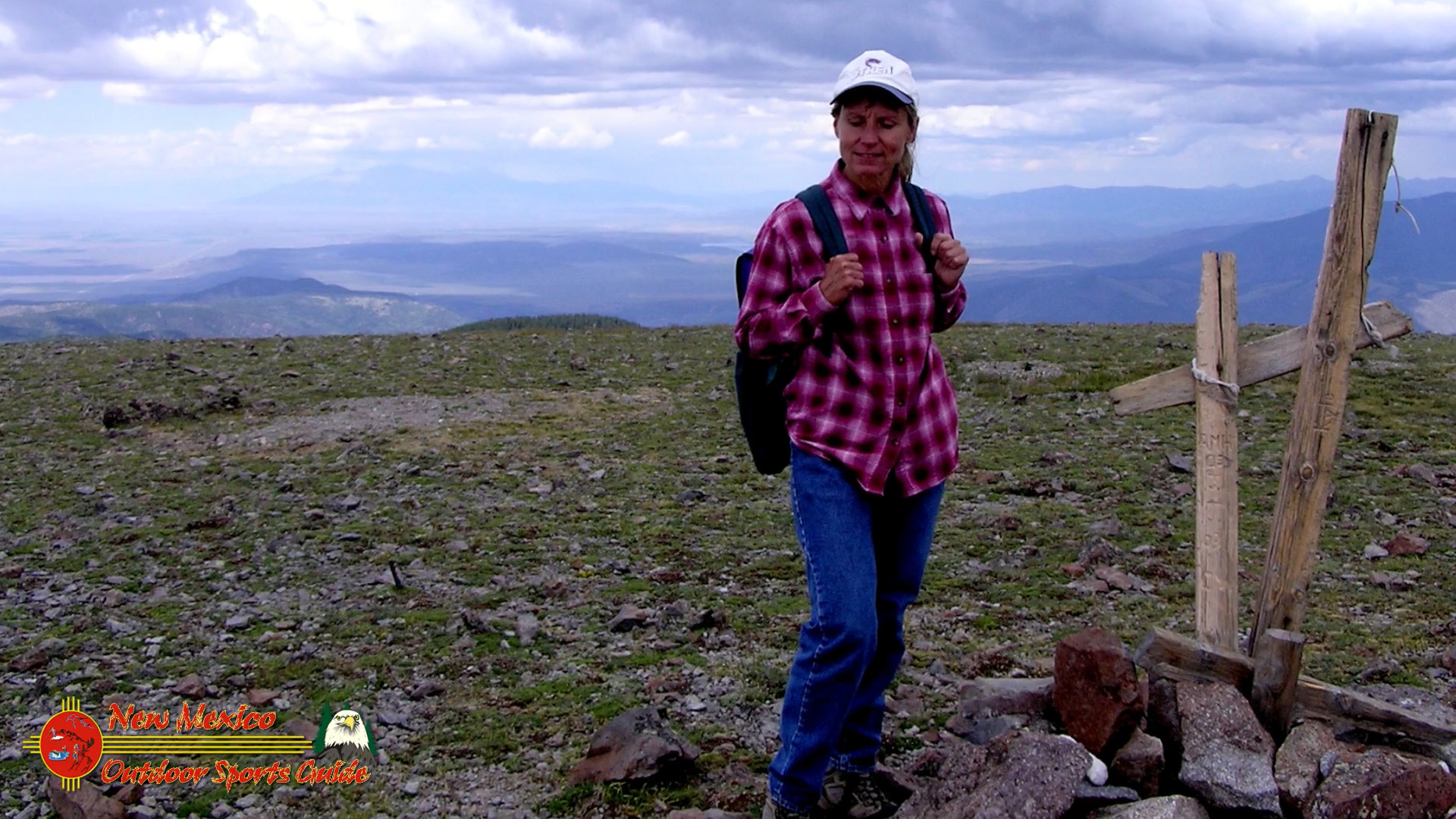
Paulette moved steadily ahead with the determination she’s always carried on hikes. I followed behind, stopping occasionally to photograph the endless layers of mountains fading blue toward the horizon.
Then came one of those moments every Rocky Mountain hiker remembers forever.
We climbed above treeline.
One moment you’re surrounded by timber.
The next, the world opens completely.
The mountain became a vast grassy alpine slope stretching upward toward broken ridges and endless sky. Wind moved through tundra grass in slow waves like water across a shallow lake.
The silence up there had a fullness to it.
No engines.
No towns.
No civilization.
Only sky, wind, distance, and stone.
The Bighorn Sheep Encounter
A Wildlife Moment We’ll Never Forget
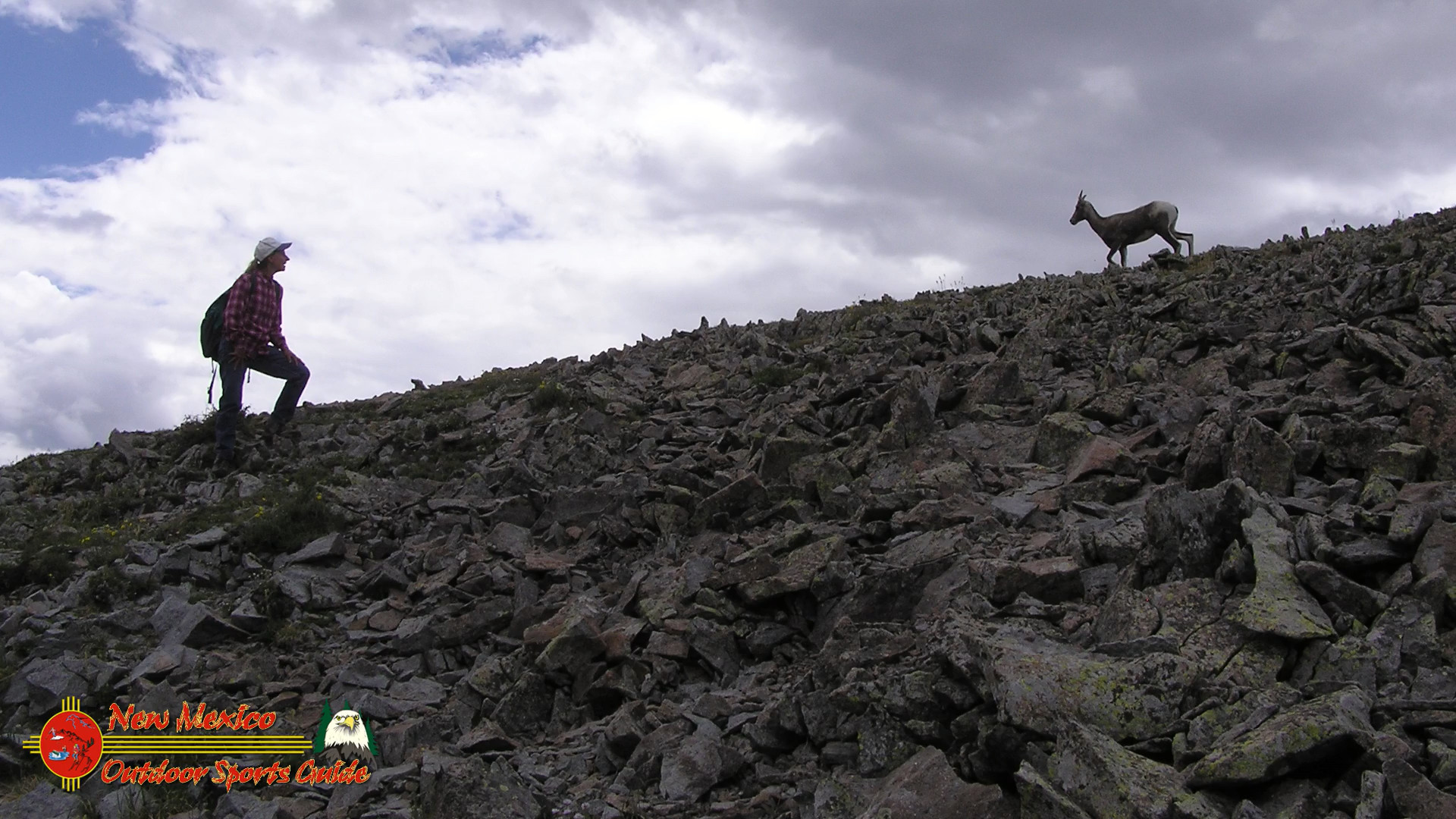
As we approached the final stretch toward the summit, Paulette was perhaps fifty feet ahead of me on the trail.
That’s when I noticed movement.
At first it was only a flicker against the hillside.
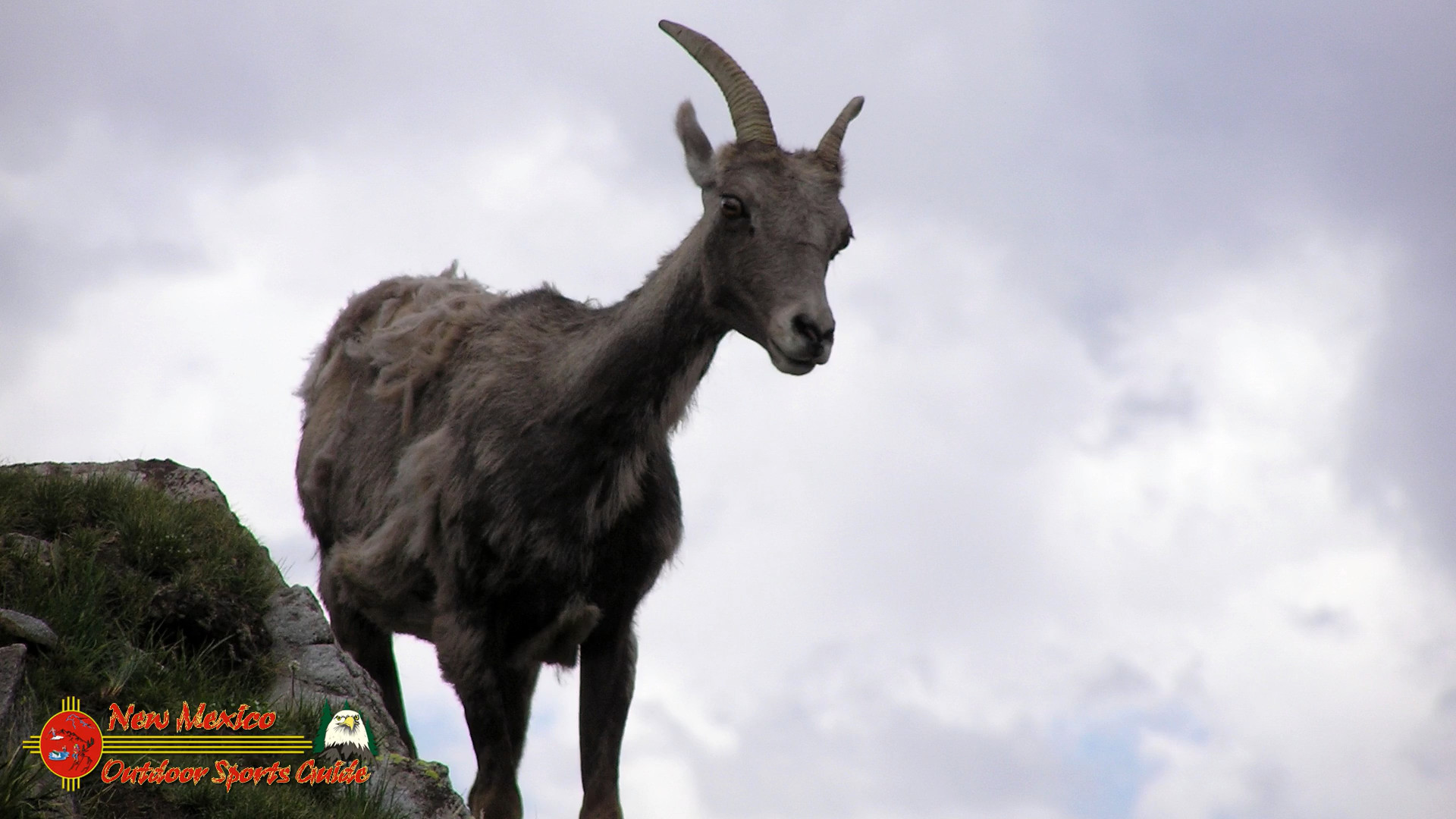
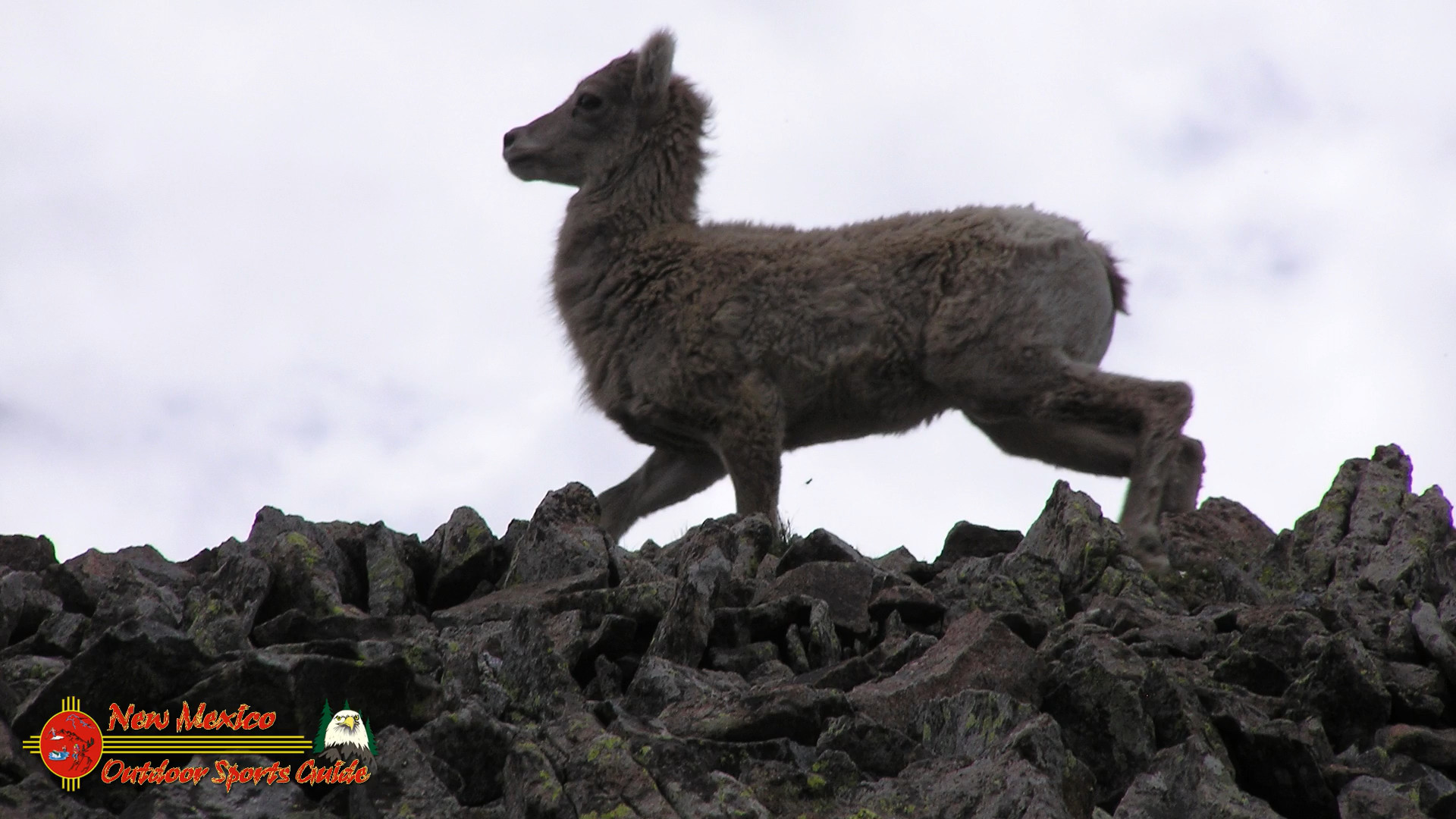
Then the unmistakable tan shape of a bighorn sheep lamb.
I softly called out:
“Stop for a second.”
Paulette froze while I slowly reached for the camera.
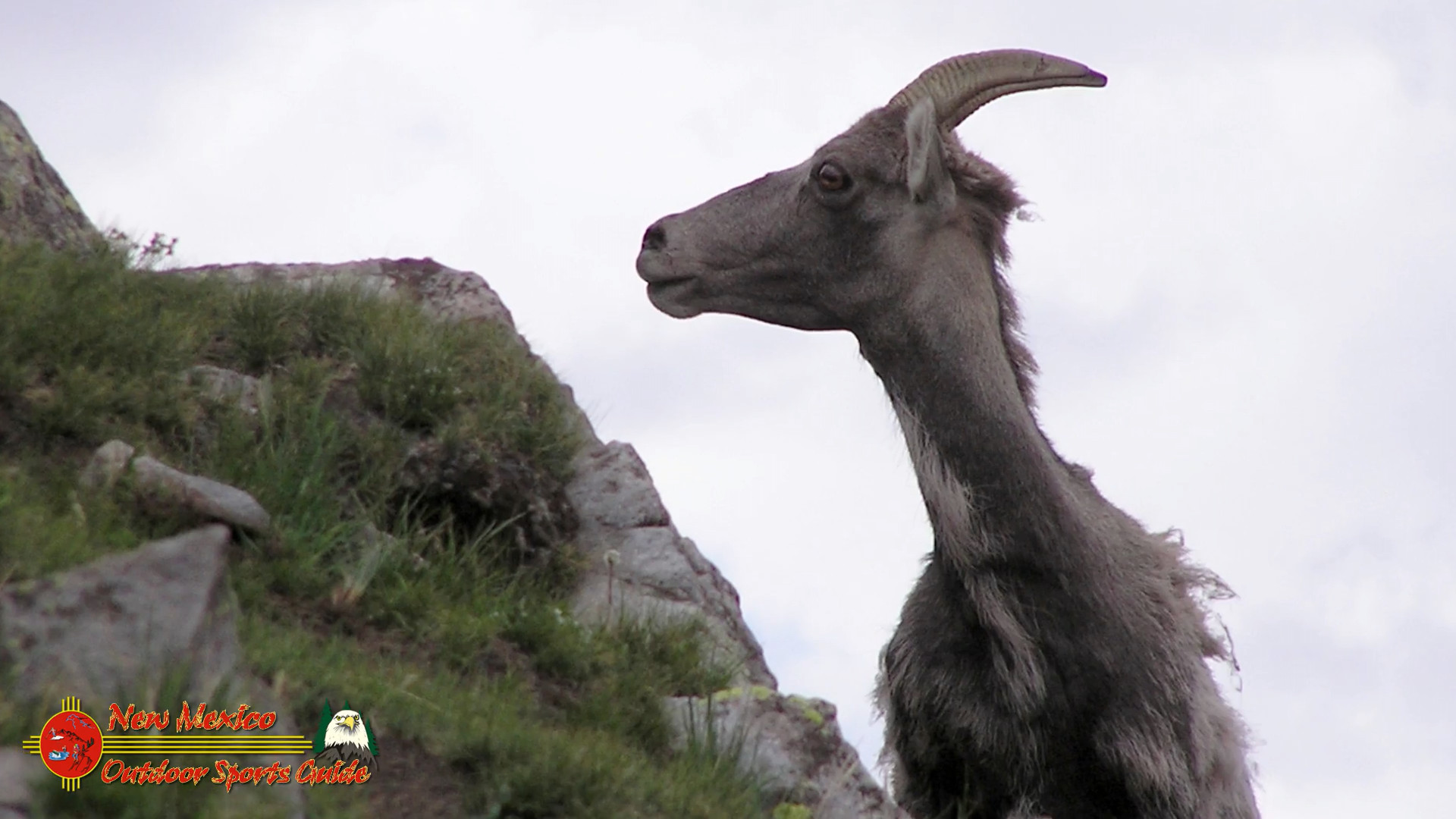
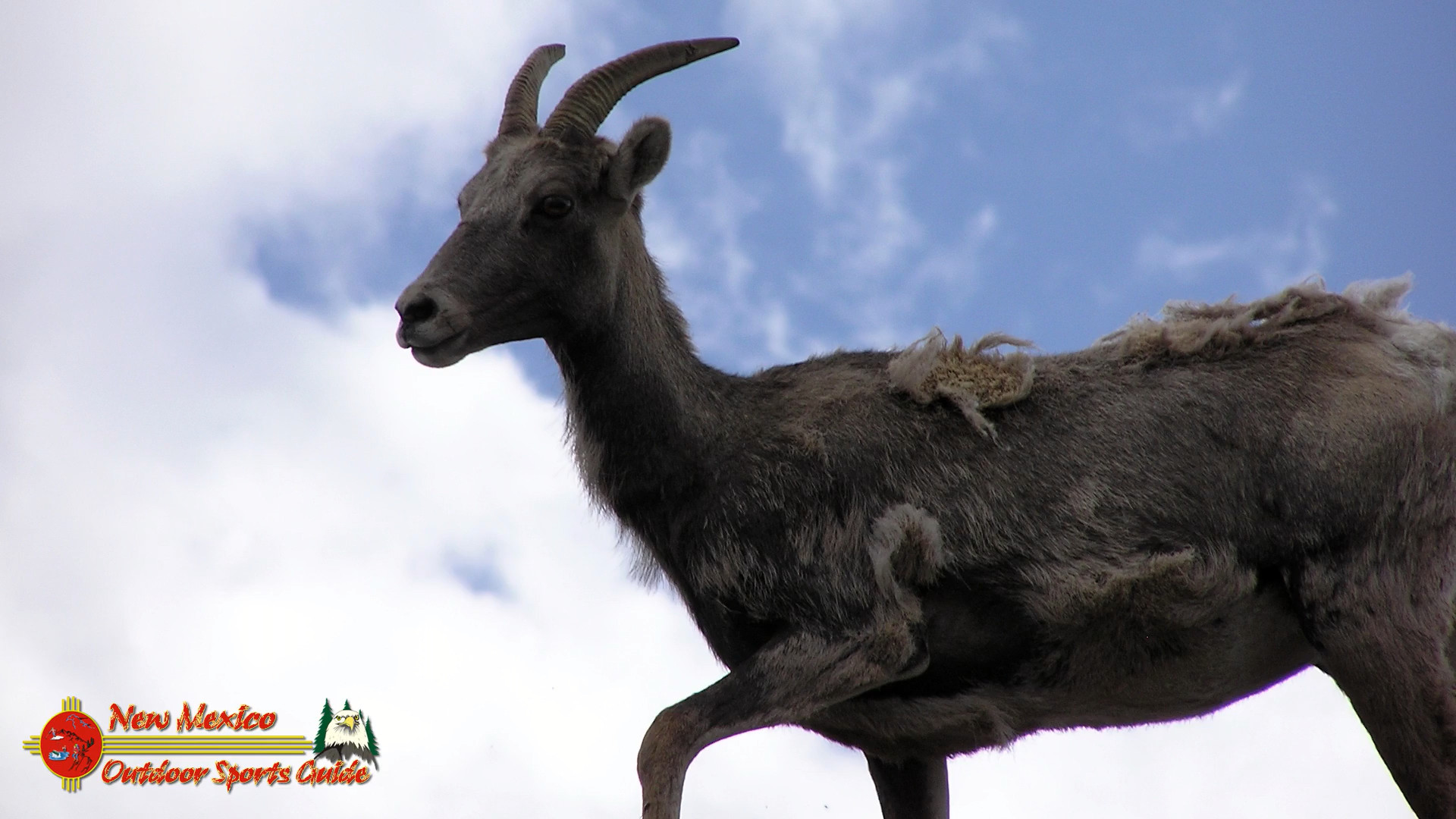
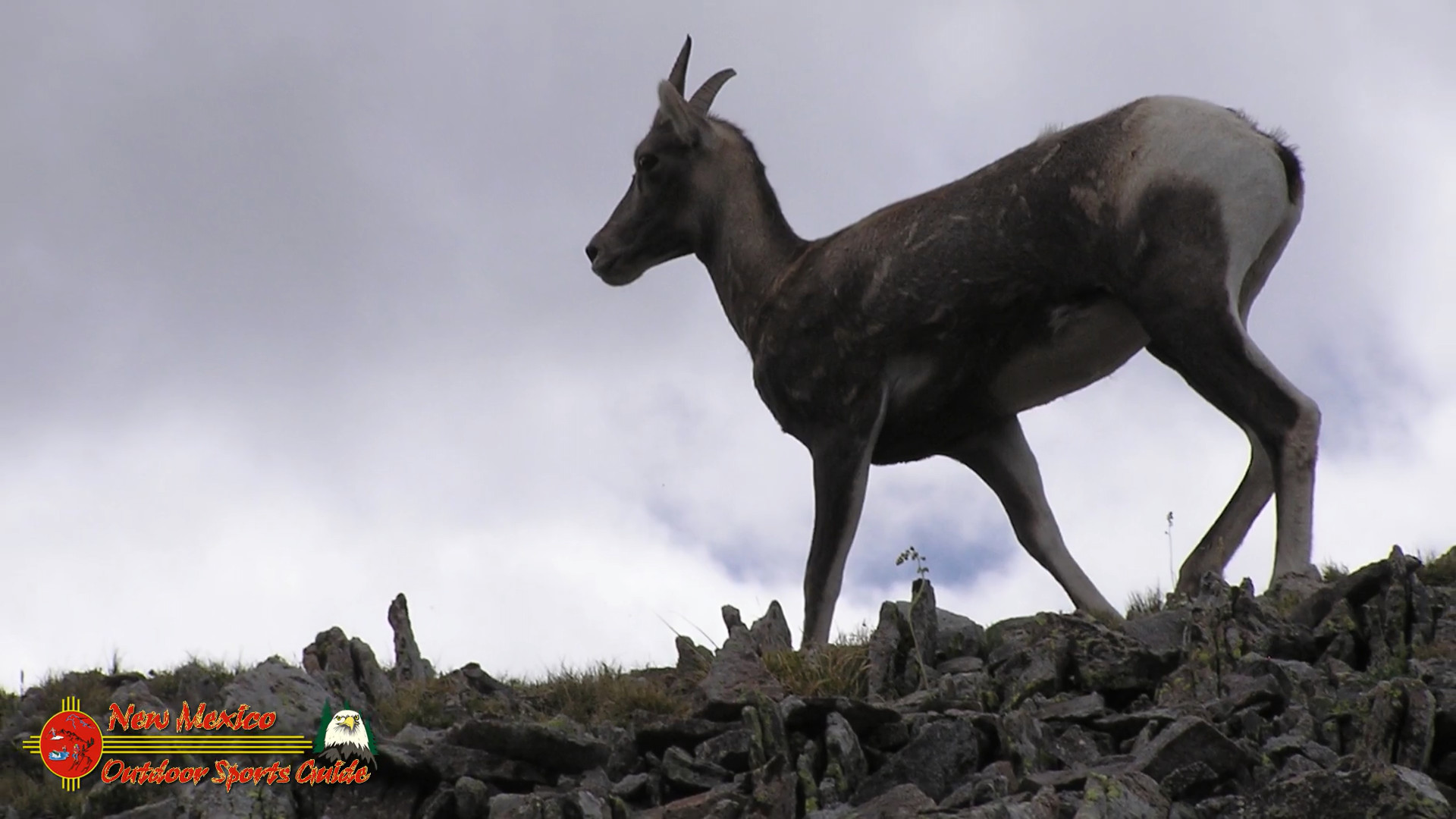
Then a ewe appeared behind the lamb.
The pair moved diagonally uphill directly toward the trail. Neither seemed alarmed.
The lamb crossed within perhaps ten yards of Paulette.
Ten yards.
Close enough to see the curious eyes and cream-colored coat moving in the mountain wind.
The ewe followed calmly behind, glancing briefly toward us as if deciding we were nothing more threatening than oddly shaped rocks beside the trail.
Then both disappeared silently over the ridge.
For several moments neither of us said much.
Some wildlife encounters feel too pure for conversation.
Why Bighorn Sheep Matter in the American West
The History of North American Bighorns
Bighorn Sheep belong to these mountains in a way humans never fully can.
Watching them move across steep alpine terrain is like watching water flow downhill.
Effortless.
Natural.
Ancient.
North American bighorn sheep once numbered in the millions across the mountains and deserts of the West. Their ancestors crossed the Bering Land Bridge from Siberia thousands of years ago before spreading throughout western North America.
For centuries they became deeply woven into Native American cultures and mythology.
The rams are famous for their massive curled horns, some weighing more than thirty pounds.
Yet by the late 1800s and early 1900s, populations collapsed due to:
- Overhunting
- Habitat loss
- Diseases from domestic livestock
In many mountain ranges they nearly disappeared entirely.
Thankfully, decades of wildlife conservation and restoration work have helped bring bighorn populations back to portions of the American West, including Northern New Mexico.
Seeing those sheep on Latir Peak felt less like spotting wildlife and more like glimpsing living history.
Reaching the Summit of Latir Peak
Views Across the Sangre de Cristo Mountains
Eventually we climbed the final few hundred yards to the summit.
The wind had strengthened by then, carrying the cool scent of alpine tundra.
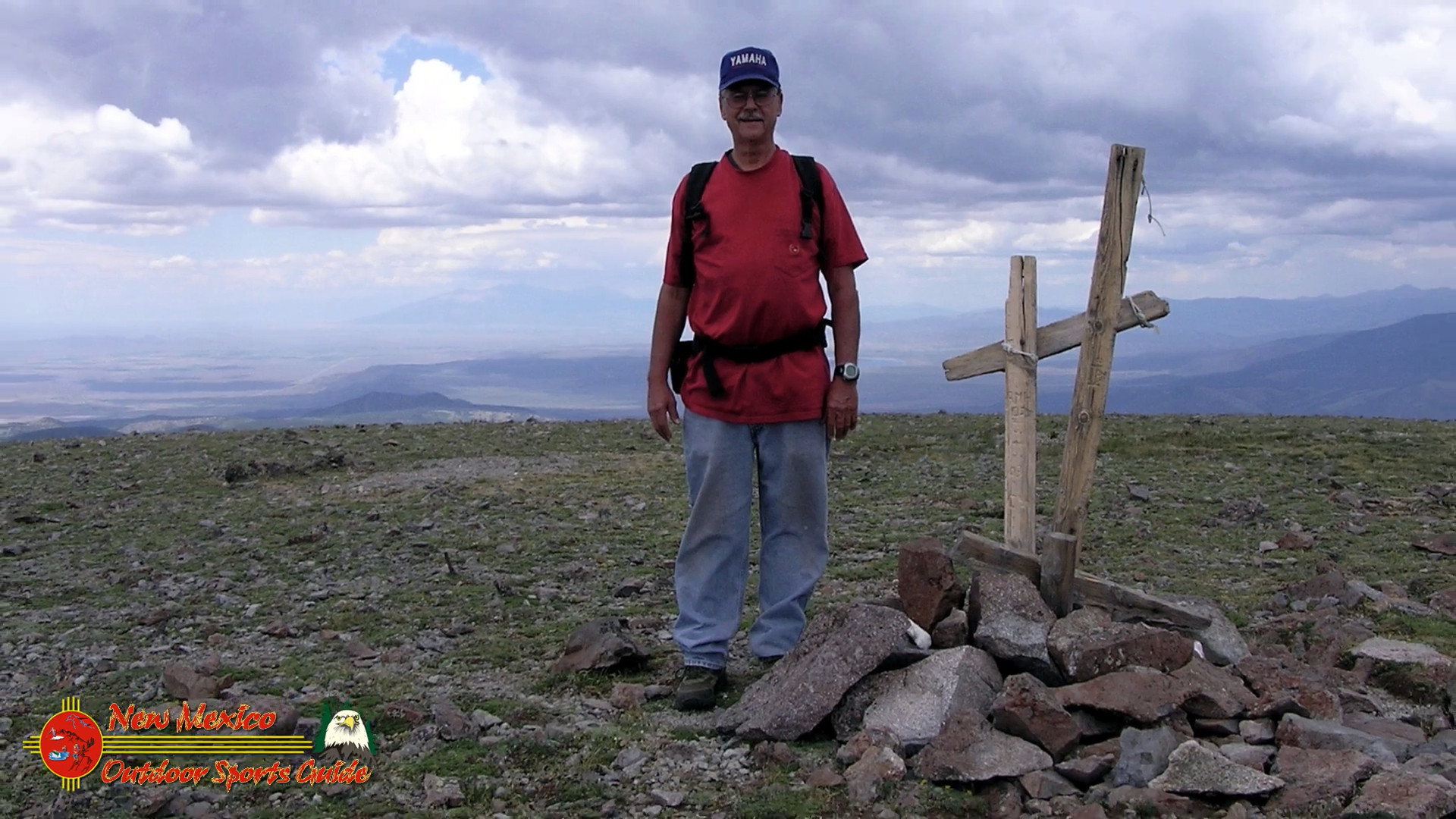
At the summit marker we dropped our packs, sat on the rocks, and simply stared.
Below us, the Latir Lakes shimmered like tiny blue jewels tucked into the mountainside.
To the west, the Rio Grande Valley spread outward in enormous uninterrupted distance.
Layer after layer of mesas, ridges, and distant mountains faded toward the horizon beneath towering summer clouds.
At that elevation the world feels wonderfully oversized.
Roads disappear.
Problems shrink.
Tiny towns vanish.
The climb had taken roughly two hours, though mountain hiking time is measured less by watches and more by breathing, scenery, and how often you stop to admire the view.
Lunch on the Summit
Why Food Always Tastes Better Above Timberline
We opened our lunch and ate sandwiches with the kind of appetite only mountain hiking creates.
A hawk drifted below us on rising thermals.
Tiny pika squeaked among nearby rocks.
Paulette smiled and said:
“Worth every step.”
Absolutely.
After lunch I spent time photographing panoramas while clouds slowly built over distant ridges. The mountain light changed minute by minute.
One moment sunlight swept golden across the tundra.
The next moment cloud shadows darkened entire mountainsides.
Discovering the Bighorn Sheep Herd
Rams on the Alpine Meadow
Eventually we shouldered our packs and began descending.
The north slope below the summit opened into a vast alpine meadow slanting downward toward rocky ridges and tundra.
I kept scanning the hillside where the ewe and lamb had appeared earlier.
Mountain country teaches you to keep watching.
Wildlife often reveals itself twice.
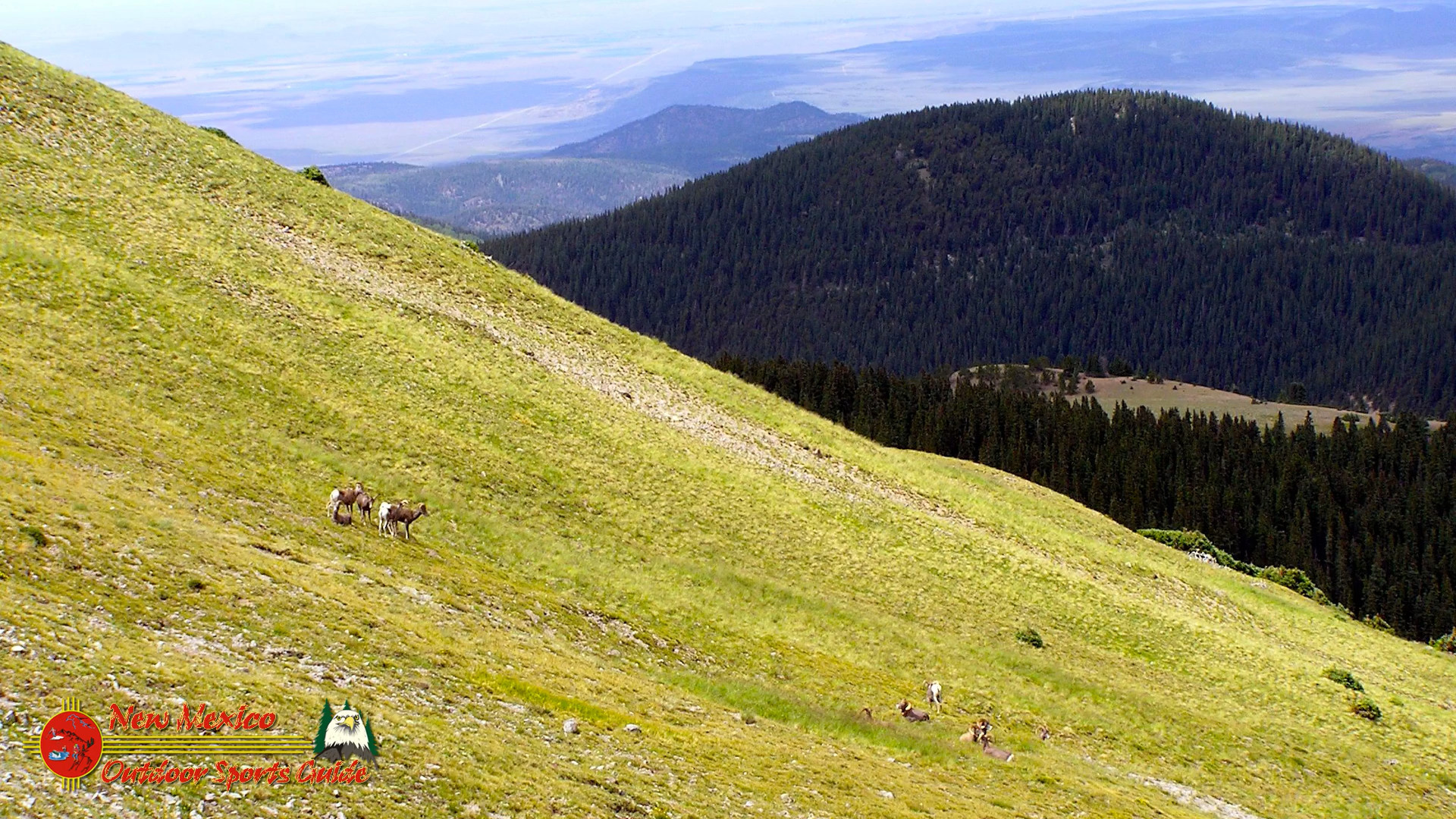
Sure enough, perhaps a quarter mile down the trail, I spotted movement far across the slope.
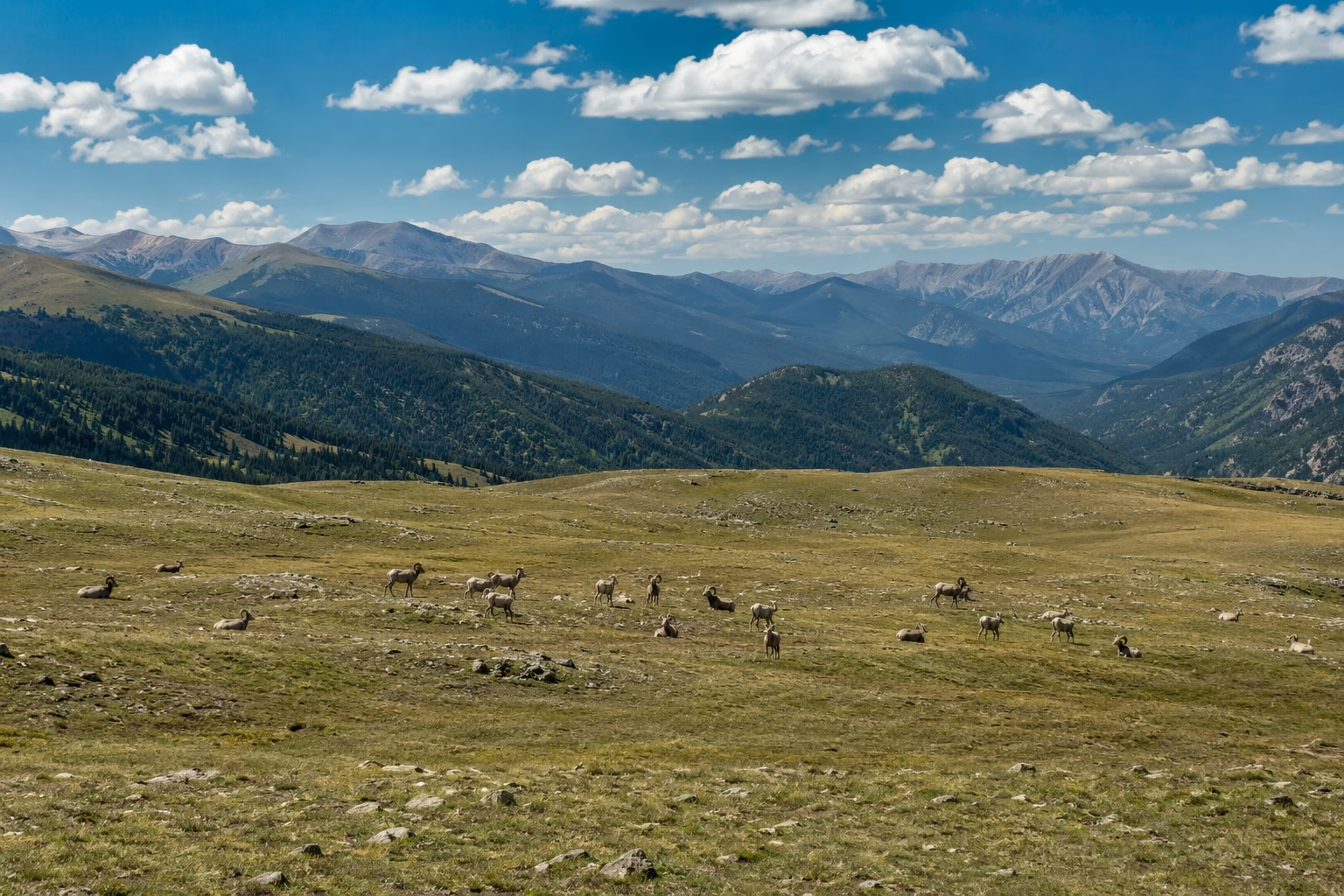
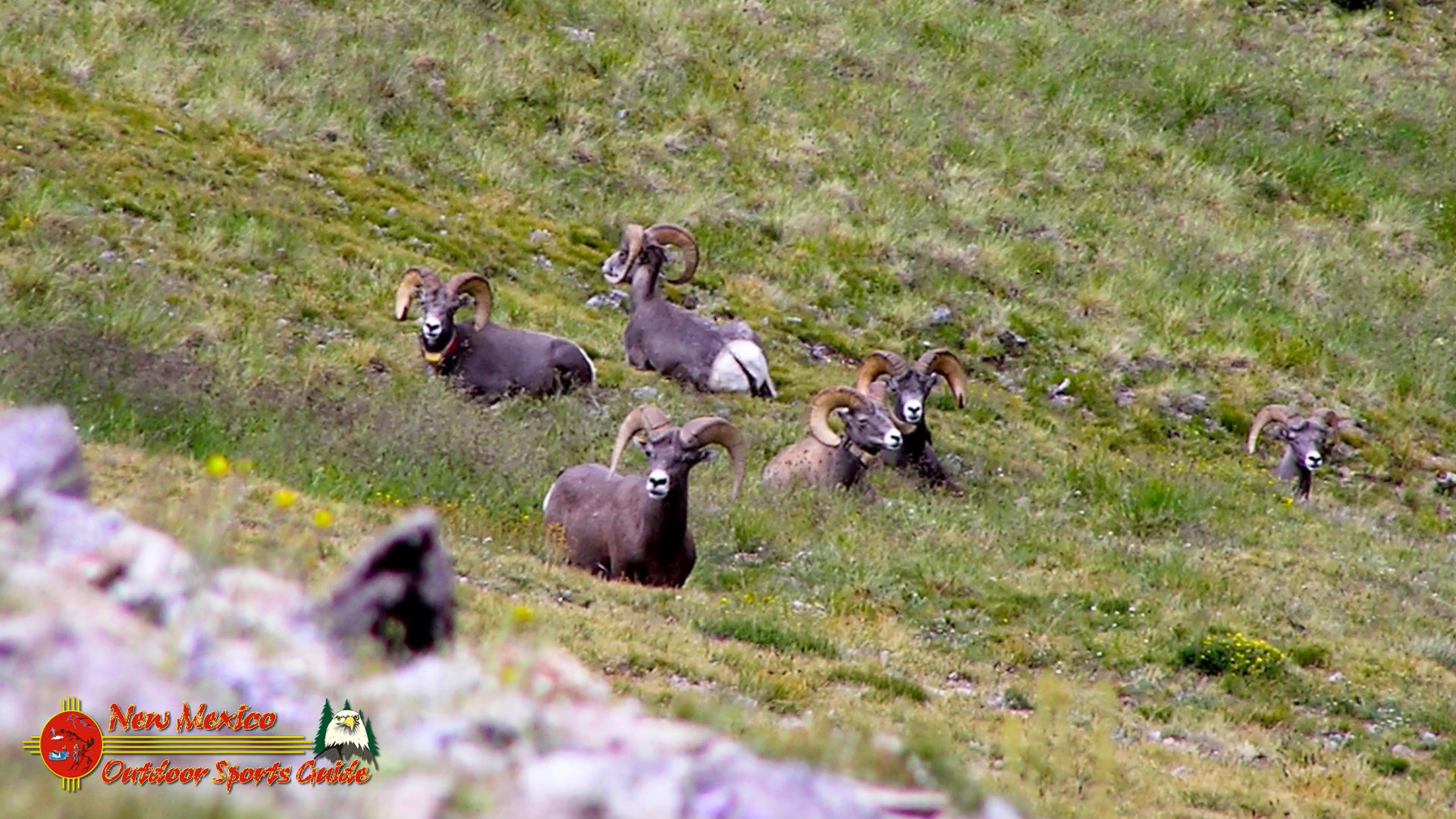
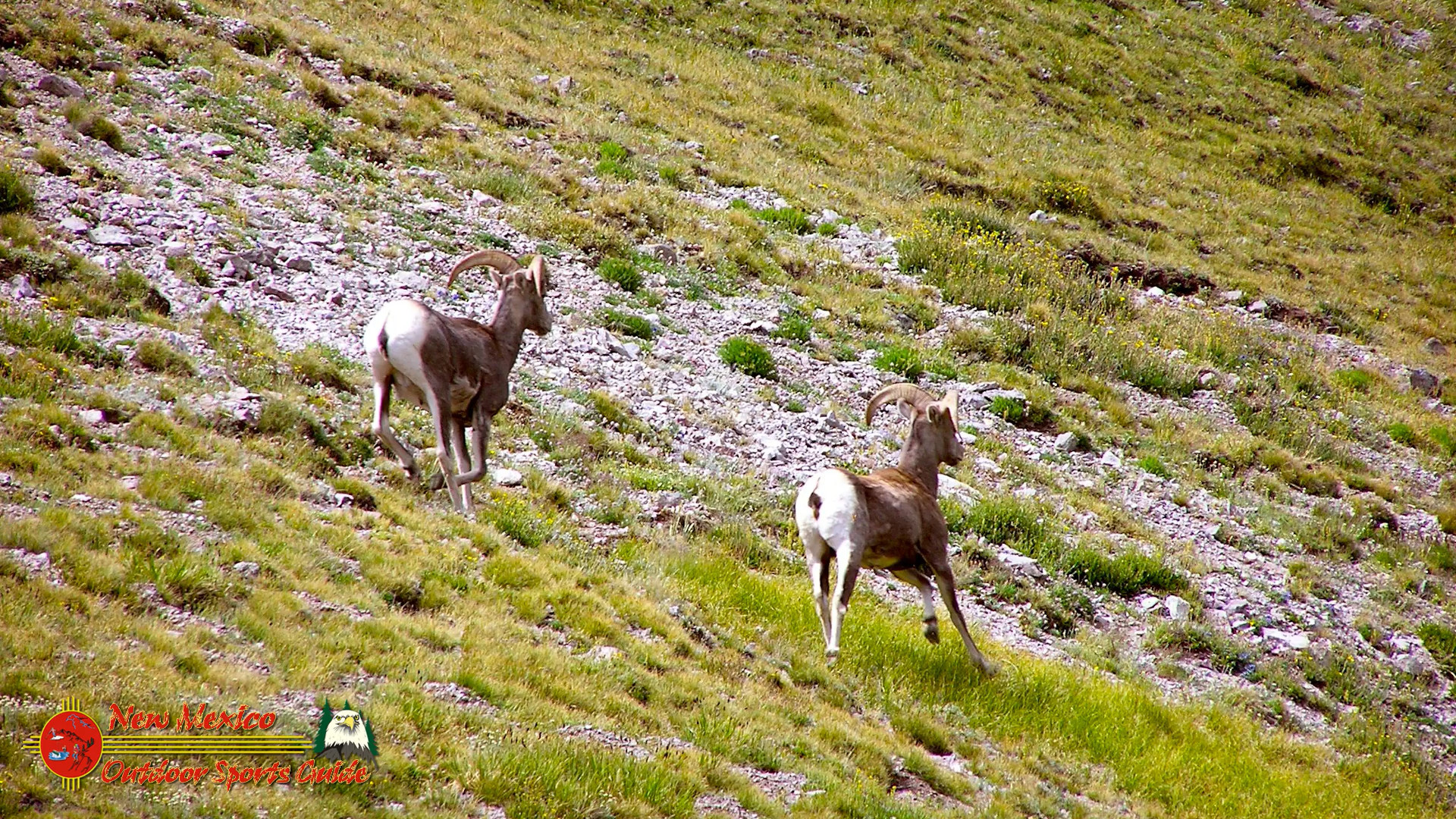
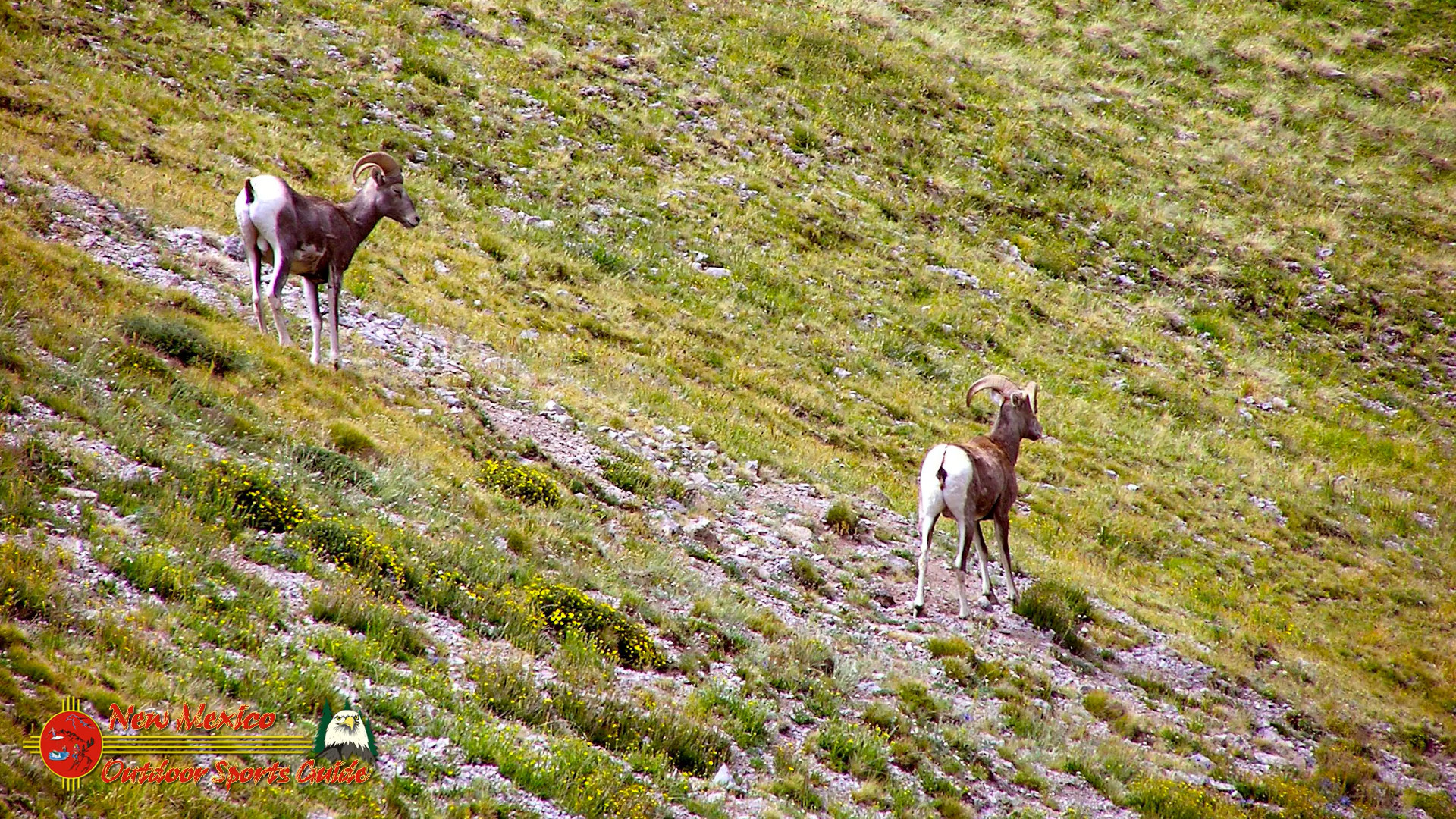
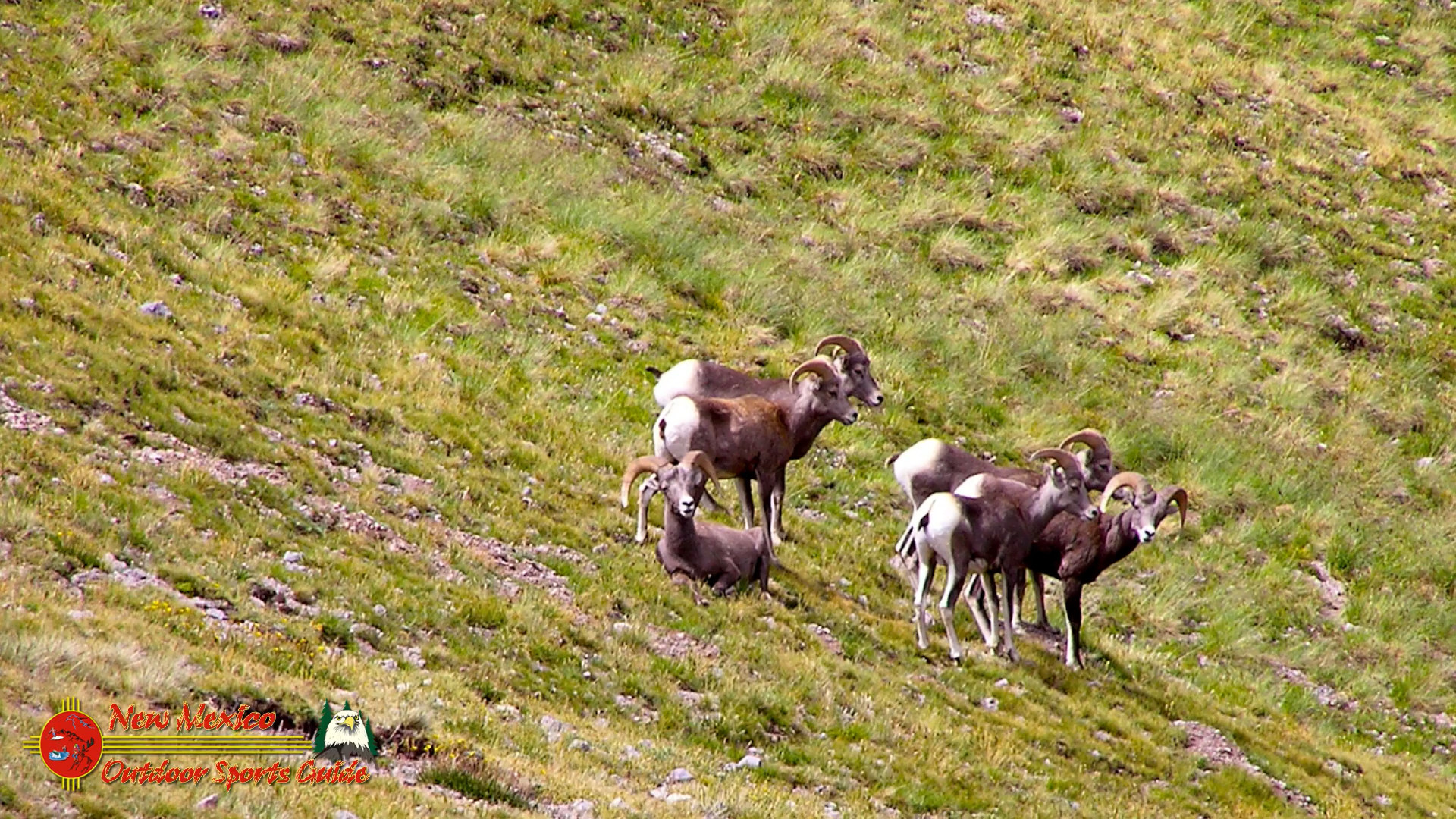
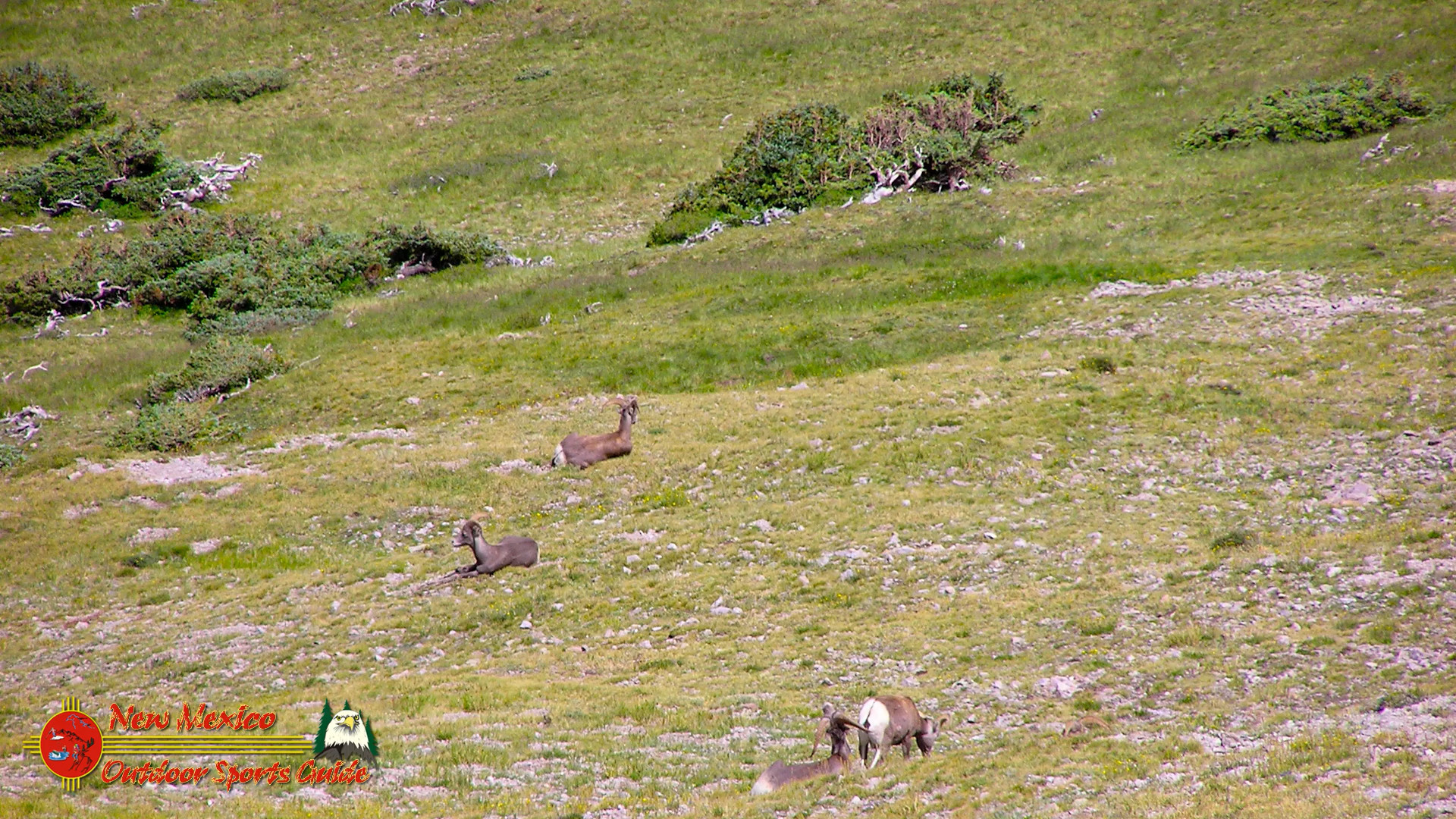
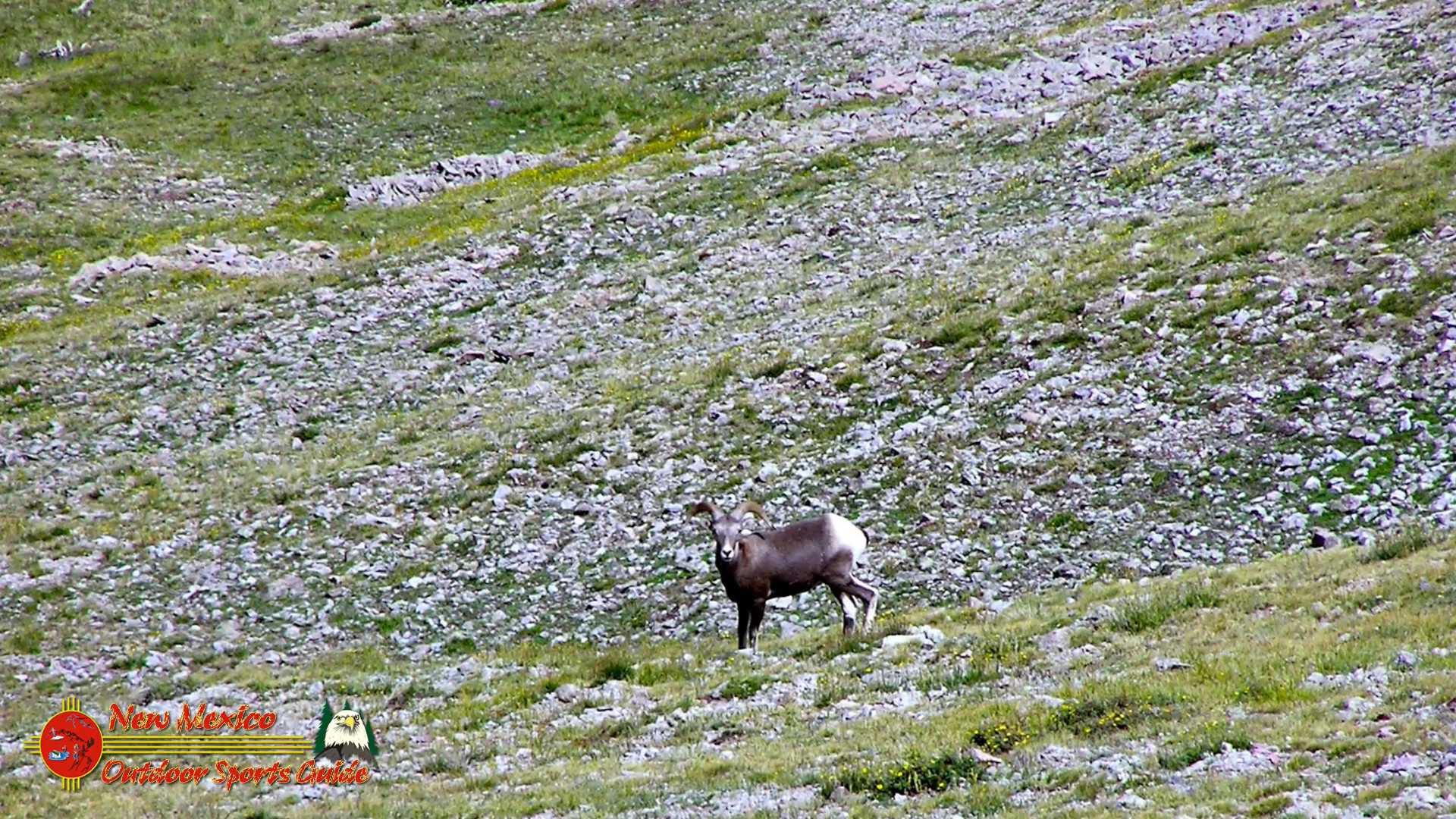
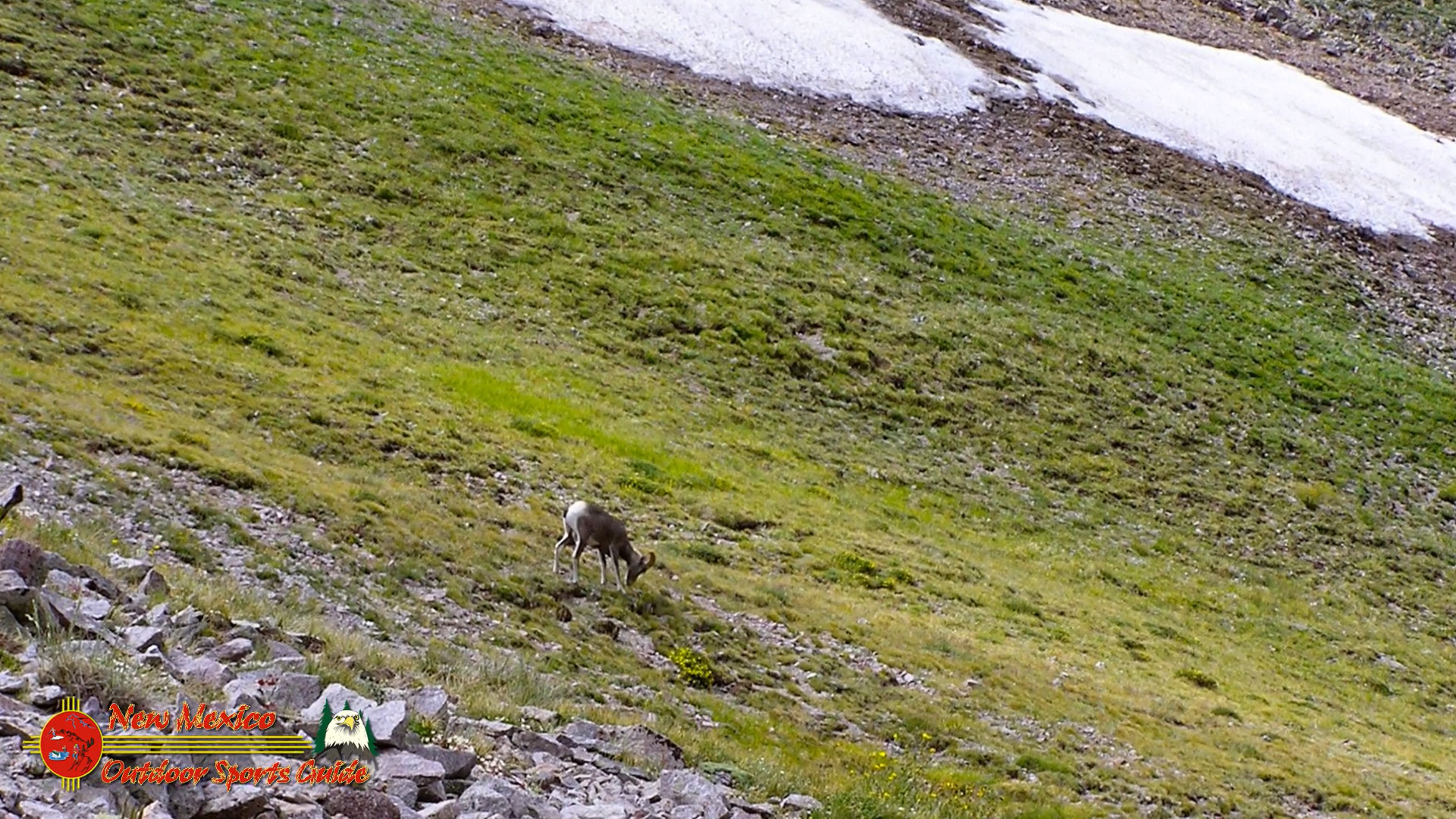
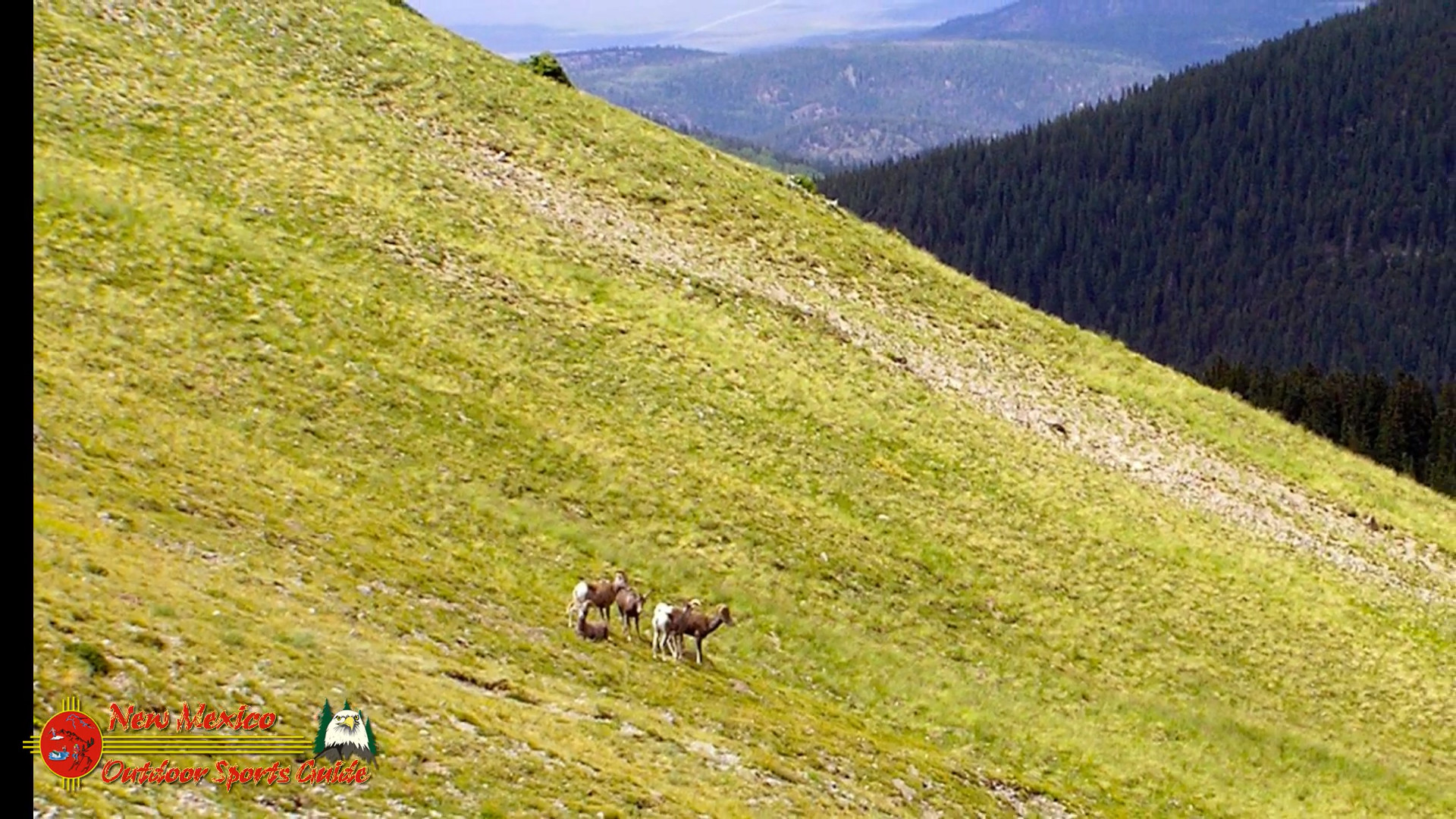
A whole herd.
At first they appeared as tiny pale dots against the mountainside.
Then through binoculars the shapes sharpened into unmistakable bighorn sheep grazing across the meadow.
We stopped immediately.
Off came the backpack.
Out came the telephoto lens.
The herd rested and fed several thousand yards away while three massive rams bedded separately from the others.
Even at distance those rams looked impressive:
- Heavy bodies
- Massive curled horns
- Ancient mountain survivors
I spent the next several minutes photographing them while trying not to rush.
Moments like that feel borrowed from another century.
No roads.
No crowds.
No engines.
Only wild sheep beneath endless alpine sky.
The Long Hike Back to the Trailhead
Mountain Tiredness Earned Honestly
Eventually dusk began creeping into the valleys below and we reluctantly packed away the camera gear.
The hike out always feels longer.
Legs grow heavier.
Knees complain louder.
Boots somehow gain weight.
But there’s satisfaction in that kind of tiredness.
Honest mountain tiredness earned one uphill step at a time.
When the Subaru finally came into view near the trailhead, it looked as welcoming as a five-star resort.
Ribeye Steaks in Red River
A Tradition After Big Hikes
By then we had another tradition firmly established after decades together:
Ribeye steaks after major hikes.
So naturally we stopped in Red River and ordered two ribeyes that tasted about as close to perfect as food can after a day above 12,000 feet.
The restaurant glowed warm against the cool mountain evening while motorcycles rumbled through town outside beneath neon signs and mountain dusk.
Between bites we replayed the day:
- The ewe and lamb
- The summit views
- The alpine silence
- The herd of rams
Those are the conversations that become lifelong memories.
Returning Home to Casa Oso
A Quiet Night Beneath the Stars
Eventually we drove back south toward Angel Fire.
Driving into Moreno Valley at night always felt special.
Eagle Nest Lake reflected moonlight while the silhouette of Wheeler Peak stood dark beneath a sky exploding with stars.
At last we wound our way back up the mountain to Casa Oso.
Before bed we stepped outside one final time.
Far to the north, barely visible beneath starlight, stood the mountains we had climbed that day.
Somewhere up there, the bighorn sheep herd was likely bedded down beneath cold alpine stars exactly as their ancestors had done for thousands of years.
That thought stayed with me long after we crawled into bed.
Exploring the Rio Costilla and Latir Wilderness Region
Hidden Treasures of Northern New Mexico
The Latir Wilderness remains one of Northern New Mexico’s true alpine treasures.
Nearby areas worth exploring include:
- Rio Costilla Park
- Latir Falls
- Latir Creek
The entire region surrounding Costilla and Amalia still feels wonderfully untouched compared to many crowded Western recreation areas.
Small villages like Amalia remain gateways not only to wilderness, but also to generations of ranching history, mountain culture, and quiet resilience.
Final Thoughts About Hiking Latir Peak
Why This Mountain Still Stays With Me
Looking back now, that July hike to Latir Peak was never simply about reaching a summit.
It was about finally stepping into a landscape we had admired from afar for years.
It was about sharing another adventure together after decades of marriage, mountain living, and exploring the Southwest side by side.
It was about wild country still remaining wild.
And perhaps most of all...
It was about those bighorn sheep.
For a few brief moments on a high alpine slope in Northern New Mexico, we were accepted into their world.
Not as intruders.
Not as threats.
Just two quiet hikers standing still beneath a vast mountain sky while a ewe and her lamb continued their timeless journey across the Sangre de Cristos.
Another great day well spent in the mountains.
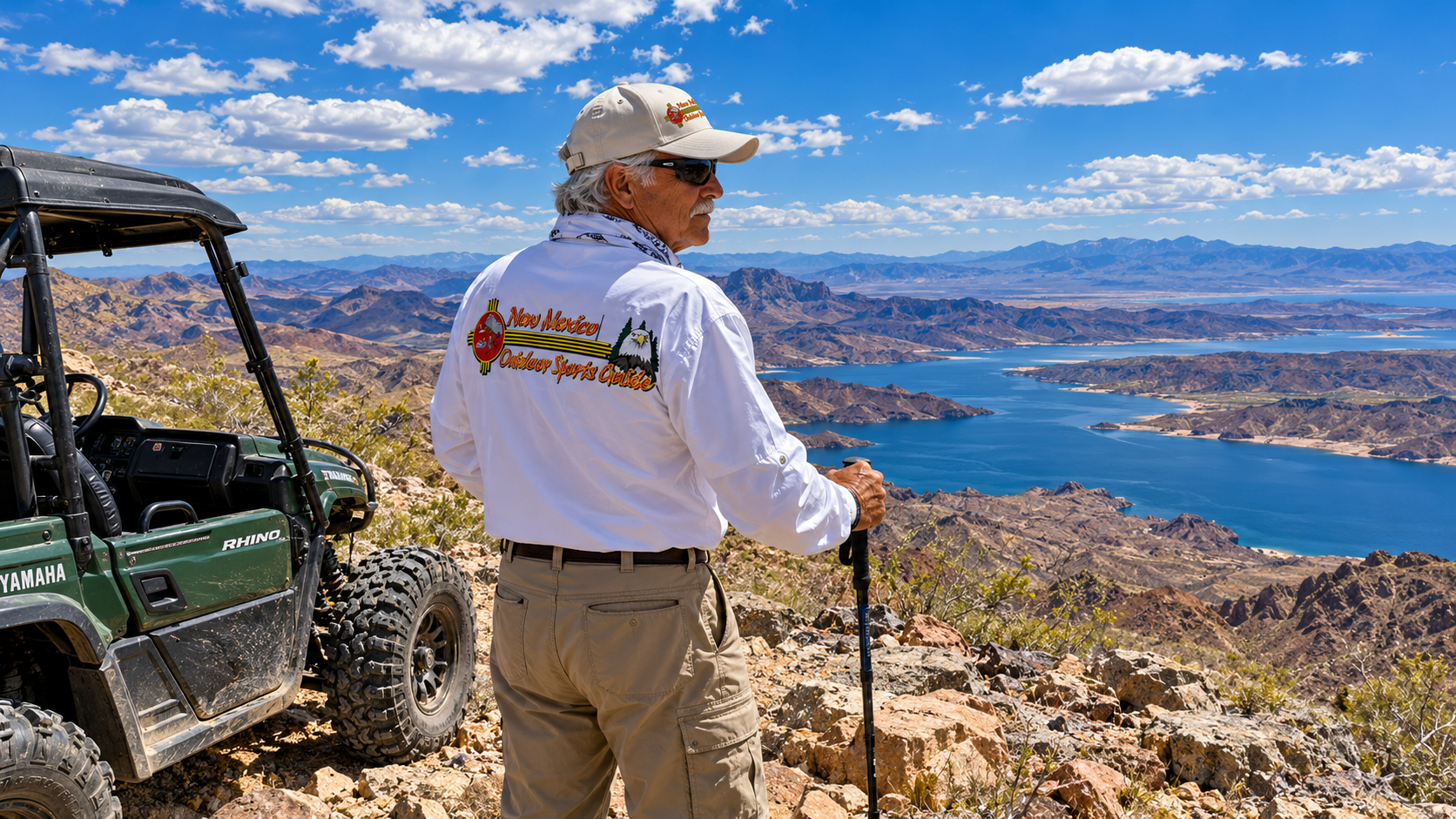
Pat is a writer, photographer, and videographer documenting the wilderness and wildlife of the American Southwest. His work focuses on the mountains, deserts, rivers, and trails of New Mexico, Arizona, Utah, and Colorado. He and his wife Paulette divide their time between Santa Fe, New Mexico and Lake Mohave, Arizona.
0 Comments