
Black Lake, New Mexico: Wildlife, Lonesome Dove and a Quiet Corner of the Moreno Valley
There are places in New Mexico that announce themselves with highway signs, visitor centers, parking lots and scenic overlooks.
Black Lake, New Mexico isn't one of them.
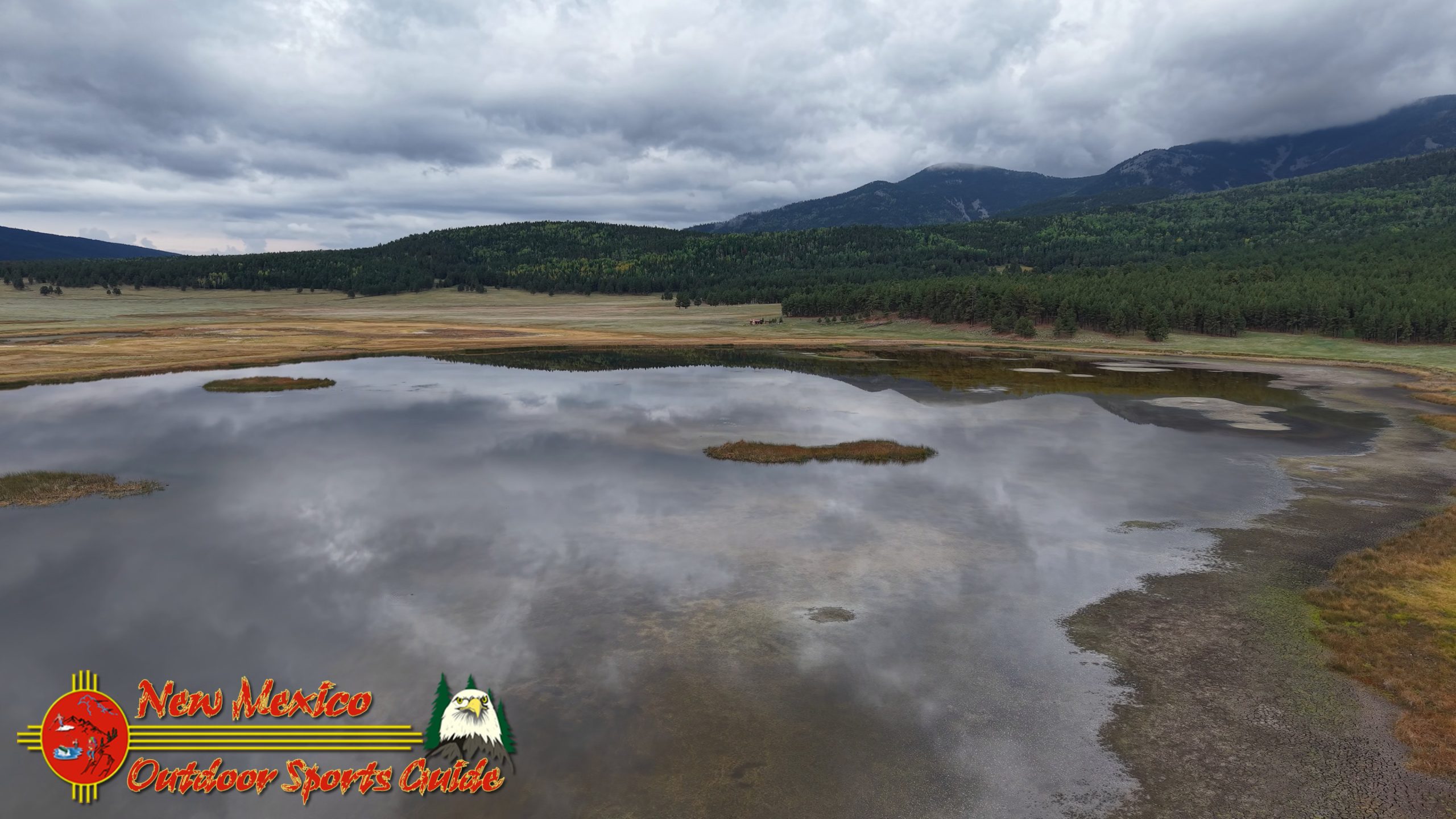
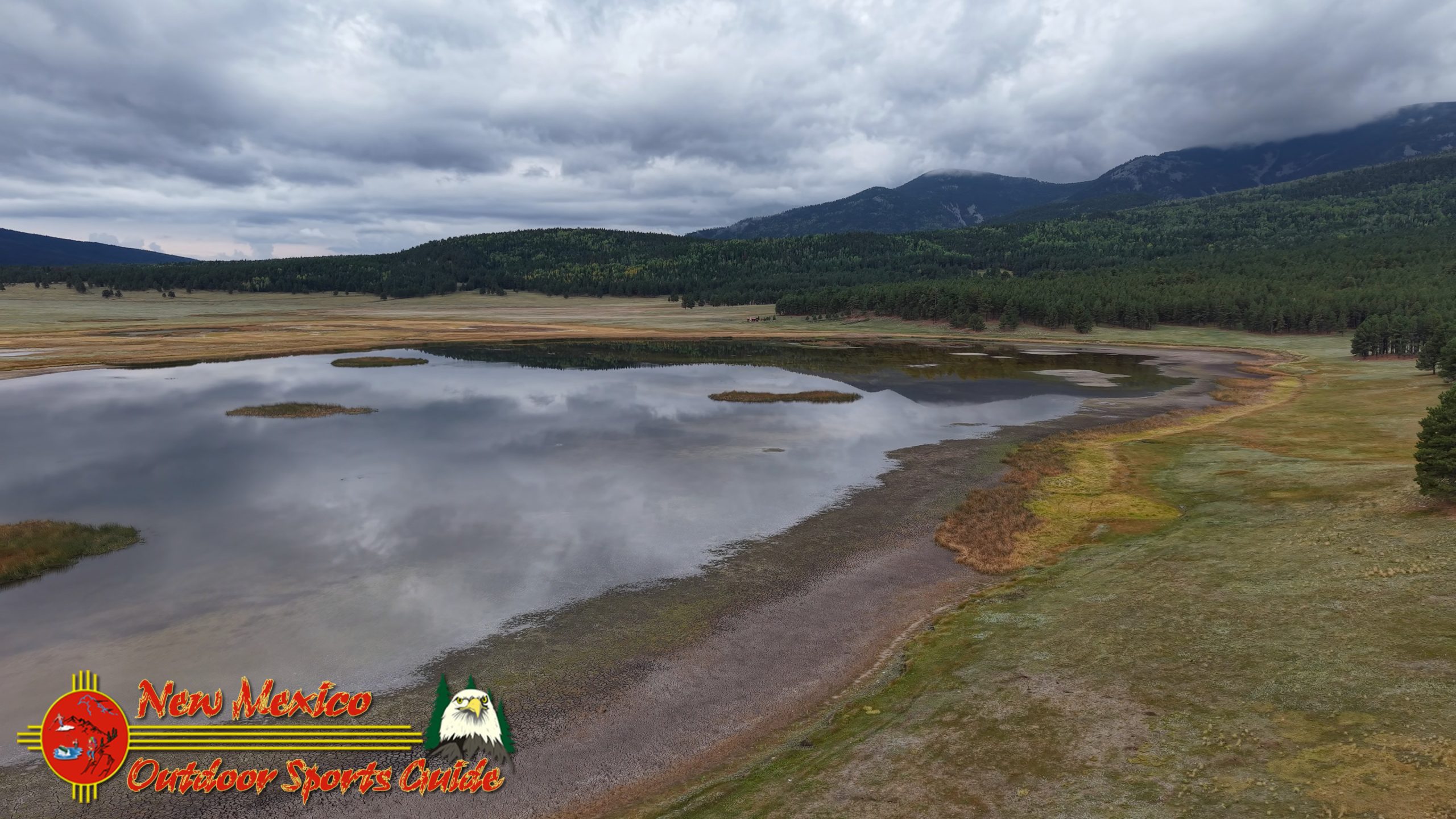
At the southernmost end of the Moreno Valley, beyond the bustle of Angel Fire and tucked beneath the Sangre de Cristo Mountains, lies a small natural lake that Paulette and I came to know during our seventeen years living at Casa Oso.
We didn't fish it.
We didn't launch a canoe on it.
We didn't walk its shoreline.
Black Lake is surrounded by private property, and our enjoyment of it was from a respectful distance, usually from the vicinity of New Mexico Highway 434.
That never diminished its appeal.
Quite the opposite.
Black Lake became one of those places where we slowed down, looked carefully and waited to see what might appear.
Waterfowl were the most dependable residents.
Elk were frequent visitors to the surrounding meadows.
Wild turkeys wandered the country around it.
And every once in a while there was the possibility of a black bear slipping along the edge of the timber.
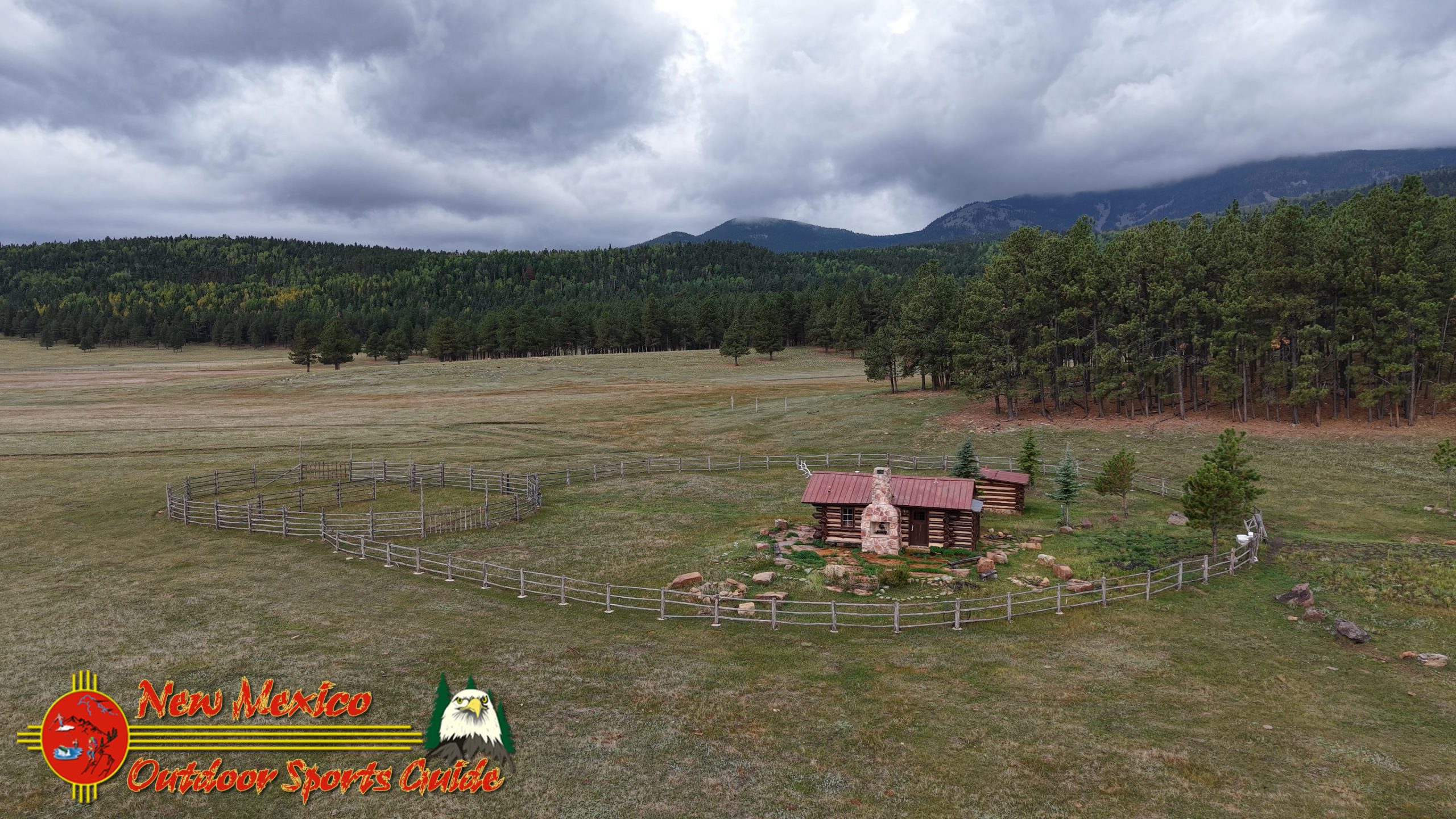
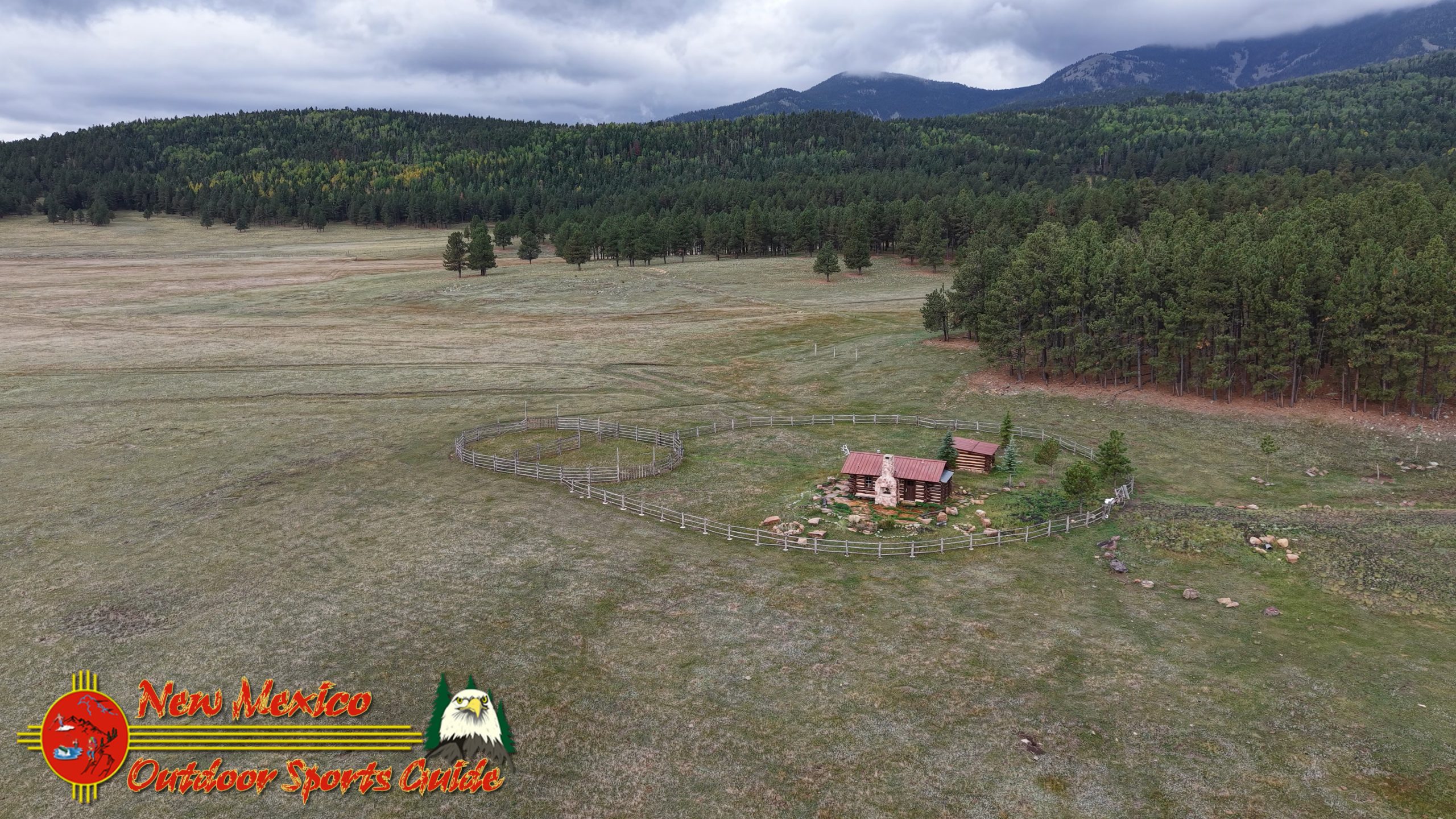
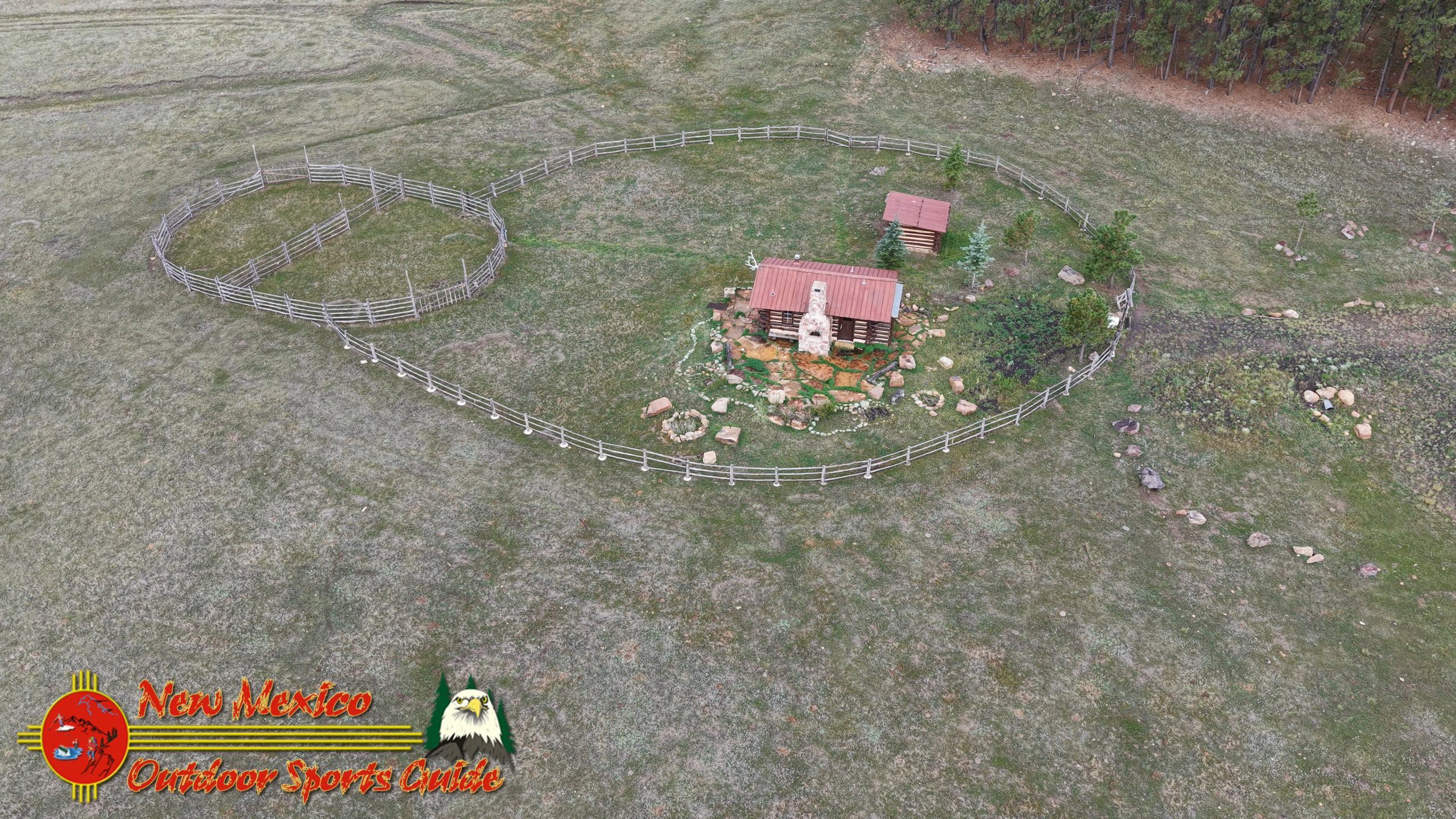
Then there was that cabin.
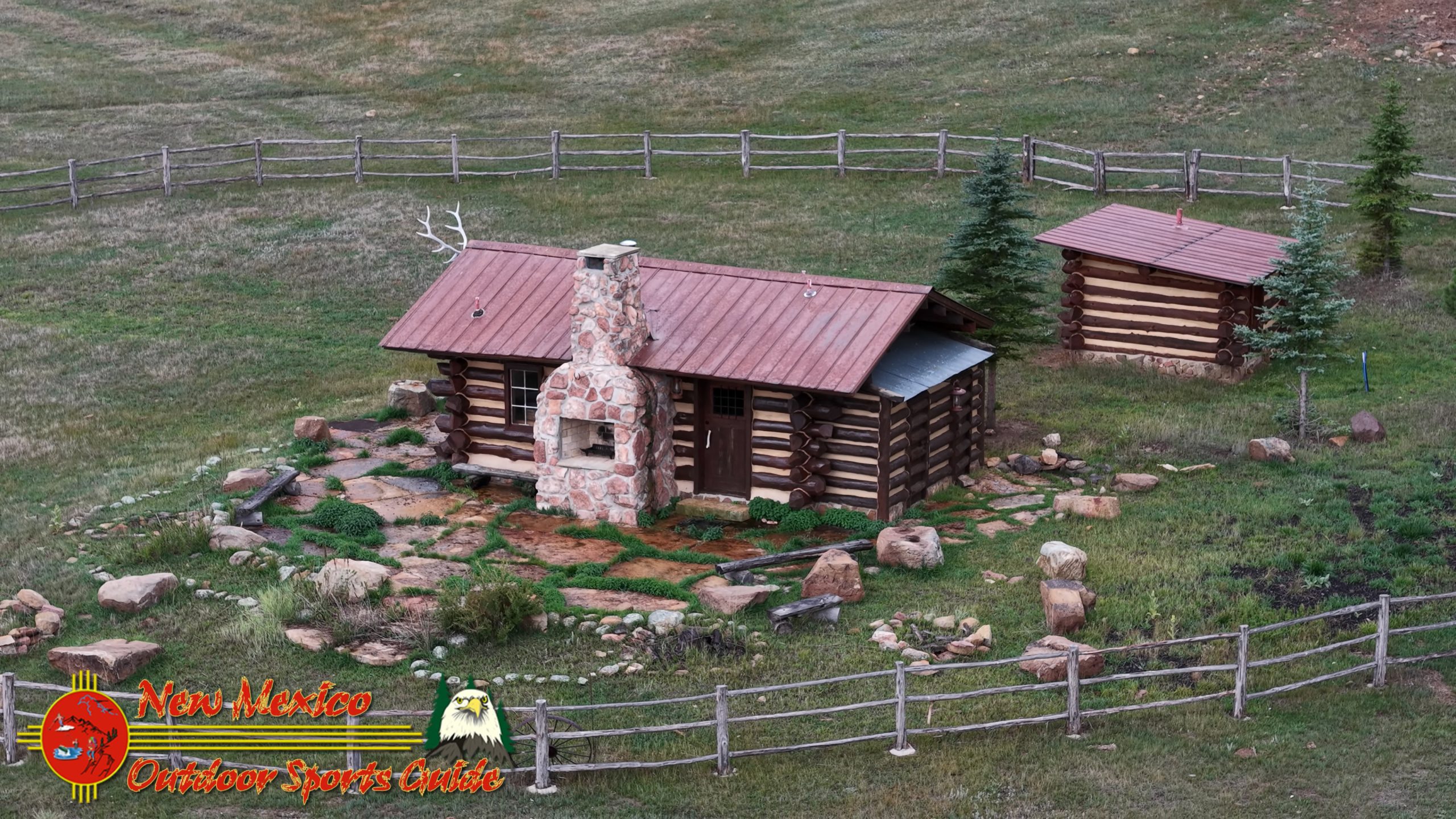
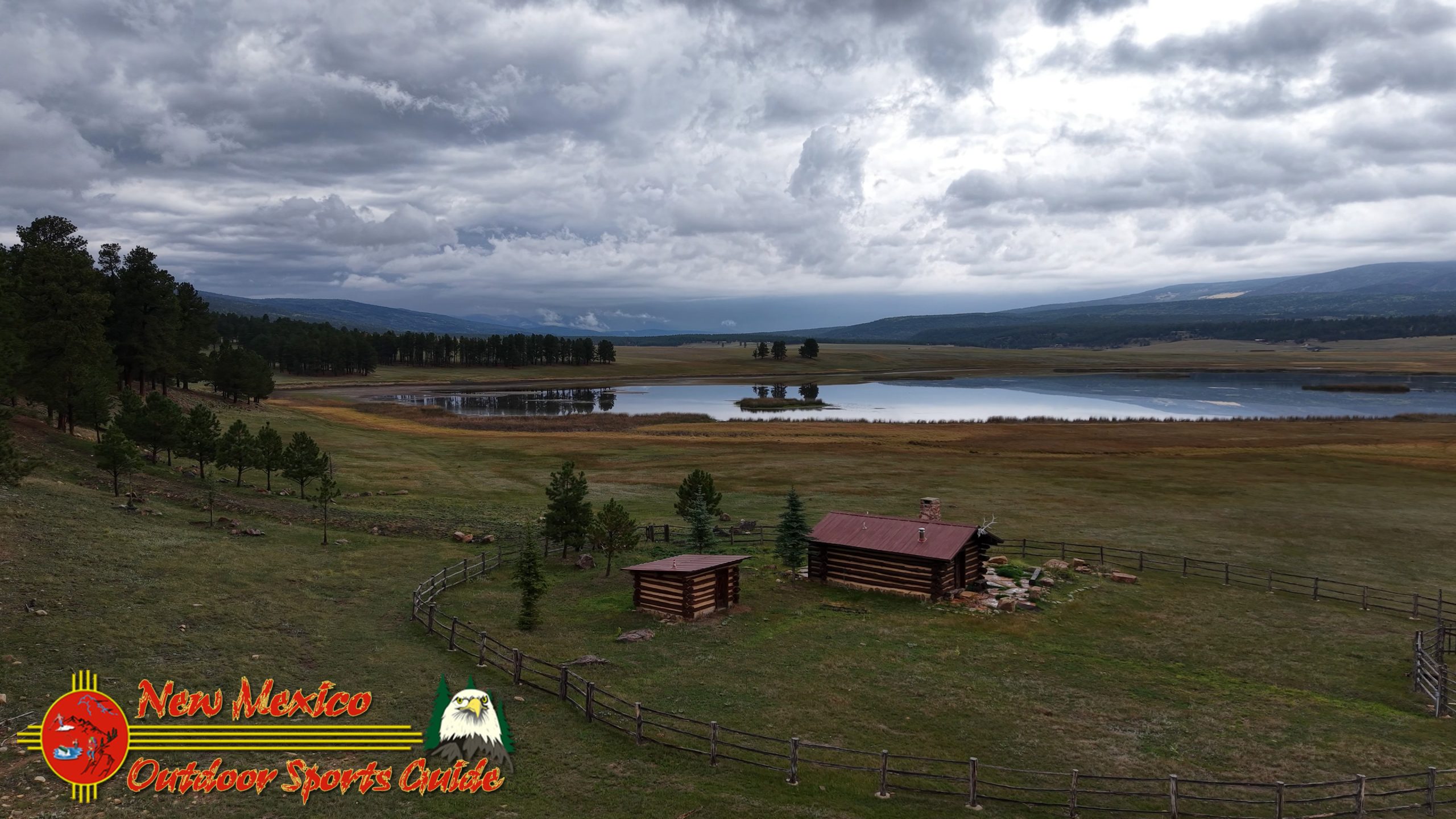
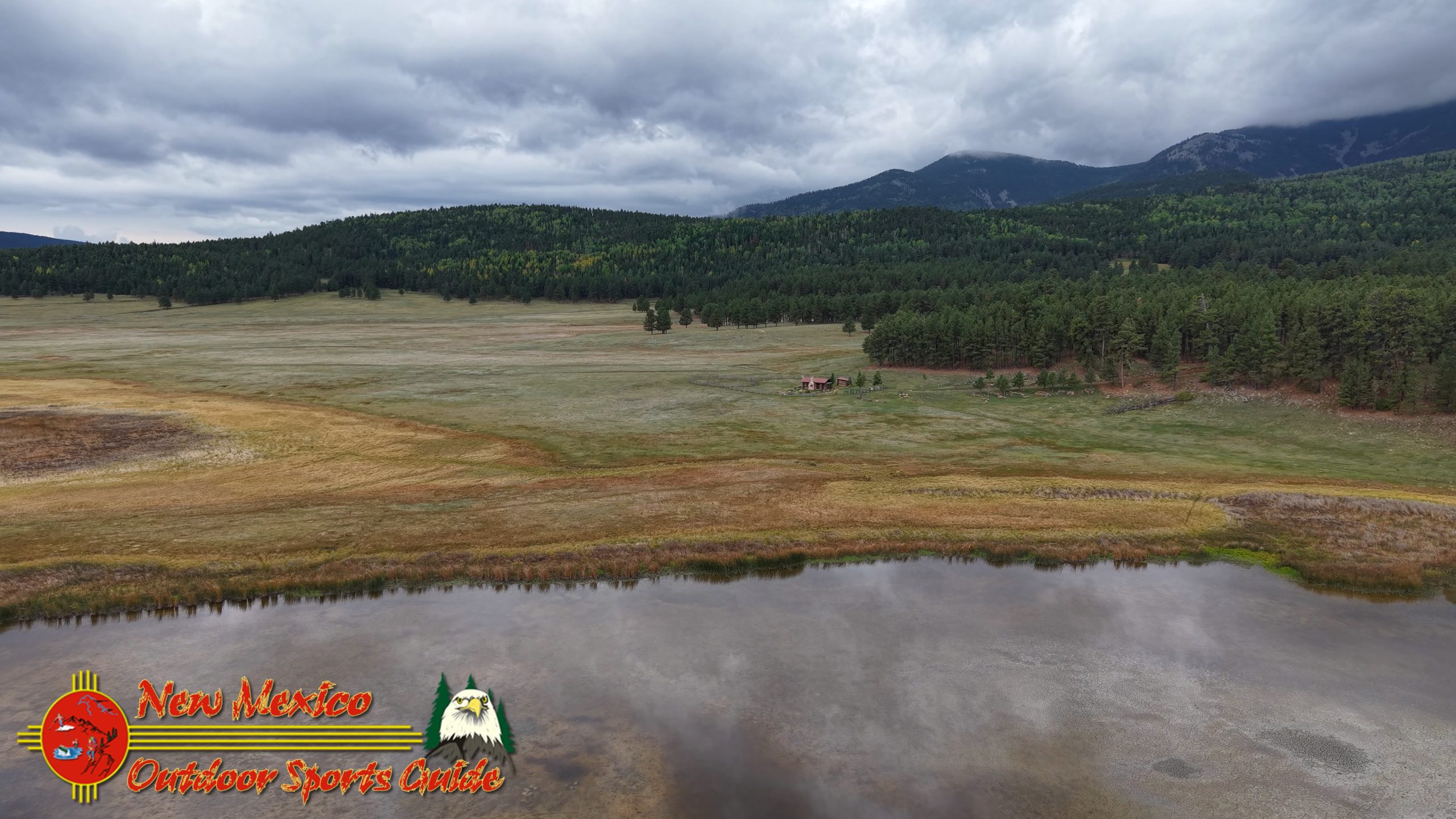
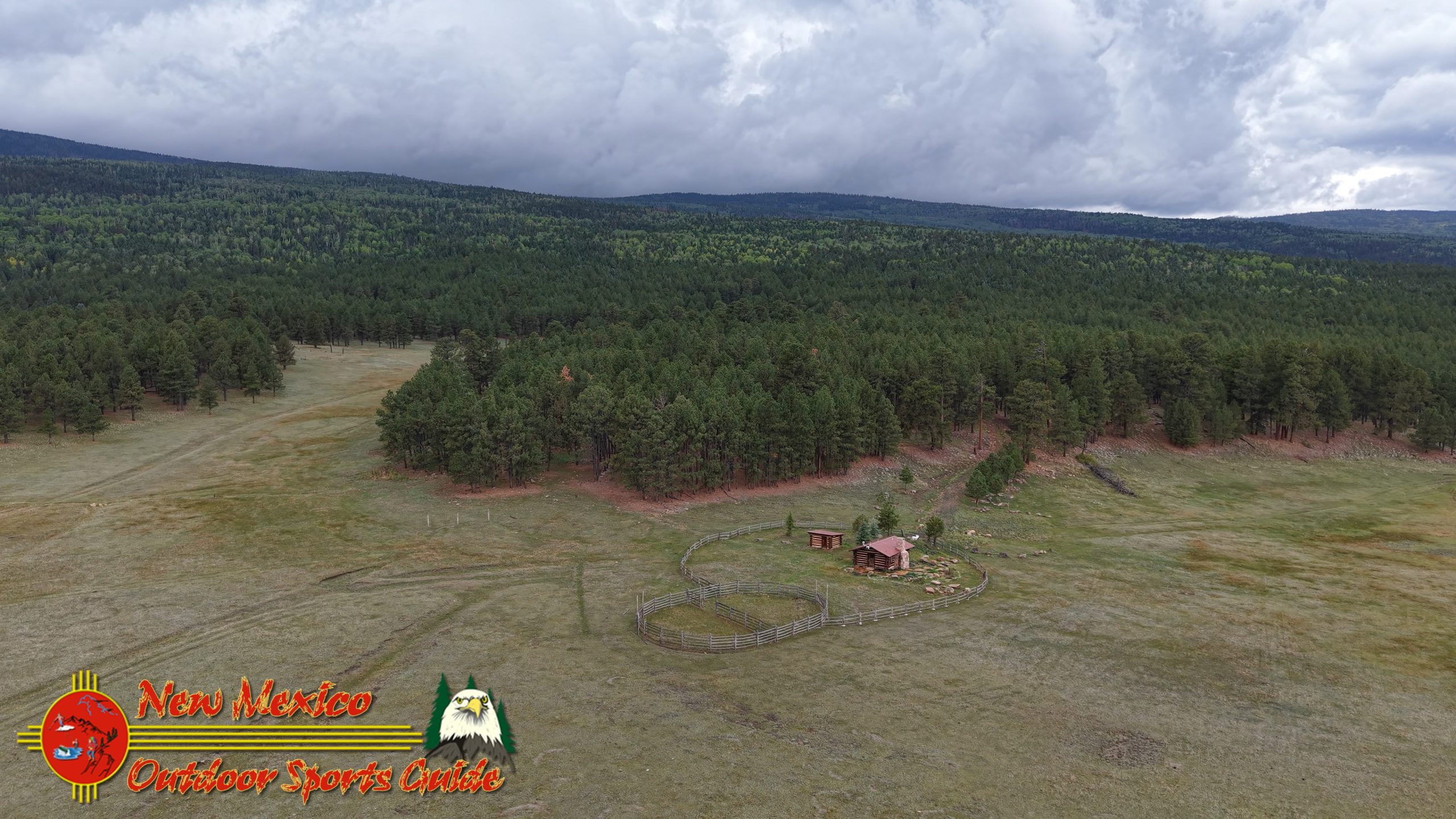
Anyone who has driven through this end of the Moreno Valley has probably noticed the picturesque structure near the western edge of the lake. It looks so perfectly placed against the water, meadow and mountains that you might accuse Hollywood of putting it there.
As it happens, Hollywood did come calling.
Black Lake, New Mexico was used as a filming location for Lonesome Dove.
The production used this country to represent Montana, and published filming-location records specifically identify Black Lake as one of the New Mexico locations used for those northern scenes. IMDb
For Paulette and me, though, Black Lake never needed Robert Duvall, Tommy Lee Jones or a herd of movie cattle to make it special.
The wildlife did a pretty good job all by itself.
Where Is Black Lake, New Mexico?
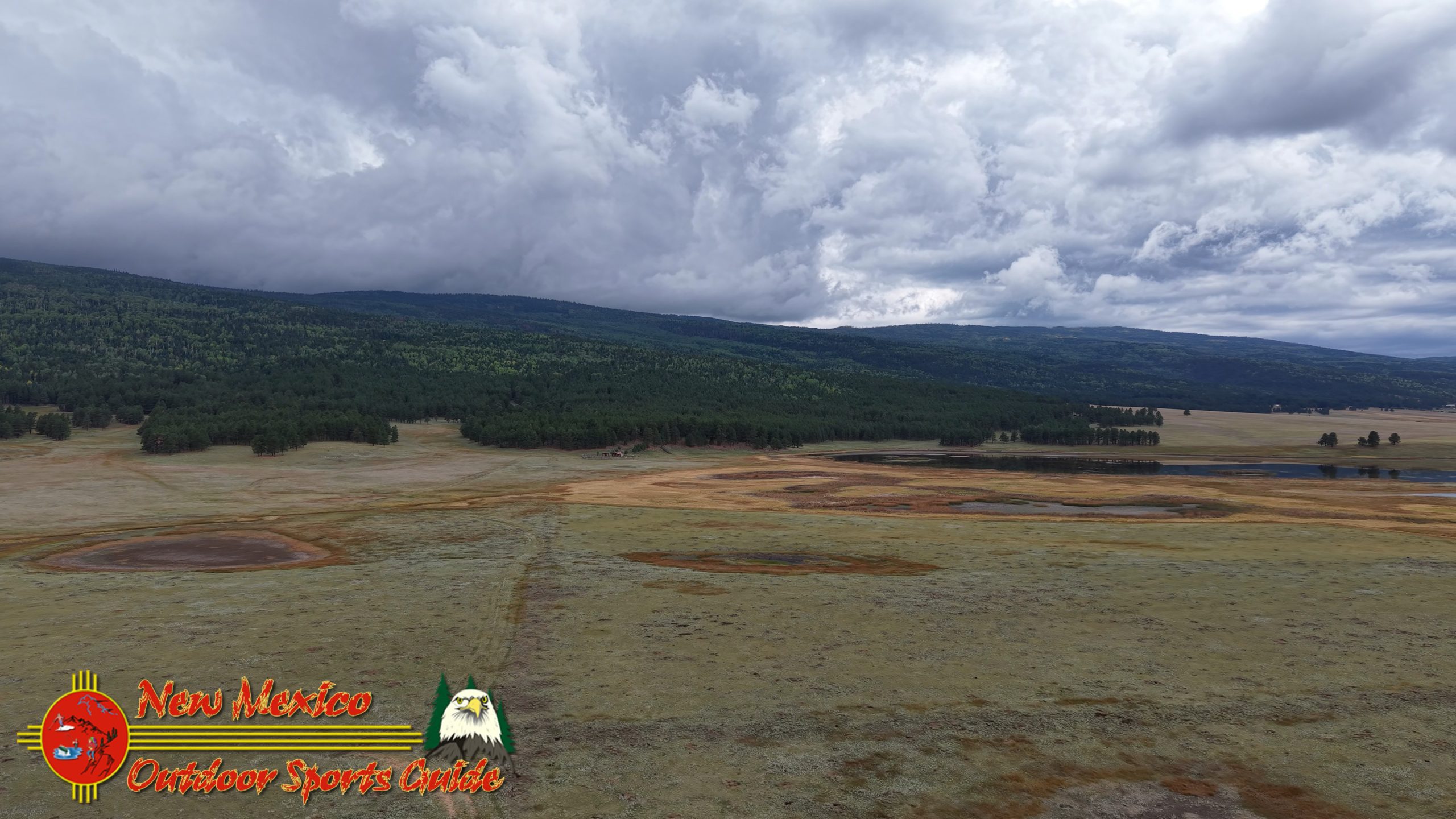
Black Lake lies at the southern end of the Moreno Valley, south of Angel Fire in northern New Mexico.
The broader Black Lake community is an unincorporated area of ranches, forest, mountain homes and private property. A regional account describes Black Lake as a heavily forested area south of Angel Fire with ranches, residences and winding mountain roads. The Paper.
That distinction is important.
When I talk about Black Lake, New Mexico, I'm talking both about the little natural lake that caught our attention and the surrounding mountain community that shares its name.
The lake occupies a particularly beautiful setting.
To the north lies Angel Fire.
Beyond that, the Moreno Valley stretches toward Eagle Nest Lake.
The Sangre de Cristo Mountains rise around the valley, with Wheeler Peak and the high country dominating the larger landscape.
For anyone unfamiliar with the Moreno Valley, my story about Eagle Nest Lake State Park and the Moreno Valley provides a good introduction to the larger country surrounding Black Lake. Eagle Nest occupies the northern part of the valley while Black Lake sits near its southern end. New Mexico Outdoor Sports
Two very different lakes.
One remarkable mountain valley.
Is Black Lake a Natural Lake?
One of the interesting differences between the two ends of the Moreno Valley is the origin of their lakes.
Eagle Nest Lake is a reservoir. Black Lake is natural.
Black Lake is much smaller, quieter and far less developed as a public recreation destination.
That's part of its character.
When you look across it, there isn't a marina full of boats or a state park campground.
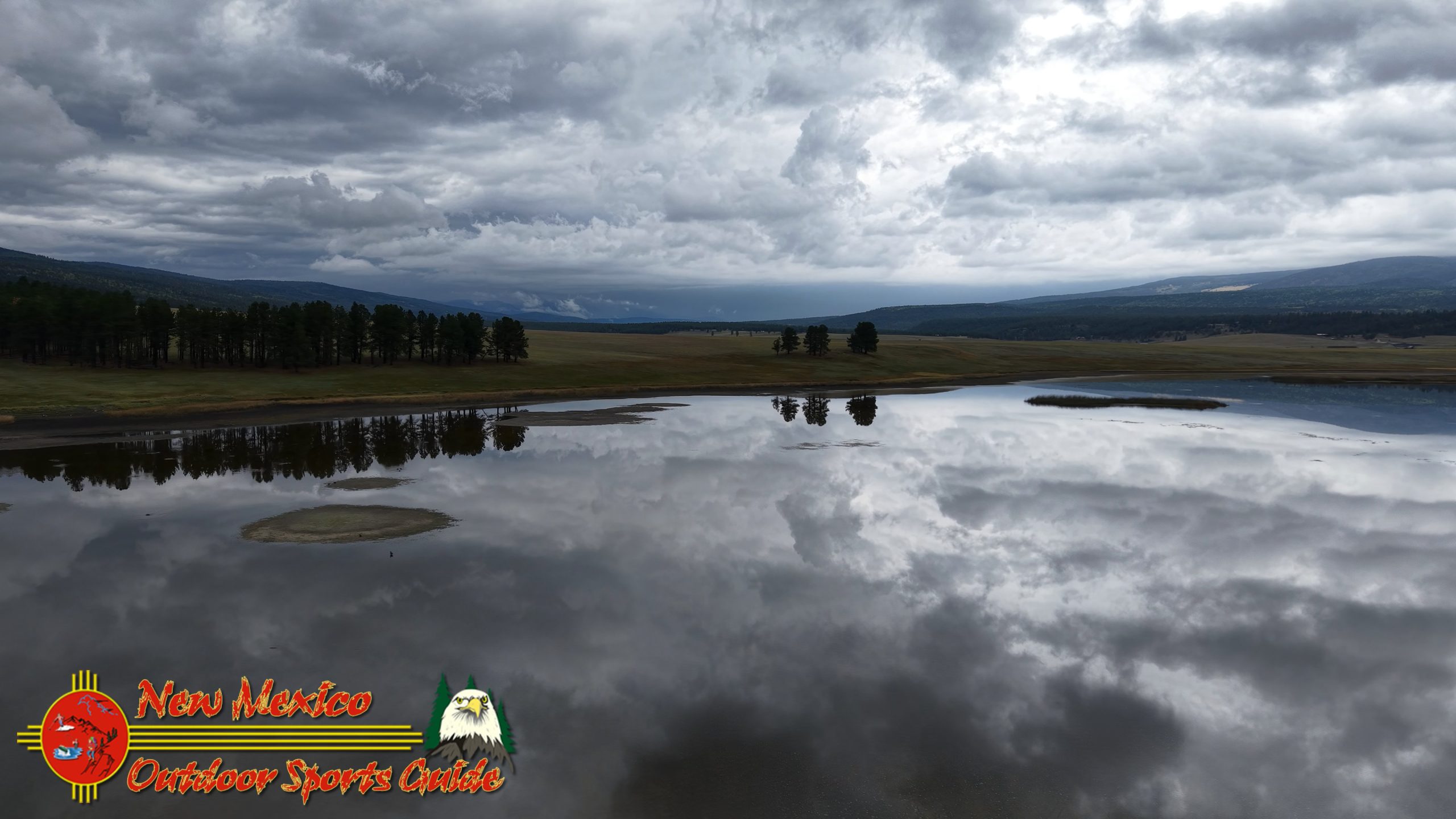
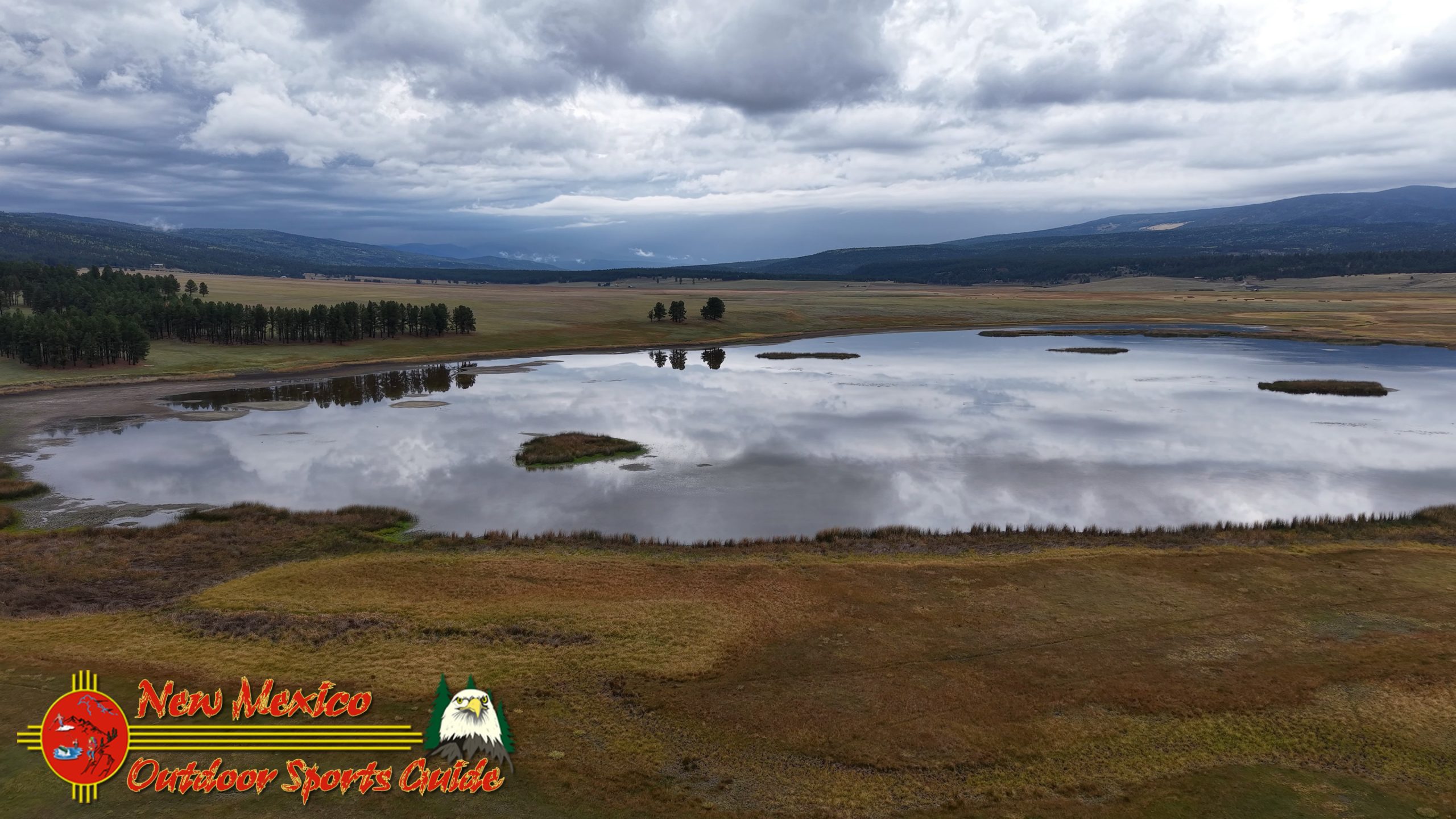
Instead you see water, wetland habitat, meadow, private ranch country and forest.
It's a little pocket of water in an enormous mountain landscape.
And where there is water in the arid Southwest, wildlife eventually comes looking for it.
That's what interested Paulette and me.
Why Did Paulette and I Keep Returning to Black Lake?
We lived with wildlife at Casa Oso.
I mean that almost literally.
Our house was in the forest above Angel Fire, and an old fire road behind the house had become a well-established wildlife trail.
Elk used it.
Mule deer used it.
Wild turkeys used it.
Black bears used it.
We had a sunroom overlooking that forest, and over seventeen years we spent countless hours watching animals pass behind the house.
Eventually you develop an instinct for places wildlife will favor.
Food.
Water.
Cover.
Open meadow.
Escape routes into timber.
Black Lake checked a lot of those boxes.
So Paulette and I incorporated it into our informal wildlife-watching circuit.
There wasn't a schedule.
There couldn't be.
Wildlife doesn't punch a time clock.
We'd drive through the area, slow down where it was safe, scan the meadows and lake margins with binoculars or long camera lenses and see what was happening.
Some days the answer was very little.
Other days the place seemed alive.
That's wildlife watching.
The empty days make the good ones better.
Why Is Black Lake Good for Waterfowl?
Water is the obvious answer.
But the combination of lake, wet meadow, marshy ground, grassland and nearby forest makes the southern Moreno Valley attractive to far more than one kind of bird.
Waterfowl use northern New Mexico's lakes, ponds and wetlands during migration as well as during the warmer season.
Depending upon season, weather and migration, a patient observer may encounter ducks and other water-associated birds around suitable Moreno Valley habitat.
Then there are raptors.
Northern New Mexico's mountain valleys support bald eagles, golden eagles, hawks and other birds of prey.
Ospreys are strongly associated with fish-bearing waters elsewhere in the Moreno Valley, particularly Eagle Nest Lake.
Black Lake's attraction for us wasn't that we could predict exactly what species would be there.
It was that something usually was.
That makes photography interesting.
You don't arrive with a shot list.
You arrive with binoculars and a camera.
The wildlife writes the shot list.
Watching Elk Around Black Lake, New Mexico
Elk belong to the Moreno Valley in a way that is difficult to describe to someone who has only driven through once.
They aren't simply animals you occasionally see.
They're part of the personality of the valley.
Paulette and I watched elk during every season at Casa Oso.
Sometimes we'd see individual animals.
Sometimes small groups.
Sometimes large herds.
Autumn was especially memorable when bulls became vocal and the rut changed the entire atmosphere of the high country.
The broad grasslands around Black Lake offer the kind of open habitat where elk can become visible, particularly around morning and evening.
You might see nothing at noon and return toward sunset to find animals scattered across a meadow that looked empty a few hours earlier.
That's one reason we learned not to rush through the southern Moreno Valley.
Slow down.
Look at the edge of the timber.
Then look again.
An elk standing in the open is easy to see.
An elk standing ten yards inside the trees can disappear remarkably well for something that large.
Black Bears Around Black Lake
Black bears are another possibility in the forested country surrounding Black Lake.
I wouldn't tell anyone that Black Lake is a place where you're guaranteed to see a bear.
There is no such place in the wild.
But bears are very much part of the Sangre de Cristo ecosystem, and Paulette and I certainly knew that from our years living among them at Casa Oso.
The key to seeing one is often simply being in the right place at the right time.
A bear may cross an opening and vanish into the timber within seconds.
That's when having a camera already set up matters.
It's also when a telephoto lens earns its keep.
I don't need to get close to a bear.
That's what long lenses are for.
Wildlife photography should document natural behavior, not alter it.
Wild Turkeys in the Southern Moreno Valley
Wild turkeys were among our favorite neighbors.
They could be wonderfully entertaining.
A flock feeding through grass or forest litter moves with a sort of casual purpose, individuals scratching, pecking and quietly communicating while the whole group slowly advances.
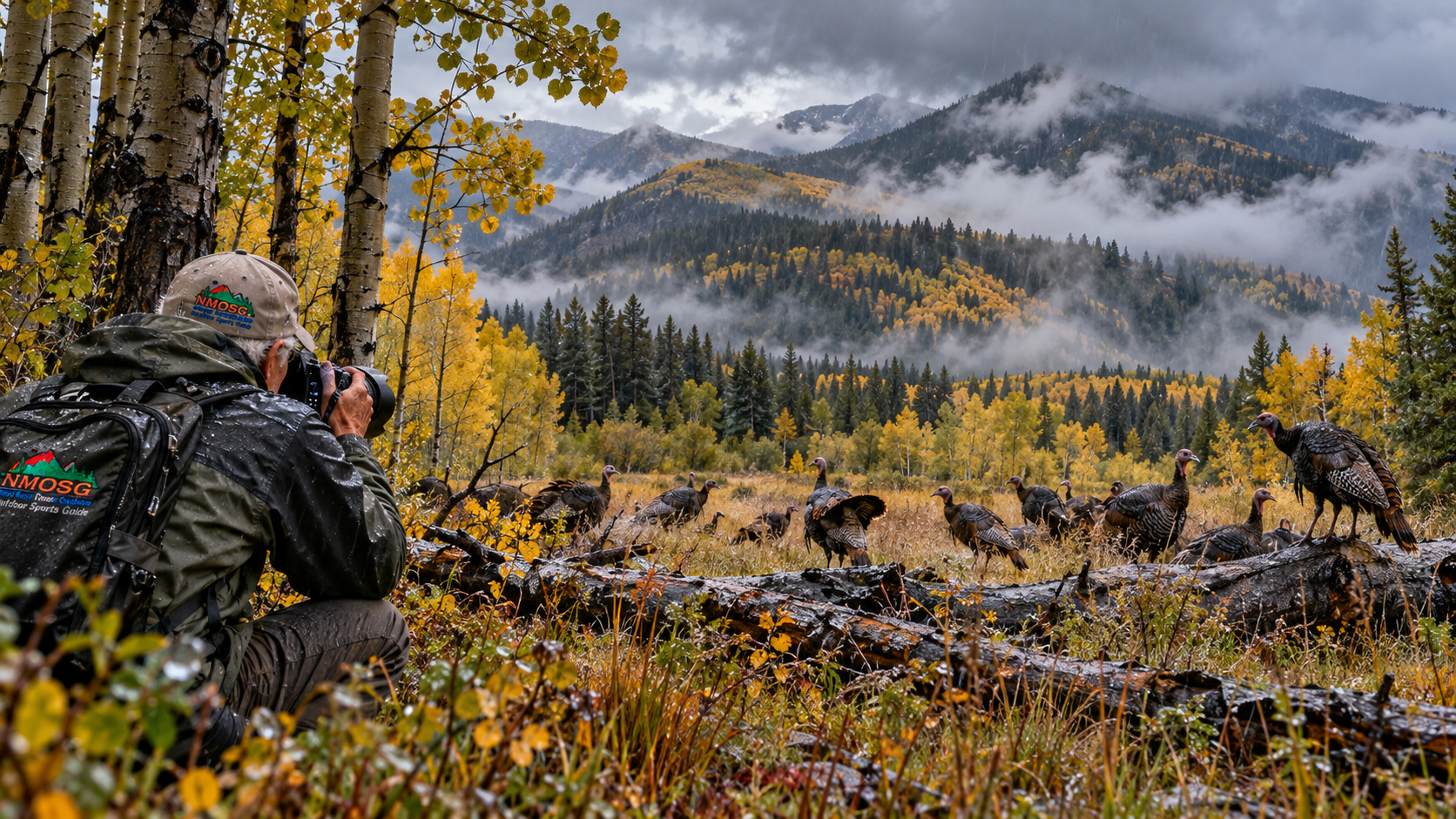
During my recent trip back to the Angel Fire country, I had one of my most memorable turkey encounters when a flock allowed me to follow at a respectful distance through a light, windless rain.
I wrote about that extraordinary afternoon in Capturing Fall Colors in Angel Fire. The encounter reminded me of everything Paulette and I learned from watching wildlife during our Casa Oso years: movement, wind, sound and patience matter enormously. New Mexico Outdoor Sports
Black Lake offered another good place to watch for those familiar birds.
Meadow.
Forest edge.
Water.
Quiet country.
Turkey country.
Why Should Black Lake Be Viewed From a Distance?
This is probably the most important practical point in this article.
Black Lake is not a public recreation lake.
The property around the lake is private.
Visitors shouldn't interpret photographs, stories about wildlife, or its connection with Lonesome Dove as an invitation to walk down to the shoreline.
Paulette and I viewed it from public roads and appropriate roadside vantage points.
That's the way I recommend enjoying it.
Use binoculars.
Use a telephoto lens.
Don't cross fences.
Don't open gates.
Don't walk down private drives looking for a better camera angle.
And certainly don't approach the cabin simply because it has a connection with a favorite Western.
Growing up around ranches taught me a simple rule that has served me pretty well for eight decades:
If the land isn't yours, don't assume the invitation.
The beauty is perfectly visible from a respectful distance.
The Cabin Beside Black Lake
Then we come to the structure that gives Black Lake a touch of cinematic mystery.
There is a cabin near the western side of the lake, and the setting is so classically Western that it almost seems too perfect.
Lake in front.
Mountain country behind.
Grasslands around it.
Big sky overhead.
It's the sort of landscape a location scout dreams about.
And that brings us to Lonesome Dove.
Was Lonesome Dove Really Filmed at Black Lake, New Mexico?
Yes.
This is one of those local stories that actually holds up when you check it.
The 1989 television miniseries Lonesome Dove was filmed during 1988, with production records at the Wittliff Collections documenting filming from March into July of that year. The surviving production archive contains call sheets, daily production reports, photographs, dailies and other original material from the production. ArchivesSpace
Published filming-location records identify both Angel Fire and Black Lake, New Mexico among the locations used for the miniseries. Black Lake is specifically identified as standing in for Montana. IMDb
That makes perfect sense when you see the country.
You have high mountain grasslands.
Aspen and conifer forest.
Water.
Long views.
Mountain ridges.
Put cattle and horses into that landscape, frame the shot carefully, and northern New Mexico can become Montana remarkably convincingly.
A published account of the making of the miniseries confirms the broader production strategy. The northern portions of the story were filmed in New Mexico, and Angel Fire pastures were used to represent Montana. dokumen.pub
What Was Lonesome Dove?
For anyone younger who somehow missed it, Lonesome Dove was the 1989 television adaptation of Larry McMurtry's Pulitzer Prize-winning Western novel.
Robert Duvall played Augustus "Gus" McCrae.
Tommy Lee Jones played Woodrow F. Call.
The story follows former Texas Rangers and their companions on an enormous cattle drive from Texas north toward Montana.
Calling it merely a cattle-drive story doesn't really do it justice.
It is about friendship.
Age.
Loyalty.
Love.
Death.
Regret.
Duty.
The changing West.
And cattle.
A tremendous number of cattle.
The production moved between Texas and New Mexico to create the long journey. The Wittliff production archive shows that filming took place during 1988, while contemporary and later accounts document the extensive use of New Mexico for northern portions of the story. ArchivesSpace
Which Lonesome Dove Scenes Were Filmed at Black Lake?
This is where I want to be careful.
Internet descriptions sometimes become increasingly specific each time one website copies another.
What I can document confidently is this:
Black Lake, New Mexico is listed as a filming location for Lonesome Dove, and it represented Montana. IMDb
A longtime northern New Mexico photographer also identifies Black Lake as a filming area and notes that the cabin associated with the production could still be seen from the road. He specifically connects the landscape with cattle-driving footage. Geraint Smith Photography
The broader production history says Angel Fire pastures represented Montana. dokumen.pub
What I haven't found in the readily accessible primary production material is a reliable scene-by-scene list tying every recognizable Black Lake view to a particular numbered scene.
So I'm not going to manufacture one.
Sometimes "this is what we know" is a better story than an embellished one.
And what we know is pretty wonderful.
That quiet little piece of the Moreno Valley became Montana for one of the most beloved Westerns ever put on television.
Why Did Black Lake Make Such a Convincing Montana?
Stand along the road and look at it.
There's your answer.
The southern Moreno Valley has scale.
That's essential in a Western.
A camera pointed across the open country doesn't immediately encounter subdivisions, shopping centers, billboards or multilane highways.
Instead, the eye travels.
Grassland.
Water.
Forest.
Mountains.
Sky.
Lots and lots of sky.
A herd of cattle moving through that landscape looks as though it might continue for another hundred miles.
The filmmakers didn't need to create grandeur.
They simply needed to point the camera toward it.
Hollywood Has Long Loved Northern New Mexico
Lonesome Dove wasn't an isolated case.
Northern New Mexico has spent generations pretending to be other places for cameras.
Its combination of high desert, mountains, forests, ranch country, historic architecture and extraordinary light makes it remarkably versatile.
For Lonesome Dove, New Mexico represented portions of the northern journey. Black Lake and Angel Fire could stand in for Montana while other New Mexico locations represented additional places along the trail. IMDb
The amusing part for those of us who lived there is that Black Lake didn't need Hollywood to make it look Western.
It already was.
Photographing Black Lake, New Mexico
Black Lake can be a wonderful landscape-photography subject precisely because you cannot wander all over it.
Restriction sometimes improves photography.
It makes you work with what the landscape gives you.
A longer focal length can compress the lake, cabin and mountains into a single composition.
A wider view emphasizes the enormous scale of the Moreno Valley.
Morning light can be particularly attractive when the air is calm and the water carries reflections.
Late-afternoon light can warm the grasslands and illuminate the mountain slopes.
Storms are another matter entirely.
Anyone who has spent summers in the Moreno Valley knows what thunderstorms can do to this landscape.
A blue morning can turn charcoal gray.
Sunlight can break beneath a storm cell and illuminate one strip of meadow while everything behind it goes dark.
Rain shafts descend from the mountains.
Sometimes a rainbow appears.
For a photographer, it's hard to drive away.
For a photographer holding a metal tripod while lightning is nearby, it's a very good time to discover some common sense.
The Four Seasons at Black Lake
Spring
Spring arrives reluctantly at this elevation.
Snow can remain in the surrounding mountains while the valley floor begins opening.
Waterfowl movement increases.
Meadows slowly green.
Weather can alternate between beautiful sunshine and a reminder that winter hasn't signed the surrender papers yet.
Summer
Summer is when Paulette and I spent the most time exploring the Moreno Valley.
Black Lake becomes green and alive.
Wildlife activity is strong.
Summer thunderstorms create dramatic photography.
Morning and evening are particularly rewarding for watching elk and other animals.
A summer day here can also be combined with a visit farther north to Angel Fire Resort and the surrounding mountain country. New Mexico Outdoor Sports
Fall
Fall might be my favorite.
Aspens turn yellow.
Grasslands become tawny.
Elk enter the rut.
Wildlife activity seems to become more visible.
Morning frost appears.
And that New Mexico autumn light acquires a clarity that photographers chase year after year.
Black Lake, with water, meadow and mountains all in the same frame, becomes a natural stage for autumn.
Winter
Winter simplifies everything.
Snow covers the meadow.
The mountains become white.
Open water may freeze.
Wildlife still moves through the valley, but the entire landscape becomes quieter.
Black Lake in winter can look less like New Mexico than someplace hundreds of miles farther north.
Perhaps the Lonesome Dove location scouts noticed the same thing.
Black Lake and the Larger Moreno Valley
One reason I enjoy writing about Black Lake is that it completes the Moreno Valley geographically.
At the north end you have Eagle Nest Lake.
To the south you have Angel Fire.
Continue farther south and you reach Black Lake.
Beyond that, roads lead toward Mora and the high country gradually gives way to another part of northern New Mexico.
Each section has a different personality.
Eagle Nest Lake is broad and open.
Angel Fire is tucked against the mountains.
Black Lake feels quieter and more pastoral.
For those interested in exploring the northern end as well, my guide to drivable New Mexico alpine lakes includes Eagle Nest and other high-country waters worth visiting. New Mexico Outdoor Sports
And just beyond Eagle Nest lies another landscape Paulette and I visited repeatedly, which I recently revisited in my story about Cimarron Canyon State Park and the Cimarron River. New Mexico Outdoor Sports
Black Lake, Eagle Nest, Angel Fire and Cimarron Canyon aren't isolated destinations in my memory.
They're pieces of the same home country.
When Black Lake Was Just Part of an Ordinary Day
That's probably what I remember most.
We didn't wake up at Casa Oso and announce:
"Today we're undertaking an expedition to Black Lake!"
That would have sounded ridiculous.
We just went.
Maybe we were headed toward Mora.
Maybe we wanted to see if elk were moving.
Maybe Paulette had her camera.
Maybe I had mine.
Probably both.
We'd drive south through Angel Fire toward the lower end of the Moreno Valley and eventually that familiar little lake would come into view.
Then we'd look.
Any ducks?
Elk in the meadow?
Turkeys?
Anything moving near the timber?
Bear?
Sometimes we'd stop where it was legal and safe to do so and use binoculars.
Sometimes we'd continue on.
It was ordinary.
We've talked recently about how many of those ordinary days became the beautifully memorable ones.
Black Lake belongs to that collection.
A Lake Best Appreciated Without Touching It
There is something else I appreciate about Black Lake now.
We didn't need access to possess a memory of it.
That's an important distinction.
Outdoor recreation sometimes encourages the idea that every beautiful place must be entered.
Climbed.
Hiked.
Paddled.
Fished.
Checked off a list.
Black Lake reminds me that sometimes looking is enough.
The lake is private.
The surrounding property deserves respect.
So enjoy the view from the public road.
Bring binoculars.
Bring a long lens.
Watch the waterfowl.
Scan for elk.
Look toward the timber for a bear.
Listen for turkeys.
Imagine a 1988 film crew somewhere out there turning northern New Mexico into Montana.
Then leave everything exactly as you found it.
There are worse ways to spend half an hour.
Black Lake, New Mexico and the Landscape of Memory
When Paulette and I moved away from Casa Oso in 2017, we didn't leave these places behind completely.
That's something I understand better now than I did then.
A landscape you've lived with long enough becomes part of your internal geography.
I can close my eyes and travel the Moreno Valley.
Eagle Nest Lake at the north.
Bobcat Pass climbing toward Red River.
Wheeler Peak standing over everything.
Angel Fire in the middle.
The road south.
Black Lake.
The turn toward Mora.
I know how the valley looks beneath summer thunderstorms.
I know the first yellow of autumn aspens.
I know what elk look like crossing those meadows in the fading light.
I know how quickly a black bear can disappear into dark timber.
I know the sound of wild turkeys moving through wet grass.
And I remember that little lake at the southern end.
Lonesome Dove Saw Montana. We Saw Home.
I suppose that's my favorite part of the Black Lake story.
Hollywood came to the Moreno Valley and saw Montana.
The location scouts saw a landscape capable of representing the distant northern end of an epic cattle drive.
The director saw camera angles.
The cinematographer saw light.
The production designer saw possibilities.
Millions of viewers eventually saw Gus and Call's long journey toward Montana.
Paulette and I saw something else.
We saw home.
We saw the little lake where we'd look for waterfowl.
We saw meadows where elk might appear.
We saw forest that could hide a black bear until the instant it stepped into the open.
We saw country where wild turkeys belonged.
We saw another beautiful corner of the Moreno Valley that we were fortunate enough to have practically in our backyard for seventeen years.
And maybe that's why Black Lake, New Mexico remains special to me.
Not because a famous television Western was filmed there.
That's a wonderful piece of history, and I'll admit that knowing Lonesome Dove used the place adds a little extra seasoning to the story.
But Black Lake didn't need Hollywood.
It already had water.
Mountains.
Wildlife.
Weather.
Silence.
And the Moreno Valley.
That's quite a cast.
Robert Duvall and Tommy Lee Jones were simply visiting.
We were lucky enough to call the neighborhood home.
0 Comments