
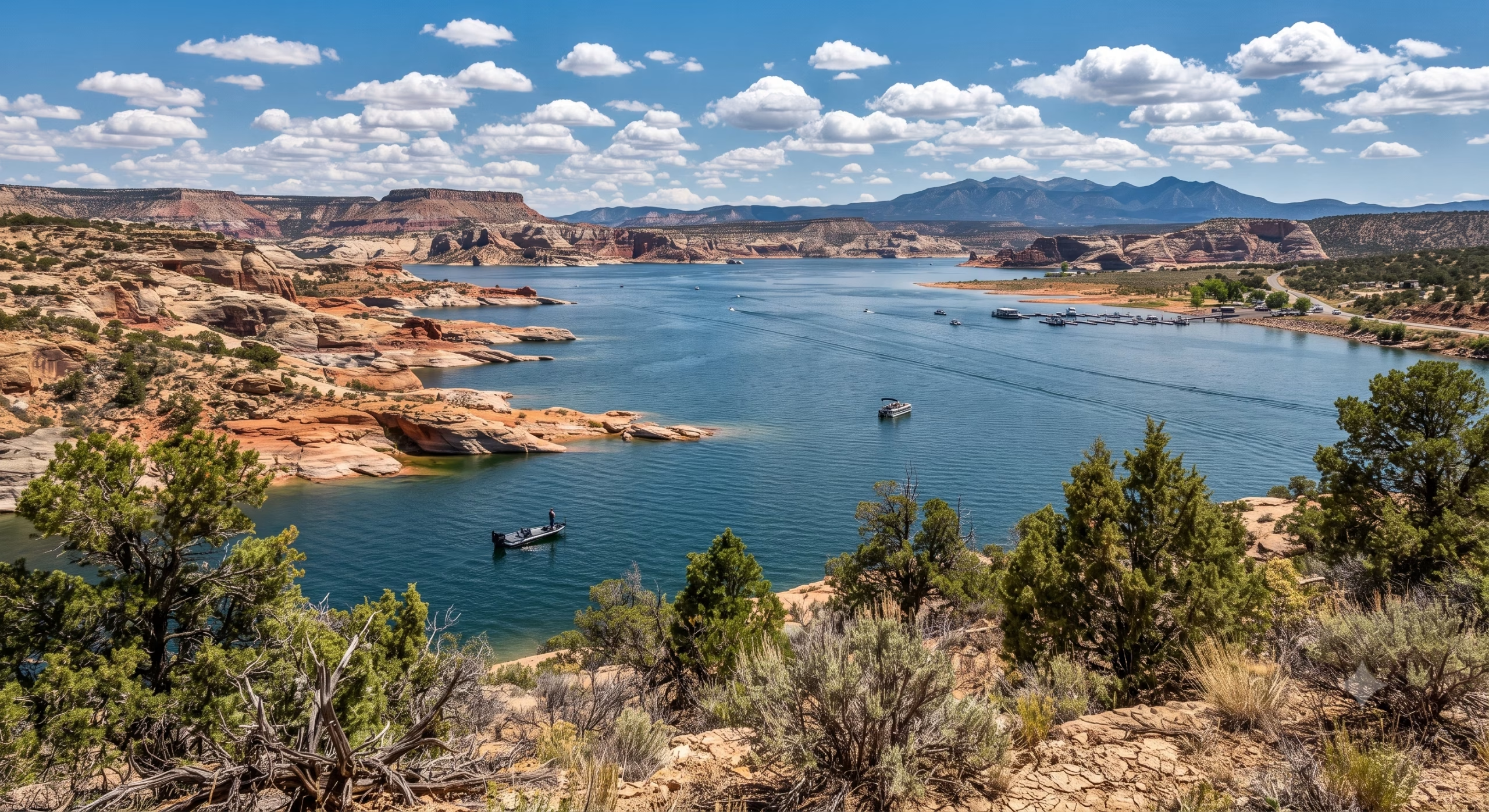
There is a specific kind of magic that settles over you when you crest the final rise of the high-desert plateau and catch your first glimpse of Navajo Lake State Park. In a state defined by sun-baked mesas, rolling sagebrush, and winding arroyos, finding a shimmering, 15,600-acre alpine-fed reservoir stretching out toward the horizon feels almost like a mirage. But it’s no illusion—it’s New Mexico’s second-largest lake, cradled by the rugged canyons of the San Juan River basin, and it stands as one of the ultimate crown jewels of our Land of Enchantment.
For those of us who measure our lives by the dirt on our boots, the hum of an outboard motor, and the delicate weight of a bent fishing rod, Navajo Lake is a playground without equal. Whether you are trailering a bass boat down to the water at dawn, setting up camp under a canopy of piñon and juniper, or watching the morning mist burn off the glassy surface of the reservoir, this place gets under your skin.
Grab your favorite spinning gear, check your tackle box, and settle in. We’re taking a deep, unhurried dive into everything you need to know to make your next escape to Navajo Lake State Park unforgettable.
The Waters and Major Rivers: Where the High Country Meets the Reservoir
Navajo Lake was born out of engineering and raw natural beauty when the Navajo Dam was completed on the San Juan River in 1962. Impounding the waters of the San Juan River, along with major northern tributaries like the Piedra River and the Los Pinos River (which extend north across the border into Colorado), the reservoir snakes through approximately 150 miles of breathtaking, convoluted shoreline.
What makes Navajo unique is its dual personality:
- The Reservoir: A massive, deep-water oceanic playground that drops over 300 feet near the dam. It offers wide-open bays, steep canyon walls, submerged timber, and rocky points that create ideal holding cover for a diverse warm- and cool-water fishery.
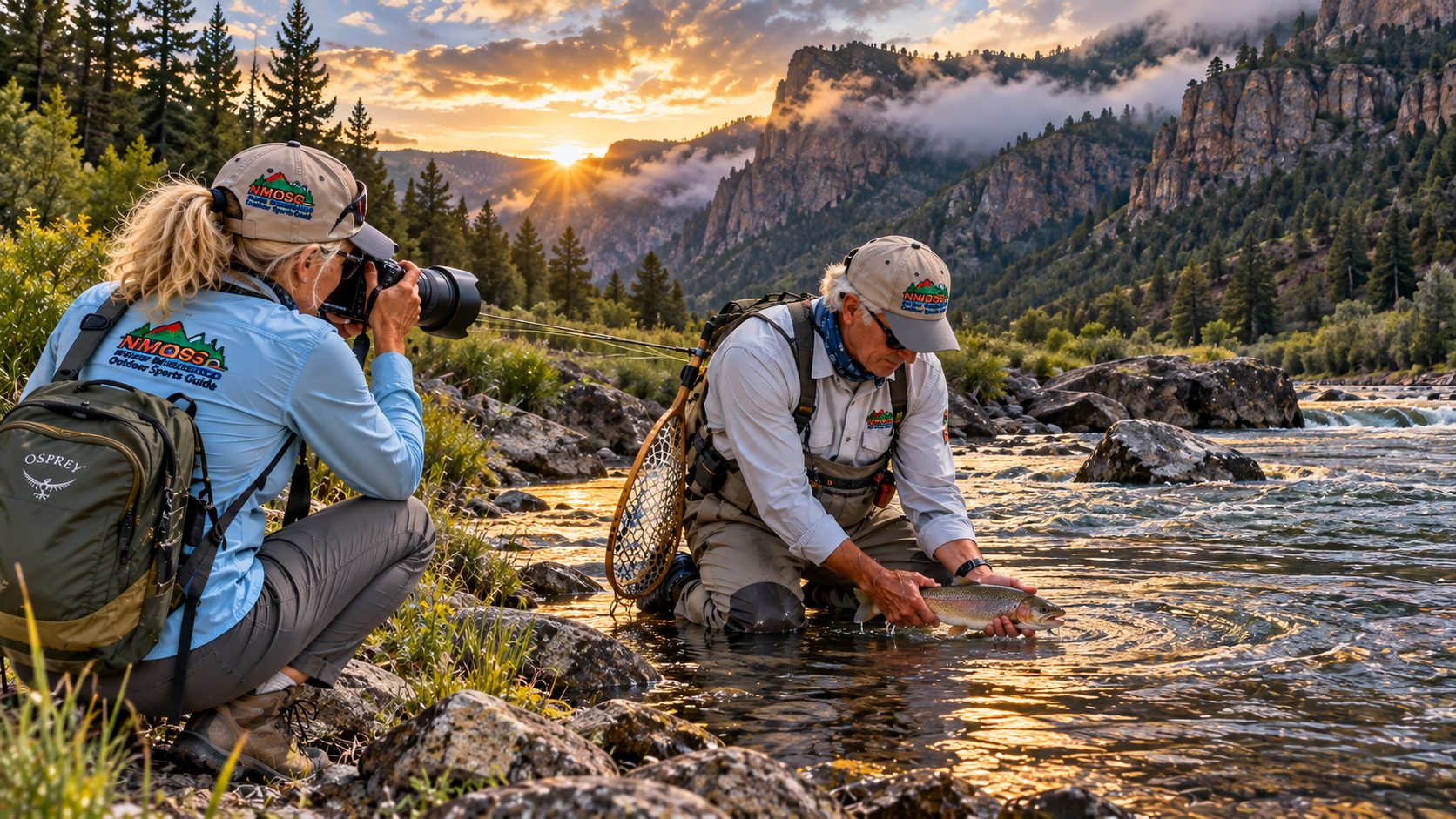
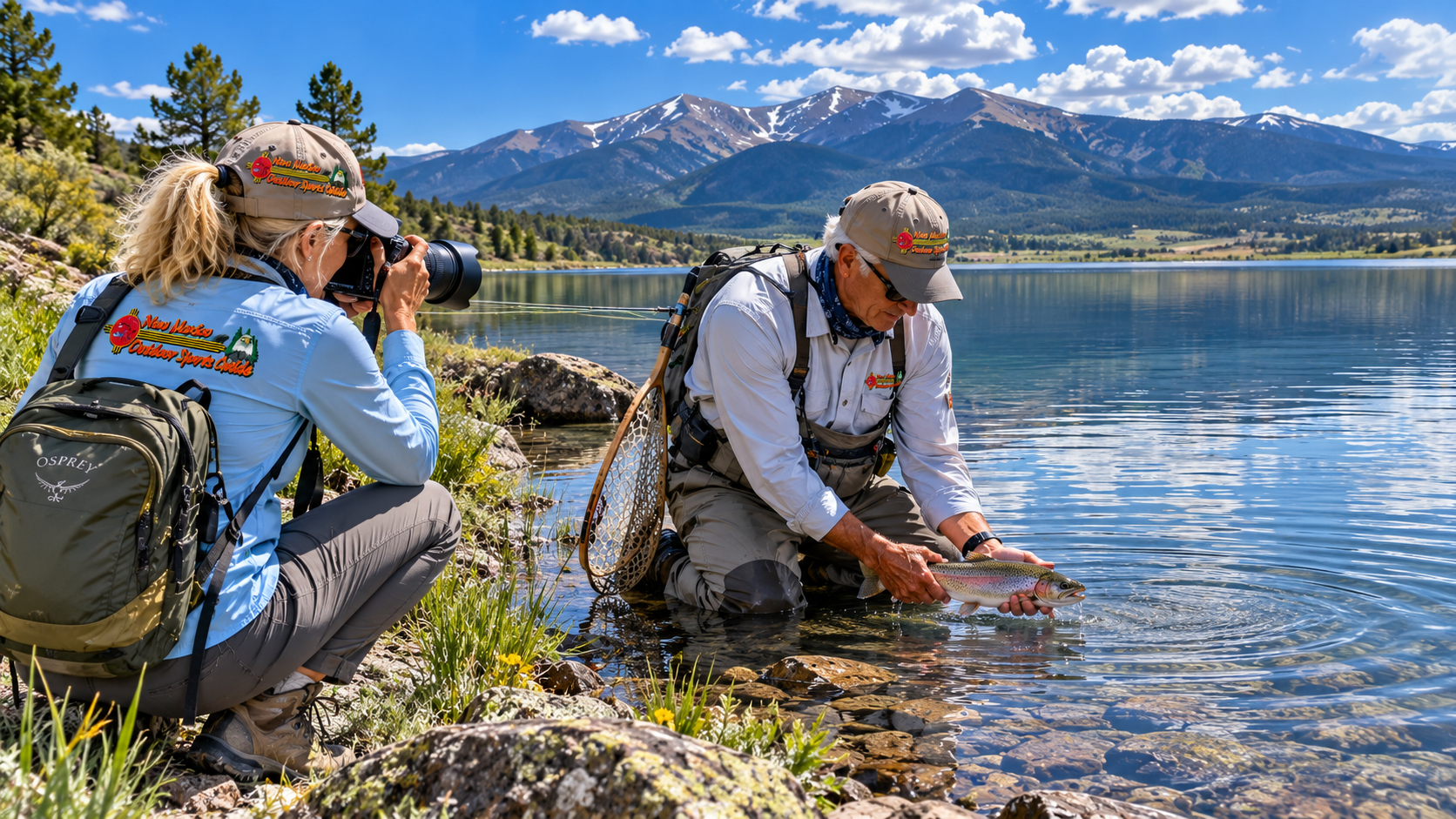
- The Tailwater: Just below the dam lies a completely different universe—the legendary San Juan River "Quality Waters." While the state park governs the massive lake recreation above, the tailwater below pumps out world-class trout fishing that draws anglers from across the globe.
Fishing Frontiers: Species, Tactics, and Gear
If you love variety, Navajo Lake State Park is your personal utopia. You can target feisty smallmouth bass along a rocky bluff in the morning, chase walleye in the deeper trenches by midday, and switch over to trout or kokanee salmon before the sun dips behind the western mesas.
1. Largemouth and Smallmouth Bass Fishing
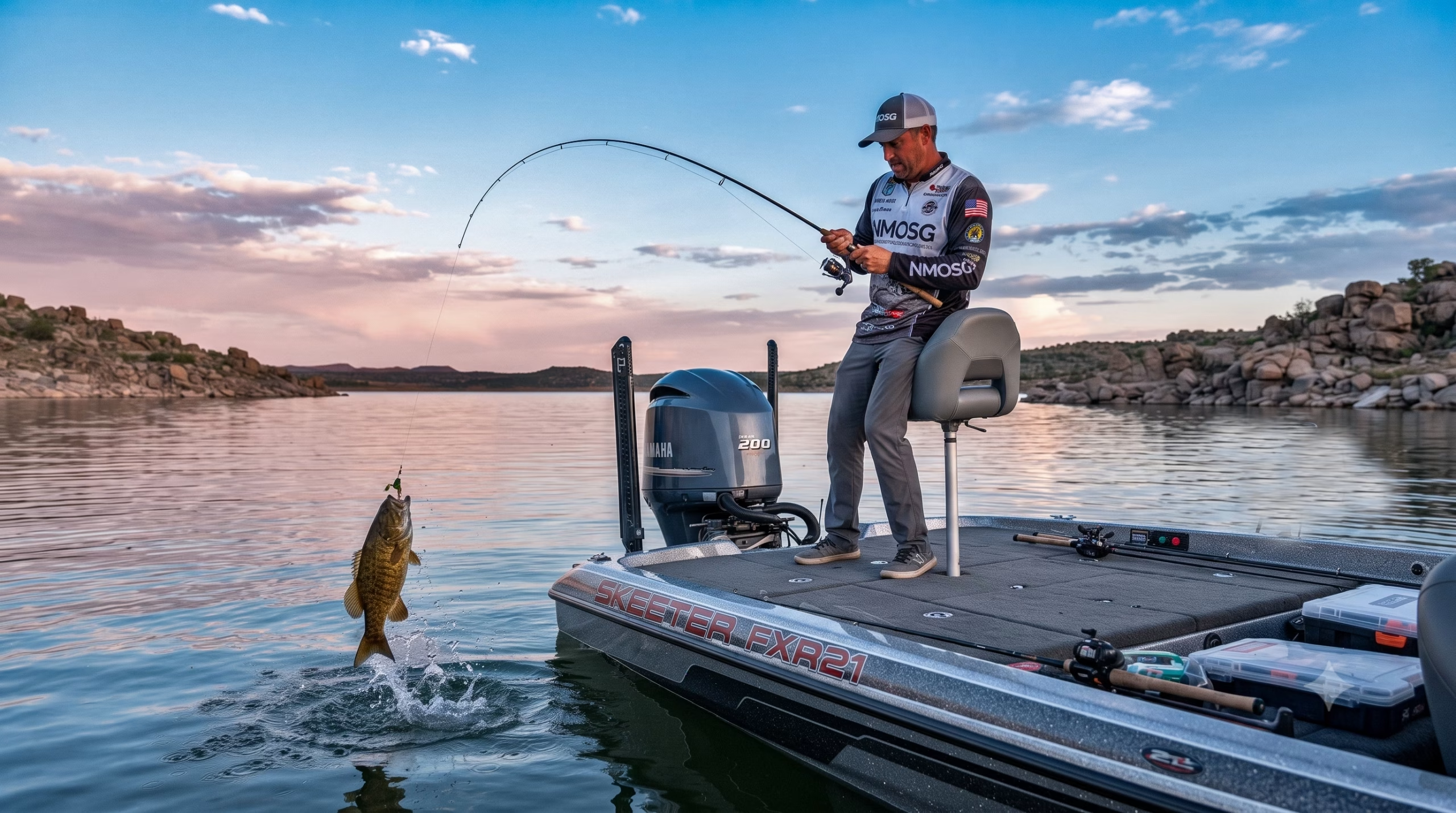
Smallmouth bass are the undisputed kings of the rocky structure here. They love the steep sandstone ledges, rocky points, and submerged boulder fields found throughout the Pine and Sims Mesa areas. Largemouth bass, meanwhile, tend to haunt the warmer, brushier coves and weed beds, especially up toward the river inlets when water levels permit.
- The Gear: Medium-action spinning rods (6.5 to 7 feet) paired with smooth spinning reels loaded with 8- to 10-pound fluorocarbon line.
- The Baits & Lures: Drop-shot rigs with finesse plastic worms (green pumpkin or watermelon red), tube jigs hopped along the rocky bottom, crankbaits that mimic shad, and topwater poppers worked around submerged timber during low-light hours.
2. Walleye and Perch
Navajo holds a healthy population of walleye, though they can require a bit of patience and local knowledge to pin down. They suspend along deep drop-offs, submerged ridges, and old river channels.
- The Gear: Medium-heavy spinning setups with sensitive tips.
- The Baits & Lures: Bottom-bouncing rigs tipped with nightcrawlers, live minnows, or bright-colored grub jigs worked slowly along the bottom contours in 20 to 40 feet of water.
3. Trout and Kokanee Salmon
Rainbow trout and brown trout cruise the cooler stretches of the lake, particularly near the river inflows and during the spring and fall shoulder seasons. Kokanee salmon are also stocked and pursued heavily by trollers during specific seasonal windows.
- The Gear: Lighter spinning rods or trolling setups.
- The Baits & Lures: Small inline spinners (like Rooster Tails in silver or gold), Kastmaster spoons, or trolling rigs outfitted with flashers and wedding rings tipped with corn or salmon eggs.
Productive Water Temperatures and the Best Time of Day
- Water Temperatures: Bass become actively aggressive when water temperatures hit the 55°F to 68°F range (typically late spring through early summer, and again in the golden weeks of autumn). Walleye prefer cooler ranges between 45°F and 55°F for spawning runs and active feeding.
- Best Time of Day: High-desert sun can be fierce during peak summer afternoons, making early morning (from first light until 10:00 AM) and late evening (two hours before sunset until dark) the absolute gold standard. Low-light conditions bring fish out of the deep structure and up onto the shelves to feed.
Lake Records and Size Expectations
Navajo Lake has a well-earned reputation for producing trophy-class fish. While state records fluctuate over the years, anglers regularly pull out smallmouth bass pushing past the 4- to 5-pound mark, largemouths touching historical lake highs near double digits, and hefty walleye and northern pike that will test every ounce of your tackle.
Public Access Areas & Marinas
Because Navajo Lake spans such an enormous geographic footprint split across distinct units, knowing your access points is essential:
- Pine Site (South Shore / New Mexico Side): This is the bustling heart of Navajo Lake State Park on the New Mexico side. It features a full-service marina, boat ramps, the marina store, the Brue Cafe, and multiple developed camping loops.
- Sims Mesa Site (North Shore / New Mexico Side): Located across the water opposite the main marina area, Sims Mesa offers a quieter, highly scenic boat ramp, picnic spots, and a dedicated campground with sweeping views of the water.
- San Juan River Access (Below the Dam): For anglers looking to transition from lake spinning to river fly-fishing, the public access areas along the San Juan River tailwater (including Texas Hole and Hammond Tract) provide incredible walk-wade access.
- Colorado Sections (Carracas, Tiffany, and Rosa): Further north where the reservoir crosses into Colorado (managed via Navajo State Park), these remote access areas offer primitive boat ramps, quiet coves, and campgrounds like Carracas Point.
Camping Under the Desert Stars
If you want to fully immerse yourself in the rhythm of the high desert, staying overnight in the park is a must. Navajo Lake offers exceptional developed camping facilities divided into distinct loops:
- Pine & Juniper Loops: Situated right up the hill from the main marina. These sites offer paved spurs, picnic tables, fire grates, and convenient access to restrooms and drinking water.
- Sims Mesa Campground: A fantastic alternative if you prefer a slightly more spaced-out, panoramic vantage point overlooking the water. Open seasonally, it’s a favorite among dedicated boaters and anglers.
- Amenities: Modern vault toilets, drinking water hydrants during peak seasons, trash disposal, and easy boat ramp access.
Note on Fire Safety: Always check current fire restrictions before lighting a campfire, as dry high-desert conditions frequently prompt seasonal restrictions across northern New Mexico.
Weather and Seasons
Northern New Mexico weather is famously dynamic, and Navajo Lake is no exception:
- Spring (April – May): Crisp, breezy days with warming water temperatures. Wildflowers begin blooming along the arroyos, and the bass fishing turns red-hot as fish move shallow. Be prepared for sudden spring wind gusts sweeping across the open water.
- Summer (June – August): Hot, sun-drenched days with highs regularly reaching the 85°F to 95°F range. Afternoons can bring localized monsoon clouds and sudden summer thunderstorms. Sunscreen, wide-brimmed hats, and plenty of hydration are non-negotiable.
- Fall (September – November): Widely considered by locals to be the absolute best time of year. Daytime temperatures drop into the comfortable 60s and 70s, the water cools into prime feeding ranges for bass and trout, and the surrounding cottonwoods turn a brilliant, fiery gold.
- Winter (December – March): Cold, crisp, and peaceful. Snow is possible, though rarely stays long at this elevation. Angling pressure drops to nearly zero, offering solitude for hardy anglers willing to brave the chill.
Getting There: Routes and Driving Distances
Navajo Lake State Park is remarkably accessible from New Mexico’s major hubs, making it an easy weekend destination or an extended road-trip stop.
From Albuquerque, New Mexico
- Distance: Approximately 200 miles northwest.
- Driving Time: Roughly 3 hours.
- Route: Head north out of Albuquerque on US-550 North through Bernalillo, Cuba, and San Ysidro across the high-desert plateau toward Bloomfield. From Bloomfield, take US-64 East toward Navajo Dam, then turn north onto NM-511 which leads directly to the park entrance and marina.
From Santa Fe, New Mexico
- Distance: Approximately 150 miles northwest.
- Driving Time: Roughly 2 hours and 45 minutes.
- Route: Take US-84/285 North out of Santa Fe through Pojoaque and Española. In Española, stay on US-84 North toward Abiquiu, then take US-64 West over scenic mountain passes past Dulce and El Vado, continuing west straight to Navajo Dam and NM-511 North.
From Taos / Chama, New Mexico
- Distance from Chama: Approximately 65 miles west.
- Driving Time: Roughly 1 hour and 15 minutes.
- Route from Chama: Head west on US-64 West straight down through Dulce and right past the Jicarilla Apache Nation lands directly to Navajo Dam. (From Taos, add the scenic mountain climb up US-64 West over Tres Piedras and Tierra Amarilla toward Chama, totaling about 2.5 hours).
Local Lodging & Contact Information
If you prefer four walls and a soft mattress over a sleeping bag and tent canvas, the surrounding area offers comfortable accommodations just minutes from the water and the river.
Navajo Lake State Park & Marina (Official Contacts)
- Address: 36 Road 4110 #1, Navajo Dam, NM 87419 (Marina address: #42 CR 4110)
- Phone (Park Office): (505) 632-2278 or toll-free at (877) 664-7787
- Phone (Marina Store / Boat Rentals): (505) 632-3245 or (800) 582-5687
- Email: marina@navajomarina.com
- Website: navajomarina.com | New Mexico EMNRD State Parks
Nearby Lodging Options in the Navajo Dam / Bloomfield Area
- Abiquiu Lake / Surrounding Lodge Cabins (For scenic road trippers)
- Note: For travelers coming across US-64 through Abiquiu, local outfitters and riverside cabins provide exceptional staging points.
- Local River Lodges & B&Bs (San Juan River Valley)
- Numerous boutique fishing lodges dot the banks of the San Juan River immediately below the dam, offering fully equipped kitchens, guide services, and fly shops on-site. Contact the Farmington Convention and Visitors Bureau at farmingtonnm.org for detailed current listings, addresses, and direct booking contacts.
Cast Your Line Into the High Desert
Navajo Lake State Park is a rare sanctuary where the scale of the American West meets the serenity of deep, clear water. It challenges you with its vastness, rewards you with aggressive smallmouth fights and stunning sunsets, and offers a soul-cleansing escape from the hustle and bustle of modern life.
Whether you’re planning a family pontoon boat excursion in July, a dedicated bass-fishing blitz in October, or a quiet autumn weekend under the stars, Navajo Lake is always waiting.
So check your tackle, pack your spinning rods, map your route through the high desert, and get on out there. The water is calling, and an unforgettable New Mexico outdoor story is waiting to be written!
```
0 Comments