
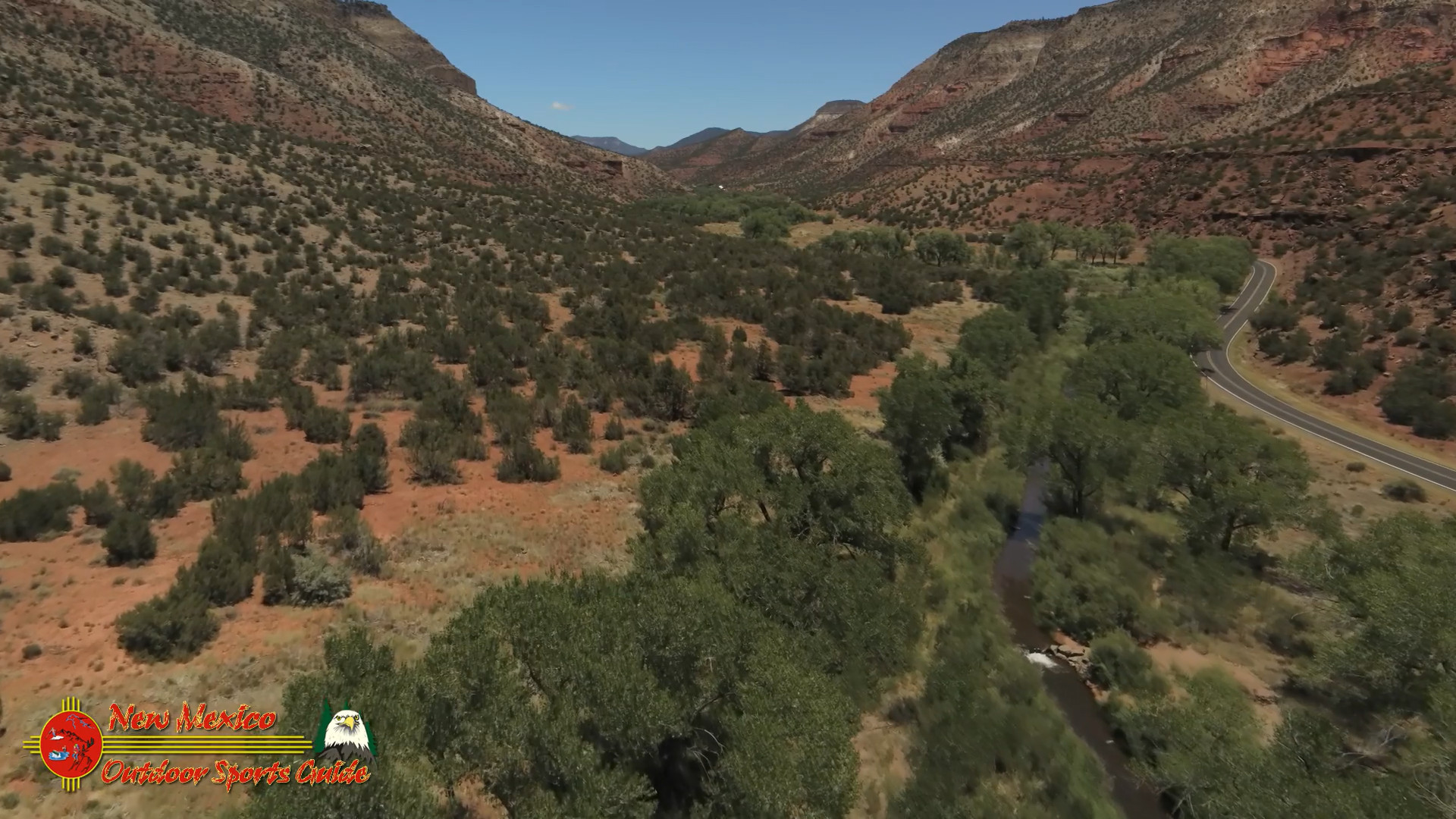
There is a point along New Mexico Highway 4 where the canyon walls seem to catch fire. As you drive north through the San Diego Canyon, the towering mesas of the Jemez Mountains transition into a vibrant, blood-orange red that contrasts sharply against the deep turquoise of a New Mexico sky. In the center of this geologic drama sits Vista Linda, a destination that lives up to its name—the "Beautiful View."
For the outdoor enthusiast, Vista Linda isn’t just a scenic turnout; it is a gateway. It is a place where you can wake up in a frost-covered tent, walk twenty yards to the riverbank, and cast a line into a pool that has been carved out by mountain runoff for millennia. If you are searching for the ultimate Jemez River Trout Fishing Public Access, Vista Linda offers a seamless blend of overnight adventure and high-desert angling.
The Lifeblood of the Canyon: Understanding the Jemez River
To fish Vista Linda successfully, you have to respect the journey the water takes to get here. The Jemez River is more than just a stream; it is a complex drainage system that carries the history of the Valles Caldera and the Santa Fe National Forest in every ripple.
The Birth of the River
The Jemez is formed by the confluence of two primary mountain arteries:
-
The East Fork Jemez River: Stretching about 22 miles, the East Fork is a designated National Wild and Scenic River. It begins as a technical, meandering ribbon in the high meadows of the Valles Caldera.
-
San Antonio Creek: The longest headwater tributary, San Antonio Creek adds significant length and volume to the system.
-
The Main Stem: When these two meet, they form the main stem of the Jemez River, which travels roughly 50 miles through the canyon.
The Reach at Vista Linda
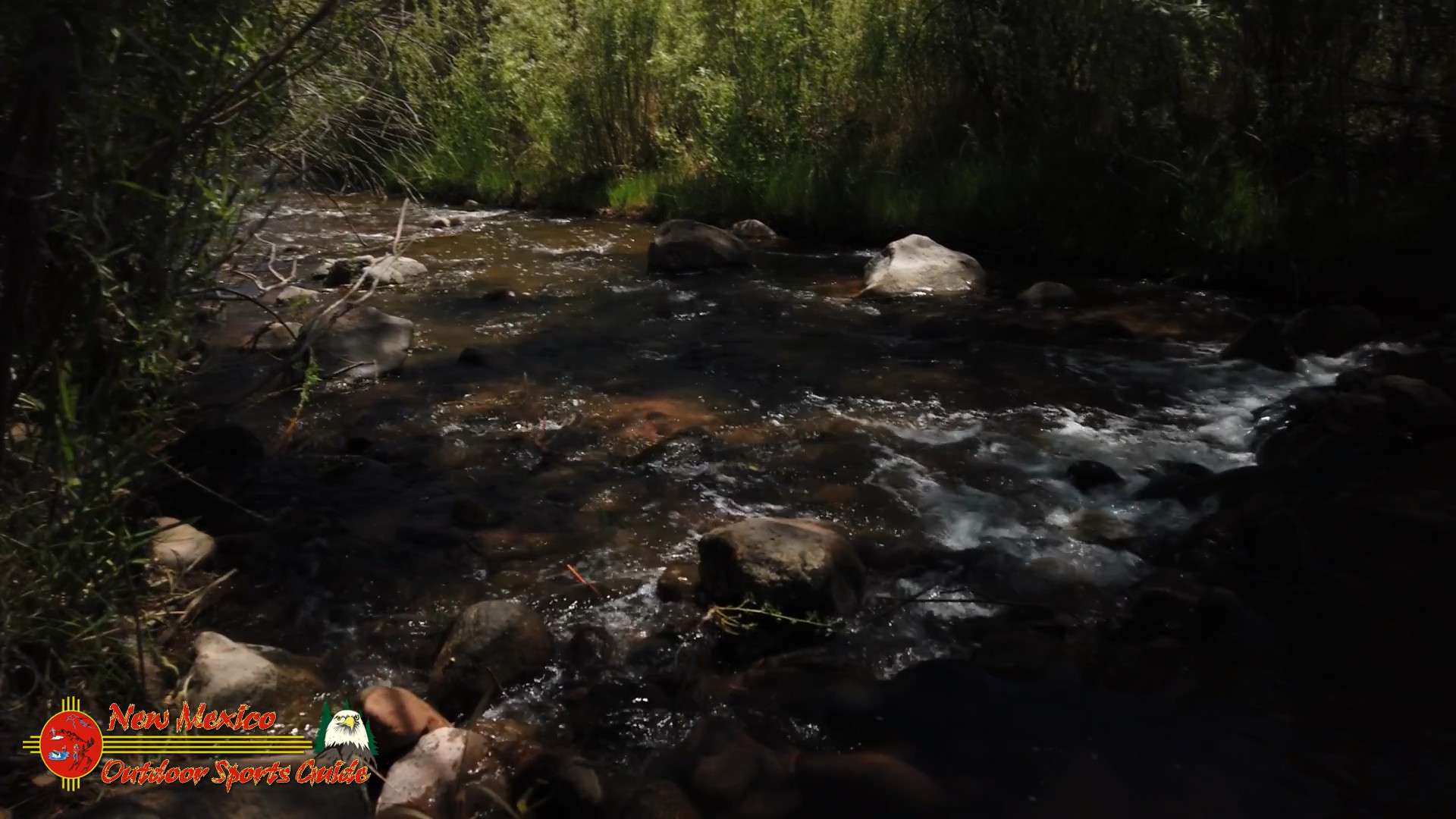
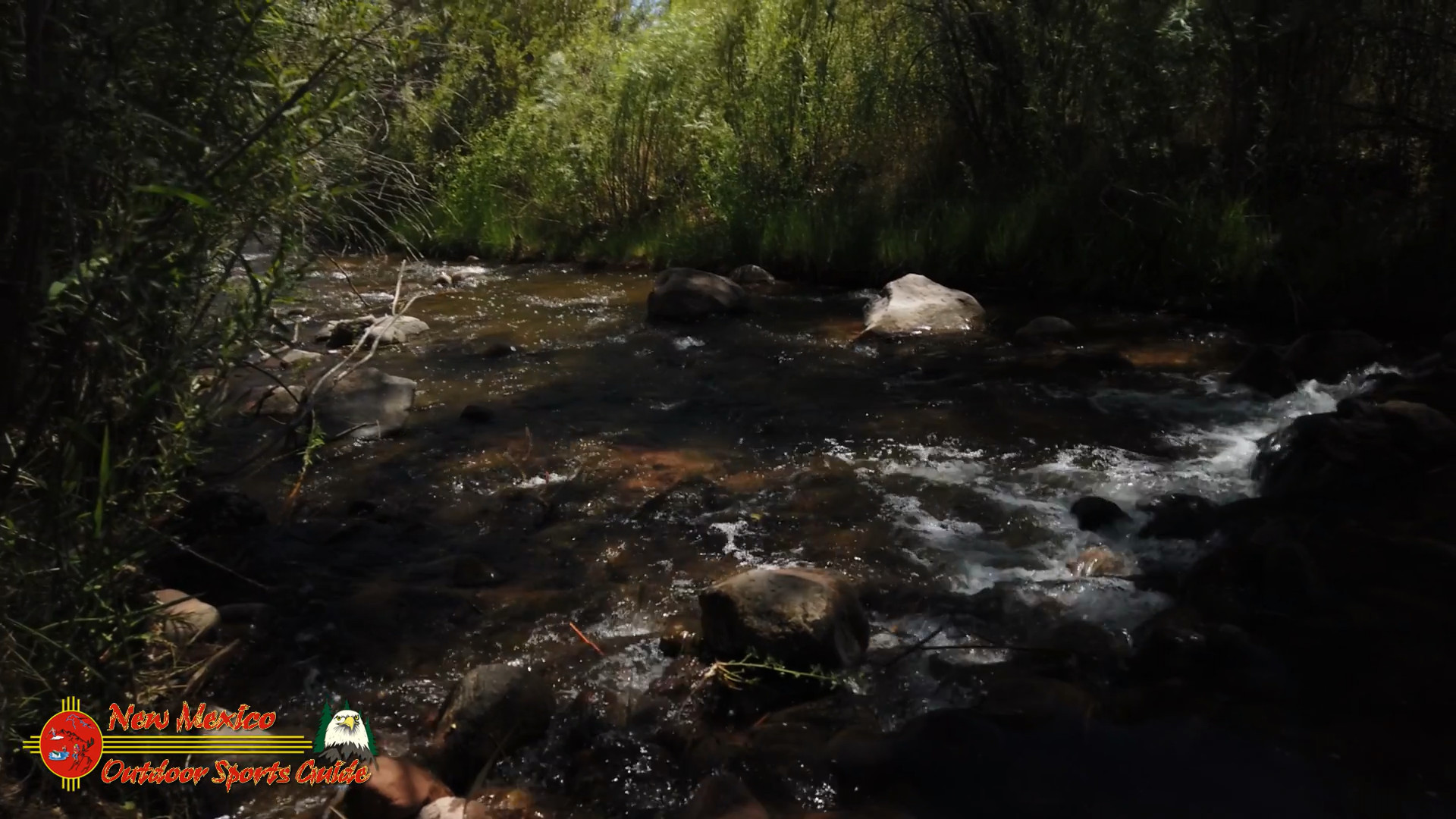
At Vista Linda, the river takes on a classic "freestone" character.
-
Dimensions: The water here typically ranges from 15 to 30 feet wide. It’s an intimate scale that allows for precise casting.
-
Depth: You’ll find average depths of 2 to 3 feet, but the savvy angler looks for the darker turquoise pockets. Some deeper pools reach up to five feet, serving as high-rises for the river’s larger residents.
-
The Terrain: Expect to see banks lined with cottonwoods, willows, and alders. Because the brush can be thick, the most effective way to fish this stretch is to wade up the middle, working your way upstream against the current.
Scouting the Residents: Species and Behavior
When you step into the water at Vista Linda, you’re playing a game of hide-and-seek with two distinct types of trout.
1. The Wild Brown Trout
The Brown Trout are the undisputed kings of the San Diego Canyon.
-
Size: Most range from 8 to 12 inches, though they are much smarter than their size suggests.
-
The Challenge: These are wild fish. They are spooked by shadows, heavy footfalls, and thick lines. Look for them in the "seams"—the line where fast water meets slow water—and underneath the overhanging roots of the alders.
2. The Stocked Rainbow Trout
To keep the action consistent, especially for families and beginner anglers, the New Mexico Game and Fish stocks Rainbow Trout throughout the winter months.
-
Identification: Look for the signature red lateral line and the silver sheen that makes them nearly invisible in a sun-dappled ripple.
-
Activity: Rainbows tend to be less cautious than the wild browns and are often found in the larger, more oxygenated pools near the campground access points.
Gear Selection: Mastering the Technical Water
Because the Jemez is a relatively small river, "big gear" is your enemy. Finesse is the name of the game for Jemez River Trout Fishing Public Access.
The Fly Fishing Setup
For those who prefer the meditative rhythm of the fly rod:
-
Fly Rods & Reels: A 3-weight or 4-weight rod (7.5 to 8.5 feet) is the perfect tool for navigating the willow-choked banks. Pair it with a small, lightweight reel with a delicate drag.
-
Fly Line: A weight-forward floating line is essential. In the winter, you’ll want to use 5X or 6X fluorocarbon tippet to keep your presentation invisible in the crystal-clear water.
-
The Menu:
-
Winter Midges: During the cold months, midge hatches provide the bulk of the dry fly action.
-
Nymphs and Streamers: A well-filled box should include Pheasant Tails, Zebra Midges, and small olive Wooly Buggers.
-
The Spinning Arsenal
Spinning gear is highly effective at Vista Linda, particularly in the deeper runs where you can maximize your reach.
-
Spinning Rods & Reels: Go ultra-light. A 5-foot or 5.5-foot ultra-light rod allows you to make "flick" casts under overhanging branches.
-
Spinning Line: Use 4lb test monofilament. Anything heavier will be visible to the wild browns and will significantly reduce your strike rate.
-
Lures and Bait:
-
Lures: Small gold or silver spinners (like Panther Martins) are the gold standard here.
-
Bait: Where permitted, salmon eggs or PowerBait can be effective for the stocked rainbows, but remember that the wild browns usually prefer a moving lure.
-
Timing and the Seasons: When to Go
Vista Linda is located in a "low elevation" trout stream context, which means the thermometer dictates your success.
Productive Water Temps
Trout are most comfortable when the water is between 50°F and 65°F.
-
The Winter Miracle: While high-country lakes are frozen solid, Vista Linda remains a wonderful winter fishery. The water is cold but seldom freezes, and the winter stocking program keeps the river productive.
-
The Summer Struggle: During the peak of summer, water temperatures can soar. If the water gets too warm, the trout become stressed and stop feeding. On hot days, focus your efforts on the early morning or the late evening golden hour.
Best Time of Day
-
Dawn: The water is at its coolest, and the wild browns are often out in the shallows hunting for a morning meal.
-
Dusk: As the canyon shadows stretch across the water, insect activity spikes, and the surface of the river often comes alive with rising fish.
Camping at Vista Linda: Your Basecamp in the Red Rocks
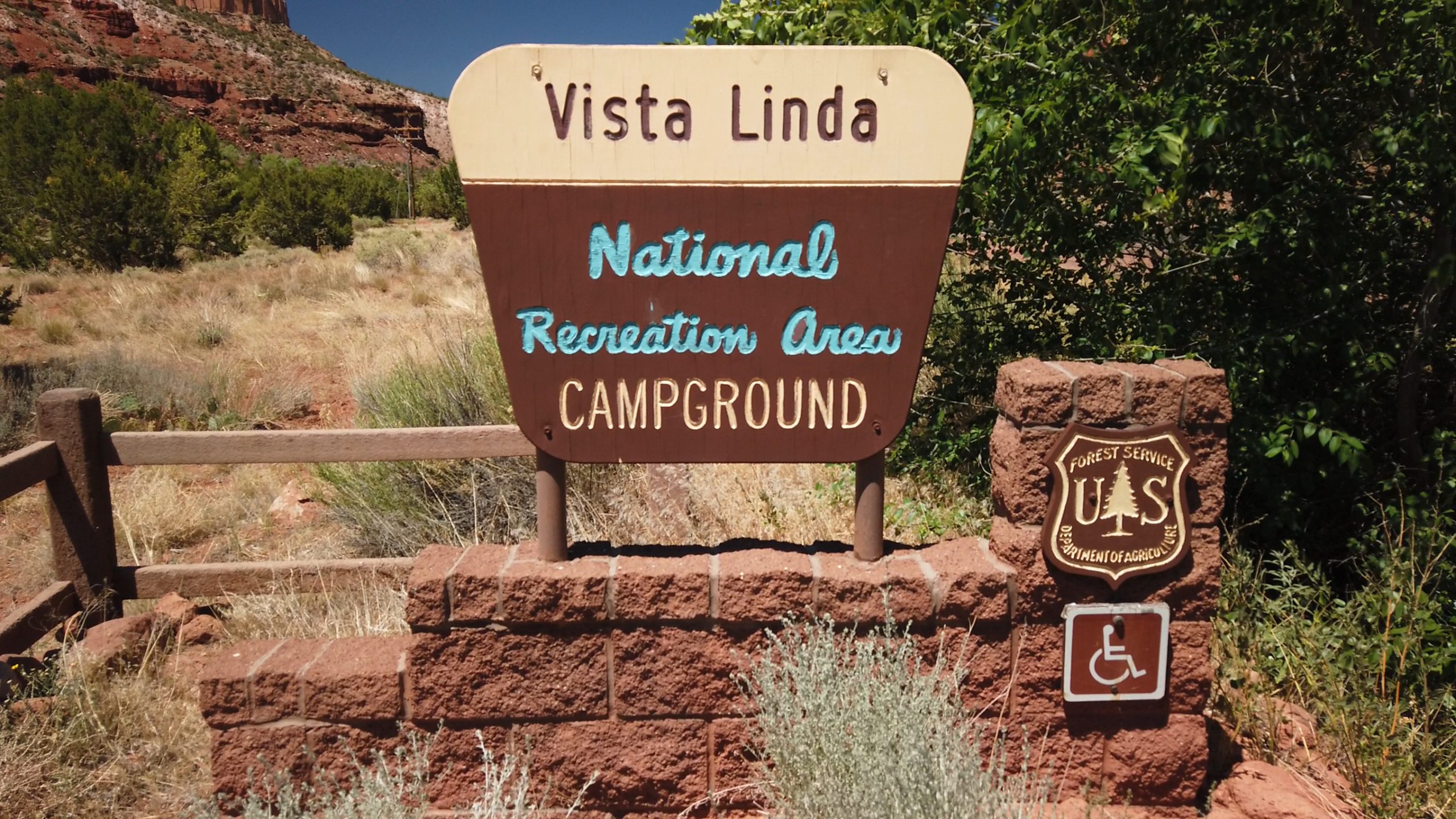
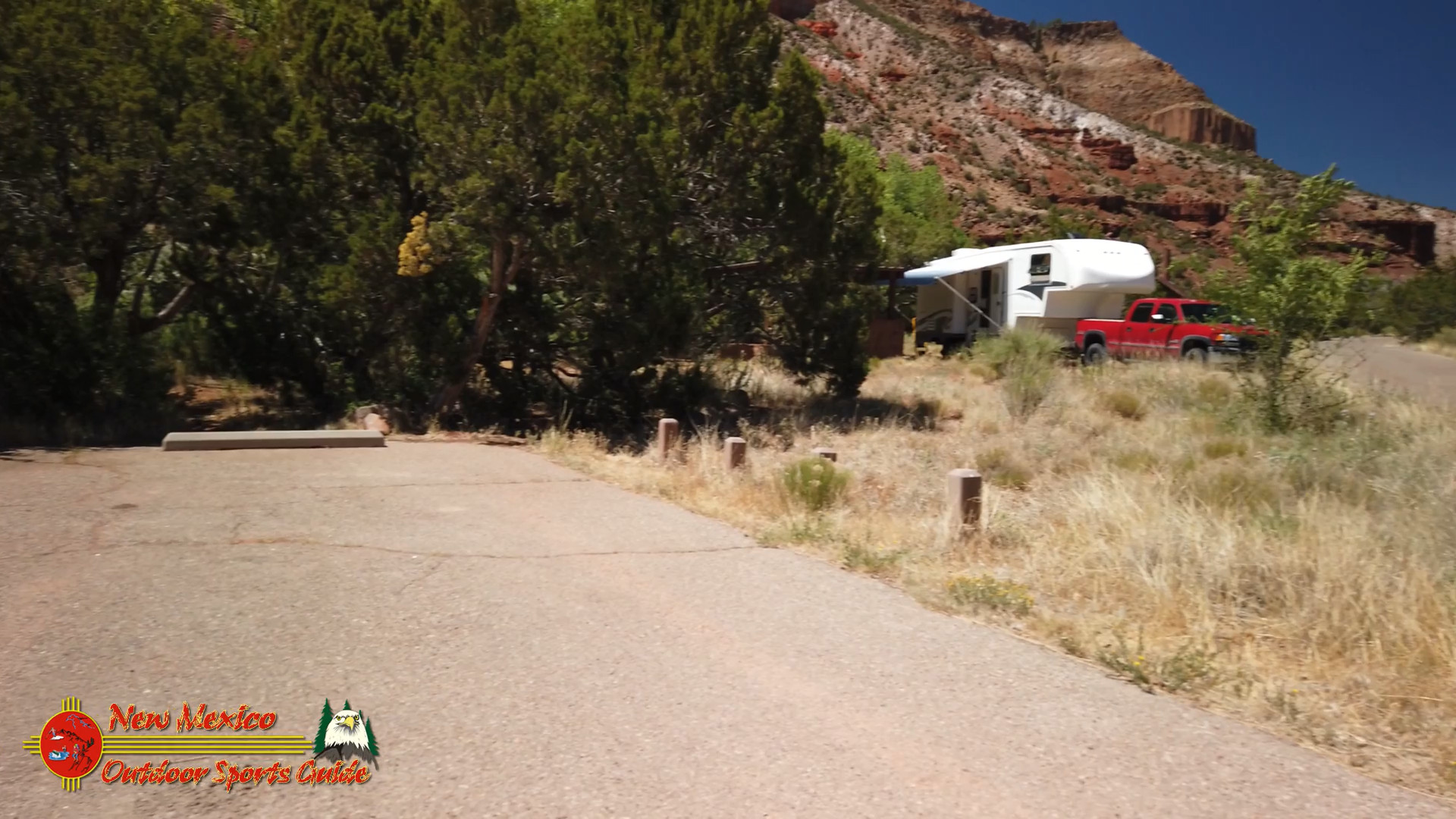
One of the greatest benefits of Vista Linda is the ability to live on the river. This popular campground within the Jemez National Recreation Area is open year-round.
Facilities and Amenities
Vista Linda is a classic Forest Service site designed for those who want a true mountain experience without the noise of a massive RV park.
-
Units: 13 individual units, each equipped with a pedestal grill.
-
Capacity: The site can accommodate tents, RVs, and trailers up to 40 feet. Pull-through capability makes it accessible for larger rigs.
-
Amenities: Drinking water and vault toilets are available.
-
The "Primitive" Reality: There are no hook-ups or dump stations. This is dry camping at its finest.
Important Regulations
-
Charcoal Only: Because of the fragile nature of the canyon, charcoal is the only fuel allowed in the pedestal grills.
-
Protect the Green: Cutting live vegetation for firewood is strictly prohibited.
-
Cool Nights: Even in the heat of summer, the canyon floor traps cool air. Always bring a warm layer for those cool evening breezes.
Stewardship: The Wet Hand Ritual
The Jemez River Trout Fishing Public Access at Vista Linda is a shared treasure. To ensure the wild brown population continues to thrive, many anglers practice catch and release.
-
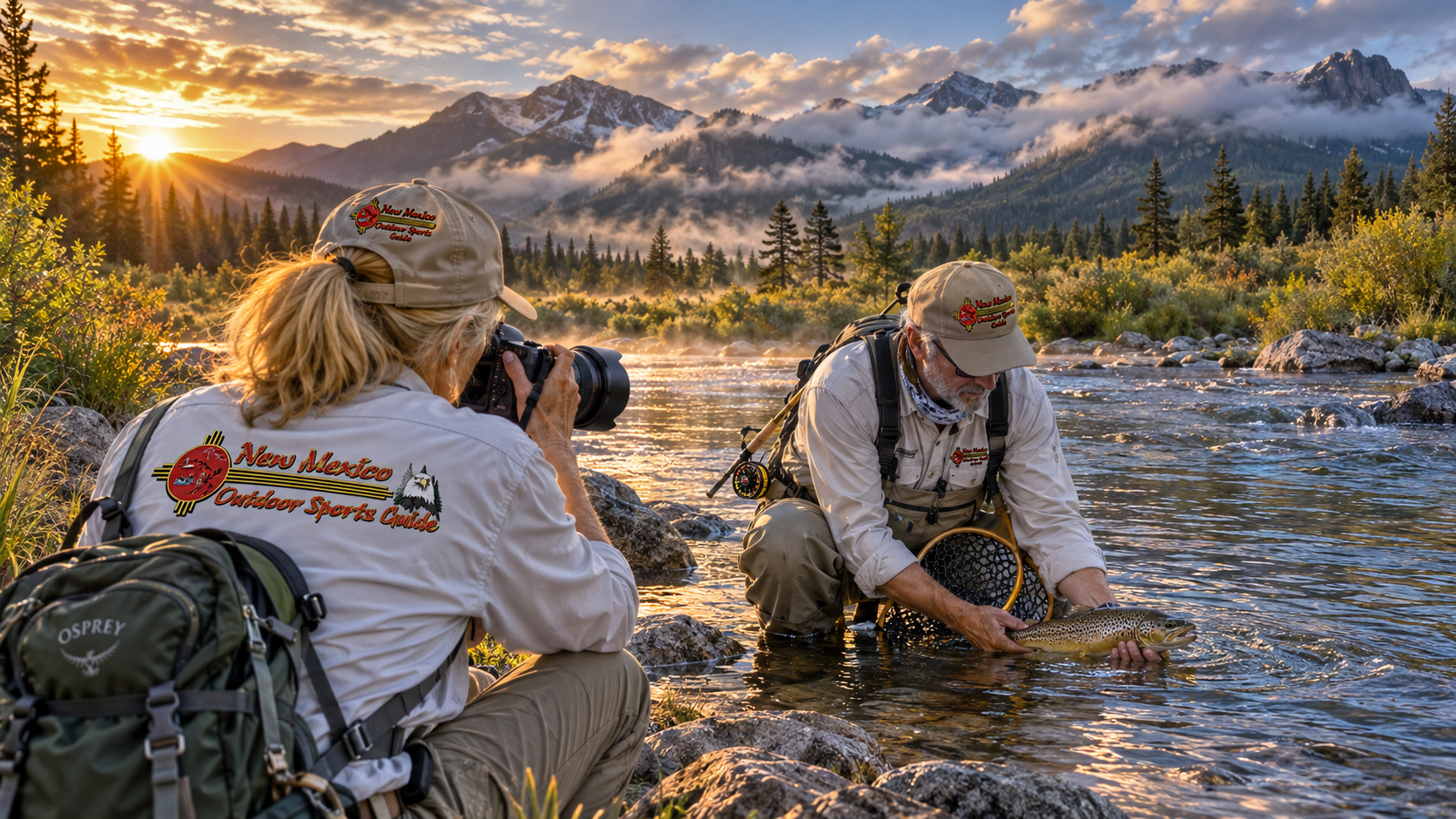
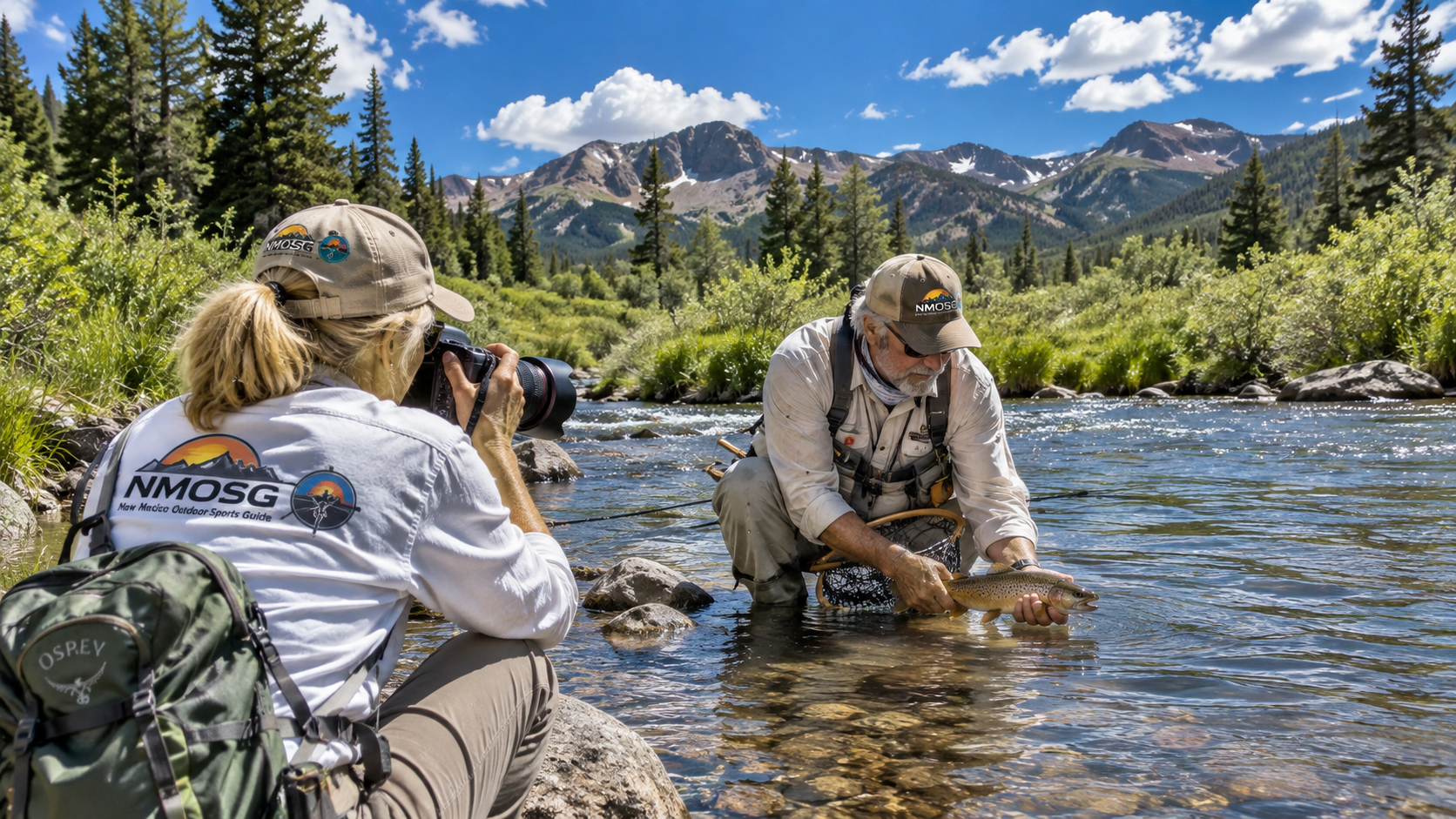
Wet Your Hands: Never touch a fish with dry hands. This preserves the protective slime layer that prevents infections.
-
Keep 'Em Wet: If you take a photo, keep the fish in the water as much as possible. A trout out of water is holding its breath—don’t make it wait too long for its next "gasp."
-
Barbless Hooks: Pinching the barbs on your hooks makes for a much faster, less traumatic release.
Getting There: The Journey to Jemez, New Mexico
From Albuquerque
Take NM 550 North to Bernalillo, then turn onto NM Highway 4. You’ll wind through the red rocks of the Guadalupe Box and pass the village of Cañon. Vista Linda is located shortly after you enter the heart of the canyon.
From Santa Fe
Take US-84/285 North to NM-502 toward Los Alamos, then follow NM-4 West. This route takes you across the rim of the Valles Caldera, offering some of the most spectacular views in the Southwest.
Conclusion: Claim Your Throne at the Beautiful View
There is something inherently healing about the sound of the Jemez River as it rushes past the crimson cliffs of Vista Linda. It is a place where the modern world’s frantic pace is replaced by the rhythmic swish of a fly line and the crackle of a charcoal grill. Whether you are a seasoned angler chasing a trophy wild brown or a family looking for their first mountain camping trip, Vista Linda offers a narrative of peace, beauty, and adventure.
The winter stocking has begun, and the midges are hatching! Pack your ultra-light gear, grab a New Mexico fishing license, and claim your campsite at Vista Linda this weekend. The river is calling—will you answer?
0 Comments