
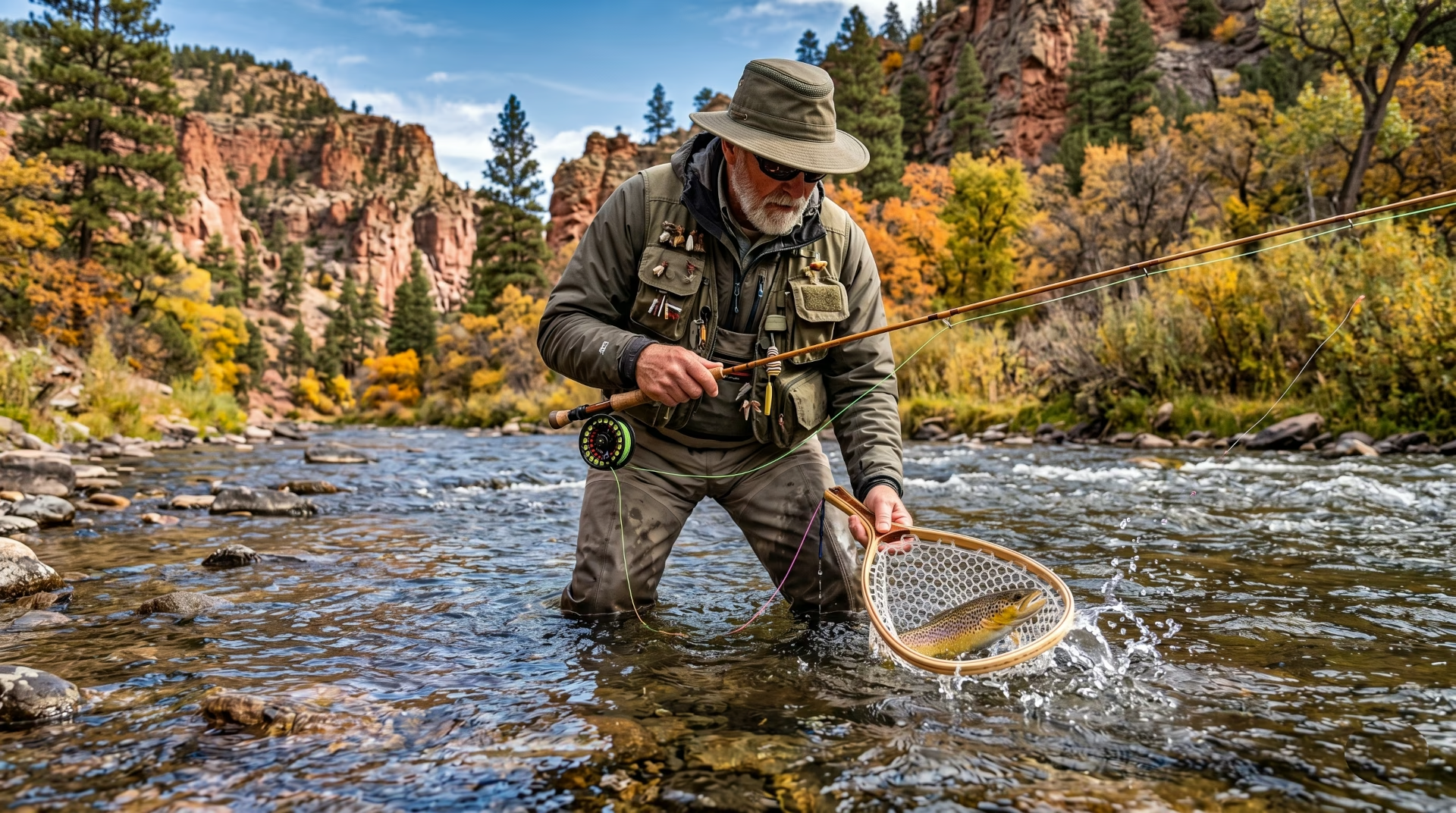
There’s a specific kind of quiet you only find in the high desert of Northern New Mexico—a stillness so profound it feels like the earth itself is holding its breath. For an old hand like me, who traded the rolling flint hills of a Kansas ranch for the jagged majesty of the Jemez Mountains, that silence is the best kind of company. After seventeen years waking up to the sun painting Wheeler Peak from our log home in Angel Fire, Paulette and I eventually found our way to Santa Fe. But when the summer heat starts to climb, my camera bag and fly rods practically jump into the back of the Outback.
Our destination? A sun-drenched ribbon of water that carves through history: the Jemez River.
Jemez River Trout Fishing isn’t just about the tug on the line. It’s a journey through red-walled canyons, beneath the gaze of towering ponderosas, and into a landscape that feels as ancient as the Precambrian granite beneath your boots. Whether you’re a seasoned angler or a young buck just learning to read the water, this river has a story to tell.
The Landscape: Battleship Rock and the Jemez Canyon
The Jemez River is a tributary of the Rio Grande, born from a marriage of two distinct waters. At a prominent geologic landmark called Battleship Rock—a massive 200-foot volcanic formation that looks exactly like a stone warship charging through the pines—the Rio San Antonio and the East Fork meet to form the main stem of the Jemez.
Navigating the Waters
The river itself is an intimate, freestone-like stream, typically ranging from 15 to 30 feet wide. It’s a technical piece of water where the stream cuts through steep canyon walls, creating a rhythm of deep runs and turquoise pools that reach depths of up to five feet.
-
Wading Strategy: Because the banks are often crowded with cottonwoods, willows, and alders, you’ll likely find yourself wading right up the middle to get a clean cast.
-
Accessibility: One of the greatest gifts of the Jemez is its proximity to NM Highway 4. The road follows the river faithfully throughout the Jemez National Recreation Area, making access incredibly easy even for those of us who aren't as spry as we once were.
Scouting the Water: Targeted Species
When you’re out for a day of Jemez River Trout Fishing, you’re primarily looking for two distinct characters in the water:
-
Brown Trout: These are the heart and soul of the river. The Jemez harbors a healthy population of wild Browns, typically ranging from 8 to 12 inches. They love the undercut banks and the shadowy seams near the boulders.
-
Rainbow Trout: The New Mexico Department of Game and Fish (NMDGF) frequently stocks Rainbows, particularly through the winter months, ensuring there’s plenty of action for every skill level.
Pat’s Tip: To spot a Rainbow, look for that signature red band along the lateral line and black specks that shimmer like diamonds in the New Mexico sun.
Gear Up: Choosing Your Tools
The technical nature of these mountain streams means your equipment choice is paramount. In my eighty-some years, I’ve learned that whether you’re casting a fly or a spinner, quality and portability are your best friends.
The Fly Fisher’s Arsenal
Many of us prefer the grace of the fly rod for these clear waters.
-
Fly Rods & Reels: A lightweight 3-weight or 4-weight rod is ideal for the technical, clear water of the Jemez. Pair it with a high-quality fly reel featuring a smooth drag system.
-
Fly Line: Use a weight-forward floating line to help with delicate presentations in tight quarters.
-
The Menu:
-
Nymphs: Small nymphs (like a Zebra Midge or RS2) drifted through deep seams are often the "ticket" to success.
-
Dry Flies: In the winter, look for midge hatches; a well-placed dry fly can trigger that silver flash of a rising trout.
-
The Spinning Setup
If you prefer a more traditional approach, spinning rods are highly effective in the deeper pools.
-
Spinning Rods & Reels: An ultra-light rod (5' to 6') allows you to navigate the brushy banks with ease.
-
Spinning Line: Use a 4lb to 6lb test monofilament or fluorocarbon. The water is clear, so a thin, nearly invisible spinning line is a must.
-
Spinning Bait and Lures: Small spinning lures like gold or silver Mepps or Panther Martins are deadly in faster water. Where permitted, traditional spinning bait can be used, but always check the latest NMDGF regulations at a ranger station.
Timing and Conditions: When to Cast
Trout are notoriously picky about their environment. If you want to find success on the Jemez, you have to watch the thermometer and the sun.
Productive Water Temps
Trout are most active when the water is between 10°C and 18°C (50°F to 65°F).
-
The Summer Challenge: The Jemez is a lower-elevation stream, and during the heat of July, water temps can soar, making the fish sluggish and the fishing tough.
-
The Winter Miracle: Paradoxically, the Jemez is a wonderful winter fishery. While it gets cold, the water seldom freezes solid, allowing for excellent midge fishing through the snowier months.
Best Time of Day
-
Early Morning: Beat the intense New Mexico sun and catch the fish while they are feeding in the shallows.
-
The Golden Hour: As the sun dips behind the western canyon rims, insect activity increases, leading to a late-day feeding frenzy.
Planning Your Visit to Jemez, New Mexico
Getting There
The journey from Santa Fe or Albuquerque is part of the experience. From Santa Fe, take US-84/285 North to NM-502, then follow the winding beauty of NM-4 West. You’ll pass through the historic village of Jemez Springs, where the red rocks of the San Diego Canyon begin to lean in close.
Camping and Seasons
The Jemez Ranger District manages several developed campgrounds within the Jemez National Recreation Area, such as San Antonio or Redondo. These spots offer picnic tables and fire rings, perfect for a night under a blanket of stars.
-
Spring: Offers blooming willows and active fish, though snowmelt can make the water high and murky.
-
Fall: My personal favorite. The air turns crisp, the aspens turn a brilliant gold, and the crowds begin to thin.
Safety for the Long Haul
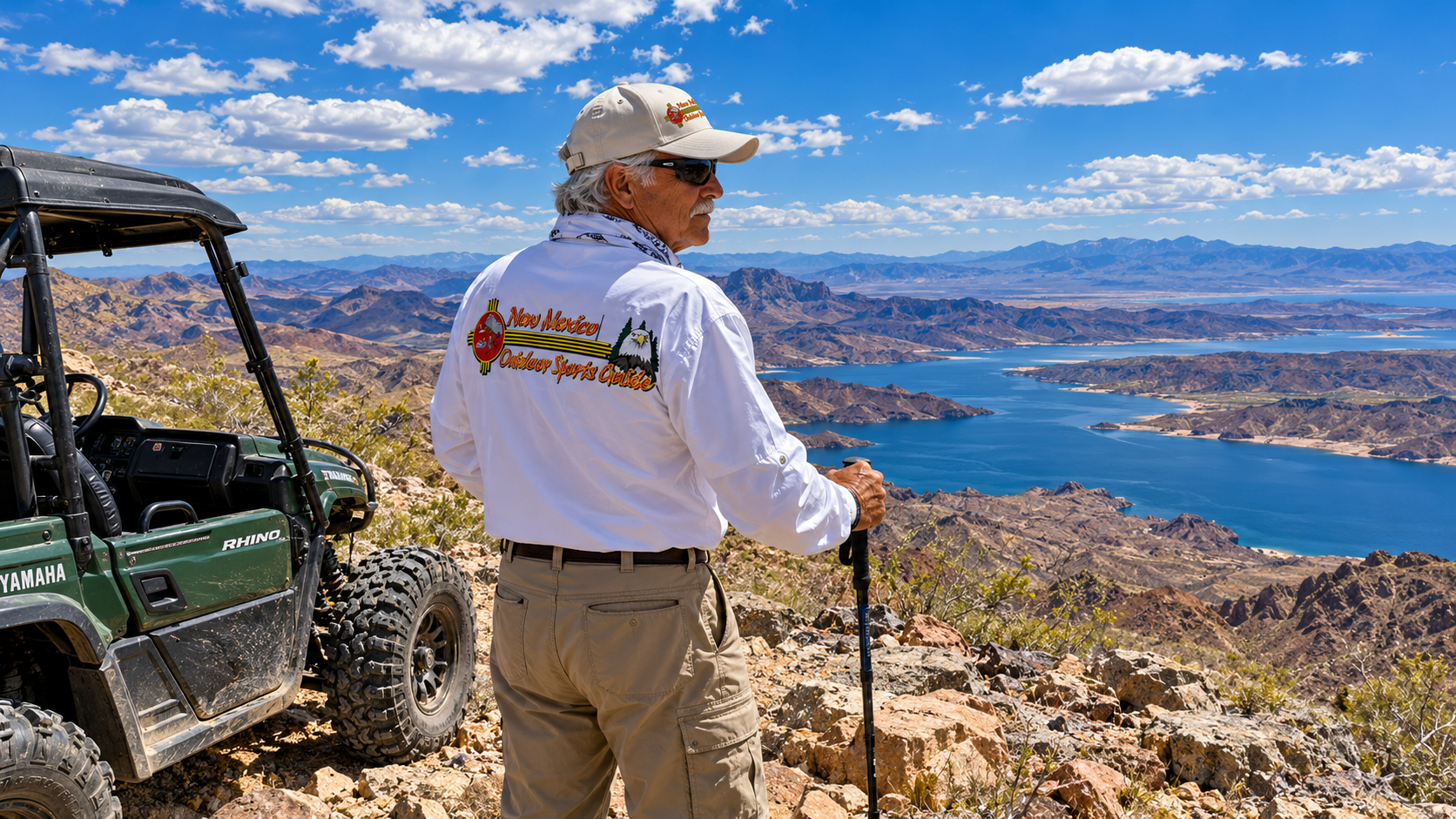
Even on a day hike, I never head out without my safety gear. For those of us in our golden years, trekking poles are essential for balance on the rocky banks. Don't forget a day pack with a hydration bladder, polarized sunglasses to cut the glare, and a physical map—because phone batteries have a habit of dying just when the lighting gets perfect.
The Call of the River
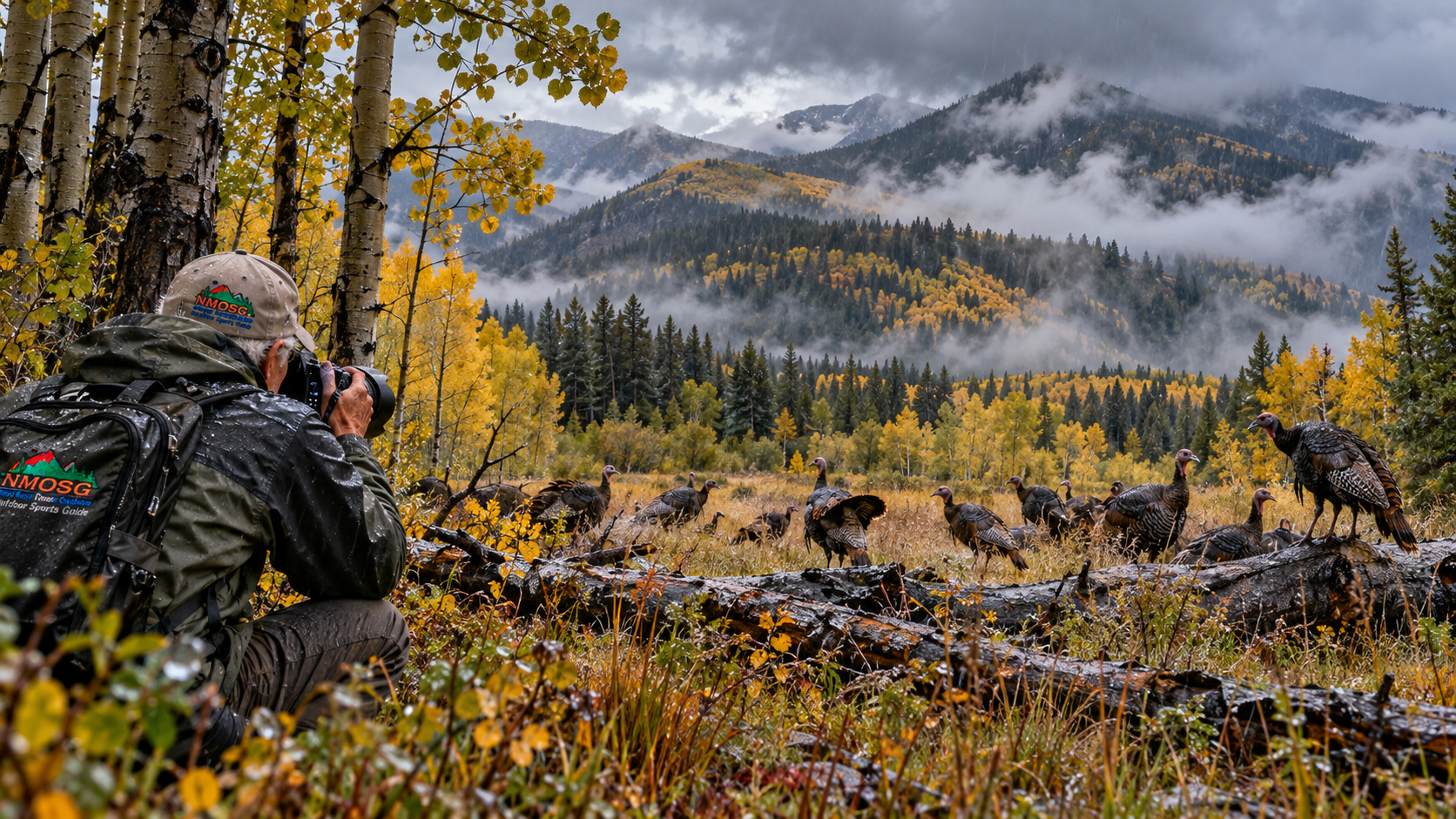
The Jemez River is a place where time slows down. It’s a landscape that challenges you with technical water, rewards you with the flash of a wild Brown trout, and humbles you with its towering red cliffs. Whether you’re here with a fly rod or just a camera to capture the elk moving through the meadow, this corner of the Jemez Mountains offers a soul-cleansing escape that stays with you long after the sun sets.
Are you ready to test your luck on the water? Grab your gear, double-check your fishing license, and head into the Jemez. The "Golden Hour" is approaching—I'll see you on the river!
What's your favorite stretch of the Jemez for a quiet afternoon of casting?
0 Comments