
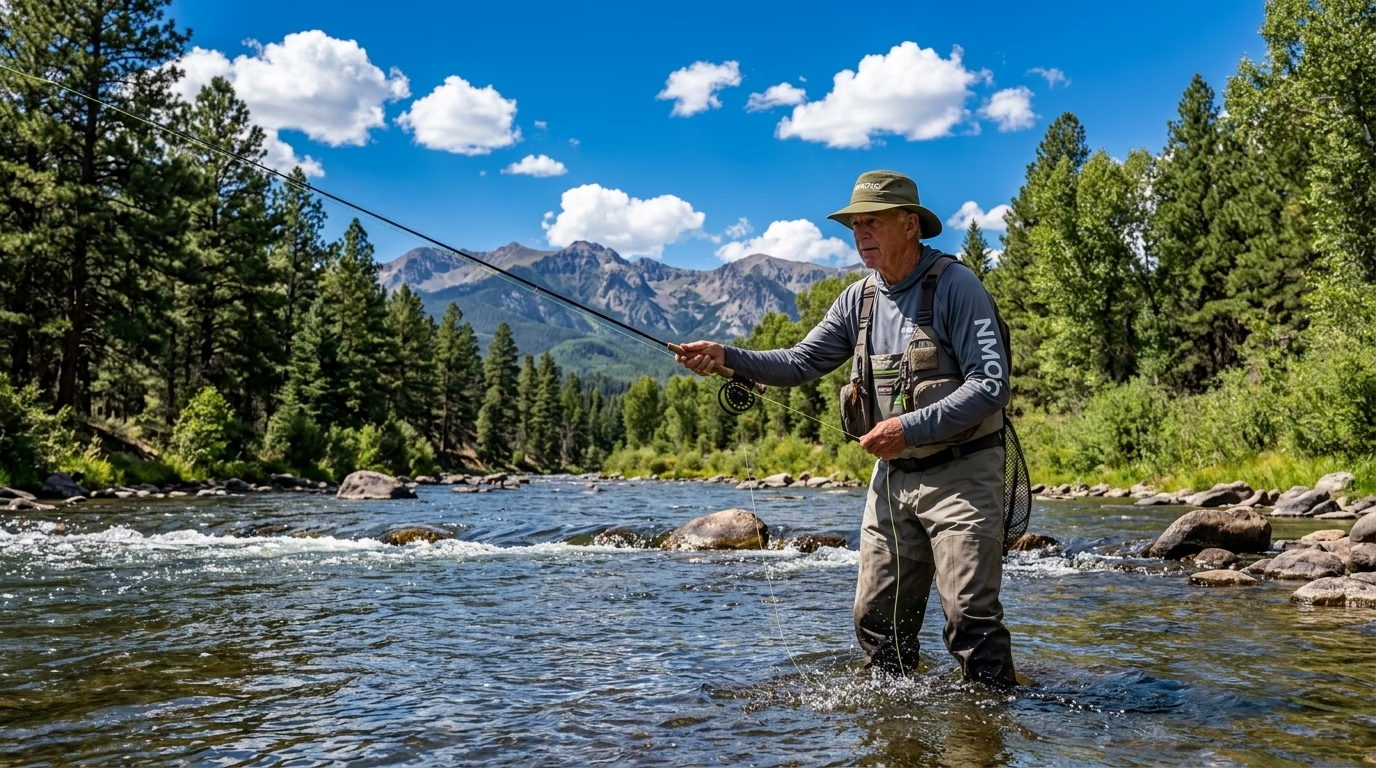
There is a specific kind of stillness that settles over a man when he hits his eighties. It’s not a slowing down of the mind, mind you, but a sharpening of the senses. When you’ve spent your boyhood chasing cattle across the wide-open expanse of the Kansas Flint Hills, watching the wind push waves through the bluestem grass, you develop a permanent hunger for big country. For me, that hunger eventually led me and my beloved wife of over forty years, Paulette, to the high country. We spent seventeen wonderful years living in a mountain top log home we built ourselves up in the Angel Fire Ski Resort, overlooking the Moreno Valley. From our windows, we had spectacular views of Wheeler Peak to the west, Bobcat Pass to the north, and Eagle Nest Lake glittering on the west side of the valley floor. It was a paradise of alpine valleys, dense forests, and roaming wildlife—a natural gallery that I spent nearly two decades capturing through the lens of my camera and video gear.
Eventually, the high-altitude winters began to whisper that it was time for a change. In 2017, we relocated our home base down to the historic plazas of Santa Fe, New Mexico. Now, we spend our splendid summers exploring the cool mountain streams of the Southern Rockies and escape the heavy mountain snows by heading west to Lake Mohave, Arizona, during the winter months. But no matter where our wheels take us, the call of a rushing mountain river never loses its grip on my soul.
Some years ago, during our Angel Fire days, Paulette and I loaded up the truck at our home—affectionately known as Casa Oso—for an early summer adventure. Leaving the Moreno Valley behind in the cool, pre-dawn gray, we took a magnificent drive north across the state line. By mid-morning, we pulled into the shade of the Aspen Glade Campground, situated right along the banks of the legendary Conejos River. Looking back through my trip logs and photographs, that journey remains etched in my mind as the quintessential Rocky Mountain escape. If you are an outdoor recreation enthusiast looking for pristine water, towering timber, and the thrill of matching wits with wild trout, let me pull up a chair and tell you why the Conejos River public access at Aspen Glade needs to be at the very top of your list.
The Gateway to the Conejos: Getting There and First Impressions
To understand the magic of the Conejos River, you have to understand its birthplace. Carved deep into the eastern slopes of the majestic San Juan Mountains of southern Colorado, the Conejos is a wild, high-altitude freestone river that drains some of the most rugged, untouched wilderness in the American Southwest. It is a land of sheer volcanic cliffs, sweeping alpine meadows, and dense subalpine forests where the air carries the crisp, sharp scent of snowmelt and resinous conifers.
Getting to this slice of paradise from our neck of the woods is half the joy. From Santa Fe or Northern New Mexico, the route takes you north along US-285 across the high-desert volcanic plains of the Taos Plateau, passing through historic communities like Ojo Caliente and Tres Piedras. As you cross the Colorado state line into the San Luis Valley, you turn west toward the mountains at the small town of Antonito—famous as the eastern terminus of the historic Cumbres & Toltec Scenic Railroad. From Antonito, you jump onto Colorado State Highway 17, which gently winds its way up into the San Juan National Forest, tracing the path of the river.
When Paulette and I arrived at Aspen Glade Campground mid-morning, the high-altitude sun was just beginning to burn off the remnants of the early morning canyon mist. Situated right on CO-17, the campground serves as an incredibly convenient, highly accessible basecamp for both transient travelers passing through the San Juans and destination campers looking to dig their boots into the dirt for a week. The moment you step out of the truck, the first thing that hits you is the scent—a rich, unmistakable fragrance of sun-warmed Ponderosa pines that fills your lungs and instantly washes away the modern world. The second thing you notice is the sound. No matter where you stand in this campground, the deep, rhythmic roar of the fast-moving Conejos River provides a continuous, soul-soothing soundtrack.
Scouting the Camp: The Three Loops of Aspen Glade
As a photographer, I can't help but scout a location the moment I arrive, looking at how the light filters through the canopy and how the terrain shapes the experience. Aspen Glade is a beautifully laid out, pleasant, and highly attractive campground that offers distinctly different environments depending on where you pitch your tent or park your rig. The entire area features a soft ground cover made up of native mountain grasses and a thick carpet of fallen pine needles, making it exceptionally comfortable underfoot.
The campground is organized into three distinct sections, each with its own unique character:
Loop A and Loop B: The Ponderosa Highlands
The upper sections of the campground, designated as Loop A and Loop B (which is clearly marked), are situated on a slightly elevated bench above the river canyon. These loops are beautifully and lightly wooded with mature Ponderosa pines. Because the canopy is open, these sites receive beautiful, dappled sunlight throughout the day, allowing the ground-cover grass to thrive. The spacing between the sites is generous, providing excellent privacy for campers. In Loops A and B, the warm smell of Ponderosa bark—reminiscent of vanilla and butterscotch—is thick in the mountain breeze, and while you are safely elevated above the water line, the song of the river echoes clearly through the trees.
Loop C: The Spruce Box
If you prefer a more dramatic, intimate connection with the water, Loop C (which is generally unmarked) is where you want to steer your rig. This loop sits on the lower tier of the campground, directly adjacent to the fast-moving torrent of the Conejos River. Unlike the open, airy Ponderosa forests above, Loop C is heavily and densely wooded with tall, mature spruce trees. The canopy here is thick and dark, creating a cool, shaded sanctuary even in the heat of a July afternoon. Standing in Loop C, you are just steps away from the water's edge, where the roar of the river replaces all conversation and the mist off the rapids keeps the summer air crisp and cool.
Master Class on the Water: Understanding Conejos Trout Fishing
Now, let's talk about the real reason you pack your gear and make the drive up Highway 17: the trout fishing. The Conejos River is widely regarded by western anglers as one of the premier trout fisheries in the Southern Rockies, and for very good reason. It holds a healthy, thriving population of wild Brown trout and hard-fighting Rainbow trout, along with occasional Native Rio Grande Cutthroat trout in its upper tributaries.
The stretch of water running directly past Aspen Glade Campground is a phenomenal, highly productive fishery, but the true crown jewel lies just a short walk away. Approximately one-quarter mile upstream from the campground boundary, you hit the designated Gold Medal Trout Fishing water. In the state of Colorado, "Gold Medal" isn't just a marketing phrase; it is a strict regulatory designation reserved for the highest quality aquatic ecosystems capable of producing a high density of large, trophy-sized trout.
Throughout the summer and fall seasons, catching a magnificent 5-pound rainbow trout or an exceptionally smart, hook-jawed brown trout is entirely possible on the Conejos River. However, these fish don't get that large by being foolish. If you want to land a wild brute on this river, you better be willing to roll out of your sleeping bag early. The best time of day to hook into the true monsters of the Conejos is during the first cracks of dawn, before the high-altitude sun hits the water and before the fish fill up on the early morning insect drifts. Once the sun illuminates the riverbed, these mature trout retreat into the deep, dark pocket water and undercut banks, becoming infinitely more selective.
Conejos River Fishing Cheat Sheet:+-------------------+----------------------------+----------------------------+| Metric / Aspect | Optimal Summer Range | Optimal Fall Range |+-------------------+----------------------------+----------------------------+| Water Temperature | 52°F - 58°F (Peak Activity)| 48°F - 54°F (Mild Feeding) || Peak Fishing Time | 6:00 AM - 10:00 AM | 10:00 AM - 3:00 PM || Primary Target | Wild Hatch Matching | Terrestrials & Streamers |+-------------------+----------------------------+----------------------------+
Water temperature is the ultimate regulator of trout behavior on a freestone stream like the Conejos. The most productive water temps for active feeding generally hover between 52°F and 58°F. During the peak of summer, the water will hit this magic window during the early morning hours. As the afternoon heat sets in and water temperatures push past 62°F, the trout will become lethargic and cease feeding to conserve energy. Conversely, in the autumn, the morning water can be icy cold, shifting the best time of day to the late morning and early afternoon when the sun has had a chance to warm the river into that productive zone.
Choosing Your Weapon: Spinning vs. Fly Fishing
One of the great things about the public access points around Aspen Glade Campground is that the river caters to multiple styles of angling, depending on exactly where your boots are planted. However, you must pay strict attention to the boundary markers: the Gold Medal water located a quarter-mile upstream is strictly fly-fishing only, utilizing artificial flies and nymphs with barbless hooks. Downstream around the campground loops, standard regulations apply, allowing traditional hardware.
The Conventional Angler’s Setup
For the stretches of the river where spinning tactics are permitted, navigating the fast-moving currents and deep plunge pools requires specialized equipment. You’ll want to leave your ultra-light panfish setups at home; the Conejos demands a bit more backbone.
-
Spinning Rods & Reels: A high-quality, 6-foot-6-inch or 7-foot medium-light action graphite spinning rod paired with a smooth, high-speed spinning reel (size 2000 to 2500) is the ideal tool for the job. The rod needs to have a sensitive tip to detect subtle ticks against the rocky river bottom, but enough lower-quadrant strength to turn a heavy rainbow trout out of a fast rapid.
-
Spinning Line: Spool your reel with a high-visibility, premium 4-pound or 6-pound test fluorocarbon spinning line. Fluorocarbon is essential in these crystal-clear mountain streams because its refractive index is nearly identical to water, making it virtually invisible to sharp-eyed trout, while offering excellent abrasion resistance against sharp volcanic rocks.
-
Spinning Bait & Lures: While standard spinning bait like salmon eggs or nightcrawlers can be effective in the slower, deeper pools near the campground, experienced hardware anglers rely heavily on spinning lures that mimic moving prey. Classic inline spinners, such as a size 1 or 2 Panther Martin or Mepps Aglia with gold or copper blades, are deadly when cast across the current and retrieved through the tail-ends of deep runs. Small, sinking minnow plugs like a rapid-diving countdown Rapala in a rainbow trout or brown trout finish can trigger aggressive, territorial strikes from the largest predatory fish in the river.
The Fly Fisher’s Arsenal
Once you step into the hallowed waters of the upstream Gold Medal section, it becomes a game of ultimate stealth, precise presentation, and matching the delicate hatches of the San Juans.
-
Fly Rods & Reels: A standard 9-foot, 5-weight graphite fly rod is the absolute universal tool for the Conejos River. It provides the length needed to mend line over complex, multi-speed currents and the power to punch a line through a stiff canyon breeze. Pair it with a reliable, disc-drag fly reel loaded with a weight-forward floating fly line.
-
Leaders & Fly Line: Your floating fly line should be tipped with a 9-foot tapered monofilament leader scaling down to 4X or 5X fluorocarbon tippet. The clarity of the water means that any thick, sloppy connection will cause the trout to turn their noses up at your offering.
-
Flies & Nymphs: The Conejos is famous for its prolific hatches of stoneflies, mayflies, and caddisflies. When the trout aren't rising to the surface, the most effective method is dead-drifting a two-fly nymph rig under a subtle strike indicator. A large, heavy attractor nymph like a size 8 or 10 Pat’s Rubber Legs (simulating a giant stonefly crawler) acts as the anchor, while a small, delicate trailing nymph is tied 18 inches behind it. Highly productive trailing nymphs include size 16 or 18 Flashback Pheasant Tails, Hare's Ears, or Gold-Ribbed Beadhead Caddis Pupa. If you happen to catch a mid-summer afternoon hatch, switching over to a dry fly setup with a size 12 Parachute Adams or a specialized Elk Hair Caddis can lead to heart-stopping visual strikes on the surface.
The Ethos of the River: Catch and Release Done Right
Spending my boyhood on a ranch taught me a foundational truth at a very early age: you don't own the land, and you don't own the wildlife; you are merely a temporary steward tasked with taking care of it so the next generation can enjoy its bounty. When you are fishing a fragile, high-pressure ecosystem like the Gold Medal waters of the Conejos River, practicing proper catch-and-release isn't just a matter of following the law—it is a sacred ritual of respect.
Wild trout are incredibly delicate creatures. Fighting an angler against a fast-moving current causes a massive buildup of lactic acid in their muscles, leaving them completely exhausted and vulnerable. To ensure that 5-pound rainbow lives to fight another day, every angler must adhere to the modern "Keep Fish Wet" principles:
-
Using Barbless Hooks: Always pinch down the barbs on your flies, nymphs, and lures using a pair of needle-nose pliers. A barbless hook creates a clean, minimal puncture wound that can be slipped out of the fish's jaw instantly without tearing delicate tissue, drastically reducing handling time.
-
Handling the Fish with Wet Hands: Never, under any circumstances, touch a wild trout with dry hands or a dry rag. Trout are covered in a protective mucous slime coat that shields them from aquatic bacteria, fungi, and parasites. Touching them with dry skin completely strips this defensive layer away, effectively signing a death warrant for the fish days after it swims away. Dip your hands into the river and get them thoroughly wet before ever making contact.
-
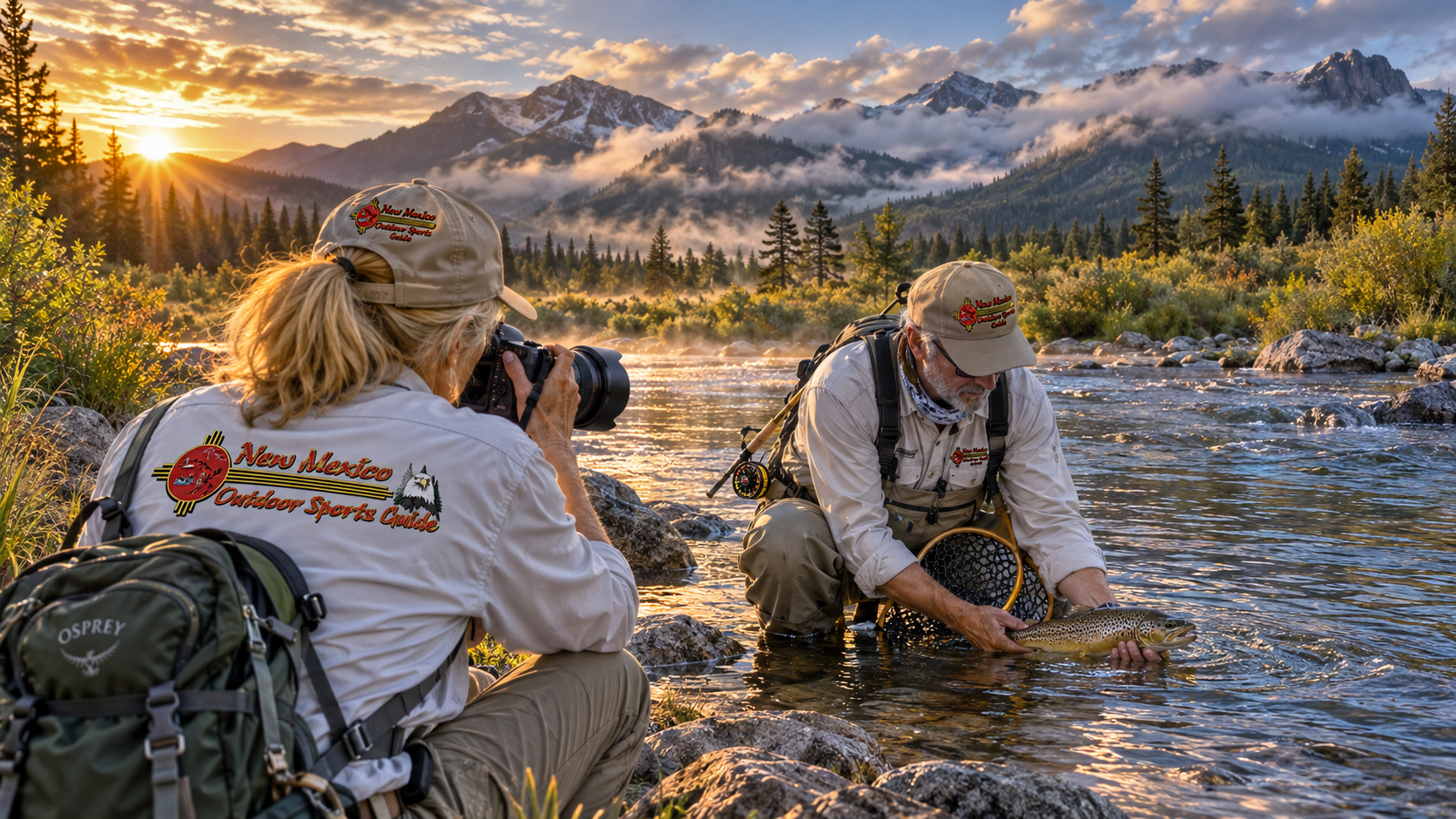
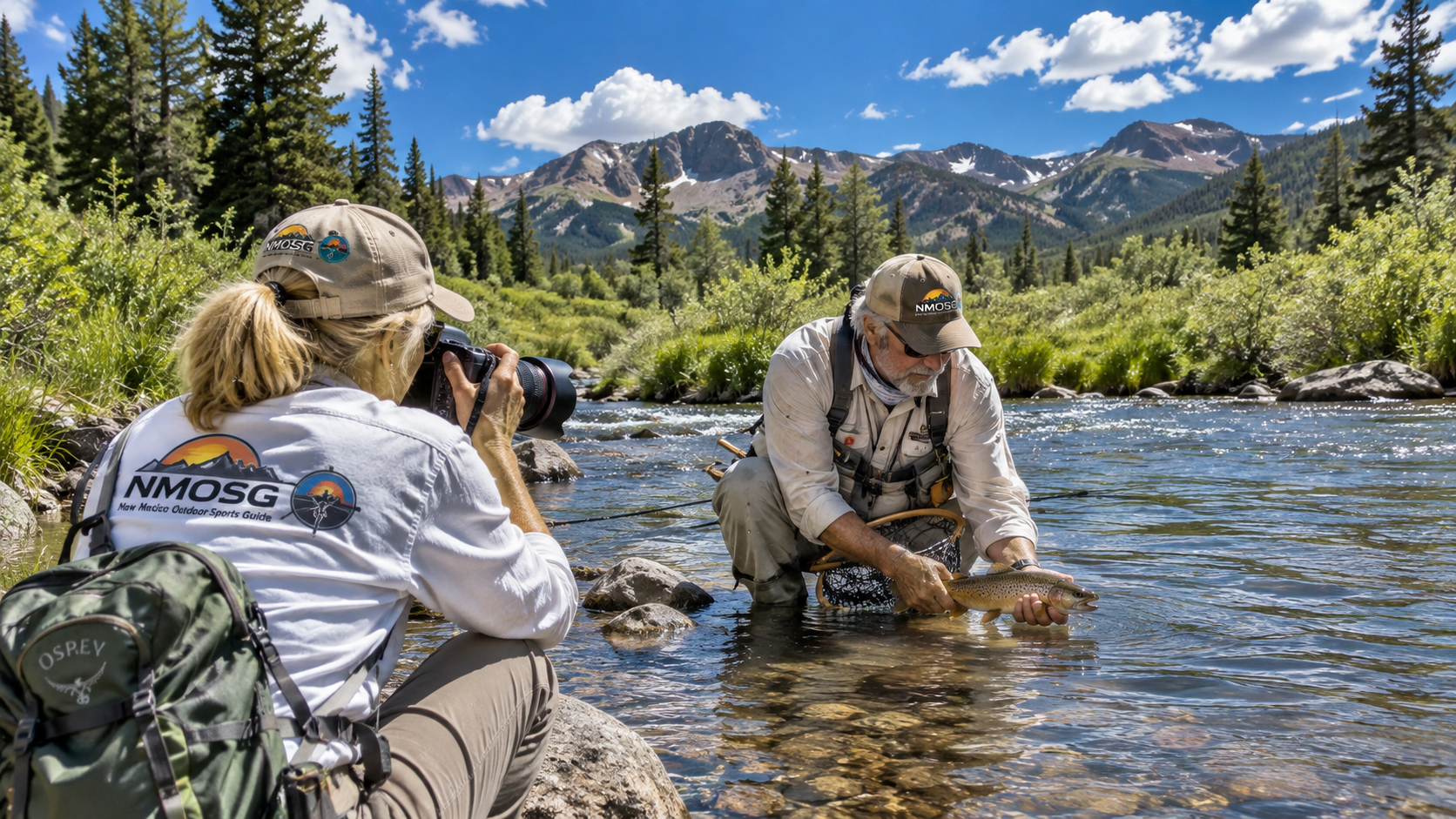
Keeping the Trout Fully Submerged: A trout cannot breathe out of water any better than you can breathe underwater. Keep the trout fully submerged in the river current while you work to remove the hook. If you must lift the fish out of the stream for a quick photograph to show the folks back home, keep it limited to a maximum of three to five seconds—essentially the duration of a single deep breath.
-
Using Rubber Nets: Traditional knotted nylon landing nets act like sandpaper on a fish's skin, splitting fins and removing scales. Invest in a high-quality landing net equipped with a soft, bag-style rubber net lining. The smooth, flat surface of a rubber net cradles the trout gently, preventing tangles and preserving their protective coating.
-
The Revival: Once the hook is removed, do not simply toss the fish back into the current. Hold the trout upright, facing directly upstream into a gentle, slow-moving current. Keep it cradled in your wet hands or inside your rubber net until you feel its strength return. Watch for its gills to pump rhythmically and its tail to flex. When the fish is fully revived, it will give a sharp, powerful kick and vanish back into the amber depths of the river under its own power. That moment—the clean release—is the most rewarding part of the entire journey.
Beyond the Rod: Hiking Sheep Creek Trail and Seasonal Rhythm
While I could happily spend every waking hour working a fly line through the riffles, a true outdoor enthusiast looks at the whole landscape. Paulette and I have always loved exploring the trails that branch off from our basecamps, capturing the flora and fauna on film.
If your legs need a stretch after a long morning of wading through the icy currents, the nearby Sheep Creek Trail offers an exceptional hiking opportunity right out of the canyon. The trailhead is located just a short drive from the campground entrance and carries you up into the high meadows of the San Juan National Forest. It is a moderately challenging trail that rewards hikers with breathtaking, panoramic views of the entire Conejos River Valley below. As you climb, you leave the dense spruce boxes behind and wander through beautiful groves of quaking aspens that shimmer like silver coins in the mountain breeze. Keep your eyes peeled and your camera ready; this high country is home to thriving populations of rocky mountain elk, mule deer, soaring golden eagles, and the occasional black bear foraging in the berry patches.
Aspen Glade Seasonal Summary:- Spring: High snowmelt runoff, cold water, limited access, vibrant green foliage.- Summer: Peak fishing, active hatches, perfect weather, ideal campground conditions.- Fall: Golden aspens, thinned crowds, aggressive brown trout, cool crisp air.- Winter: Heavy snowpack, frozen banks, campground closed, highway requires caution.
When planning your journey to Aspen Glade, understanding the distinct weather seasons of the San Juan Mountains is absolutely critical.
-
Spring: This is a time of dramatic transition. While the valley floors begin to green up in May, the high peaks are still shedding their heavy winter snowpack. This creates massive spring runoff, turning the Conejos into a muddy, dangerous torrent that is virtually unfishable until mid-June.
-
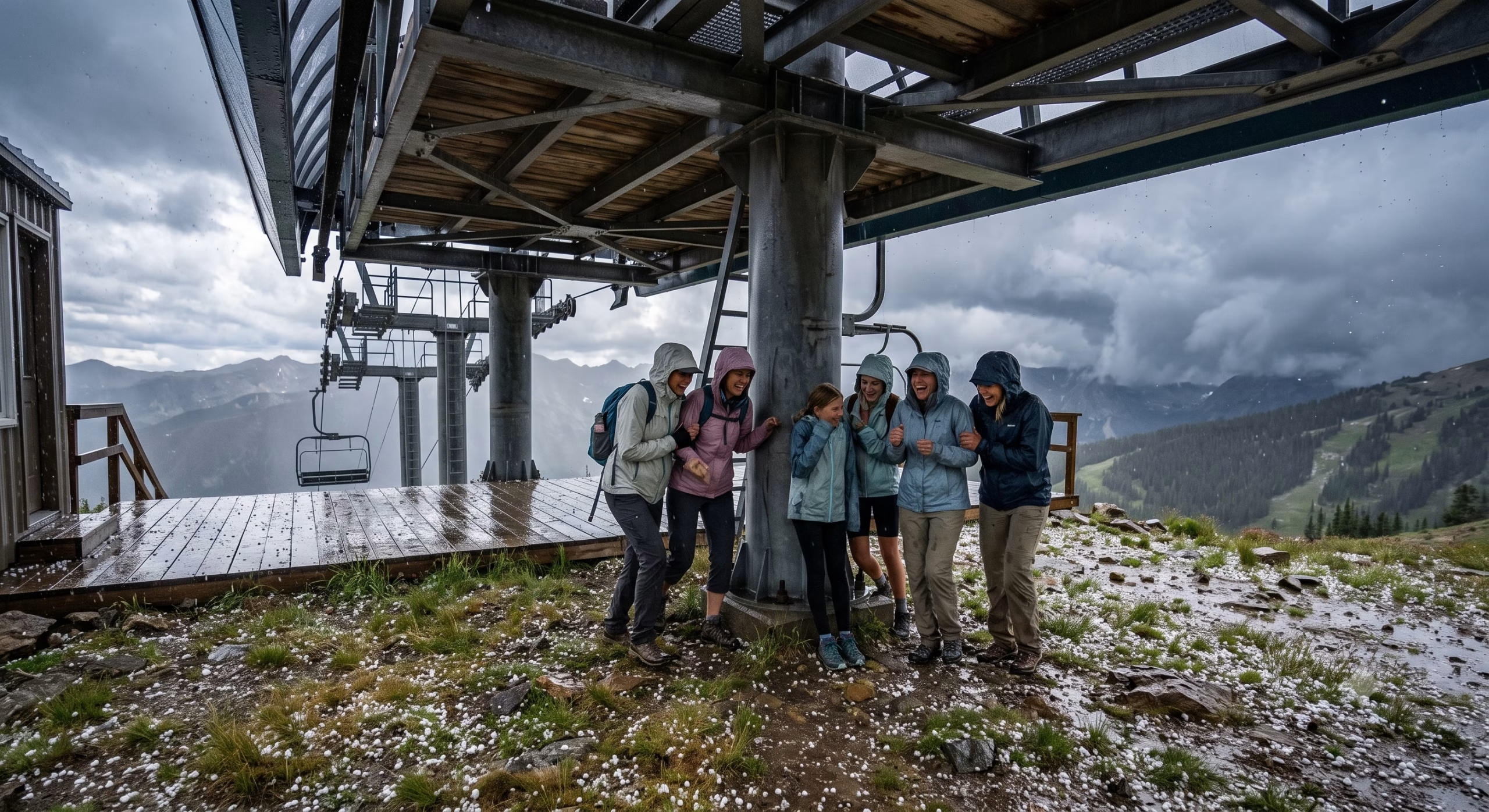
Summer: July and August represent the undisputed peak of the season. The weather is glorious, with daytime temperatures hovering in the pleasant upper 70s, followed by crisp, cool nights that demand a heavy wool blanket. Be prepared for the classic Rocky Mountain afternoon monsoon patterns, where dark clouds roll over the peaks around 2:00 PM, delivering a brief, intense downpour before clearing out to reveal a brilliant blue sky.
-
Fall: September and October are, in my humble opinion, the most magical months of all. The summer crowds thin out completely, leaving the river in absolute silence. The quaking aspens turn a brilliant, fiery gold against the dark green conifers, and the crisp autumn air causes the big resident Brown trout to become highly aggressive as they prepare for their annual autumn spawning run.
Conclusion: The Eternal Return to the River
As the sun began to dip behind the high western ridges of the San Juans on that memorable trip, casting long, dramatic shadows across the Ponderosa pines of Loop B, Paulette and I sat by a crackling campfire. The rich smell of burning pine mingled with the crisp evening air, and the steady, eternal roar of the Conejos River filled the twilight. I looked down at my camera, scrolling through the frames I had captured that day—the amber light cutting through the spruce trees, the clear water swirling around dark volcanic boulders, and the unforgettable flash of a wild trout breaking the surface.
At this stage in my life, I realize that we don't return to these wild places simply to catch fish or check off destinations on a map. We return to them because they remind us of who we are. They connect the boy who ran wild through the Kansas Flint Hills with the man who looked out over Wheeler Peak from his log cabin home, and the traveler who now savors the quiet beauty of a Santa Fe summer. The Conejos River at Aspen Glade Campground is a place where time seems to slow down, matching the steady, ancient rhythm of the mountains themselves. It challenges your skill, rewards your patience, and humbles your soul with its rugged, untamed grandeur.
Call to Action: Are you ready to experience the silver pulse of the San Juans for yourself? It’s time to stop dreaming about the high country and start packing your rig. Grab your medium-light spinning rods or your trusty 5-weight fly rods, double-check your Colorado fishing regulations, pinch those hooks barbless, and head up Highway 17. The pristine waters of the Conejos are flowing, the trout are waiting in the deep plunge pools, and the shade of the Ponderosa pines is calling your name. Don't let another season slip downstream—plan your adventure to Aspen Glade today, and I'll see you on the water!
0 Comments