
The air in Northern New Mexico has a specific scent in the springtime—a crisp, high-altitude cocktail of drying pine needles, warming red rock, and the icy, metallic rush of snowmelt
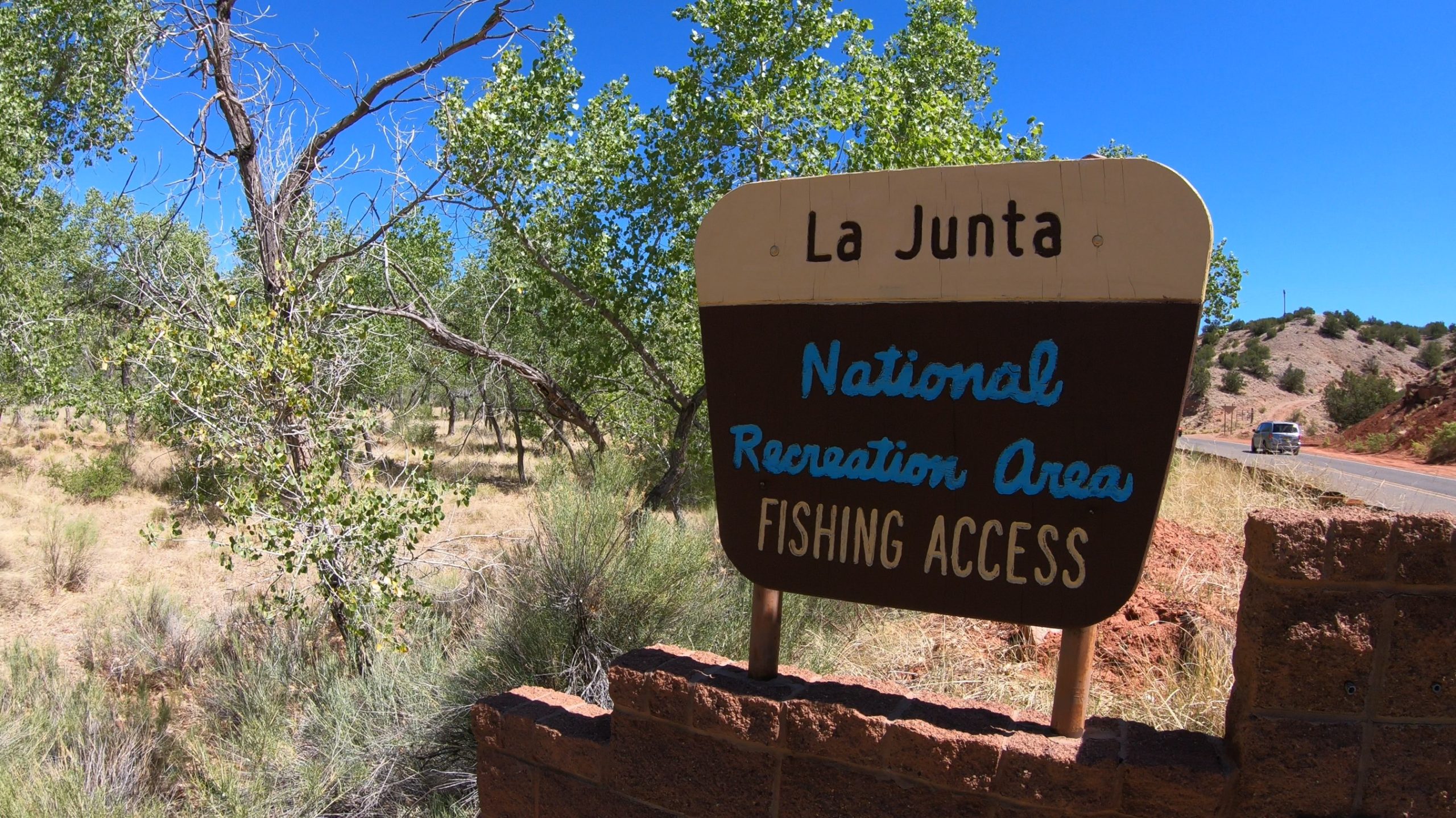
Located within the Jemez National Recreation Area, La Junta is more than just a place to park your truck; it is a gateway to the rhythmic, silver pulse of the river. Whether you are a seasoned fly fisher stalking wild browns or a family looking for easy Jemez River Trout Fishing Public Access, this stretch of the Santa Fe National Forest is an angler’s masterclass in technical pocket water and deep, turquoise pools
The Landscape: Jemez Mountains and the La Junta Access
To truly understand the fishing here, you first have to understand the dramatic terrain of the Jemez Mountains
The Birth of the River
The Jemez River is a fascinating system formed by the confluence of two distinct mountain lifelines
-
The East Fork: Stretching about 22 miles, this is a designated National Wild and Scenic River
. -
San Antonio Creek: This is the longest headwater tributary; if included, it brings the river's total length to about 80 miles
. -
Confluence and Course: Both tributaries flow through intricate meanders in the Valles Caldera before meeting at Battleship Rock to officially form the main stem of the Jemez River
.
Navigating La Junta in Cañon, NM
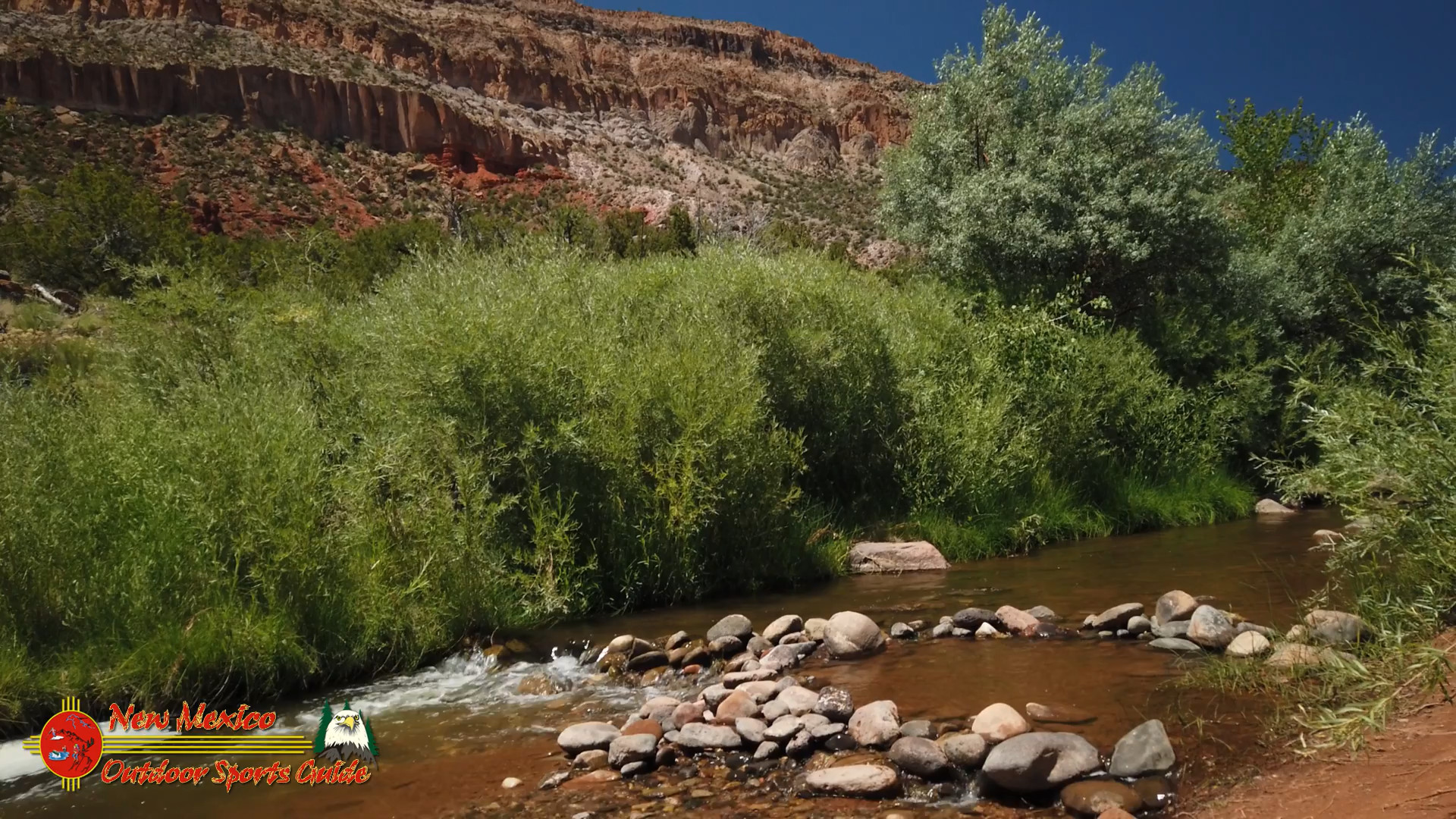
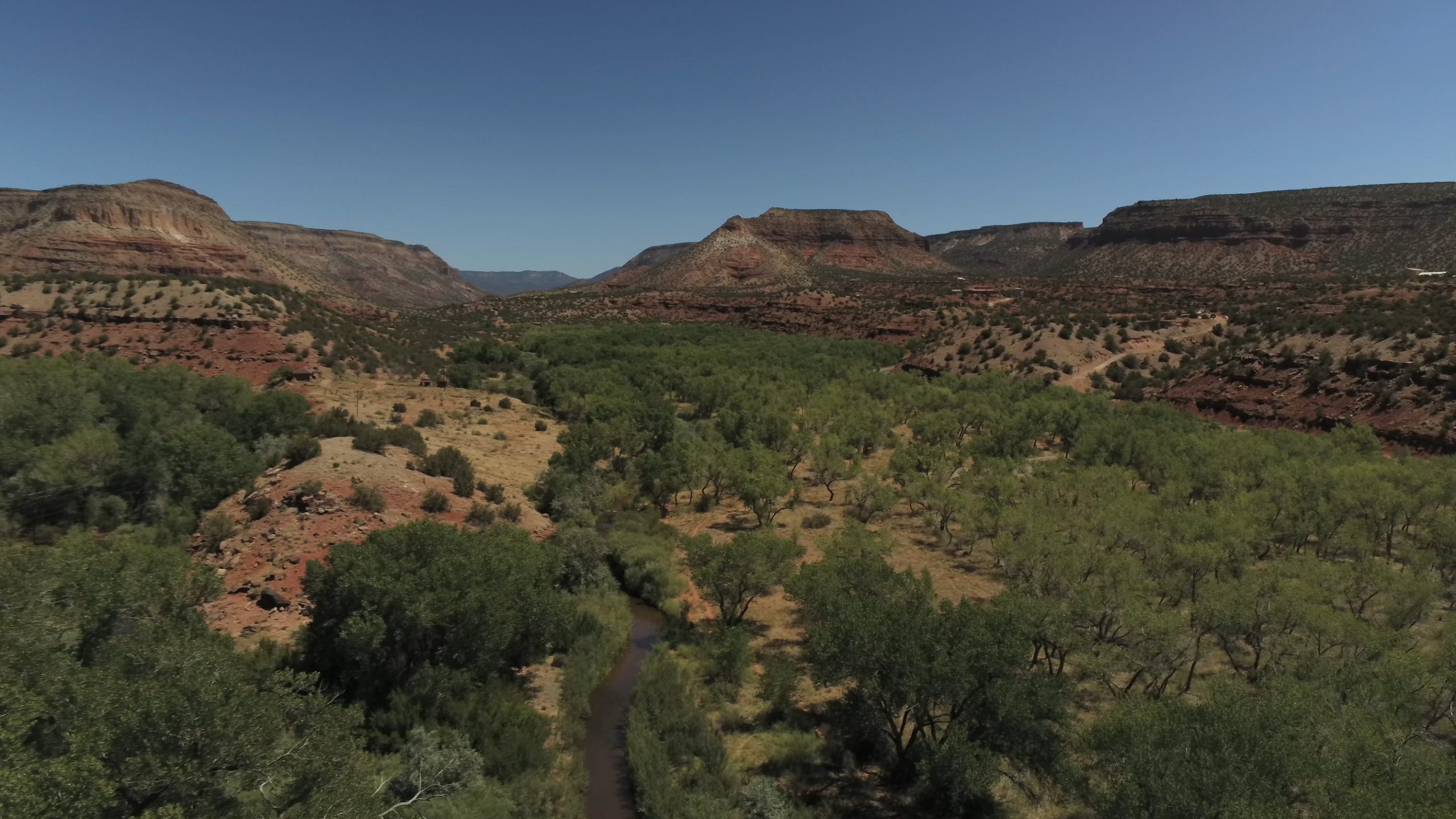
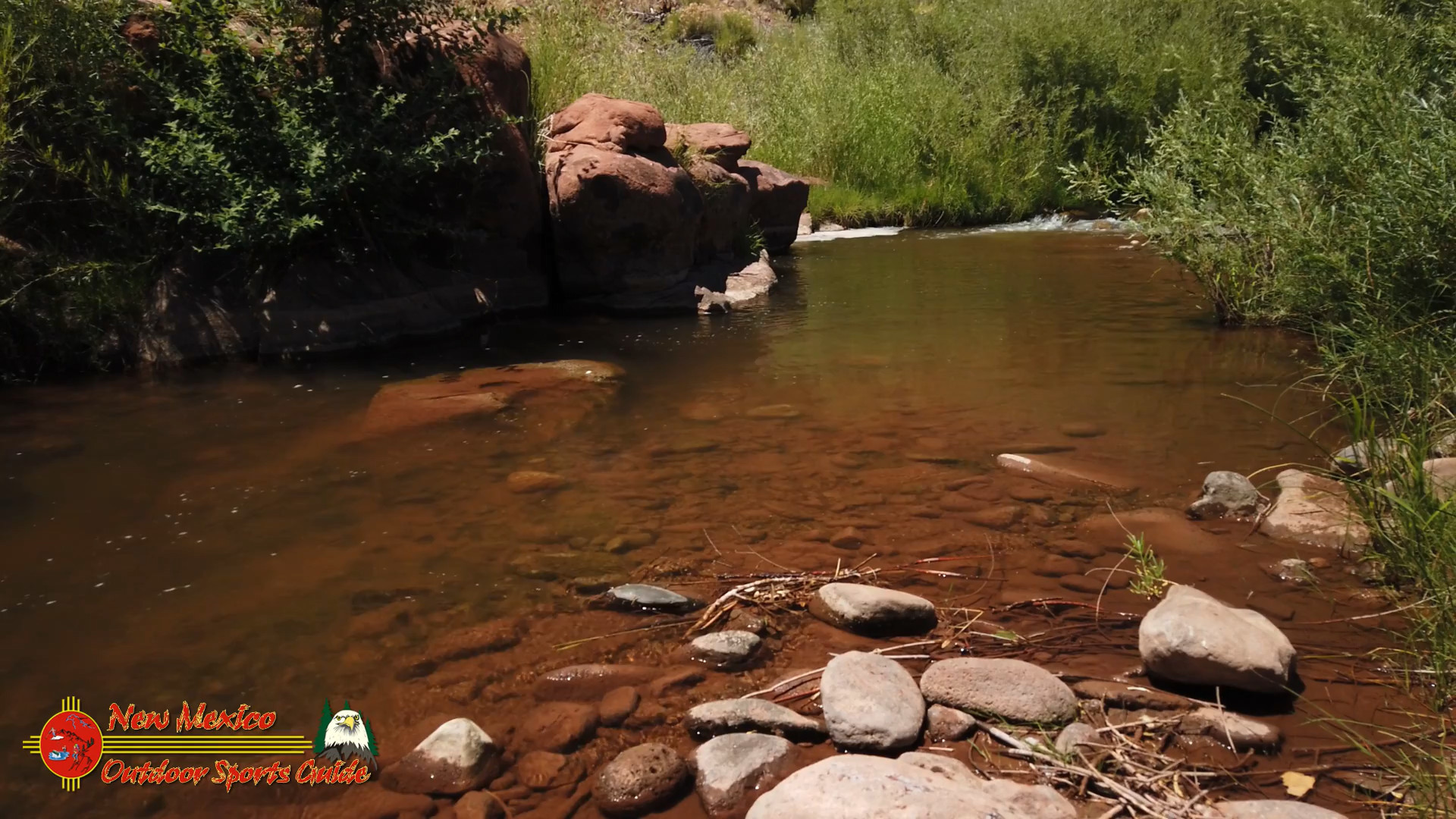
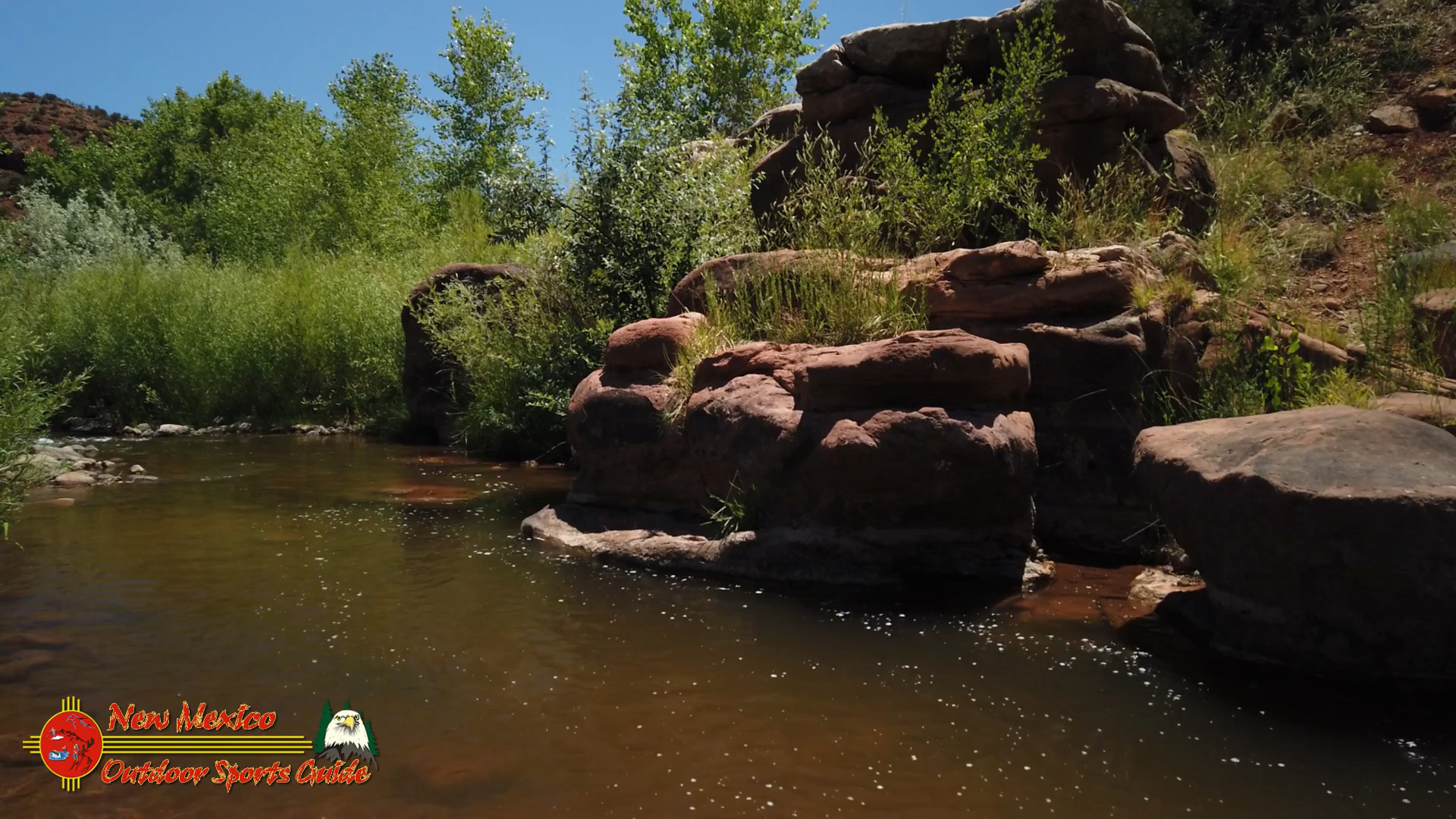
The La Junta Fishing Access is situated in the lower canyon near the village of Cañon, New Mexico. It provides easy entry to a section of river where the canyon walls begin to tighten, creating a dramatic backdrop for every cast
-
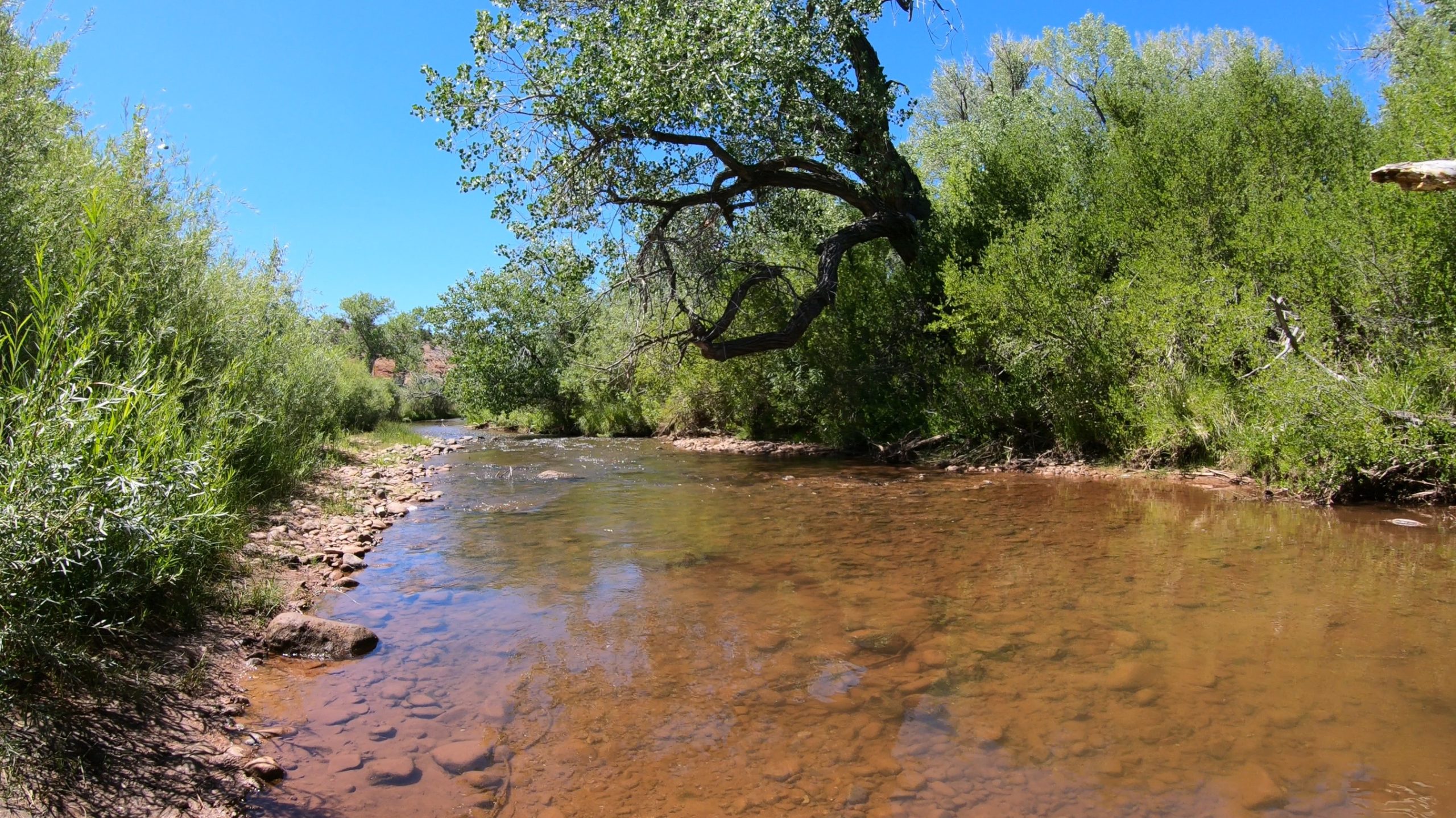
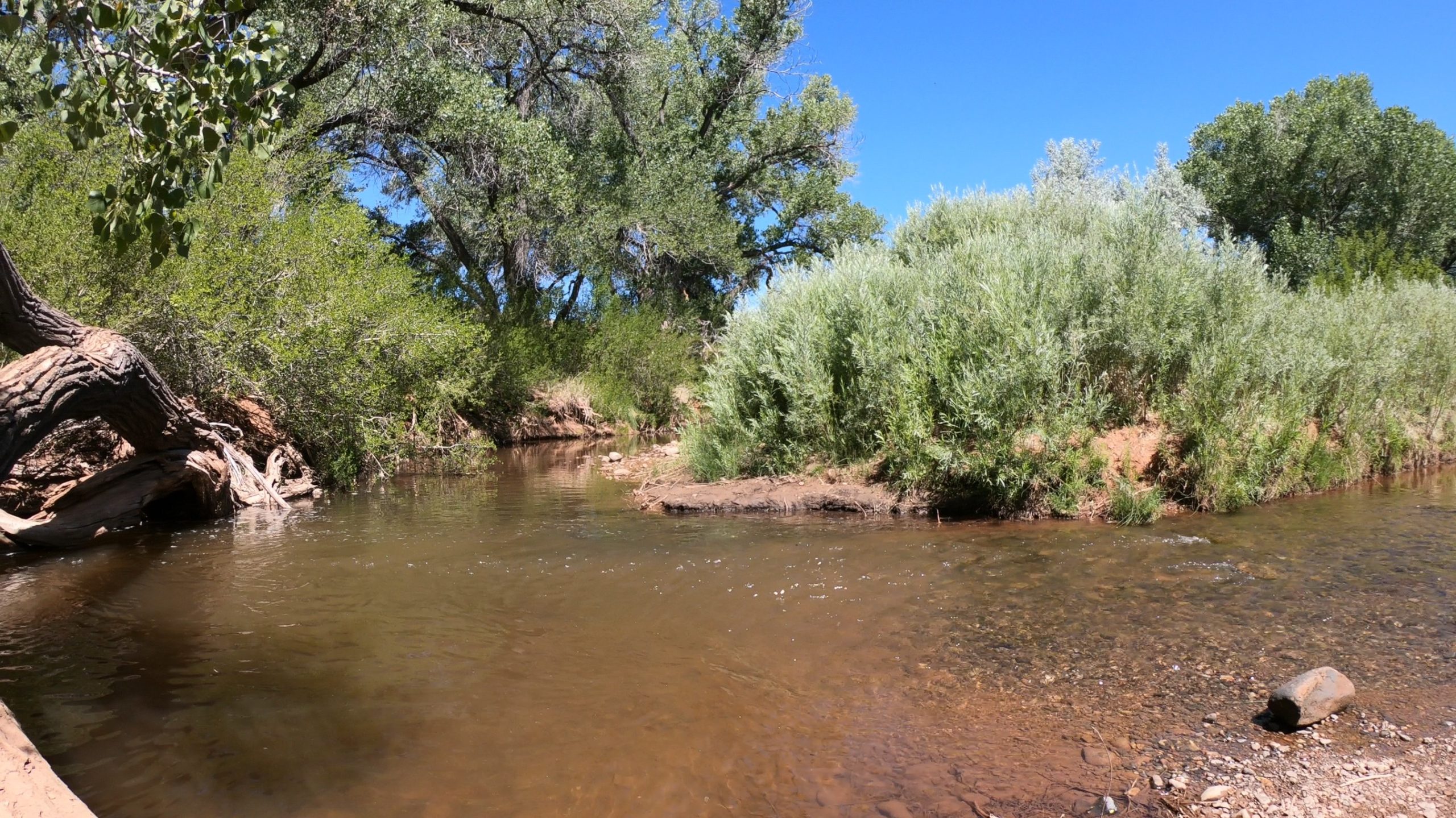
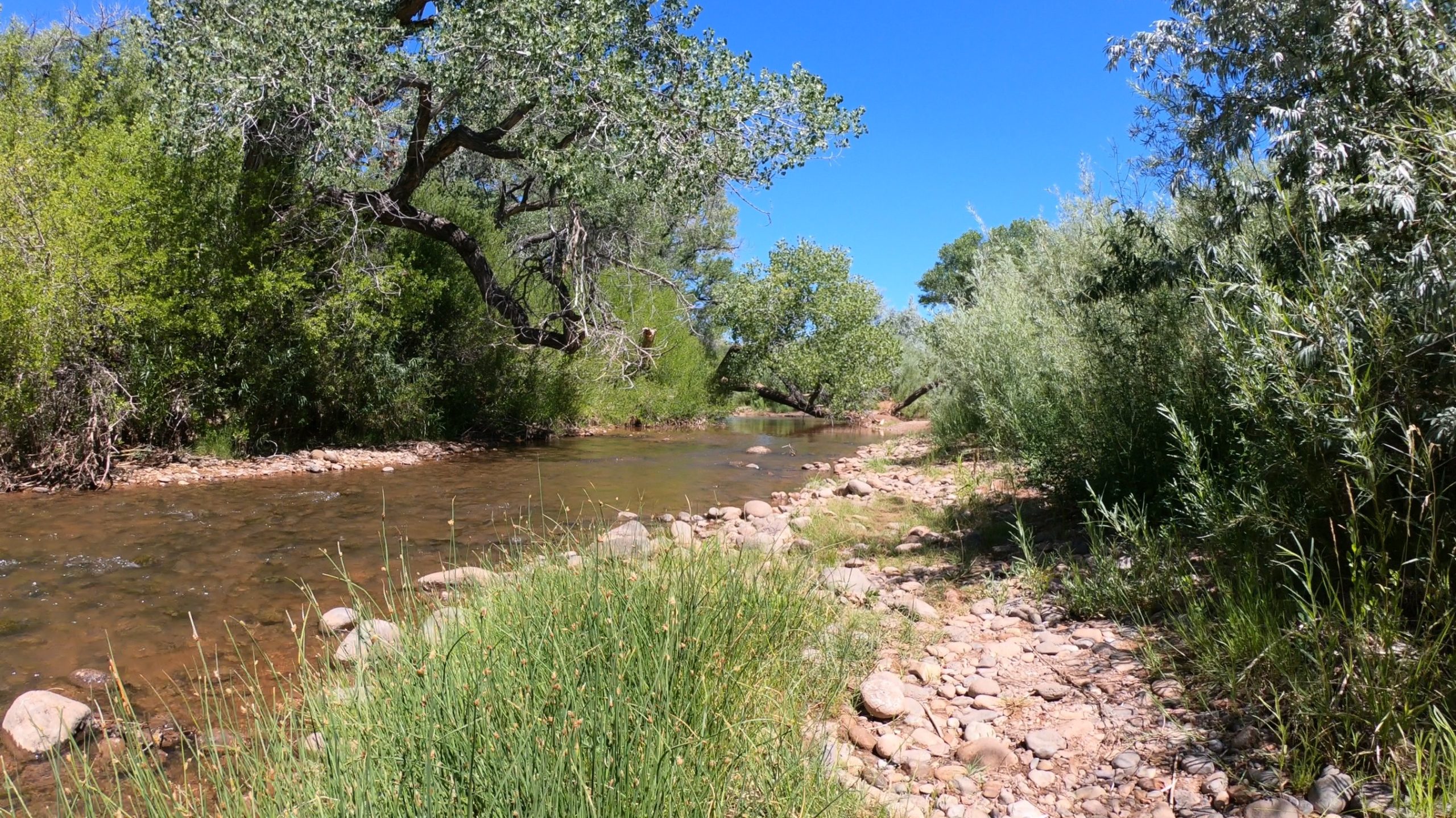
River Dimensions: Most of the Jemez in this area ranges between 15–30 feet wide and generally 2–3 feet deep
. -
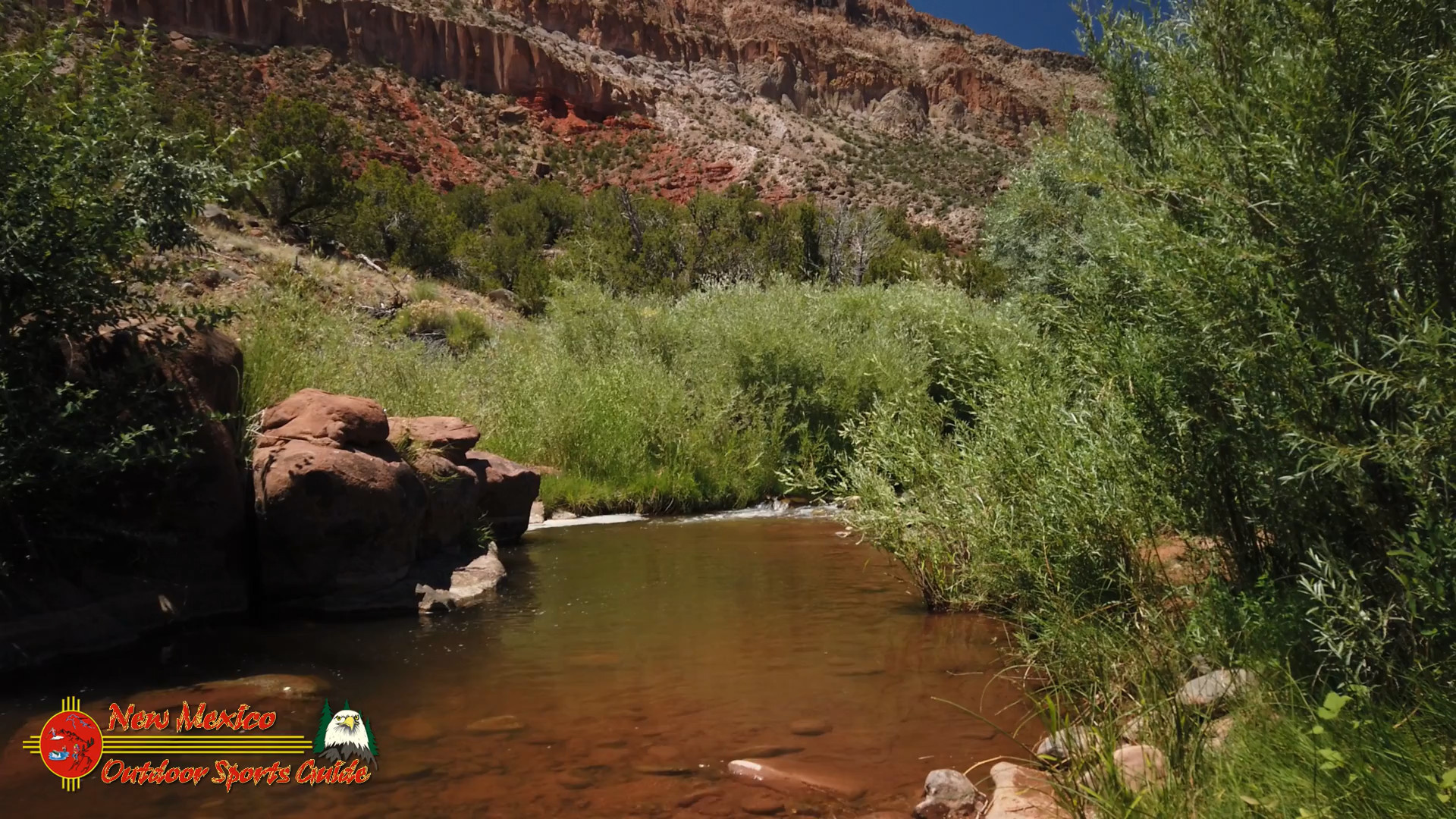
The Deeps: Don't let the shallows fool you; there are several deeper pools reaching five feet that serve as sanctuaries for larger trout
. -
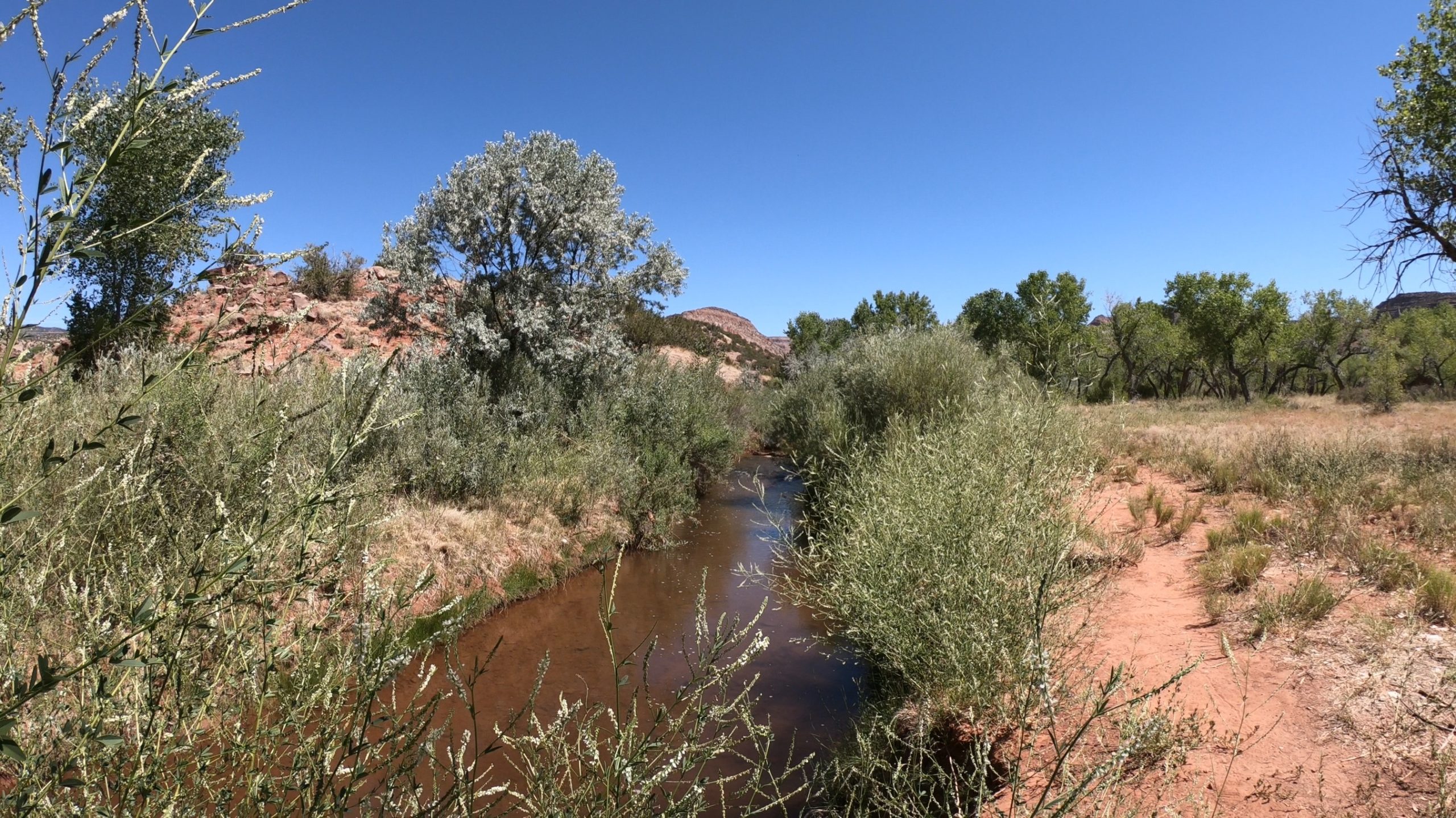
The Wading Strategy: Cottonwoods, willows, and alders are scattered along this freestone-like river
. Because of the thick brush on the banks, you are often forced to wade up the middle to reach the best casting lanes . -
Highway 4 Convenience: Access is extremely easy because NM Highway 4 parallels the river throughout its course
.
Scouting the Water: Targeted Trout Species
When you’re out for a day of Jemez River Trout Fishing Public Access, you are hunting for two main prizes that thrive in these mountain waters
1. Wild Brown Trout
The Brown trout are the heart and soul of the Jemez. These fish are wild, brilliantly colored, and can be incredibly spooky in the clear water
-
Size: Most wild browns range from 8–12 inches, though they fight well above their weight class
. -
Habit: They love the classic "holds"—shadowy pockets behind boulders, deep seams in the current, and undercut banks
.
2. Stocked Rainbow Trout
To supplement the wild populations, the New Mexico Department of Game and Fish (NMDGF) stocks rainbow trout throughout the winter months
-
Identification: Look for polished silvery sides, a vibrant red band along the lateral line, and black specks from head to tail
. -
Accessibility: Stocked fish are often found in the more accessible stretches near the La Junta parking areas
.
Gear Up: Choosing the Right Tools
The technical nature of the Jemez River means your choice of equipment can make or break your day
The Fly Fisher’s Arsenal
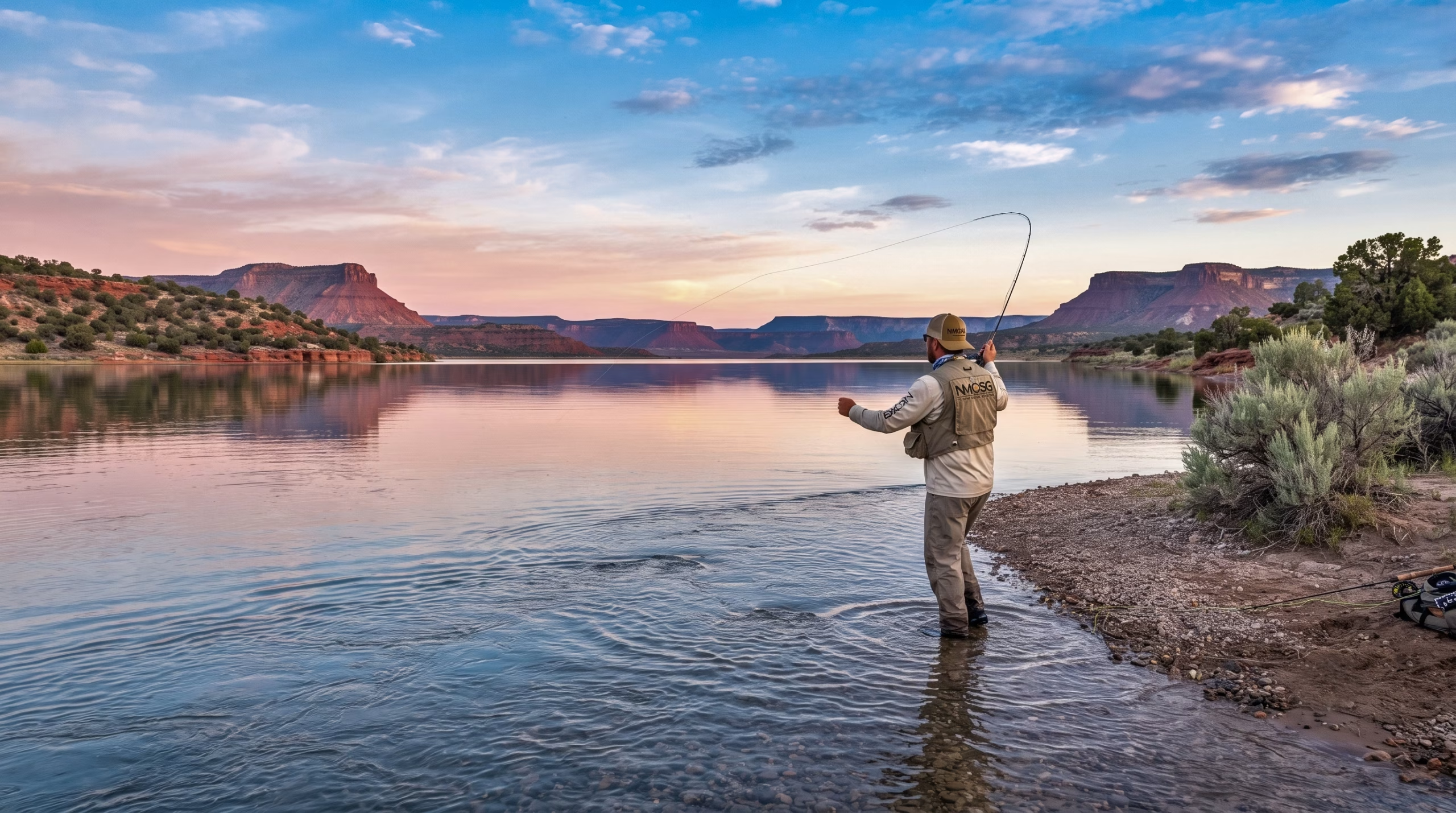
Many anglers prefer the grace of the fly rod for these mountain meanders
-
Fly Rods & Reels: A lightweight 3-weight or 4-weight fly rod is ideal for the tight quarters and technical water at La Junta
. Pair it with a high-quality reel featuring a smooth drag system . -
Fly Line: Use a weight-forward floating line to help with delicate presentations in the canyon's swirling currents
. -
The Menu (Flies & Nymphs):
-
Nymphs: Small nymphs like Zebra Midges, Pheasant Tails, or RS2s (size 16–20) drifted through deep seams are often the "ticket" to success
. -
Dry Flies: During the winter, midge hatches provide the bulk of the surface action
. In summer, look for mayfly or hopper patterns to trigger a surface strike . -
Streamers: Always keep small streamers in your box for the deeper turquoise pools
.
-
The Spinning Setup
If you prefer a more traditional approach, spinning gear is highly effective in the canyon's deeper runs
-
Spinning Rods & Reels: An ultra-light spinning rod (5' to 6') allows you to navigate the brushy banks and overhanging willows
. -
Spinning Line: Use 4lb to 6lb test monofilament or fluorocarbon line
. The water is exceptionally clear, so a thin, invisible line is a must to avoid spooking the fish . -
Spinning Bait and Lures:
-
Lures: Small spinners like Mepps or Panther Martins in gold or silver can be deadly in the faster ripples
. -
Bait: Where permitted by NMDGF regulations, salmon eggs or traditional baits can be used, but always check for special regulation water markers
.
-
Timing and Conditions: When to Cast
Trout are notoriously picky about their environment, and the Jemez is no exception
Productive Water Temps
Trout are most active when the water is between 10°C and 18°C (50°F to 65°F)
-
The Summer Challenge: The Jemez is a low-elevation stream. During the heat of July and August, water temperatures can soar, making the fish sluggish and the fishing tough
. -
The Winter Miracle: Winter in the Jemez is cold but the water seldom freezes solid, making it a wonderful winter fishery when other mountain streams are iced over
.
Best Time of Day
-
Early Morning: Beat the intense New Mexico sun and catch the fish while they are actively feeding in the shallows
. -
The Golden Hour: As the sun dips behind the western canyon rims, insect activity increases, leading to a late-day feeding frenzy
.
The Wet Hand Ritual: Catch and Release Best Practices
In the Jemez watershed, many anglers practice catch and release to preserve the wild trout populations for future generations
-
Wet Your Hands: Never touch a trout with dry hands; this protects their vital slime layer from being stripped away
. -
Barbless Hooks: Using barbless hooks minimizes tissue damage and allows for a much quicker release, reducing stress on the fish
. -
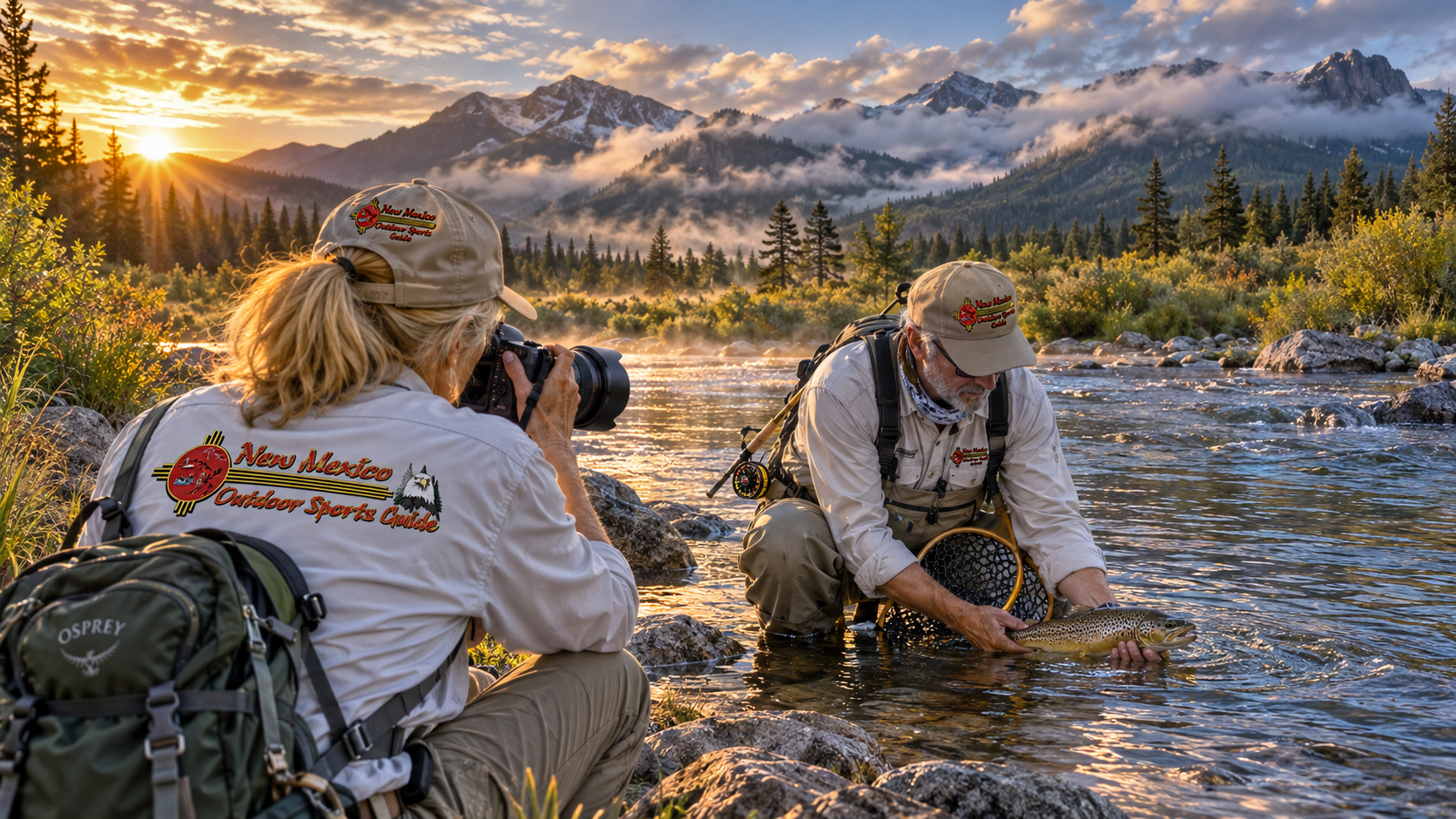
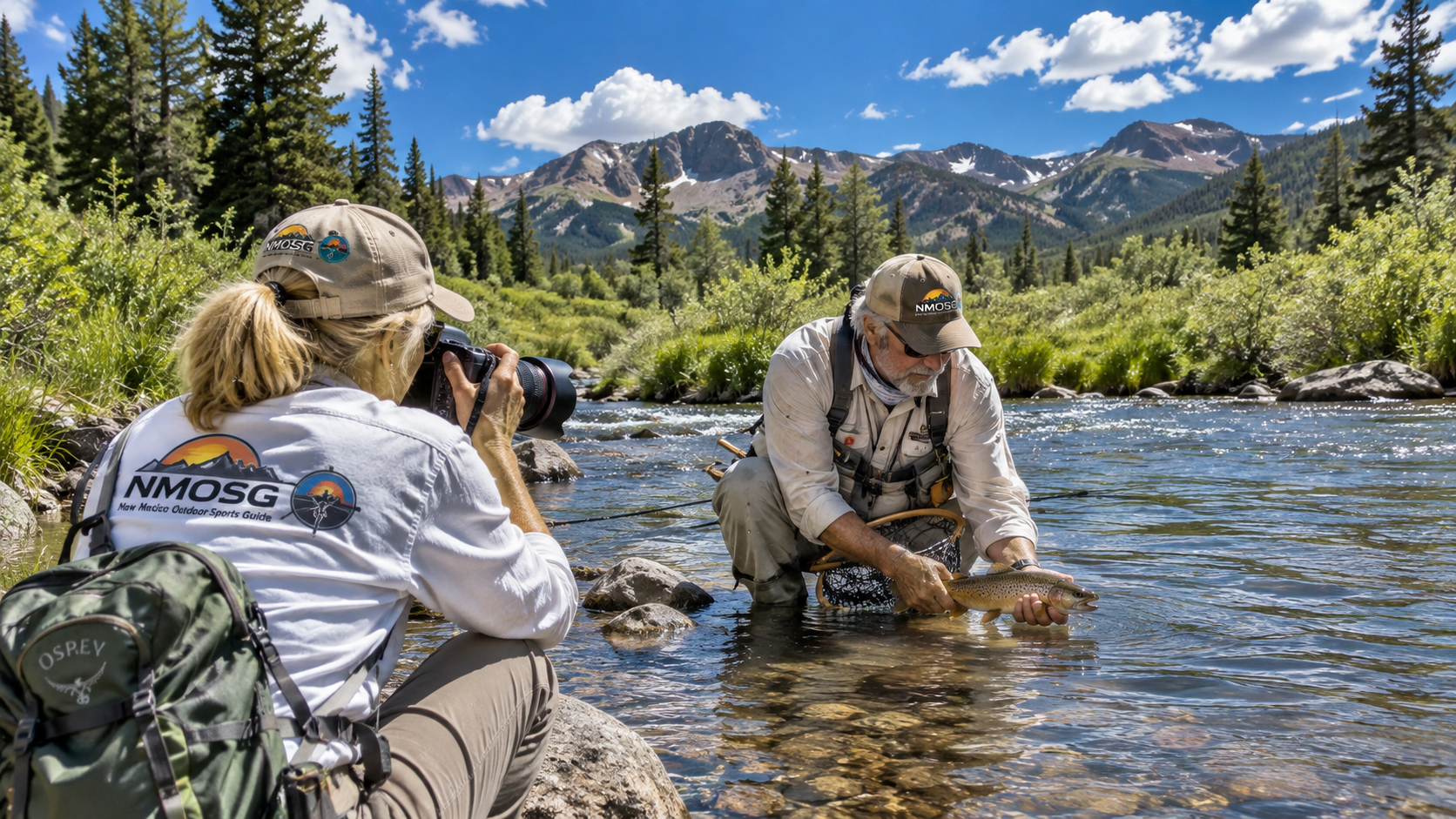
Keep 'Em Wet: If you take a photo, keep it to ten seconds or less
. A trout out of water is like a human holding their breath after a sprint .
Planning Your Trip to Jemez, New Mexico
Getting There
The journey to La Junta is as scenic as the destination itself
-
From Albuquerque: Take NM 550 to Bernalillo, then head north on NM 4
. You will pass through the red rocks of the Guadalupe Box before reaching the village of Cañon . -
From Santa Fe: Take US-84/285 North to NM-502 toward Los Alamos, then follow the winding beauty of NM-4 West into the mountains
.
Camping and Seasons
-
Seasons: Spring offers blooming willows and active fish, though you should watch for murky runoff
. Fall provides crisp air, golden aspens, and aggressive browns preparing to spawn . -
Camping: The Jemez Ranger District manages several developed campgrounds nearby, such as Vista Linda, Redondo, or San Antonio
. These sites offer picnic tables and fire rings for a perfect night under the stars .
Conclusion: The Call of La Junta
The Jemez River is a place where time slows down
Are you ready to test your luck on the water? Grab your gear, double-check your fishing license, and head into the Jemez
Pat is a writer, photographer, and videographer documenting the wilderness and wildlife of the American Southwest. His work focuses on the mountains, deserts, rivers, and trails of New Mexico, Arizona, Utah, and Colorado. He and his wife Paulette divide their time between Santa Fe, New Mexico and Lake Mohave, Arizona.
0 Comments