
The Iron Heart of the High Desert: A Journey to Lamy, New Mexico
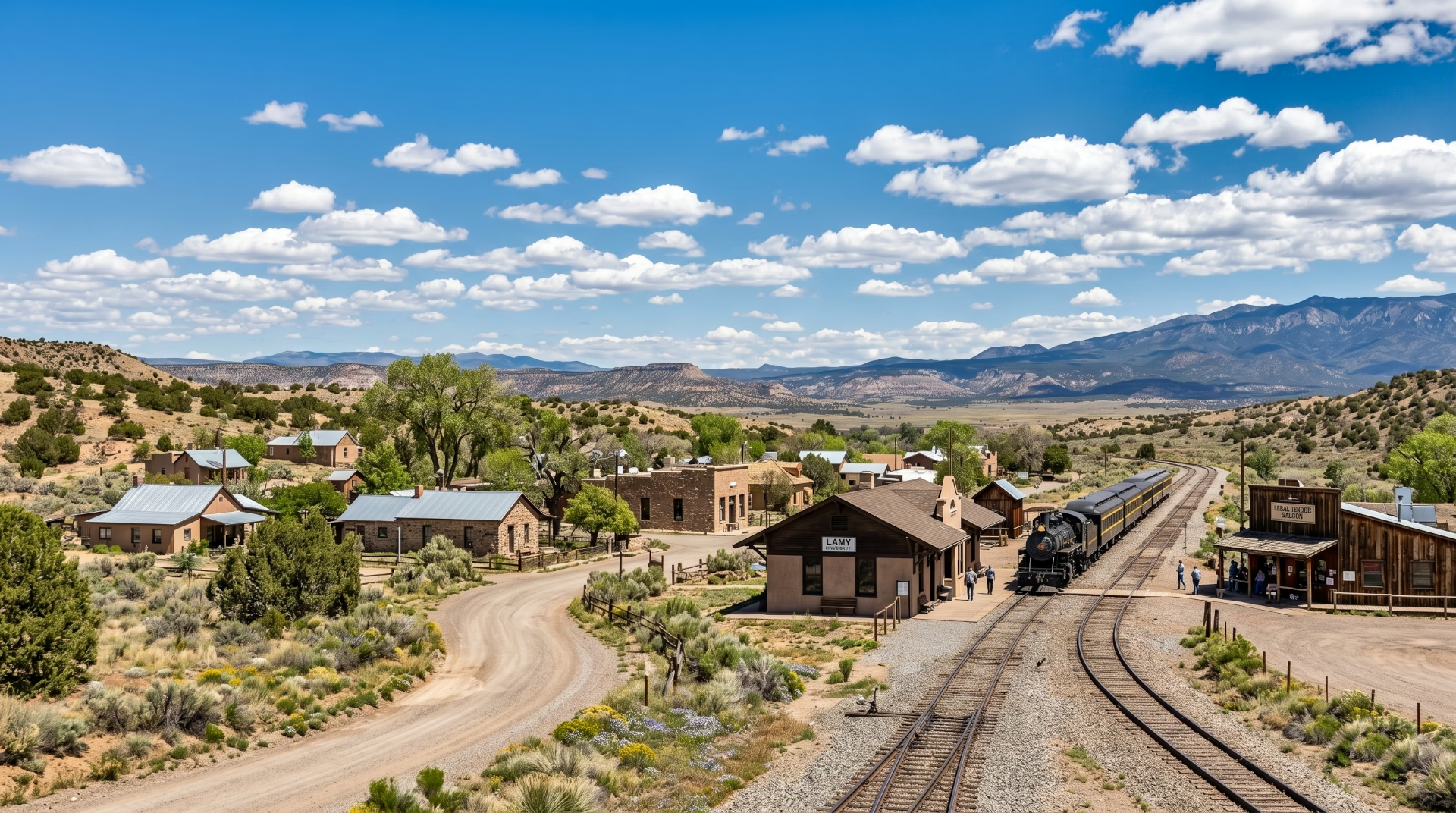
There is a specific kind of stillness that settles over you when you turn off the main highway and descend into the golden basin of Lamy, New Mexico
Lamy isn't just a dot on a map; it is a gateway
1. Deep Roots: The Earliest Inhabitants of the Basin
Long before the first steam whistle echoed through the canyon, the area around Lamy was a bustling crossroads of human migration
The Paleo-Indian Hunters
Human history here began as early as 7,500 to 6,000 B.C. with the Paleo-Indians
The Rise of the Super Pueblos
Between 1100 and 1300 A.D., a massive surge in population—likely triggered by drought in Chaco Canyon—brought thousands of people to the basin
-
San Cristóbal Pueblo: Located just a stone’s throw from Lamy, this was once a massive complex featuring over 1,600 rooms and five ceremonial plazas, housing nearly 1,000 people
. -
The Rock Art Galleries: The cliffs surrounding these ruins are world-class galleries of petroglyphs
. Thousands of images—celestial symbols, wildlife, and human figures—are etched into the dark basalt, standing as silent witnesses to a civilization that thrived here long before European contact .
2. A Geologic Drama: "Frozen Plumbing" and Sleeping Dragons
To walk through Lamy is to walk over a literal volcanic battlefield
The Frozen Plumbing
About 30 million years ago, magma pushed upward through the earth’s crust, intruding into older layers of sandstone and shale
The Garden of the Gods
Just west of Lamy lies the Garden of the Gods
3. The Lifeblood: Galisteo Creek and the High Desert Climate
In the high desert, water is more than a resource—it is a miracle
The Seasons of the Basin
Sitting at an average elevation of 6,000 feet, Lamy experiences a semi-arid climate with four distinct, vivid seasons
-
Spring: Known for high winds and "mud season" as mountain snowmelt feeds the creek
. -
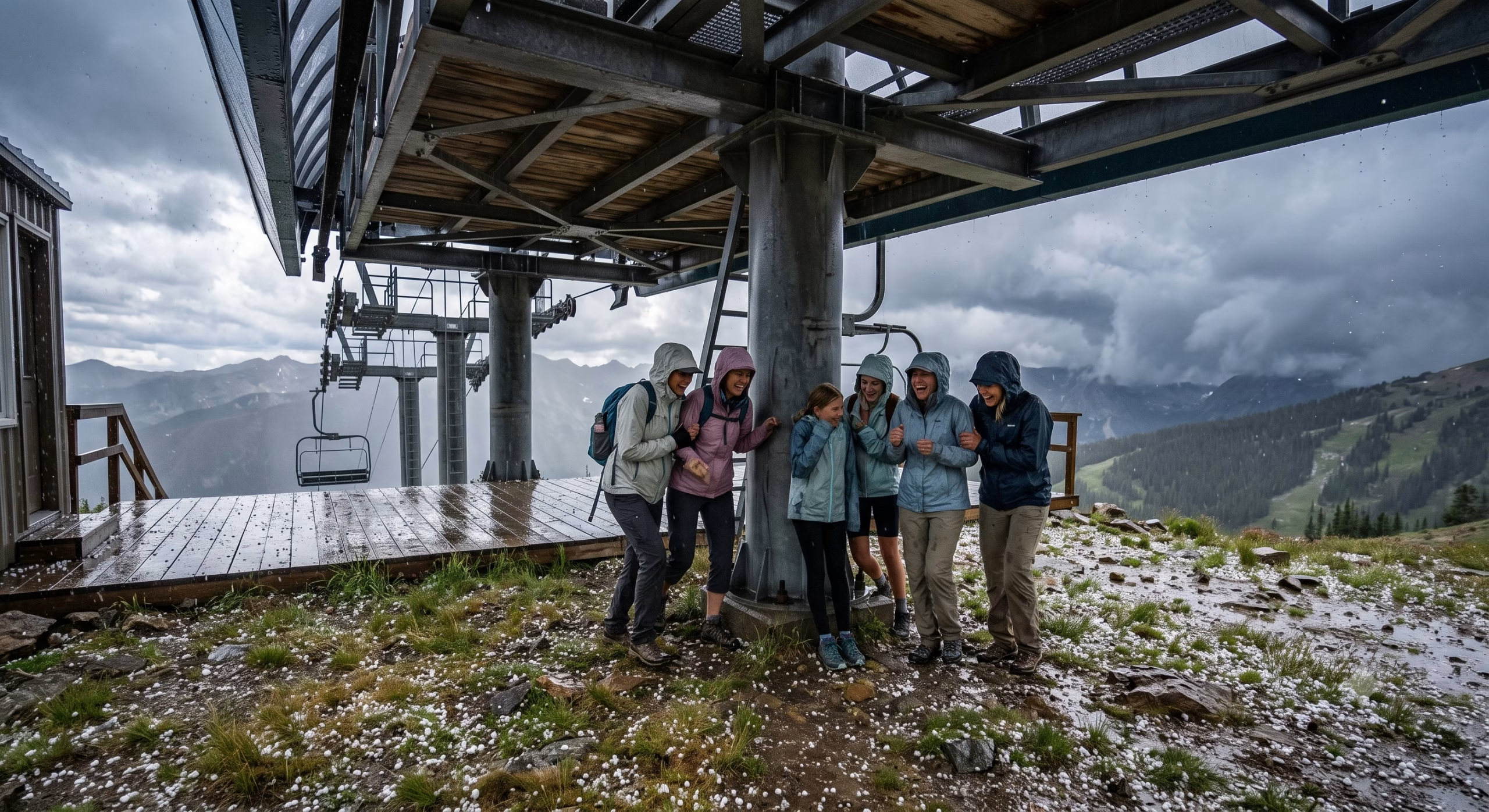
Summer: Bright, hot days often broken by dramatic afternoon monsoons in July and August that can turn dry arroyos into raging torrents
. -
Fall: The "Golden Season." The air turns crisp, and the ancient Cottonwoods along the riverbanks turn a brilliant neon yellow
. -
Winter: Bitingly cold but visually stunning, especially when a light dusting of snow clings to the red mesas
.
4. The Birth of a Rail Town: Archbishop Lamy and the Iron Horse
The modern town of Lamy was born out of a 19th-century engineering decision
The Santa Fe Connection
Ironically, the railroad never actually made it to the city of Santa Fe initially
The Santa Fe Northwestern Railway
Lamy also served as a vital hub for the Santa Fe Northwestern Railway, which hauled massive amounts of timber from the Jemez Mountains down to the basin in the early 1900s
5. Lamy Today: The Sky Railway and the Legal Tender
Today, Lamy is a fascinating blend of historical preservation and creative reinvention
The Sky Railway
One of the most exciting developments in recent years is the Sky Railway
The Spirit of the Village
-
The Lamy Depot: The historic 1909 depot remains a hub of activity, a beautiful example of mission-style architecture
. -
The Legal Tender: This legendary saloon and restaurant has served weary travelers for generations
. Stepping inside feels like stepping back into the 1880s, complete with original wood finishes and stories of the railroad's heyday . -
Artist Enclave: Much like nearby Madrid and Galisteo, Lamy has become a haven for artists and riders who value the silence and the "bigness" of the high plains
.
6. Cinematic Lamy: Hollywood’s Frontier
The rugged beauty of the Lamy area hasn't escaped the eyes of Hollywood directors
-
Cerro Pelon Ranch: Located nearby, this ranch (formerly the Cook Movie Ranch) was the site for films like Silverado, 3:10 to Yuma, and Thor
. -
Visual History: The juxtaposition of the historic train depot and the wide-open mesas makes Lamy a "natural studio" for stories of the American West
.
7. Conclusion: A Landscape for the Soul
Lamy, New Mexico, is more than just a place to catch a train
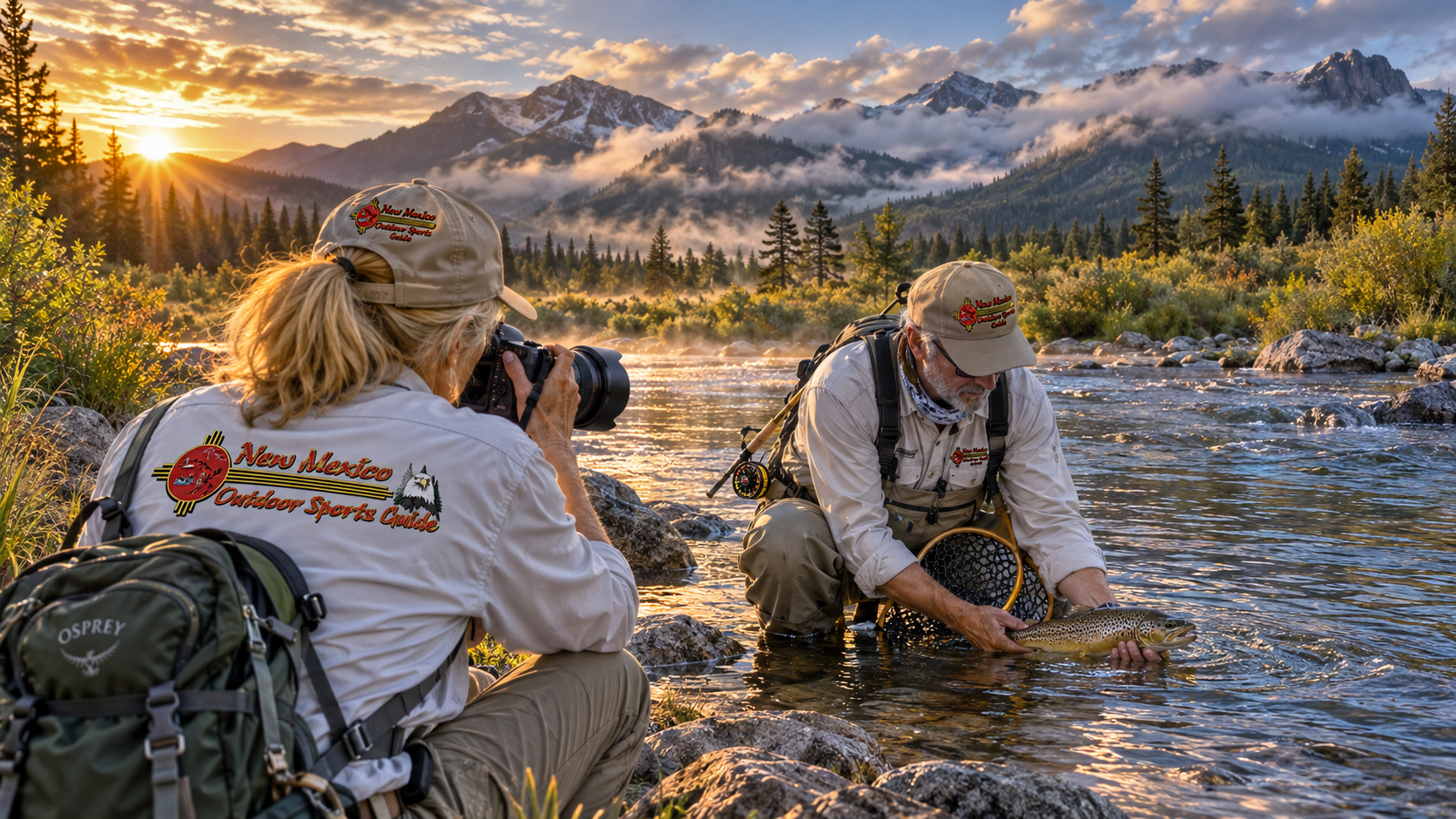
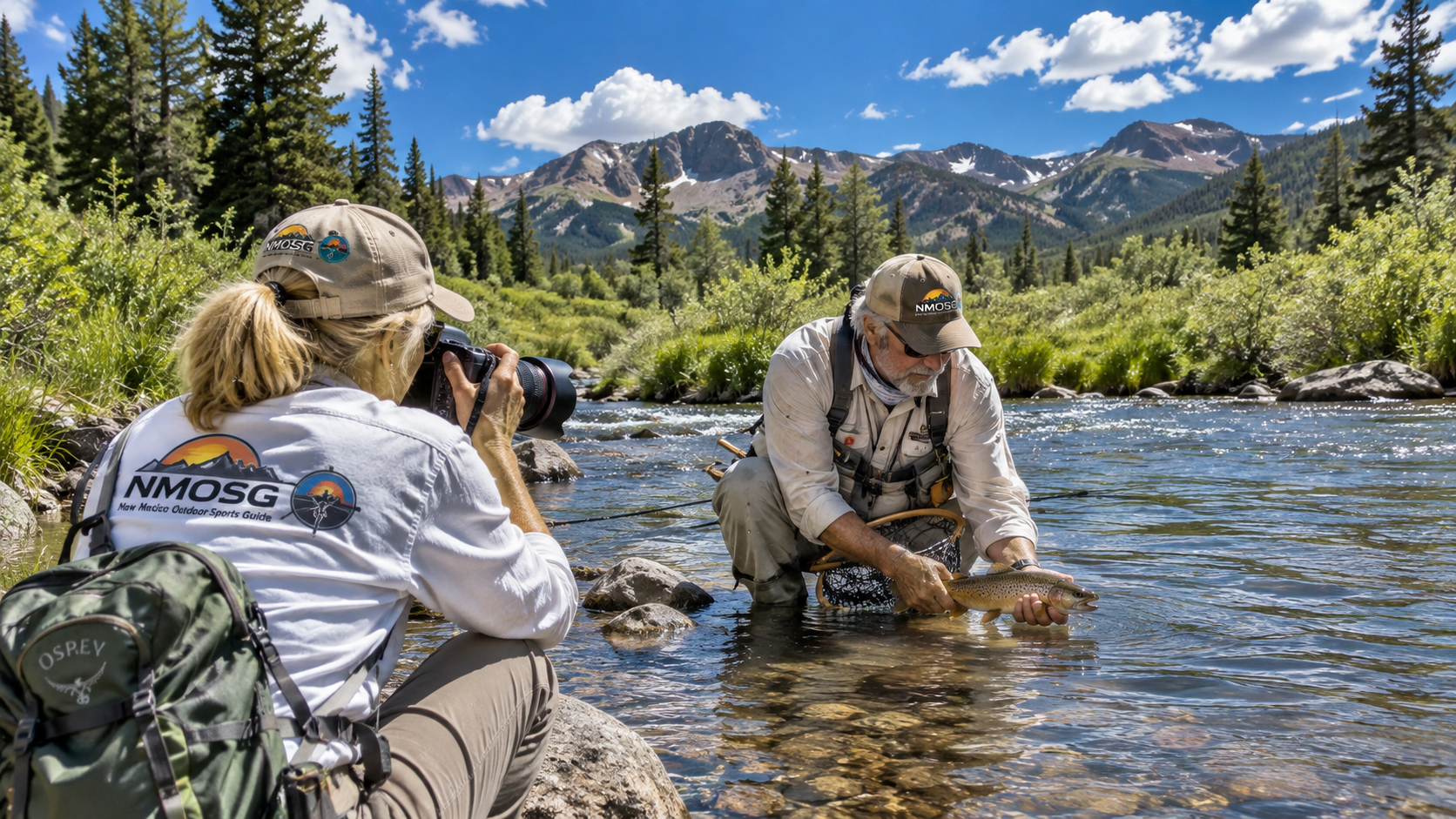
Whether you are scouting for trout fishing locations along the nearby creeks, exploring the ruins of a "super pueblo," or simply enjoying a cold drink at the Legal Tender, Lamy offers a soul-cleansing escape that feels worlds away from the modern grind
Discover the High Desert
Are you ready to see the "Iron Heart" of New Mexico for yourself?
-
Ride the Rails: Book a trip on the Sky Railway for a cinematic journey through the basin
. -
Explore the History: Visit the Lamy Depot and imagine the era when this was the busiest junction in the state
. -
Respect the Land: When visiting nearby ruin sites or hiking the Galisteo Basin Preserve, always practice "Leave No Trace" to protect this ancient landscape
.
The wild heart of New Mexico is calling—we'll see you in the Basin!
0 Comments