
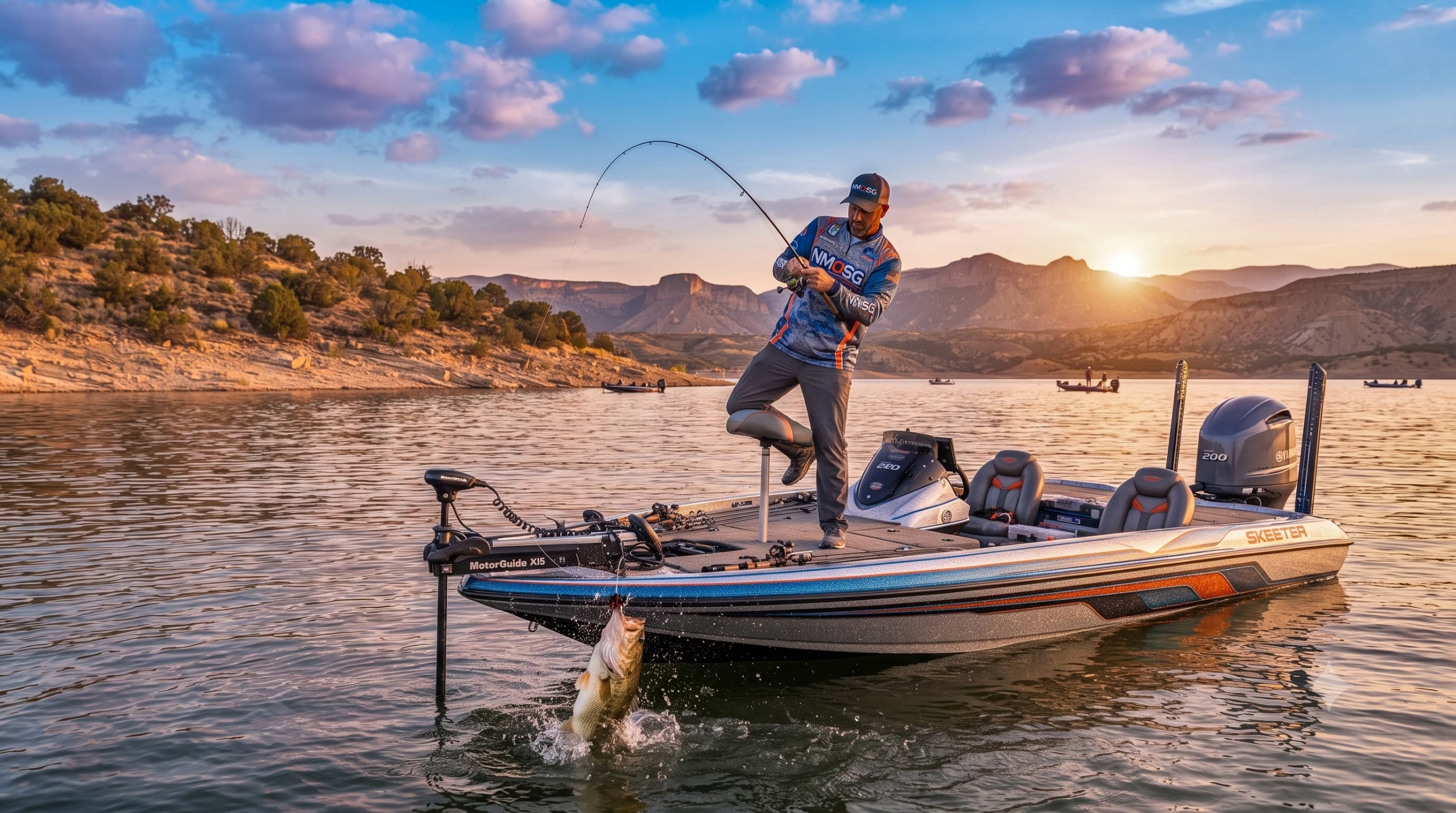
High-Desert Gold: Mastering How to Catch Largemouth Bass on Navajo Lake New Mexico
There is a singular, heart-stopping moment when the sun has just cleared the canyon rims of northern New Mexico, casting a warm, honey-colored light across the water, and your topwater bait disappears in a violent, foaming swirl. If you have ever felt the surge of a heavy-shouldered fish peeling drag against a singing reel in the crisp mountain air, you already know why we keep coming back to the water. Today, we are pulling back the curtain on one of the most exciting angling pursuits in the Southwest: figuring out How to Catch Largemouth Bass on Navajo Lake New Mexico.
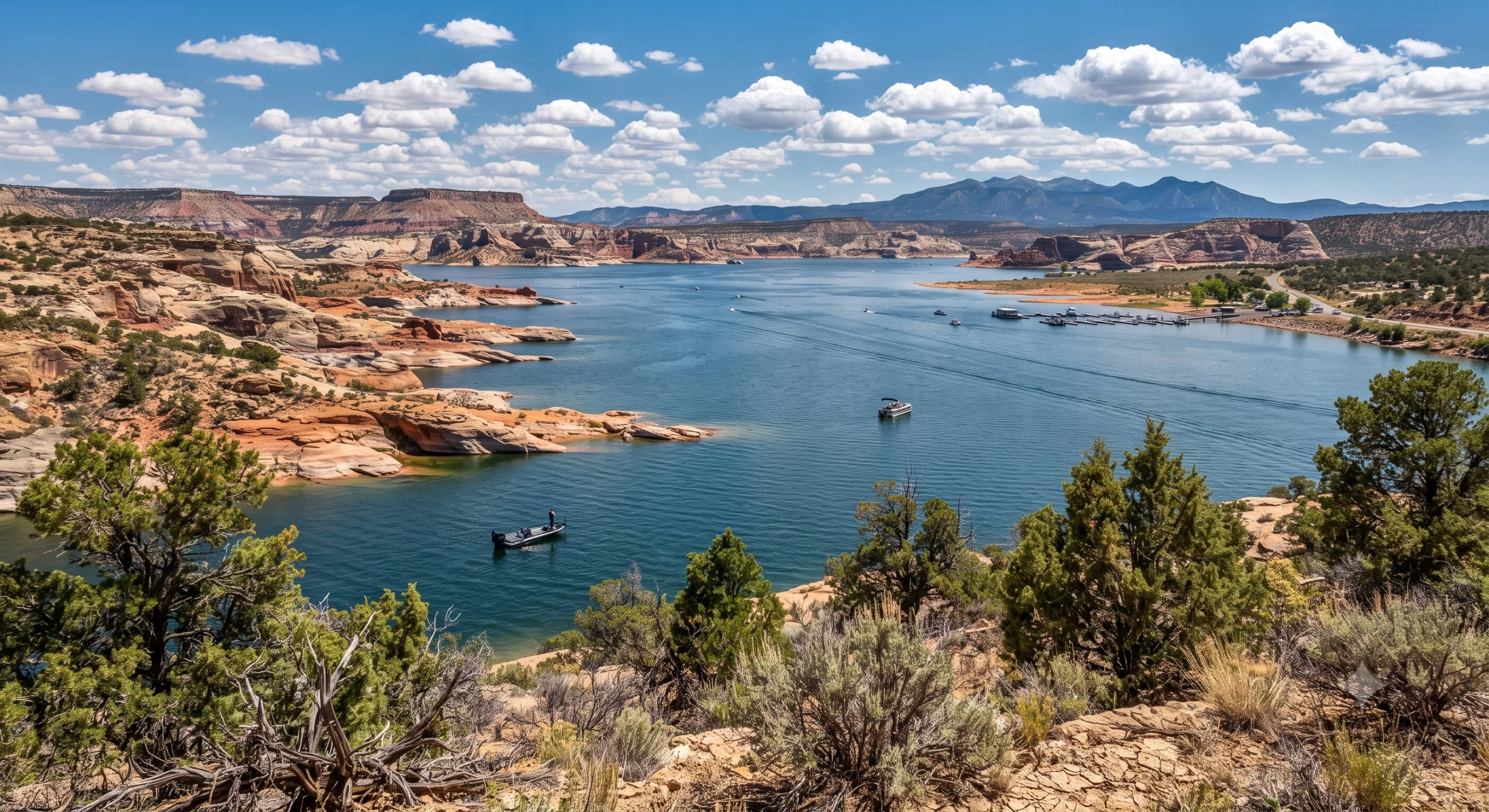
Tucked away in the rugged sandstone and piñon-covered canyons of San Juan and Rio Arriba counties, Navajo Lake is New Mexico’s second-largest body of water. Spanning roughly 15,600 surface acres with over 150 miles of winding shoreline, this alpine-fed giant offers a dramatic stage for bass fishermen. Whether you are trailering a gleaming bass boat or working the banks from a kayak, unlocking the secrets of Navajo’s largemouth population requires a mix of patience, local awareness, and the right gear.
So, settle into your favorite chair, grab a cup of coffee, and let’s talk strategy, tackle, timing, and travel. Here is your ultimate blueprint for landing trophy largemouth bass on Navajo Lake!
The Anatomy of the Lake: Major Rivers and Waterways
To understand how largemouth bass behave in Navajo Lake, you first have to understand where the water comes from. Formed by the construction of the Navajo Dam on the San Juan River in 1962, the reservoir acts as a massive aquatic highway fed by several primary arteries:
- The San Juan River: The primary powerhouse feeding the system, plunging south out of Colorado before being impounded above the dam. While the world-famous tailwater *below* the dam is legendary for trophy trout, the upper arms and transitional zones where the river spills into the lake provide fertile, nutrient-rich grounds where largemouth bass love to stage.
- The Los Pinos River and Piedra River: These major northern tributaries stretch across the state line into Colorado, cutting deep canyon arms into the upper reaches of the reservoir. When spring runoff pushes fresh water and nutrients into these inlets, the shallow bays and flooded brush become prime real estate for active largemouths.
Public Access Areas and Marinas
Because Navajo Lake’s footprint is enormous and split across distinct geographical zones, knowing your launch points and public access areas will save you hours of guesswork:
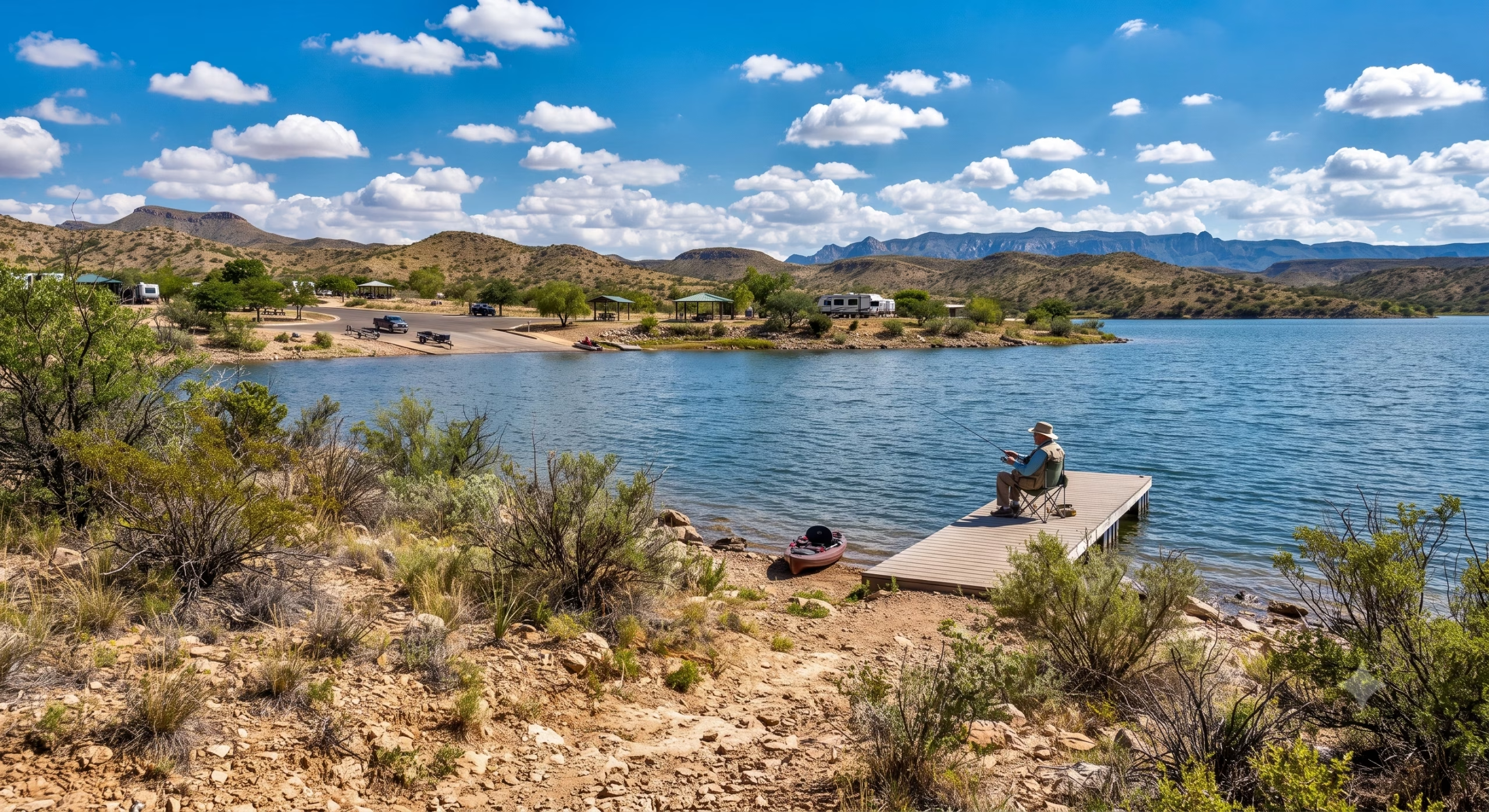
- Pine Main Site (South Shore): The bustling epicenter of Navajo Lake State Park on the New Mexico side. Here you will find a full-service marina, multi-lane concrete boat ramps, the marina store, the Brue Cafe, and extensive camping loops. It is your best staging area if you want immediate access to deep water and main lake structure.
- Sims Mesa Site (North Shore): Located directly across the water from the Pine area, Sims Mesa offers a quieter, highly scenic boat ramp, picnic shelters, and dedicated camping loops. It provides fantastic access to the massive mid-lake bays and secondary points that hold heavy bass populations.
- Colorado Sections (Carracas, Tiffany, and Rosa): For anglers looking for ultimate solitude and primitive access, heading north past the state line into the Colorado portion of the reservoir opens up secluded coves, steep rock walls, and rugged shorelines that see significantly less boat traffic.
Targeting Largemouth Bass: Secrets, Species, and Structure
While Navajo Lake is equally famous for its smallmouth bass, walleye, and trout, the largemouth bass here are genuine bruisers. Unlike smallies that prefer windswept rocky bluffs and gravel points, largemouths are structural opportunists. They relate heavily to cover:
- Submerged Timber and Brush: Decades of fluctuating water levels have left standing timber, drowned juniper bushes, and brush piles scattered throughout the coves and feeder arms. These provide ambush points where big largemouths wait to intercept passing shad and crawdads.
- Creek Channels and Weed Beds: In the shallower arms (particularly near the river inlets during high-water years), submergent vegetation and sloping mud-to-rock transition banks create ideal feeding flats.
Spinning Rods, Reels, Line, and Lures for Navajo Largemouths
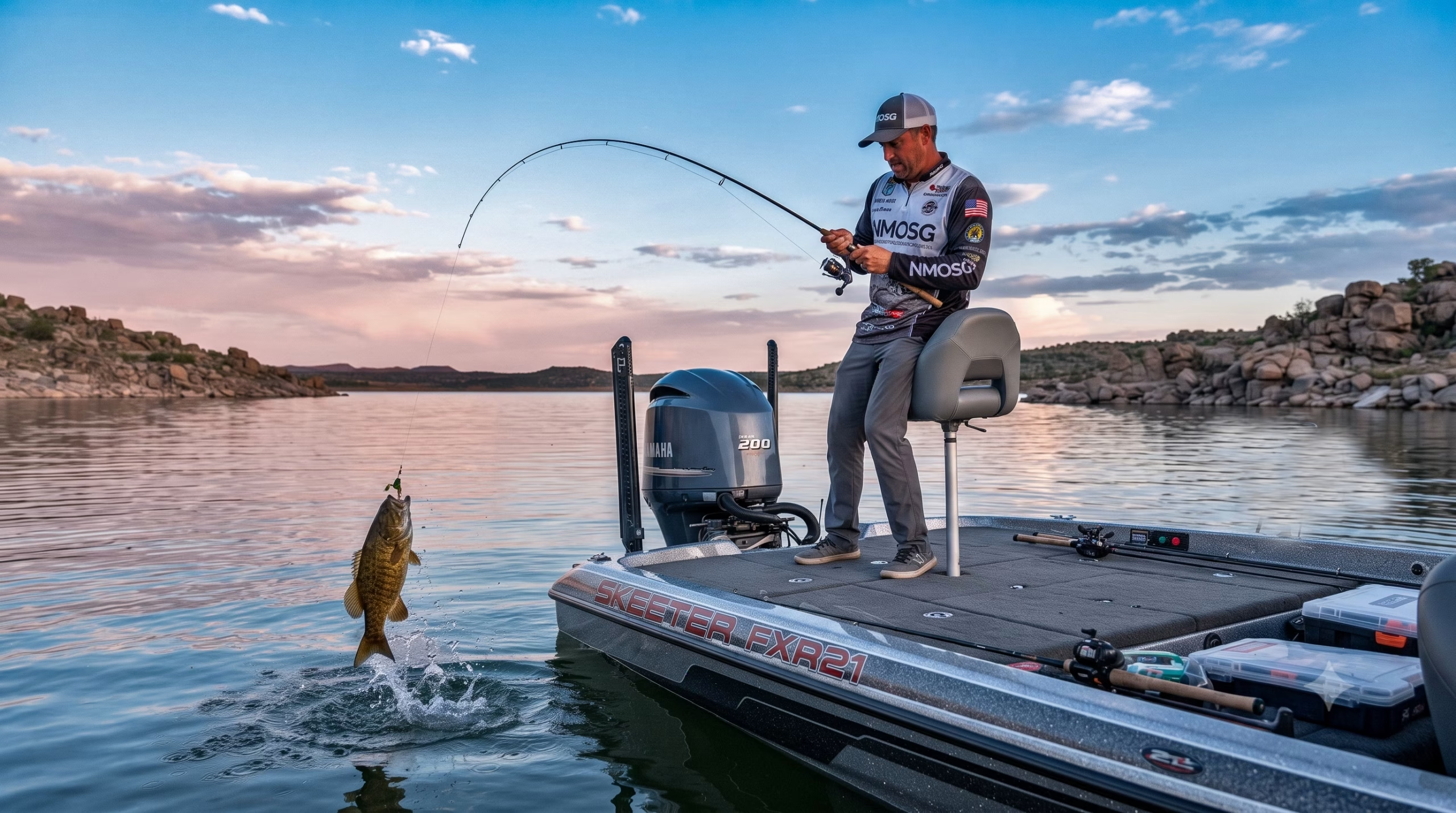
While baitcasting gear has its place in bass fishing, a versatile, high-end spinning setup is an absolute workhorse on high-desert reservoirs where finesse presentations often outshine power-fishing techniques—especially when winds kick up or fish grow line-shy in clear water.
- Spinning Rods: Look for a 6-foot-8-inch to 7-foot-2-inch medium-to-medium-heavy power rod with a fast action tip. This gives you the backbone to pull fish out of timber while maintaining the soft tip needed to skip soft plastics under overhanging branches.
- Spinning Reels: A smooth 2500- to 3000-series spinning reel equipped with a reliable, silky drag system is essential. When a 5-pound largemouth makes a sudden dive into a submerged juniper branch, your drag has to perform flawlessly.
- Line Choice: Spool your reel with 10- to 15-pound braided mainline, and tie on a 6- to 8-foot leader of 8- to 10-pound high-quality fluorocarbon. The braid gives you zero stretch for long casts and solid hooksets, while the fluorocarbon leader remains invisible in Navajo’s clear, high-desert waters.
- Top Spinning Baits & Lures:
- Texas-Rigged Soft Plastics: Green pumpkin or watermelon red finesse worms, creature baits, or beaver-style baits rigged with a bullet weight to punch through brush piles and timber.
- Drop-Shot Rigs: Perfect for suspending a 4-inch finesse worm just above rocky drop-offs and submerged points when bass push deeper during bright midday hours.
- Crankbaits & Jerkbaits: Shad-imitation suspending jerkbaits and medium-diving crankbaits (in ghost minnow or chartreuse-shad patterns) worked along sloping rocky banks and secondary points.
- Topwater Poppers and Frogs: Essential tools for early morning and late evening shallow-water missions around weed beds and flooded timber.
Productive Water Temperatures and the Best Time of Year
Timing is everything when you are trying to figure out how to catch largemouth bass on Navajo Lake New Mexico:
- Productive Water Temperatures: Largemouth bass become active and aggressive when water temperatures range between 55°F and 72°F. Pre-spawn feeding begins as water temps creep past 55°F in the spring, while explosive surface feeding peaks during the warm summer months.
- Best Time of Year:
- Spring (April – May): The prime window. Fish move into shallow bays and coves to spawn as water temperatures hit the low-to-mid 60s. Big females are heavy with eggs and eager to feed.
- Fall (September – October): Another phenomenal season. As water temperatures cool down from summer peaks, bass gorge themselves aggressively on schooling shad to prepare for winter, resulting in heavy, hard-fighting fish in relatively shallow water.
Best Time of Day
High-desert sun can be intense, turning clear water into a blazing mirror by noon. To maximize your catch rates:
- Early Morning (First Light to 10:00 AM): The absolute golden window. Low light encourages largemouths to leave deep sanctuary and hunt aggressively in the shallows. Topwater lures shine during these hours.
- Late Evening (Two Hours Before Sunset to Dark): A second major feeding window as shadows lengthen across the canyon walls and the surface glass settles.
Lake Records and Size Expectations
Navajo Lake is well known for producing quality fish across multiple species. While state-wide records for largemouth bass are often dominated by southern New Mexico waters like Elephant Butte, Navajo regularly yields solid largemouths in the 3- to 6-pound range, with trophy fish touching or exceeding the 8- to 9-pound mark for anglers who dial in deep structure and nighttime patterns during the peak summer heat.
Camping Under the Desert Stars
Staying right on the water enhances the Navajo Lake experience. The park offers wonderful developed camping facilities:
- Pine and Juniper Loops: Located near the main marina, featuring paved parking spurs, picnic tables, fire rings, and easy access to vault restrooms and drinking water spigots.
- Sims Mesa Campground: Ideal for campers seeking sweeping panoramic views of the water and quieter nights.
- Fire Safety Note: Always check current fire restrictions before lighting campfires, as high-desert winds and dry conditions frequently prompt seasonal bans.
Weather and Seasons
- Spring: Crisp mornings, warming afternoons, and occasional high winds that require cautious boat handling.
- Summer: Daytime temperatures consistently reach 85°F to 95°F. Sun protection, hydration, and early morning/late evening scheduling are essential. Occasional afternoon monsoon storms bring brief, intense downpours.
- Fall: Calm, clear, and comfortable with daytime highs in the 60s and 70s and stunning gold foliage along the river corridors.
- Winter: Cold and quiet, with freezing night temperatures and very light angling pressure.
Getting There: Routes and Driving Distances
Reaching Navajo Lake is straightforward from New Mexico’s major cultural and travel hubs:
From Albuquerque, New Mexico
- Distance: Approximately 200 miles northwest.
- Driving Time: Roughly 3 hours.
- Route: Take US-550 North out of Albuquerque through Bernalillo, Cuba, and San Ysidro across the high-desert plateau toward Bloomfield. In Bloomfield, turn east onto US-64 toward Navajo Dam, then turn north onto NM-511 directly to the park entrance and marina.
From Santa Fe, New Mexico
- Distance: Approximately 150 miles northwest.
- Driving Time: Roughly 2 hours and 45 minutes.
- Route: Head north on US-84/285 through Pojoaque and Española. Stay on US-84 North past Abiquiu, then take US-64 West over scenic mountain passes past Dulce and El Vado, continuing west to Navajo Dam and NM-511 North.
From Taos / Chama, New Mexico
- Distance from Chama: Approximately 65 miles west.
- Driving Time: Roughly 1 hour and 15 minutes.
- Route from Chama: Take US-64 West straight down through Dulce, past Jicarilla Apache Nation lands, directly to Navajo Dam. (From Taos, add the scenic mountain drive west over Tres Piedras and Tierra Amarilla toward Chama, totaling about 2.5 hours).
Local Lodging & Contact Information
If you prefer a comfortable bed and four walls after a long day of casting on the water, excellent accommodations await nearby:
Navajo Lake State Park & Marina (Official Contacts)
- Address: 36 Road 4110 #1, Navajo Dam, NM 87419 (Marina address: #42 CR 4110)
- Phone (Park Office): (505) 632-2278 or toll-free at (877) 664-7787
- Phone (Marina Store / Boat Rentals): (505) 632-3245 or (800) 582-5687
- Email: marina@navajomarina.com
- Website: navajomarina.com | New Mexico EMNRD State Parks
Nearby Lodging in the San Juan River Valley / Bloomfield Area
- San Juan River Fishing Lodges & Cabins
- Details: Numerous boutique riverside lodges and cabin rentals line the San Juan River valley just downstream of the dam, offering fully equipped kitchens, guide services, and local tackle insights. Contact the Farmington Convention and Visitors Bureau at farmingtonnm.org for current directory listings, exact street addresses, direct email contacts, and reservation phone numbers.
Cast Your Line Into High-Desert Blue
Mastering how to catch largemouth bass on Navajo Lake New Mexico is a rewarding journey that combines technical finesse with the raw, inspiring beauty of the American Southwest. Whether you connect with a feisty pre-spawn bass in the flooded timber of May or pull a heavy hitter out from under a shaded ledge in October, Navajo Lake delivers memories that will last a lifetime.
So, check your tackle boxes, spool up your favorite spinning reels, map your high-desert road trip, and get out on the water. The bass are waiting, and your next great New Mexico outdoor adventure is ready to begin!
0 Comments