
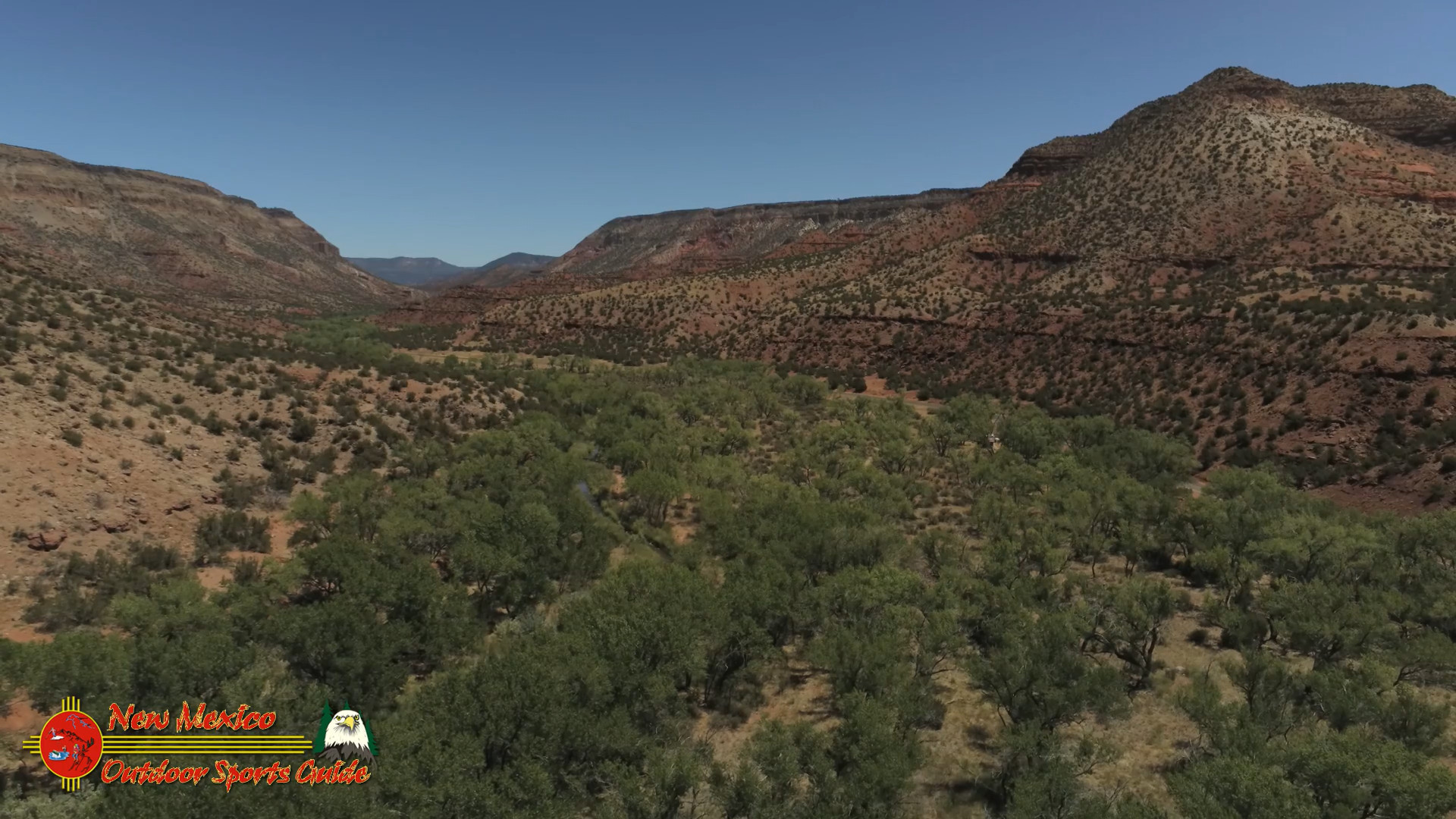
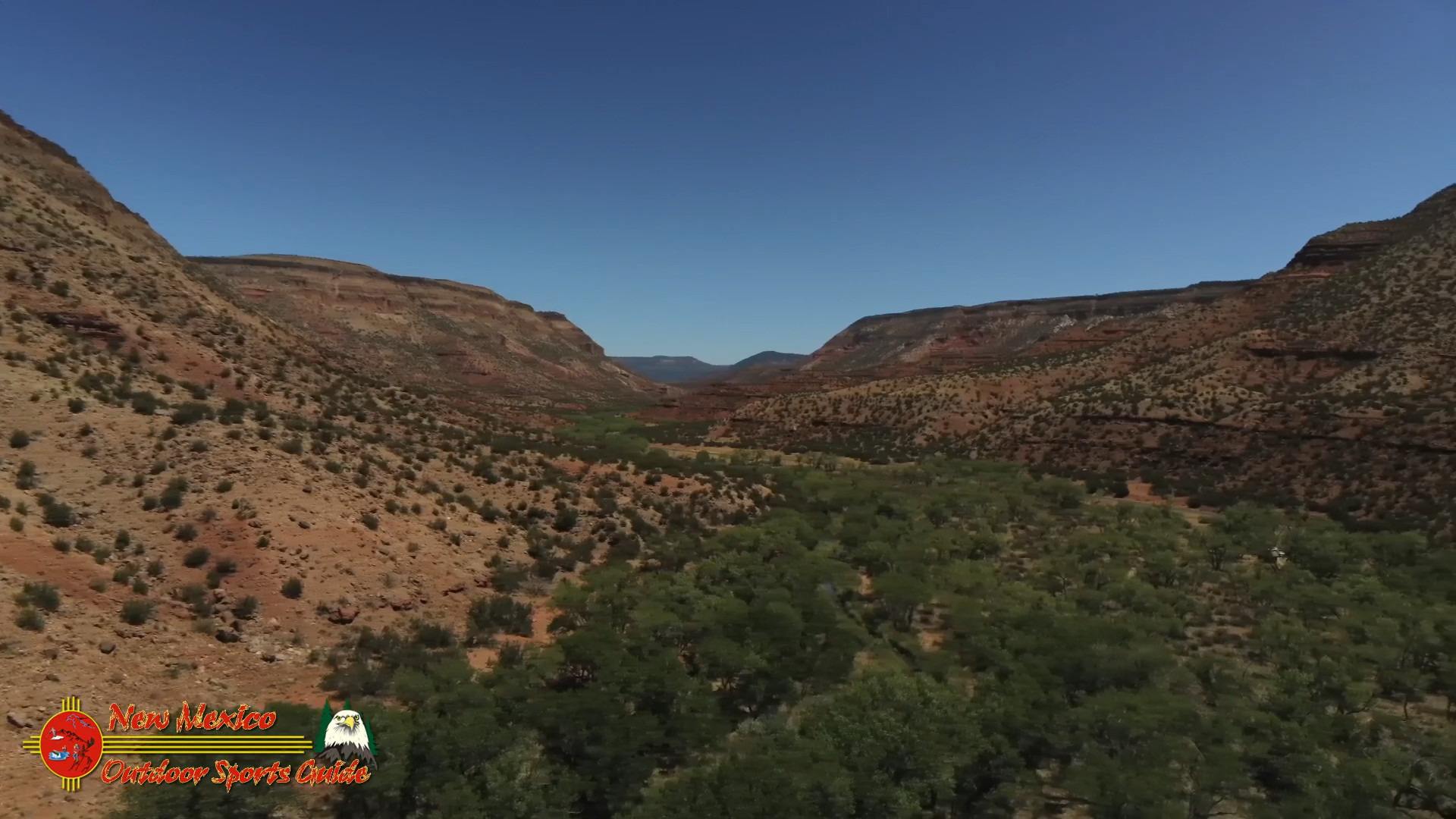
There is a rhythm to the high desert that most people miss. They see the scorched orange of the mesas and the stark, jagged peaks of the Jemez Mountains and think "arid." But for those of us who live for the tug on the end of a line, we know the secret: where there is red rock, there is often cold, life-giving water.
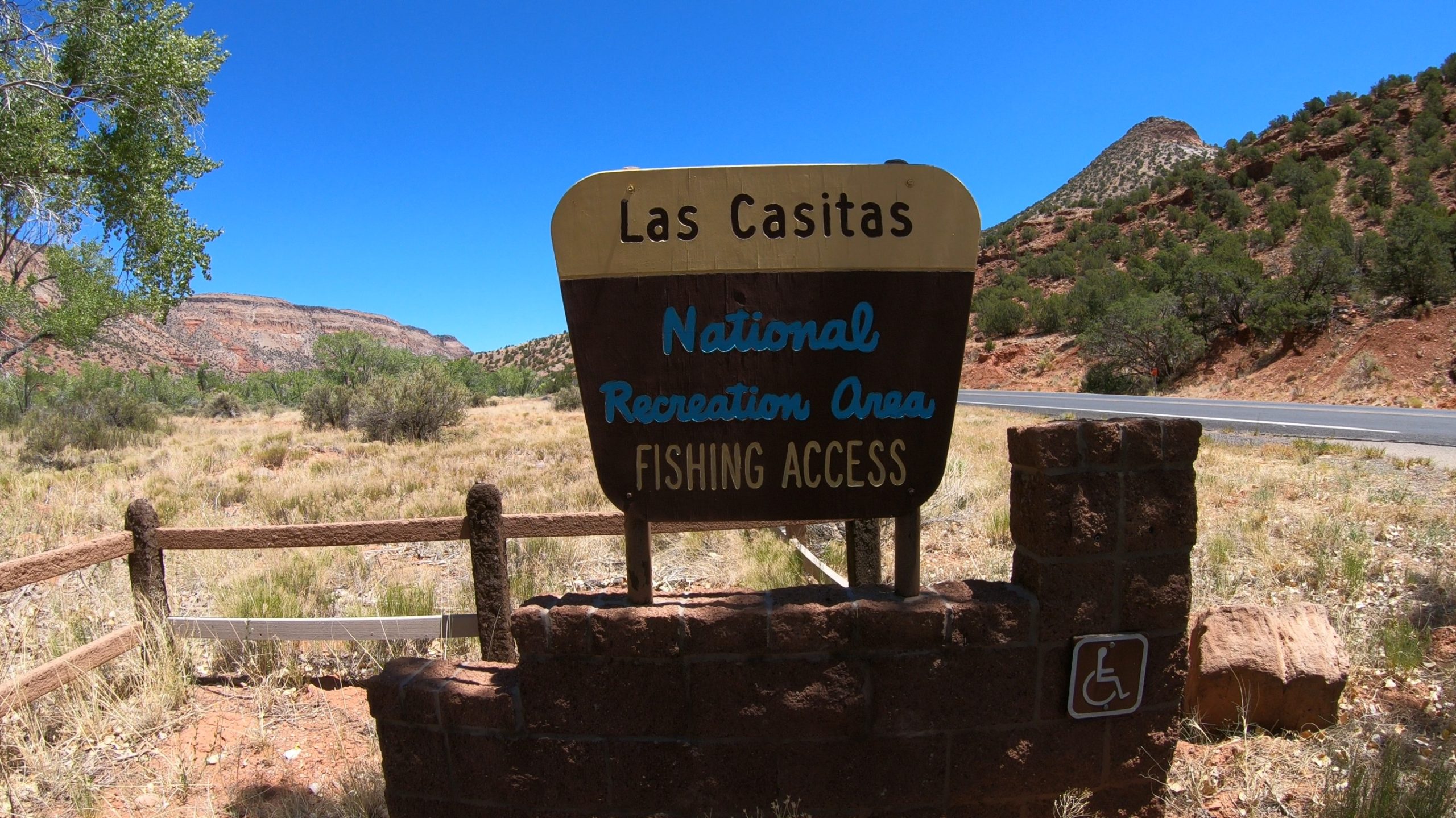
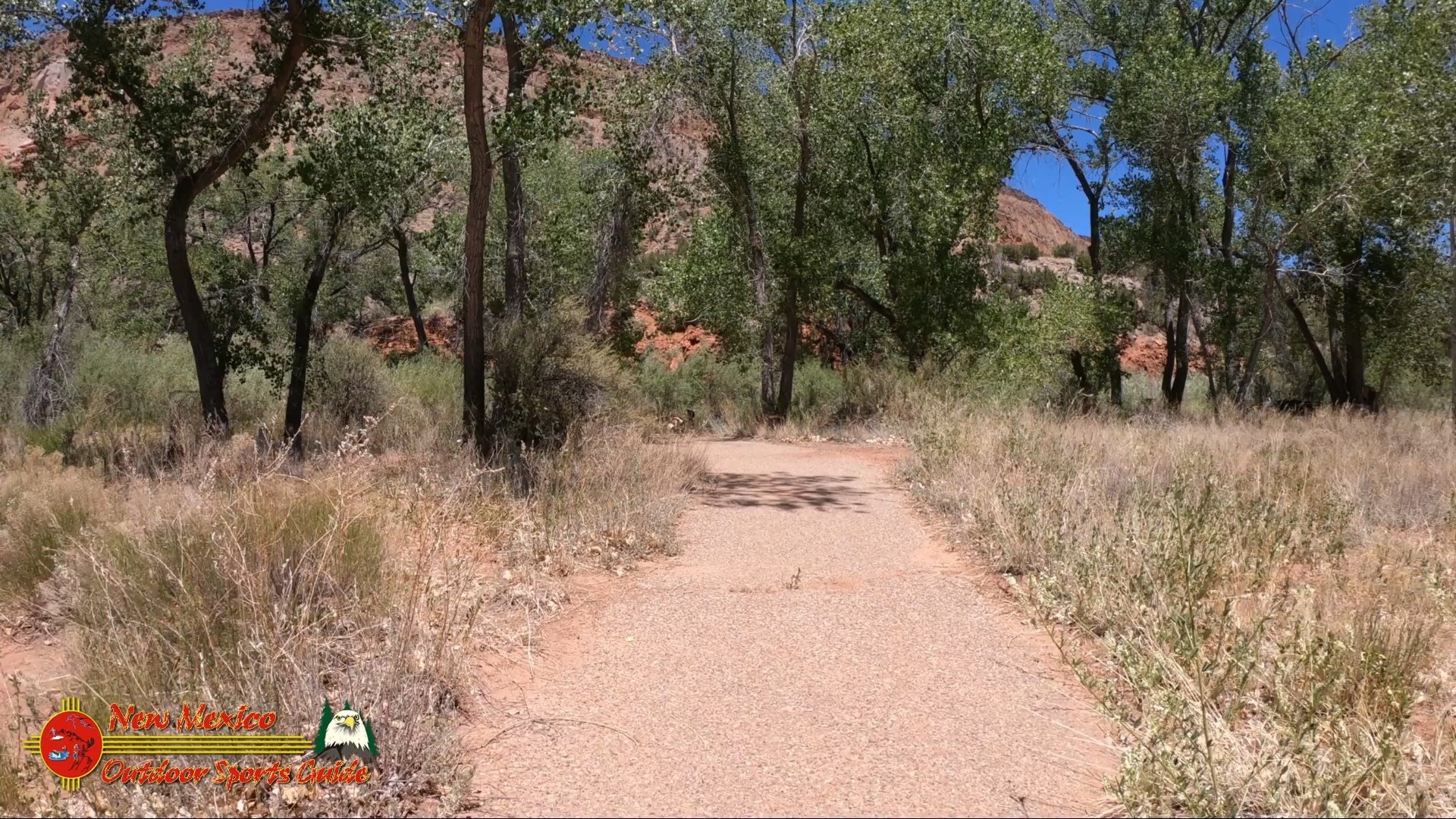
One of the best-kept secrets for those seeking Jemez River Trout Fishing Public Access is a humble little stretch known as Las Casitas. Located in the quiet community of Cañon, NM, within the Jemez National Recreation Area, Las Casitas feels like a private sanctuary carved out of the Santa Fe National Forest. It’s the kind of place where the cottonwoods lean over the water as if whispering secrets to the trout, and the shadows of the canyon walls keep the secrets of the big wild browns.
The Lifeblood of the Jemez: A River of Many Origins
To fish Las Casitas effectively, you have to appreciate where this water comes from. The Jemez River isn't just a single stream; it's a convergence of mountain history.
The Headwaters and the Caldera
The river is born from the drainage of the Valles Caldera, a massive volcanic crater that serves as a giant sponge for Northern New Mexico’s snowpack.
-
San Antonio Creek: The longest headwater tributary, which meanders through lush high-altitude meadows for nearly 80 miles if you trace every curve.
-
East Fork Jemez River: A 22-mile stretch of water so pristine it has been designated a National Wild and Scenic River.
-
The Confluence: These two giants meet at Battleship Rock, forming the main stem of the Jemez River, which travels roughly 50 miles down through the canyon toward the Rio Grande.
The Character of Las Casitas
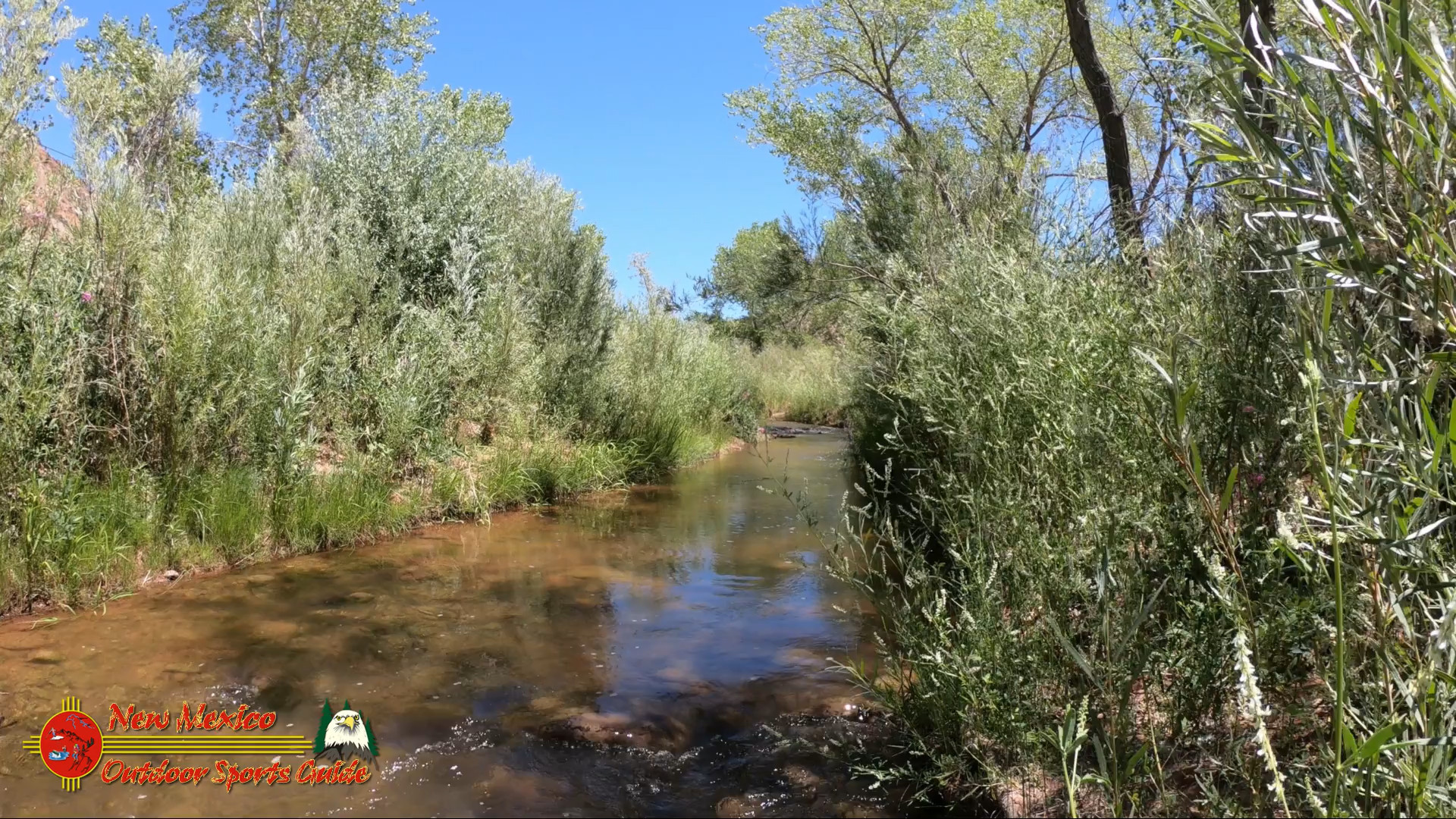
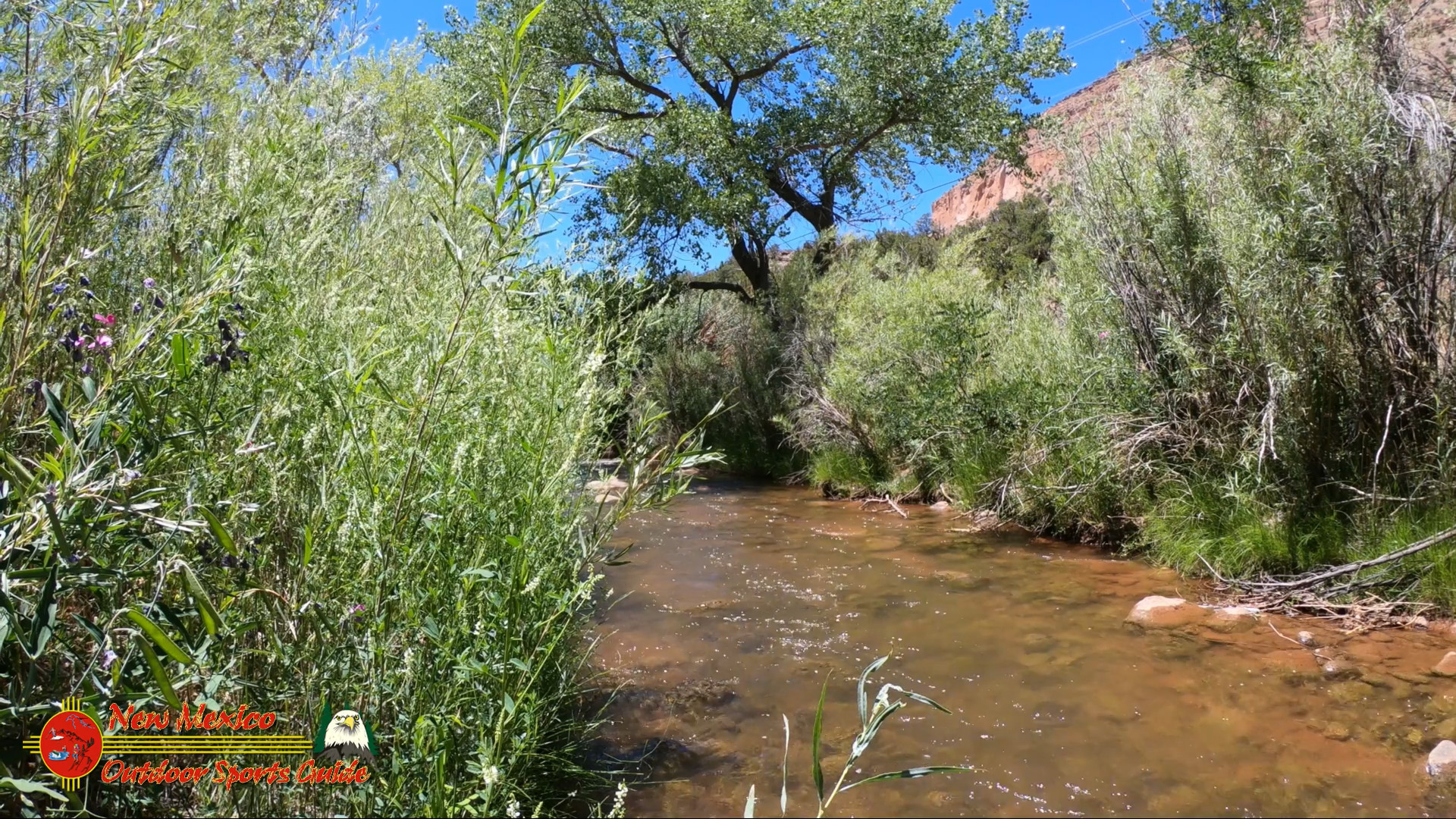
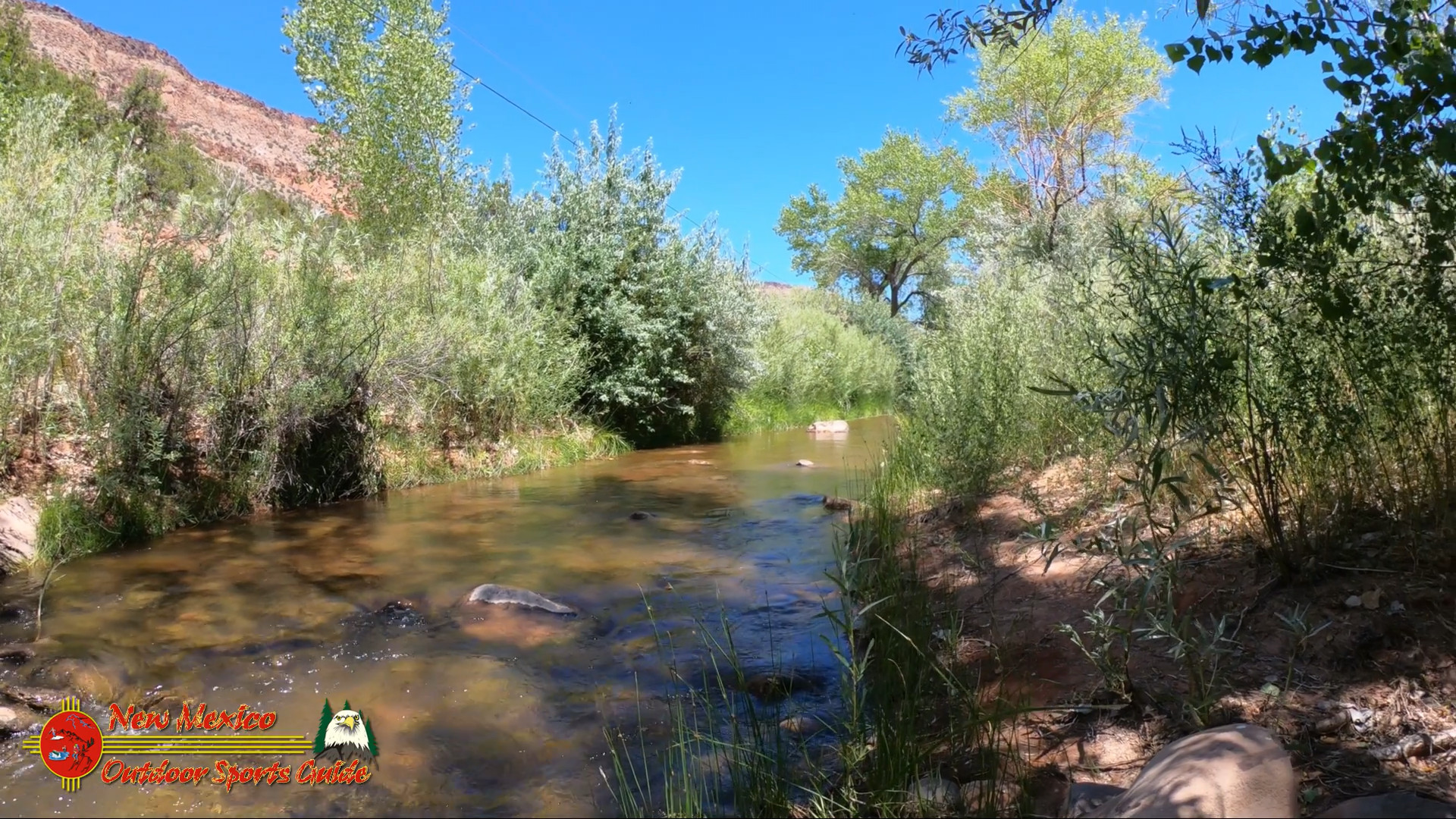
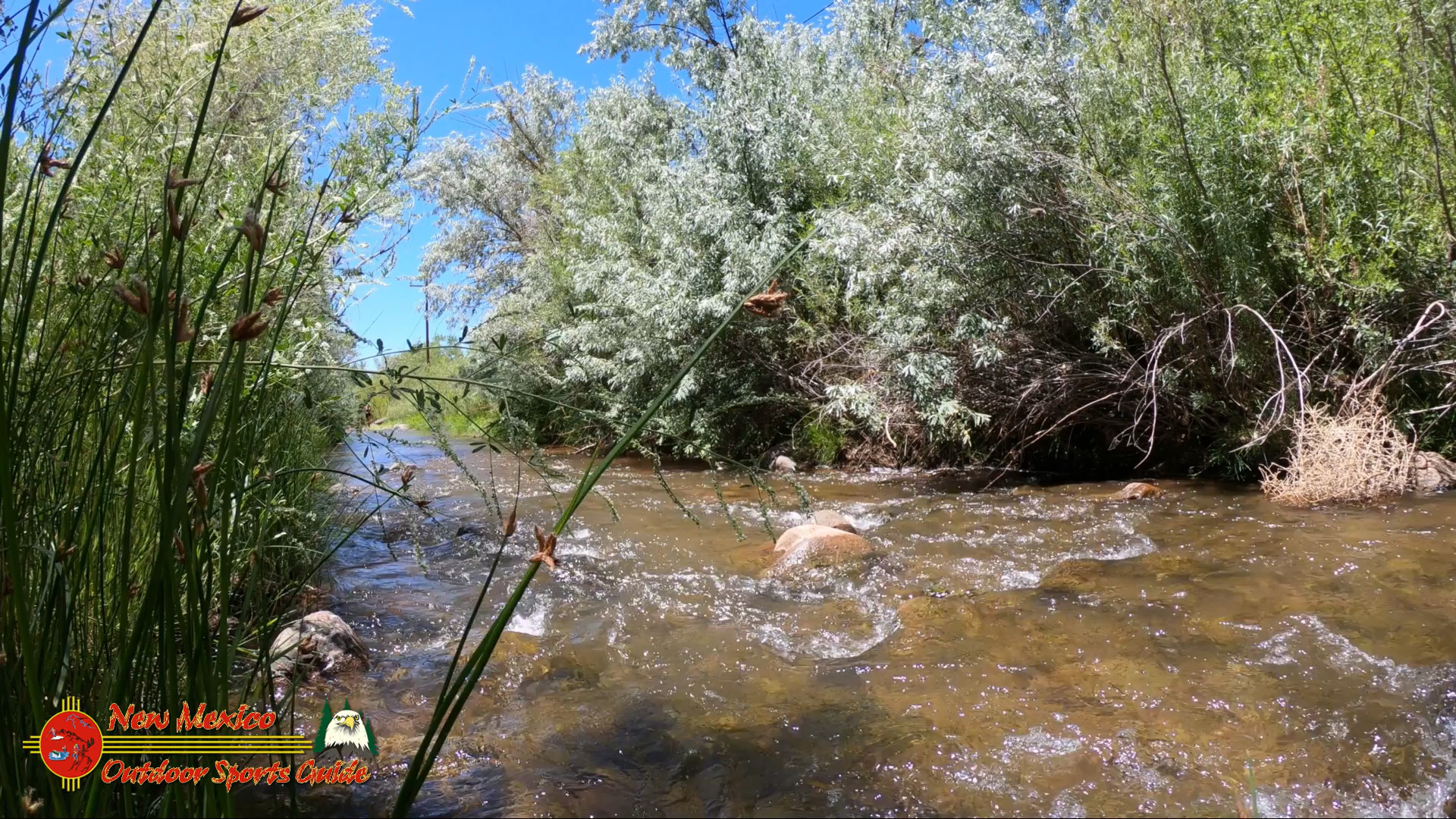
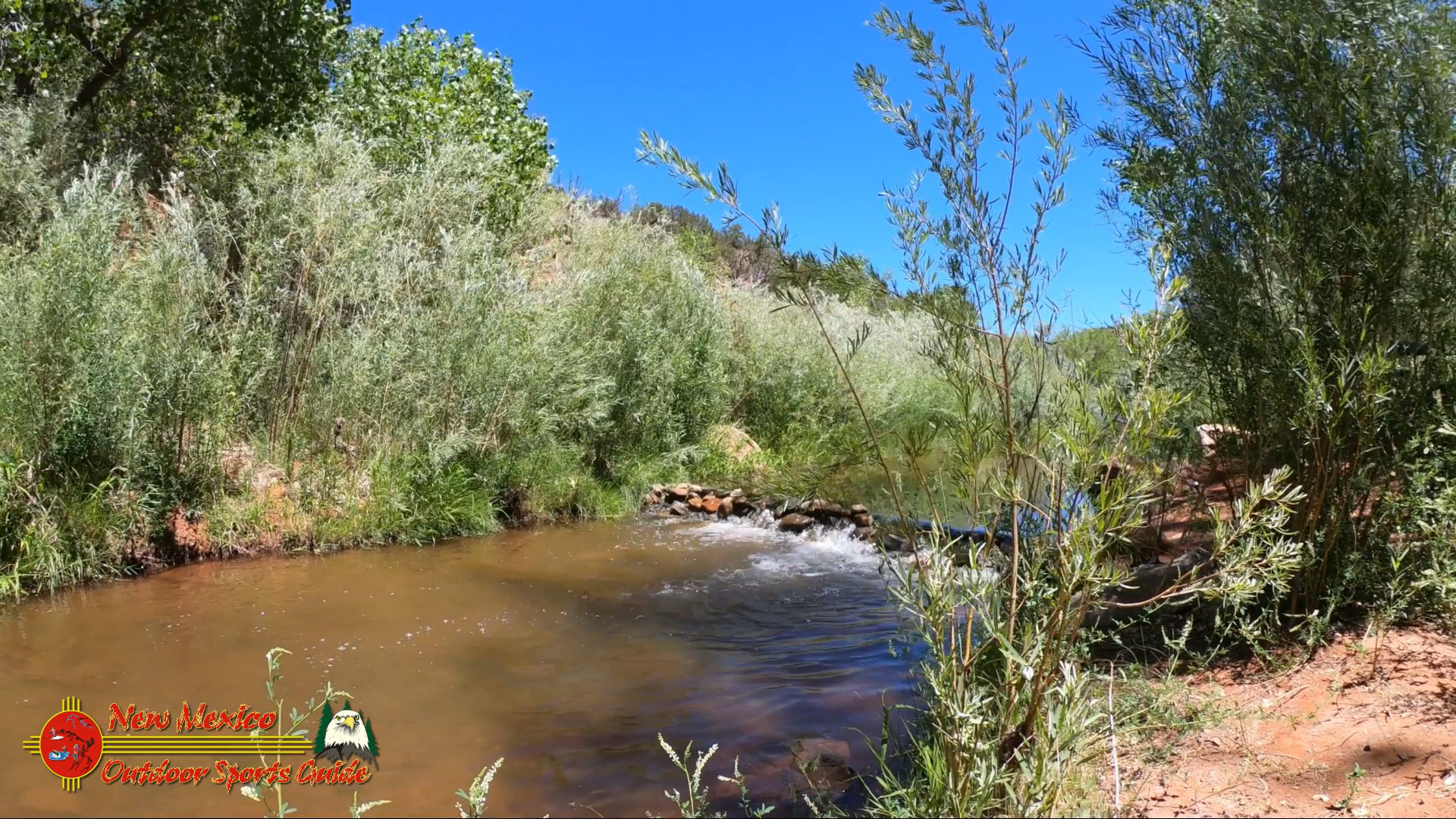
When you arrive at the Las Casitas access point, you aren't looking at a wide, daunting river. You’re looking at an intimate, "freestone-style" stream.
-
Width & Depth: Most of the river here stays between 15–30 feet wide. It’s generally knee-deep (2–3 feet), but the current has a habit of carving out "honey holes"—deep pools that can reach five feet deep where the big fish hide during the heat of the day.
-
The Flora: The banks are crowded with cottonwoods, willows, and alders. This isn't a river for the "shore-bound" angler. To get the best drift, you’re going to have to get your boots wet and wade right up the middle.
The Inhabitants: Meet Your Opponents
The Jemez is a tale of two trout. Understanding the difference between them is the key to a successful day at Las Casitas.
Wild Brown Trout: The Canyon Ninjas
These are the residents. Wild Browns in the Jemez usually range from 8–12 inches. They are buttery gold with vibrant red spots, and they are incredibly smart. Because the water is clear and the river is small, these fish can see you before you see them. They live in the "undercuts"—the spots where the water has eaten away the dirt beneath a tree root or a rock.
Stocked Rainbow Trout: The Winter Warriors
While the browns are wild, the New Mexico Game and Fish department does a stellar job of stocking Rainbow Trout throughout the winter months. If you’re fishing between November and March, you’re likely to hook into these hard-fighting, silvery acrobats. They tend to hang out in the slower, deeper pools near the highway access points.
The Technical Kit: Rods, Reels, and Lines
Because Las Casitas is a tight, brushy environment, you can’t just show up with a heavy-duty bass rig. You need finesse.
The Fly Fishing Setup
For the fly purists, small is better.
-
Fly Rods: Reach for a 3-weight or 4-weight rod, preferably 7.5 to 8.5 feet long. Anything longer will get caught in the alder branches.
-
Fly Reels: You don't need a massive drag system here; you need a reel that balances your light rod and keeps your line organized.
-
Fly Line: A weight-forward floating line is the gold standard. It allows you to make quick, accurate "roll casts" when there’s no room for a backcast.
The Spinning Setup
If you’re a gear angler, you can have a field day at Las Casitas if you scale down.
-
Spinning Rods: Go with an ultra-light action rod. You want to feel the vibration of a small spinner and the delicate take of a trout.
-
Spinning Reels: A 1000-series reel is perfect. It’s light enough to carry all day without fatigue.
-
Spinning Line: This is crucial. Use 4lb or 6lb test monofilament or fluorocarbon. The water at Las Casitas is crystal clear; if you use a 10lb green line, the fish will see it from a mile away and laugh at you.
Cracking the Code: Flies, Lures, and Baits
For the Fly Box: Midges and Nymphs
Since the Jemez is a low-elevation stream, it stays active even when the high peaks are buried in snow.
-
Midges: During the winter, midge hatches are the primary food source. Tiny (size 20–22) Zebra Midges or Griffths Gnats are essential.
-
Nymphs & Streamers: A well-filled box should always include Pheasant Tails, Hare's Ears, and small Wooly Buggers. When the water is slightly murky after a rain, a black or olive streamer can trigger an aggressive strike from a territorial brown trout.
For the Tackle Box: Spinners and Lures
-
Spinning Lures: Small Panther Martins, Mepps, or Blue Fox spinners in gold, silver, or "rooster tail" patterns are incredibly effective. The flash mimics a small minnow darting through the current.
-
Spinning Bait: Where regulations allow, salmon eggs or power bait can work for the stocked rainbows, but remember that the wild browns almost always prefer a moving target or a natural insect imitation.
When to Go: Seasons and Temperatures
The Jemez River is a temperamental beauty. The timing of your trip to Jemez, New Mexico will dictate your success.
The Summer Slump
Because this is a low-elevation stream, summer can be tough. When water temperatures soar above 68°F (20°C), the oxygen levels drop. The fish get lethargic, and it’s actually better for the health of the fish to stop fishing until things cool down.
The Winter Wonderland
Winter is where Las Casitas shines. The water is cold but seldom freezes solid, making it a premier winter fishery. The crowds are gone, the air is silent, and the trout are hungry for midges.
Best Time of Day
In the Jemez, the sun is your enemy. Once the sun hits the water, the fish head for the deep shadows.
-
Morning: From sunrise until about 10:00 AM is prime time.
-
Evening: The "Golden Hour" before sunset brings the bugs out and the fish up to the surface.
Conservation: The Ethics of the River
We want our grandkids to fish Las Casitas, too. That requires a bit of "River Karma."
Catch and Release
While the state stocks fish for harvest, the wild brown trout are a precious resource.
-
Use Barbless Hooks: It makes releasing the fish faster and easier.
-
Wet Your Hands: Never touch a trout with dry hands. You’ll rub off their protective slime coating, which leads to infections.
-
Keep Them in the Water: If you want a photo, keep the fish submerged until the very last second.
Beyond the Water: Camping and Logistics
Getting There
Getting to Las Casitas is a breeze. From Albuquerque, take NM 550 North to Bernalillo, then turn onto NM Highway 4. As you wind through the red rocks and enter the Jemez National Recreation Area, look for the turnouts in the village of Cañon. The river is right there, paralleling the road.
Camping in the Santa Fe National Forest
If you want to make a weekend of it, you’re in luck.
-
Vista Linda Campground: Just up the road, offering great sites right near the river.
-
San Diego Picnic Area: Perfect for a midday break between fishing sessions.
-
Backcountry: For the more adventurous, the surrounding Santa Fe National Forest offers endless opportunities to explore.
Conclusion: Why Las Casitas Matters
There are bigger rivers and bigger fish out there, but there is something soulful about Las Casitas. It’s a place where the red rock walls of the Jemez Mountains frame every cast, and the gurgle of the water drowns out the noise of the modern world. It is the quintessential Jemez River Trout Fishing Public Access experience—accessible, beautiful, and just technical enough to keep you coming back.
Don't just read about it—experience it! Pack your ultra-light gear, grab a handful of midges, and head to Cañon, NM this weekend. The wild browns are waiting in the shadows of the alders. Will you be the one to find them?
0 Comments