
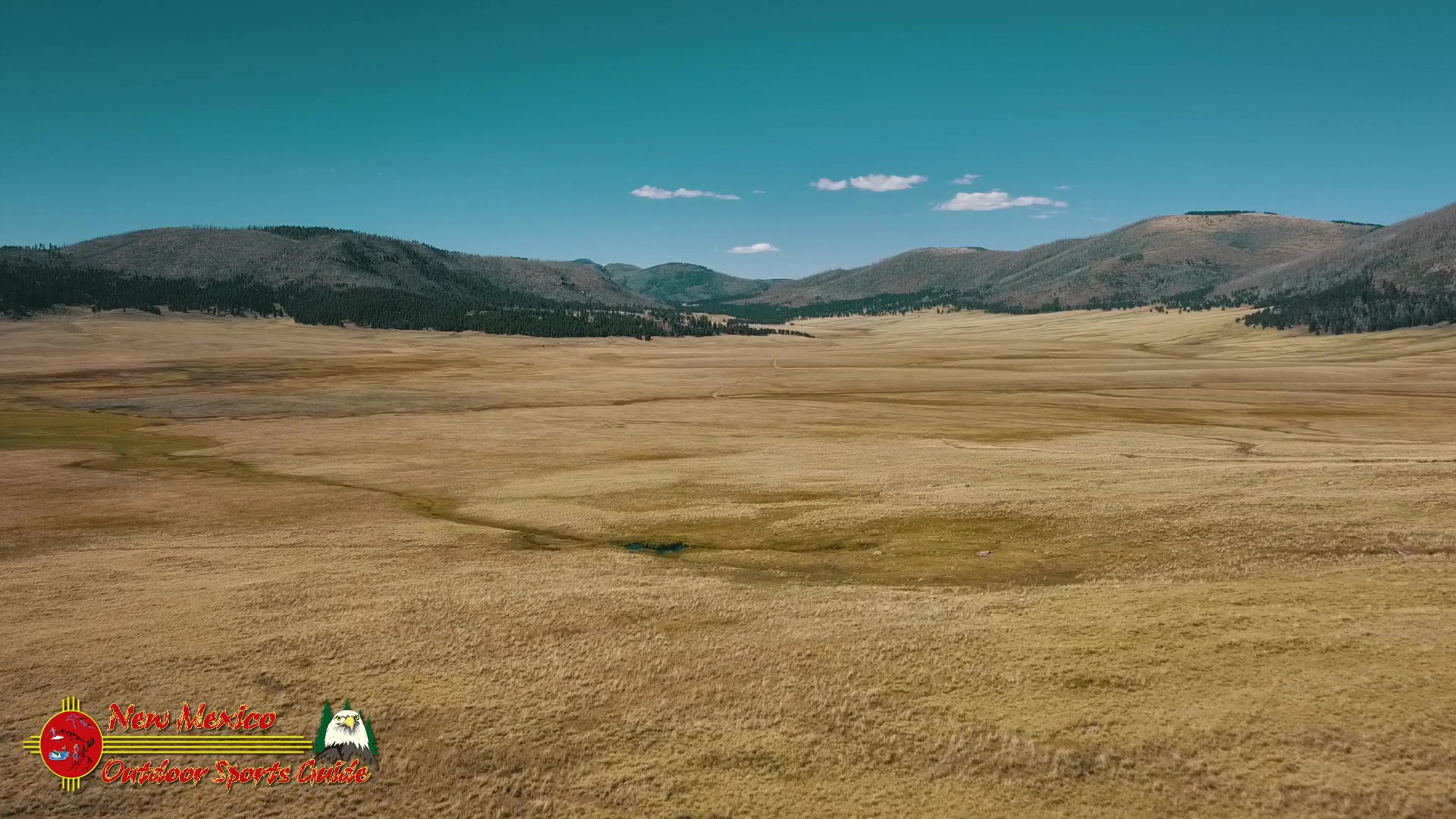
There is a specific kind of silence that only exists inside a volcano
For those of us who live for the tug on the line and the flash of a golden-brown flank in the current, exploring the headwaters of the Jemez isn’t just a weekend hobby—it’s a pilgrimage
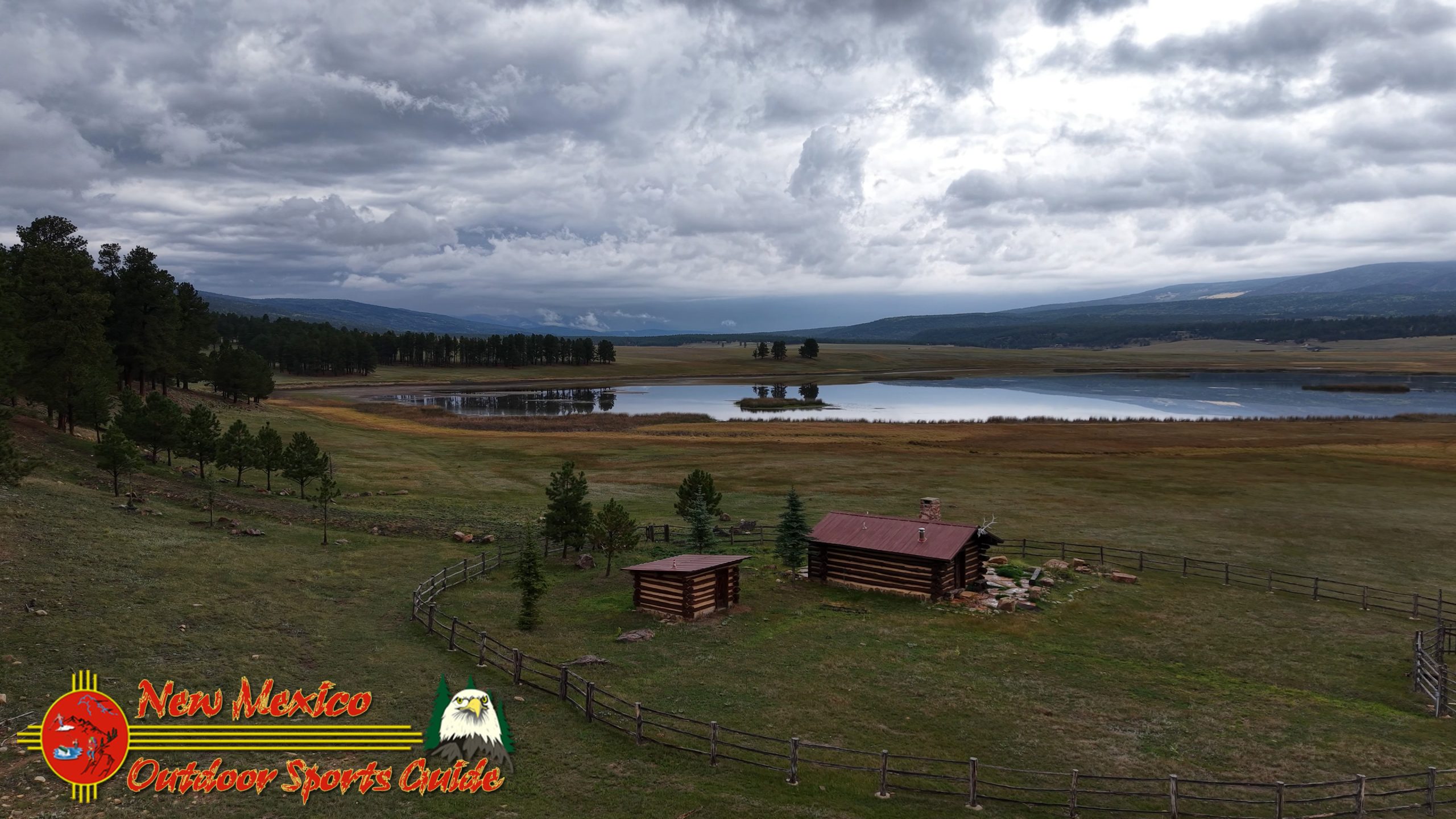
The Birth of a River: Valles Caldera National Preserve
To understand the Jemez River, you have to start at the very beginning
At the heart of this crater lies the Valle Grande, a massive meadow that looks like it belongs in a landscape painting
Geologic Wonders of the Headwaters
The caldera floor isn't just grass and water; it is a living laboratory of geothermal activity. As you explore, you'll encounter:
-
Volcanic Domes: Internal hills created by smaller eruptions within the basin
. -
Redondo Peak: The highest point in the caldera, an 11,253-foot resurgent lava dome
. -
Geothermal Features: Hot springs, fumaroles, natural gas seeps, and steam vents where the earth breathes
.
Scouting the Water: Targeted Species
When you’re talking about fishing the headwaters of the Jemez, you’re primarily looking for two species:
-
Brown Trout (Salmo trutta): The kings of the Jemez
. Most are wild, brilliantly colored, and incredibly spooky . They love the undercut banks in the meadow and the deep, dark pools in the canyon . -
Rainbow Trout (Oncorhynchus mykiss): While some are wild, many found near campgrounds are stocked by the New Mexico Department of Game and Fish (NMDGF)
. They provide a great fight on light tackle .
To identify a Rainbow Trout, look for polished silvery sides, a red band along the lateral line, and black specks from head to tail
Gearing Up: Tools for the High Country
The technical nature of these small mountain streams means your equipment choice is paramount
The Fly Fishing Setup
For the Valles Caldera meadows, fly fishing is preferred to avoid snagging tall grass
-
Rod & Reel: A 3-weight or 4-weight fly rod with soft action for delicate presentations
. -
Line: A weight-forward floating line
. -
The Menu:
-
Dries: Parachute Adams, Elk Hair Caddis, and late-summer Hopper patterns
. -
Nymphs: Bead-head Pheasant Tails, Hare’s Ears, and Zebra Midges (size 16-20)
.
-
The Spinning Setup
If you prefer a spinning rod, the canyon stretches are your playground
-
Rod & Reel: A 5’6” to 6’0” ultra-light rod paired with a 1000-series reel
. -
Line: Stick with 4lb or 6lb monofilament; the clear water makes heavy line easy for fish to see
. -
Lures: Small gold or silver blades like Panther Martins or Mepps work wonders in the ripples
.
Timing and Conditions: When to Visit
In the Jemez Mountains, the "best time" is a moving target influenced by elevation and water temperature
Pro Tip: Trout are most active when water is between 50°F and 65°F
Top Public Access Points
If you're planning a trip to the headwaters, mark these spots on your GPS:
-
Valles Caldera National Preserve: This offers world-class meadow stalking
. Note that it often requires a permit or reservation for specific beats . -
Las Conchas Trailhead: Located off NM Highway 4, the river here flows through a "hidden" valley with easy trail access and plenty of pocket water
. -
East Fork Campground: Perfect for families, the water is stocked regularly and offers great picnic spots
. -
Battleship Rock: This is the "grand finale" where the East Fork meets the Rio San Antonio to officially form the Jemez River
. The pools here are deep and hold some of the largest fish in the system .
Essential Tips for Success and Safety
To make the most of your adventure, keep these "pro tips" in mind:
-
The Stealth Factor: Because the water is crystal clear and the river is small, the fish will see you long before you see them
. Wear drab colors, stay low, and avoid casting shadows over the water . -
Safety Gear: At 8,000+ feet, weather changes in minutes
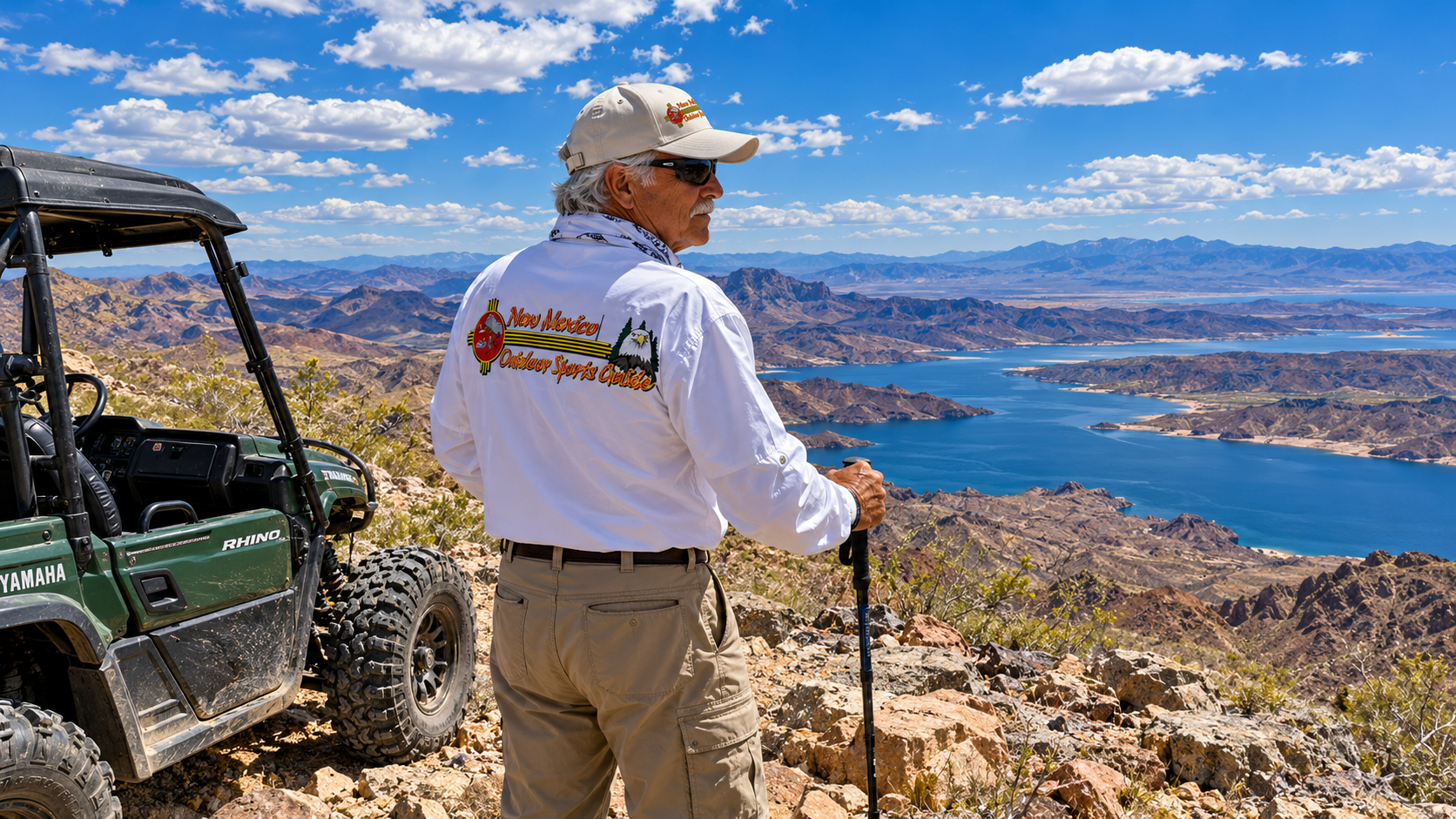
. Always pack a rain jacket, extra layers, and polarized sunglasses to cut glare . For elderly hikers, trekking poles are essential for balance on rocky banks . -
Check Regulations: Rules can change based on the specific stretch of water, especially inside the Valles Caldera
. Always have a valid NM fishing license and Habitat Management Stamp .
Conclusion: The Magic of the East Fork
There is a rhythm to the Jemez headwaters that you won't find anywhere else—the rhythm of a stream that has been meandering through volcanic soils for millennia
Ready to hit the water? Grab your gear, head up NM Highway 4, and discover why this little river in the heart of the Jemez Mountains is the soul of New Mexico fishing
Plan your trip today! Visit the Valles Caldera National Preserve website to book your permits, and remember to practice "Leave No Trace" to keep this New Mexico treasure pristine for future generations
0 Comments