
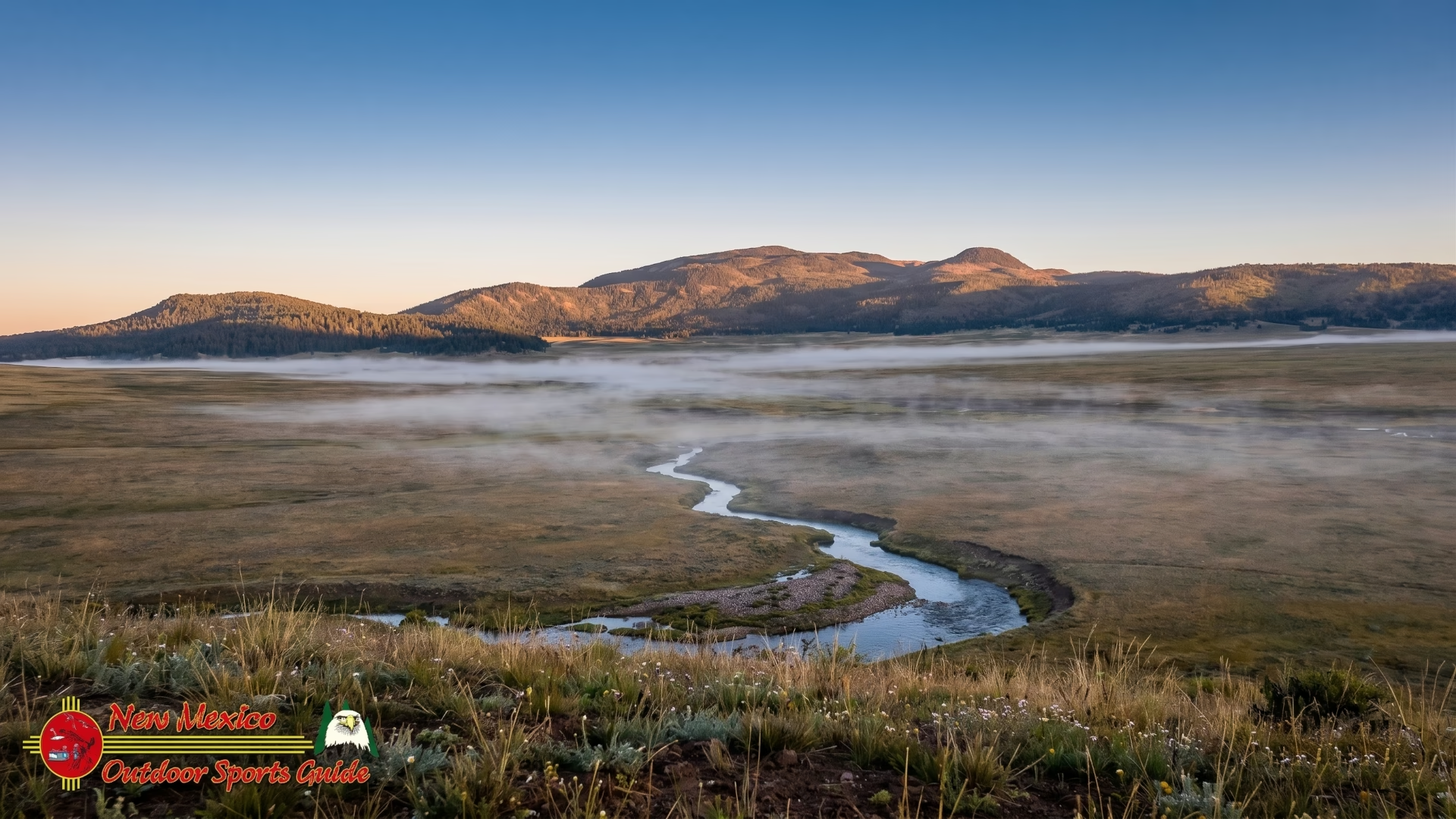
There is a specific kind of silence that only exists inside a volcano. Not the erupting kind, mind you, but the ancient, sleeping kind. Imagine standing in the center of a 13.7-mile wide crater, the Valles Caldera, where the wind whistles through cured bunchgrass and the only shadow moving across the valley floor belongs to a roaming elk or a soaring hawk.
In the middle of this prehistoric cathedral, a silver ribbon of water snakes back and forth in impossible loops. This is the headwaters of the East Fork of the Jemez River. For those of us who live for the tug on the line and the flash of a golden-brown flank in the current, East Fork Jemez River trout fishing isn’t just a weekend hobby—it’s a pilgrimage.
Whether you are a seasoned fly purist or a family looking to toss spinners from the bank, the Jemez watershed is one of New Mexico’s most accessible and rewarding treasures. From the high-altitude meadows of the Preserve to the dramatic, rock-walled canyons along Highway 4, this river tells a story of fire, ice, and trout.
The Birth of a River: Valles Caldera National Preserve
To understand the East Fork, you have to start at the beginning. The Valles Caldera is a National Natural Landmark and a unit of the National Park System that feels like a "Little Yellowstone." Formed by a massive volcanic eruption over a million years ago, it left behind a collapsed caldera that now serves as a high-altitude sanctuary.
At the heart of the caldera lies the Valle Grande, a massive meadow that looks like it belongs in a landscape painting. Here, the East Fork is born. It starts small—so small you could jump across it in spots—but don't let its size fool you. These meandering waters are deep-set into the peat and grass, hiding undercut banks where wild brown trout wait for the sun to hit the water.
Public Access and Getting There
Accessing the headwaters is a breeze, provided you have your permits in order.
-
From Santa Fe: Take US-84/285 north to Pojoaque, then head west on NM 502 toward Los Alamos. Follow NM 4 up into the mountains.
-
From Albuquerque: Take NM 550 to Bernalillo, then head north on NM 4 through Jemez Springs.
-
The Preserve Entrance: The main entrance to the Valles Caldera National Preserve is off NM 4. You’ll stop at the Ranger Station to check-in.
The Landscape: From Meadows to Canyons
The East Fork doesn't stay in the meadow forever. As it leaves the Valles Caldera, it enters the Jemez National Recreation Area. The transformation is stunning. What was a lazy meadow stream becomes a rugged mountain river, carving through volcanic tuff and basalt.
The river eventually finds its way to Battleship Rock, a massive, prow-shaped rock formation that marks the confluence where the East Fork meets the Rio San Antonio to officially form the Jemez River. Throughout this stretch, the river is shadowed by Redondo Peak, an 11,253-foot lava dome that watches over the valley like a silent sentry.
Targeted Species: What’s on the Hook?
When you’re talking about East Fork Jemez River trout fishing, you’re primarily talking about two species:
-
Brown Trout (Salmo trutta): These are the kings of the Jemez. Most are wild, brilliantly colored, and incredibly spooky. They love the undercut banks in the meadow and the deep, dark pools in the canyon.
-
Rainbow Trout (Oncorhynchus mykiss): While there are some wild rainbows, many of the fish found near the campgrounds and Highway 4 bridges are stocked by New Mexico Game and Fish. They are less picky than the browns but provide a great fight on light tackle.
Occasionally, in the highest reaches, you might encounter a Rio Grande Cutthroat, New Mexico’s state fish, though they are more common in the smaller, high-altitude tributaries.
Gearing Up: Spinning vs. Fly Fishing
One of the best things about the Jemez is its versatility. You don't need a thousand-dollar setup to catch fish here, but you do need the right setup for the terrain.
The Spinning Setup
If you prefer a spinning rod, the canyon stretches of the East Fork are your playground.
-
Rod & Reel: A 5’6” to 6’0” ultra-light spinning rod paired with a 1000-series reel. You want something short enough to maneuver under overhanging willow branches.
-
Line: Stick with 4lb or 6lb monofilament. The water is often crystal clear, and heavy line will spook the wild browns.
-
Lures & Bait: * Panther Martins or Mepps: Small gold or silver blades work wonders in the ripples.
-
Original Rapalas: A tiny floating minnow imitation is deadly in the deeper pools near Battleship Rock.
-
Bait: Where legal (check current NM regional proclamations), salmon eggs or worms under a small split shot are classic producers.
-
The Fly Fishing Setup
For the Valles Caldera meadows, fly fishing is the preferred method to avoid snagging the tall meadow grass.
-
Rod & Reel: A 3-weight or 4-weight fly rod is perfect. You want a rod with a soft action for delicate presentations.
-
Line: A weight-forward floating line. You won't be making 60-foot casts here; most of your "fishing" will be stealthily crawling to the bank and dropping a fly 10 feet in front of you.
-
Flies & Nymphs:
-
Dries: Parachute Adams, Elk Hair Caddis, and in late summer, Hopper patterns.
-
Nymphs: Bead-head Pheasant Tails, Hare’s Ears, and Prince Nymphs (size 16-20).
-
Streamers: Small Wooly Buggers in olive or black for the larger pools.
-
Timing is Everything: Seasons and Water Temps
In the Jemez Mountains, the "best time" is a moving target.
The Spring Thaw (April - May)
Runoff can make the river high and muddy. However, the period just before the big melt can be incredible for hungry browns waking up from winter.
Summer Prime Time (June - August)
This is the peak of East Fork Jemez River trout fishing.
-
Productive Water Temps: Trout are most active when the water is between 52°F and 64°F. If the water hits 70°F in the mid-afternoon, give the fish a break and head to the cantina in Jemez Springs—warm water stresses the fish.
-
Best Time of Day: Early morning (dawn till 10 AM) and "the evening rise" (6 PM till dusk).
The Fall Colors (September - November)
This is arguably the most beautiful time. The aspens turn gold, the elk are bugling in the caldera, and the brown trout become aggressive as they prepare to spawn. Use larger streamers and more colorful lures during this window.
Top Public Access Points
If you're planning a trip, mark these spots on your GPS:
-
Valles Caldera National Preserve: Requires a permit (often a lottery or reservation system for specific beats). This is world-class meadow stalking.
-
Las Conchas Trailhead: Located off NM 4. The river here flows through a stunning "hidden" valley with easy trail access and plenty of pocket water.
-
East Fork Campground: Great for families. The water is stocked regularly and there are plenty of spots to picnic.
-
Battleship Rock Day Use Area: This is the "grand finale." The pools here are deep and hold some of the largest fish in the system.
Life on the River: Camping and Weather
The Jemez National Recreation Area is a camper’s paradise.
-
Camping: Options range from the developed Jemez Falls Campground and Redondo Campground to dispersed camping in the Santa Fe National Forest.
-
Weather: Expect the unexpected. At 8,000+ feet, a sunny morning can turn into a hail-filled afternoon in minutes. Always pack a rain jacket and extra layers. Even in July, the nights can be chilly.
Essential Tips for Success
To make the most of your East Fork Jemez River trout fishing trip, keep these "pro tips" in mind:
-
The Stealth Factor: Because the water is clear and the river is small, the fish see you long before you see them. Wear drab colors (no white or bright red), stay low, and avoid casting your shadow over the water.
-
Check the Regulations: New Mexico fishing regulations can change based on the specific stretch of water (especially inside the Valles Caldera). Always have a valid NM fishing license and a Habitat Management & Protection Stamp.
-
Watch the Monsoons: In July and August, afternoon thunderstorms are common. If the river starts turning "chocolate milk" color, the fishing is usually over for the day.
Beyond the Fishing: Jemez New Mexico
One of the reasons the Jemez is so popular is that there is so much to do when the fish aren't biting.
-
Jemez Springs: A charming village known for its natural hot springs. There’s nothing better than soaking tired muscles after a day of hiking the river.
-
Los Alamos: Just over the ridge, this "Atomic City" offers great museums and dining.
-
The Fumaroles: Inside the Valles Caldera, you can see the earth breathing through steam vents, a reminder of the volcanic power beneath your boots.
Conclusion: The Magic of the East Fork
There is a rhythm to East Fork Jemez River trout fishing that you won't find anywhere else. It’s the rhythm of a stream that has been meandering through these volcanic soils for millennia. Whether you're standing in the wide-open expanse of the Valles Caldera or tucked into a granite canyon near Battleship Rock, the Jemez offers a sense of peace that is hard to find in the modern world.
The trout are there—sometimes stubborn, always beautiful—waiting for a well-placed fly or a perfectly timed cast. So, grab your gear, head up NM Highway 4, and discover why this little river in the heart of the Jemez Mountains is the soul of New Mexico fishing.
Ready to hit the water?
Plan your trip today! Visit the
Tight lines, and we'll see you on the river!
References:
-
Valles Caldera National Preserve - National Park Service
-
New Mexico Department of Game and Fish - Stocking Reports and Regulations
-
Jemez National Recreation Area - U.S. Forest Service
0 Comments