
A Desert Encounter Through the Eyes of a Drone
The thermometer read 32 degrees this January 2026 morning at Casa Santa Fe, the kind of crisp winter chill that makes you appreciate a warm cup of coffee and the glow of a computer screen. I was browsing through old video files, a digital archaeological dig through years of footage captured across the American Southwest, when I stumbled upon a gem from January 2020. There they were—wild burros, a dozen of them, moving across the stark desert landscape west of Casa Codorniz, with Lake Mohave shimmering in the background and the imposing silhouette of Spirit Mountain standing sentinel beyond.
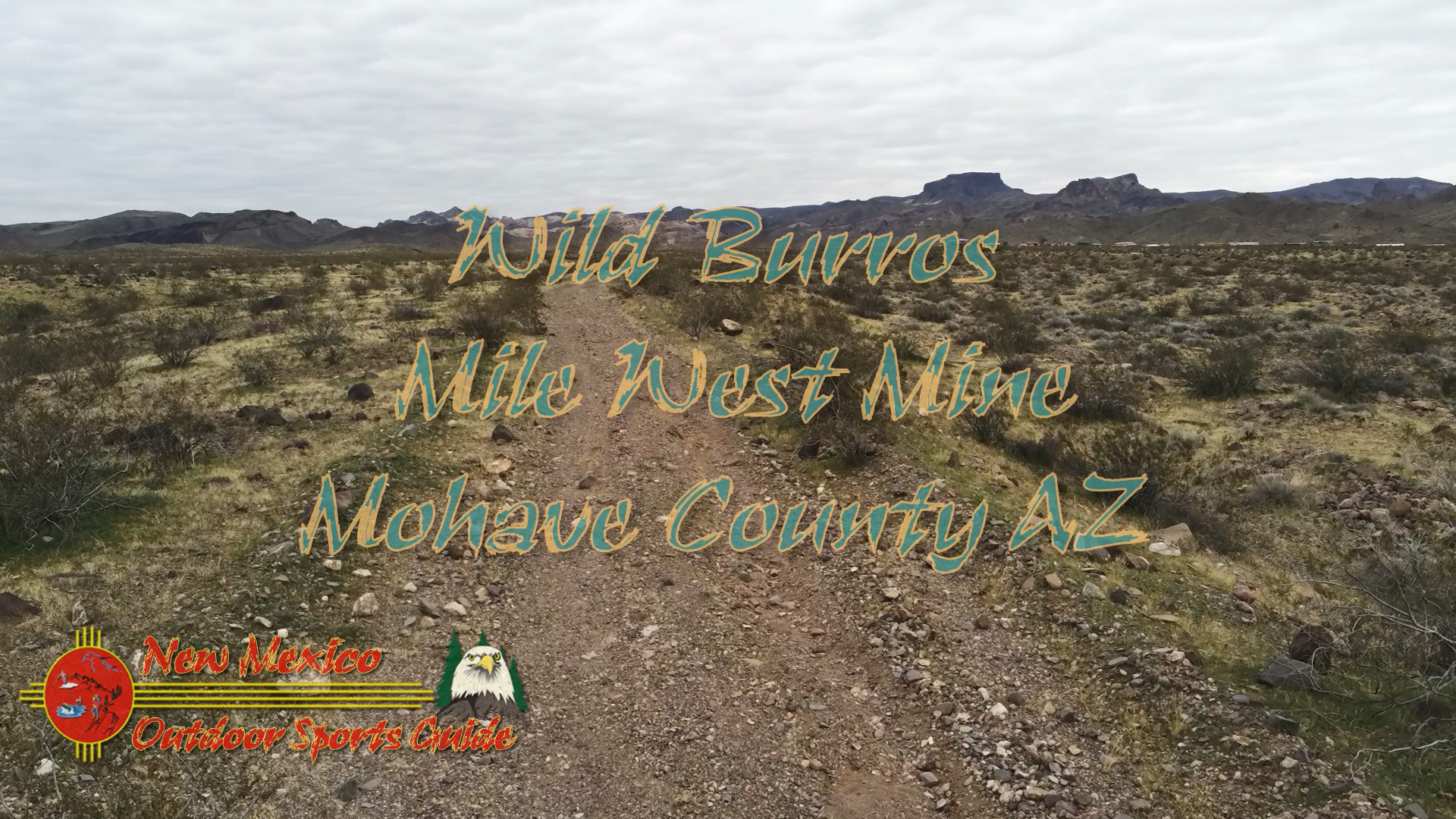
The memories came flooding back immediately. That particular morning, I had set out on my Rhino for what I thought would be a routine run to an abandoned mine I'd photographed many times before—a weathered relic I'd dubbed "Mile West Mine" for the simple reason that it sits roughly a mile west of Casa Codorniz, nestled in that fascinating corridor between our winter home and the shores of Lake Mohave. The desert that morning was alive with possibility, the kind of day that makes you glad you loaded the camera batteries the night before.
An Unexpected Encounter
I was maybe halfway to the mine when I spotted them—four wild burros grazing on the sparse desert vegetation. Now, if you spend any time at all in the backcountry around Lake Mohave, wild burros become a familiar sight, but familiarity doesn't diminish the magic of encountering these remarkable animals in their natural habitat. They're desert survivors, descendants of pack animals that served miners and prospectors more than a century ago, now living free in one of the harshest environments in North America.
Having photographed and filmed wildlife throughout my years documenting the Southwest, I've learned that the key to capturing genuine behavior is patience and distance. Approaching too directly, too quickly, will send most wild animals into flight mode. So rather than rumbling closer in the Rhino, I did what any modern wildlife photographer would do—I sent up the drone.
There's something almost magical about drone videography for wildlife work. The aircraft rises silently into the sky, and if you maintain proper altitude and approach angles, the animals often barely register its presence. I guided my drone upward, the telephoto lens already focused, and began a slow, careful approach toward the four burros. The morning light was perfect—low and soft, filtered through a high, thin layer of cirrus clouds that acted like nature's own diffusion screen. The wind was minimal, maybe five or six knots, which meant stable footage and smooth panning shots.
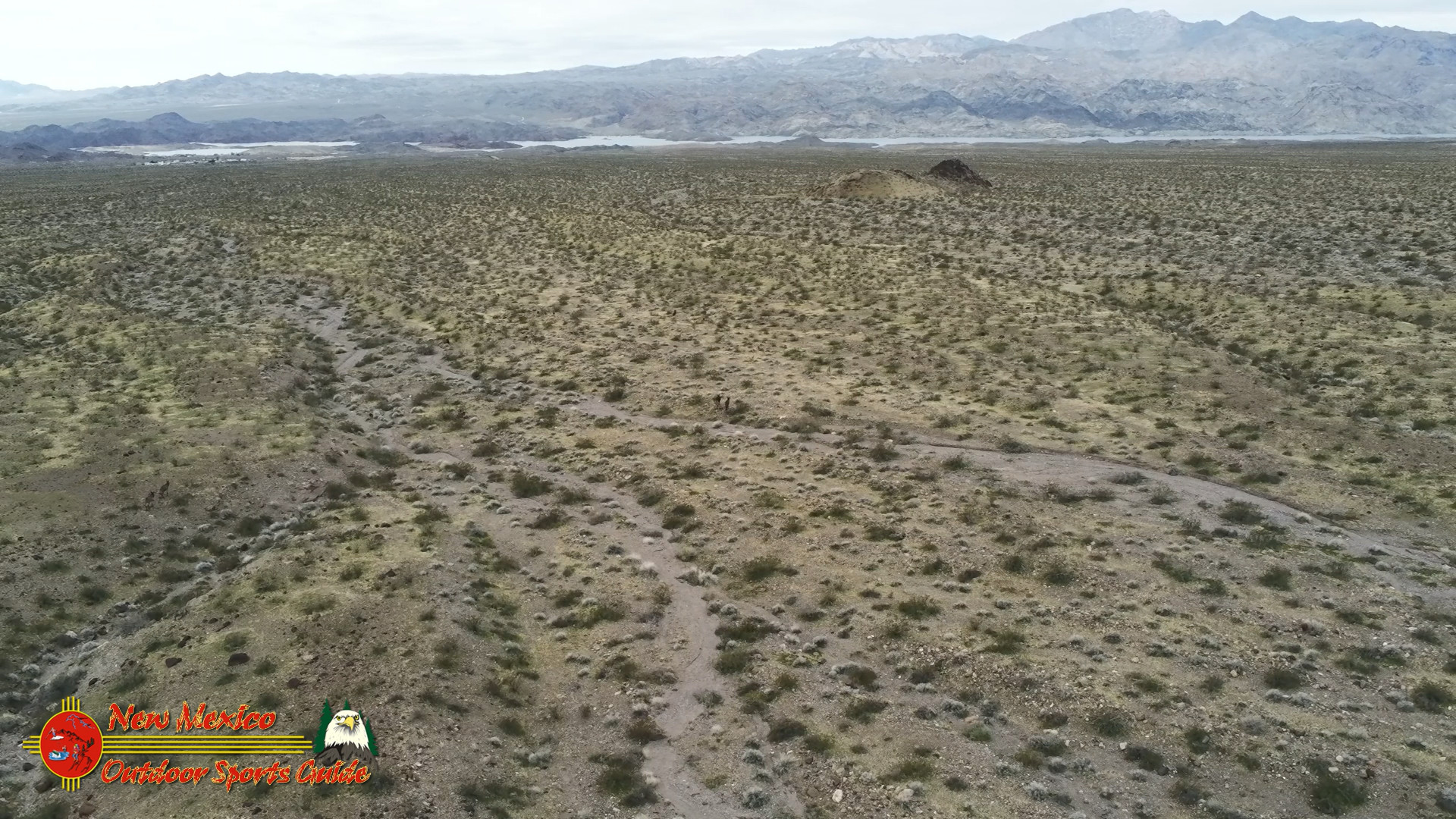
As the drone closed the distance, something wonderful happened. Four burros became eight, then ten, then twelve. They were emerging from behind desert scrub and rocky outcroppings, gathering together in that instinctive way herd animals do when they sense something unusual but not threatening. I held the drone steady, capturing their movements, their interactions, the way sunlight caught the various shades of gray and brown in their coats.
Following the Herd
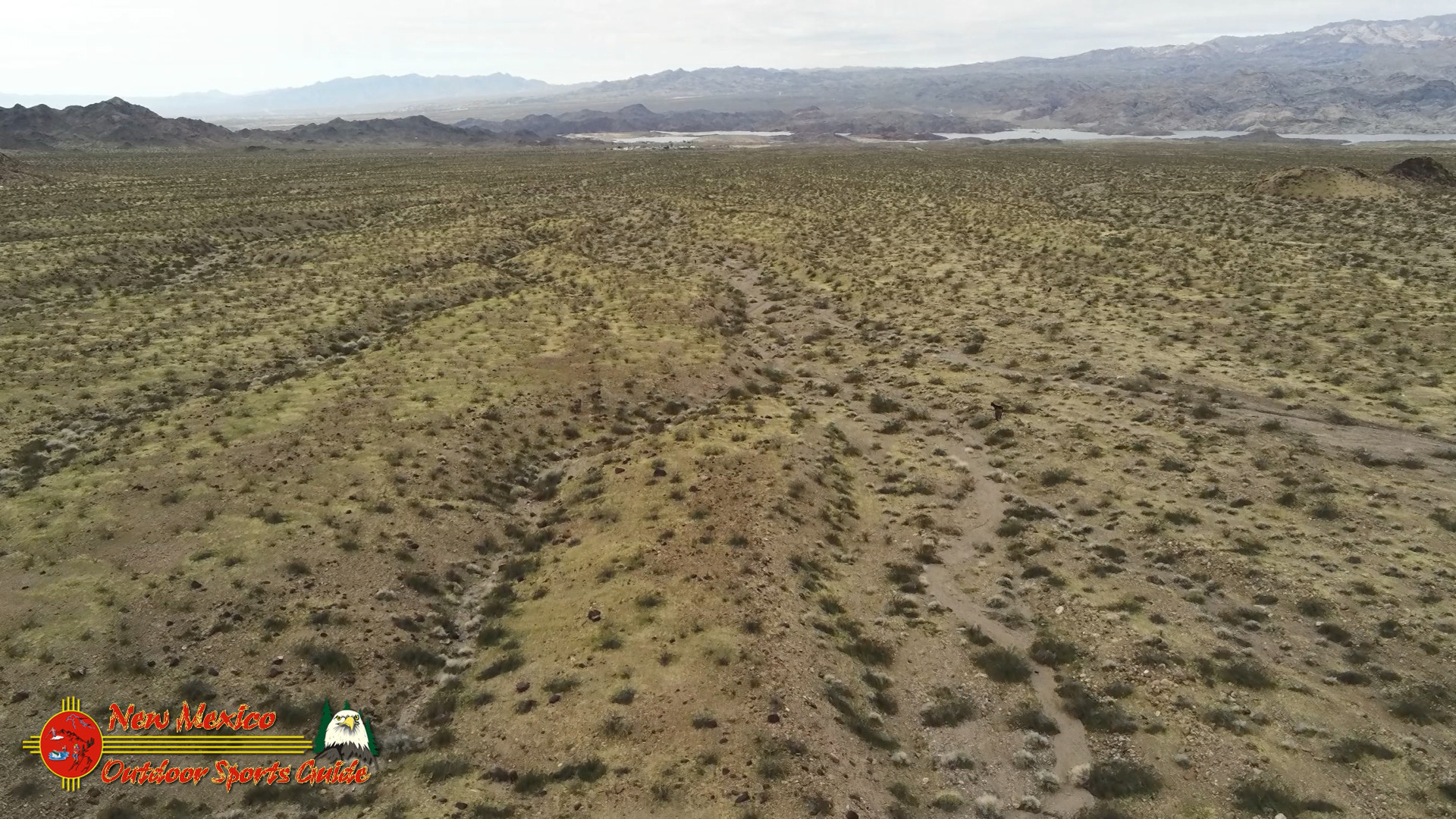
The burros began moving, and I followed. Not aggressively, not directly overhead, but at a respectful distance and altitude, the drone gliding along as they made their way across the desert terrain toward Lake Mohave. This is when drone photography truly earns its keep—the ability to track moving subjects across varied landscape, capturing both the intimate details of the animals themselves and the sweeping grandeur of their environment.
The footage was spectacular. Twelve wild burros moving in loose formation across the Mojave Desert, with Lake Mohave spreading blue and inviting in the middle distance, Spirit Mountain rising nearly 6,000 feet beyond the lake's far shore, and way down river, barely visible in the hazy distance past Davis Dam, the casino lights of Laughlin, Nevada catching the winter sun.
From my years as a pilot—those 2,600-plus hours flying a twin-engine Beechcraft Baron across the United States—I'd developed what I call an "eagle's eye perspective." There's something fundamentally different about viewing landscape from above, whether you're at 5,000 feet in an airplane, standing on a mountain summit, or piloting a drone at 300 feet. You see patterns and relationships that are invisible from ground level. You understand how the land flows, how water shapes terrain, how life finds purpose in seemingly impossible places.
Watching those wild burros through the drone's camera, I was transported back to countless hours in the cockpit, watching the American landscape glide below, reading the earth like a book written in contours and colors. The difference, of course, is that from the Beechcraft Baron I was moving too fast to linger, always bound for the next job site, the next city, the next deadline. With the drone, I could hover, could follow, could dance in the air above these magnificent animals for as long as the batteries held out.
The Wild Burros of Lake Mohave
The wild burros of the Lake Mohave area are themselves a fascinating study in adaptation and controversy. They're descendants of burros brought to the region during the great mining booms of the late 1800s and early 1900s. When the mines played out and the miners moved on, many of these sure-footed pack animals were simply released or abandoned. Over the decades, they established feral populations throughout the desert Southwest, including substantial numbers within what is now Lake Mead National Recreation Area.
These aren't small animals. A mature burro can stand 40 to 50 inches at the shoulder and weigh 400 to 500 pounds. They're incredibly hardy, capable of going days without water in extreme heat, able to survive on the sparse desert vegetation that would leave most animals starving. Their large ears—those iconic, oversized donkey ears—serve as efficient cooling systems, radiating heat and helping regulate body temperature in environments where summer temperatures regularly exceed 110 degrees.
The burro population in the Lake Mead National Recreation Area has been a subject of ongoing debate and management efforts. These animals have no natural predators in the region, and their numbers can increase rapidly if unchecked. A healthy jenny (female burro) can produce offspring every other year, and with lifespans that can reach 25 years or more in the wild, population growth can quickly exceed the carrying capacity of the land.
The National Park Service, which manages the Lake Mead National Recreation Area, has worked with various organizations over the years to manage wild burro populations humanely. Rather than culling, they've focused on gathering and adoption programs, removing animals from overpopulated areas and placing them with adopters across the country. It's a complex challenge—balancing the ecological health of the desert ecosystem with the welfare of animals that have, through no fault of their own, become established residents of a landscape they never evolved to inhabit.
But standing in the desert that January morning, watching through my drone camera as twelve burros moved toward the lake, such management complexities felt distant. What I saw was beauty, adaptation, and survival—animals living their lives in a harsh environment, making it work through instinct and resilience honed over generations.
The Landscape: Lake Mohave and Beyond
Lake Mohave itself is a stunning feature of the lower Colorado River, a 67-mile-long reservoir created by Davis Dam and stretching from the dam northward almost to Hoover Dam and Lake Mead. At full pool, it holds about 1.8 million acre-feet of water, a narrow ribbon of blue cutting through rust-red cliffs and desert terrain that can appear almost Martian in its stark beauty.
The lake sits within Lake Mead National Recreation Area, the nation's first national recreation area, established in 1936 and expanded in 1947 to include Lake Mohave. The recreation area encompasses more than 1.5 million acres of desert and mountains, spanning portions of Nevada and Arizona. It's a landscape of extremes—scorching summers and mild winters, barren hillsides that explode with wildflowers after rare rains, water and desert existing in dramatic juxtaposition.
The Colorado River, which feeds both Lake Mead and Lake Mohave, is one of the most important and most contested waterways in North America. It provides water to nearly 40 million people across seven states and Mexico, irrigates roughly 5.5 million acres of agricultural land, and generates more than 4 billion kilowatt-hours of hydroelectric power annually. Every drop is measured, allocated, fought over in courts and legislatures.
Standing on the shore of Lake Mohave, you're looking at water that fell as snow in the Rocky Mountains of Colorado and Wyoming, water that carved the Grand Canyon over millions of years, water that now serves cities from Denver to Los Angeles, Las Vegas to Phoenix. It's both a natural wonder and a thoroughly engineered resource, managed and controlled to an extent that would have been unimaginable to the Native peoples who lived along its banks for thousands of years or to the Spanish explorers who first mapped its course in the 1500s.
Spirit Mountain, which forms such a dramatic backdrop in my burro footage, rises 5,639 feet above sea level on the Nevada side of the river. To the Mojave, Chemehuevi, and other Native peoples of the region, Spirit Mountain (known as Avi Kwa Ame or "Spirit Mountain") is deeply sacred—the place of creation, the center of the world. The mountain and surrounding lands hold cultural and spiritual significance that extends back countless generations. It's a reminder that this landscape we photograph and recreate in holds meanings and stories far deeper than we casual visitors typically perceive.
Ghost Towns and Abandoned Mines
My original destination that January morning—Mile West Mine—represents another layer of this landscape's rich history. The desert around Lake Mohave is dotted with abandoned mines, remnants of various mineral rushes that swept through the region from the 1860s onward. Prospectors sought gold, silver, copper, lead, and various other minerals, establishing camps and small towns that would boom briefly before inevitably busting when ore played out or prices fell.
Exploring these abandoned mines requires caution and respect. Many are unstable, with rotted timbers, flooded shafts, and pockets of bad air that can be deadly. I never enter the mines themselves—the risks are simply too great—but photographing them from outside tells its own story. The weathered wood, rusted metal, and stone structures slowly being reclaimed by the desert speak to human ambition and the harsh realities of mining life in this unforgiving environment.
Each abandoned mine represents dreams and hard labor, fortunes made and lost, lives lived at the edge of survival. The burros I was filming that morning were directly connected to this history. Their ancestors carried ore and supplies, hauled water and equipment, made the difference between a mine operating successfully or failing. When those mines closed, the burros that were released became pioneers of a sort, establishing the feral populations that still roam these hills.
The Art and Technology of Drone Photography
Capturing the wild burros that morning involved technology that would have seemed like science fiction to those old-time miners. Modern camera drones represent an incredible convergence of miniaturized electronics, stabilization systems, high-resolution imaging sensors, and GPS-guided flight control. The result is a tool that puts aerial perspective within reach of anyone willing to master the controls and understand the regulations.
I came to drone videography naturally, given my aviation background and decades of technological self-education. Teaching myself HTML, CFML, and PHP to build websites in the early internet days prepared me well for learning drone operation and video editing software. Both pursuits require understanding systems, thinking spatially, and developing workflows that produce consistent results.
The telephoto lens on my drone was crucial for wildlife work. It allowed me to maintain respectful distance while still capturing detailed footage. The last thing I wanted was to harass these animals—my goal was documentation, not disruption. Proper wildlife drone photography requires understanding animal behavior, maintaining legal and ethical distances, and knowing when to back off if your presence is causing stress.
That high, thin cirrus cloud cover provided perfect lighting conditions—soft and even, without the harsh shadows and blown-out highlights that can plague desert photography. The low wind was equally important. Even with sophisticated gimbal stabilization, wind can create subtle vibrations and wobbles that degrade footage quality. That January morning offered nearly ideal conditions, and the resulting video reflected it.
The Eagle's Eye Perspective
Throughout my life, I've been drawn to elevated viewpoints. Growing up on the ranches in the Kansas Flint Hills, I'd climb to the highest points to survey the land, to see the patterns of cattle movements and grass growth, to watch storms approach across the prairie. As a pilot, I spent thousands of hours seeing America from above, from the Texas Gulf Coast to the Pacific Northwest, from the Rockies to the Great Lakes.
Building Casa Oso at 9,500 feet in the mountains above Angel Fire gave us commanding views across Moreno Valley, Eagle Nest Lake, and the Sangre de Cristo range. Those seventeen years of living literally above the clouds deepened my appreciation for how perspective shapes understanding. You see more from higher up—it's that simple. Patterns emerge, relationships become clear, the big picture comes into focus.
Drones have democratized this perspective in remarkable ways. You no longer need a pilot's license and a small airplane to capture aerial footage. You don't need to charter a helicopter or climb a mountain. With proper training and equipment, anyone can send a camera into the sky and see the world as the eagles see it.
But technology is just a tool. The art lies in knowing what to capture, when to capture it, and how to frame the shot. My years observing landscapes from aircraft cockpits taught me to read terrain, to anticipate how light would play across features, to understand composition at scale. Those skills transfer directly to drone work, helping me capture not just images but stories—like a dozen wild burros making their way toward water in the Mojave Desert on a perfect January morning.
Documenting the Southwest
Now in my eighties, I've focused my creative energy on documenting the wilderness and wildlife of the American Southwest through photography and video. It's deeply satisfying work, combining all my passions—technology, the outdoors, storytelling, and the stunning landscapes of Arizona, Utah, Colorado, and New Mexico.
The wild burros footage represents exactly what I hope to accomplish with this work. It captures a genuine moment in time, wild animals in their natural habitat, set against one of the Southwest's most dramatic landscapes. It tells a story about adaptation and survival, about history and ecology, about the complicated relationships between humans and the wild lands we've altered.
This region—the desert surrounding Lake Mohave, the Colorado River corridor, the vast expanse of Lake Mead National Recreation Area—holds endless subjects for documentation. Every season brings changes: spring wildflowers transforming barren hillsides, summer monsoons reshaping dry washes in minutes, autumn light painting the rocks in impossible shades of red and gold, winter occasionally dusting the higher elevations with snow.
The wild burros are just one element of this ecosystem, but they're a fascinating one—controversial, resilient, photogenic, and deeply connected to the human history of this region. Every time I review that January 2020 footage, I'm transported back to that morning, the Rhino parked in the desert, the controller in my hands, the drone circling above as twelve burros made their way toward the lake.
That's the power of documentary work—it preserves moments that would otherwise exist only in memory, allowing us to revisit and share experiences across time and distance. Sitting here at Casa Santa Fe on this chilly January morning in 2026, I can relive that perfect filming day from six years ago, and through the magic of digital media, I can share it with others who might never otherwise glimpse wild burros moving across the Mojave Desert against the backdrop of Lake Mohave and Spirit Mountain.
From ranch kid to pilot to business owner to magazine publisher to web developer to retired photographer—it's been quite a journey. And I'm grateful that it's brought me to this place, with these tools, capturing these moments of wild beauty in the American Southwest. The wild burros near Lake Mohave are just one chapter in an ongoing story, but it's a chapter worth telling, worth preserving, worth sharing with anyone who loves this magnificent, unforgiving, endlessly fascinating landscape we're privileged to call home, at least for our winters at Casa Codorniz.



0 Comments