
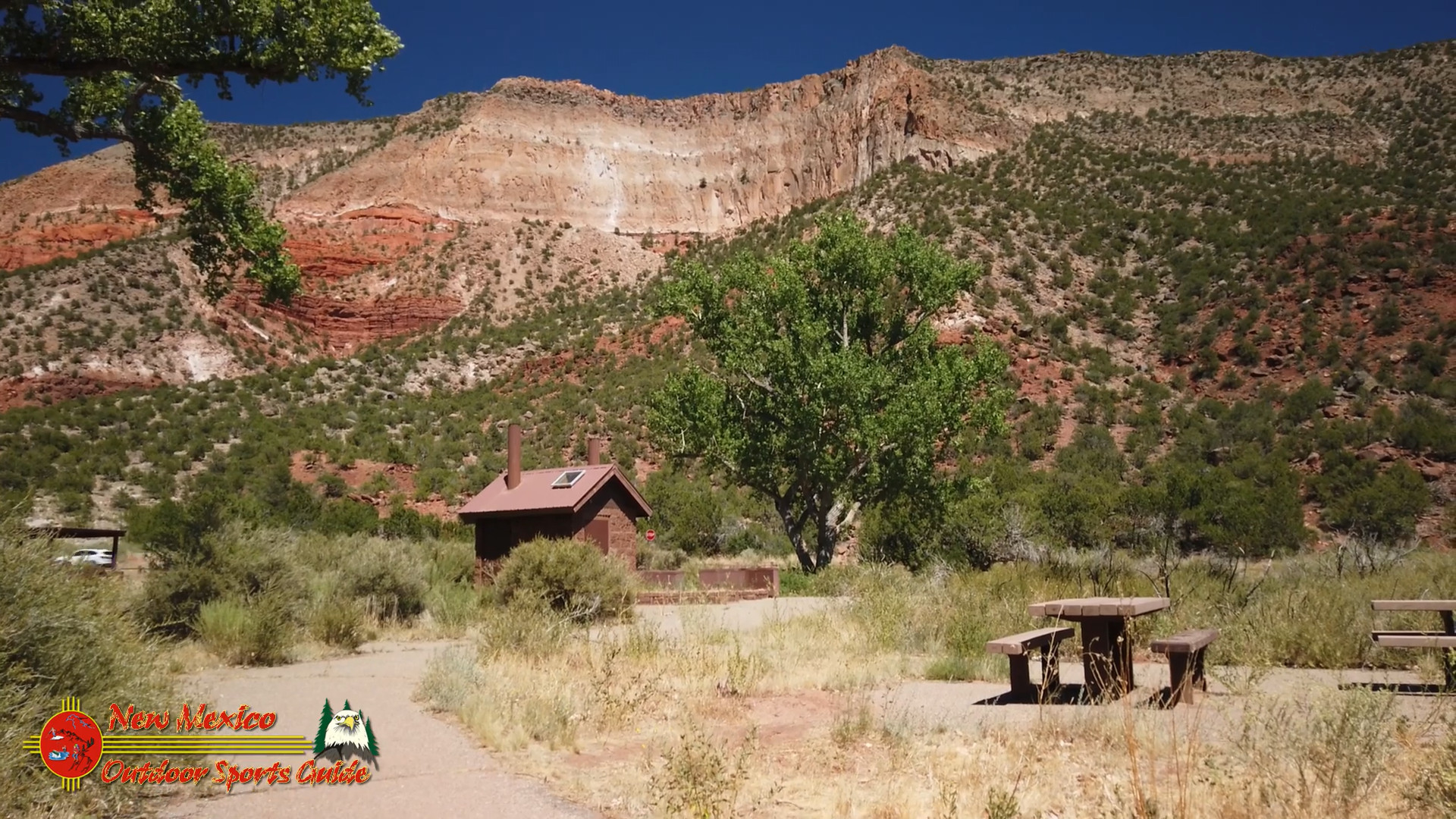
There is a moment, usually just as you pass the village of Cañon and begin the winding ascent into the heart of the Jemez Mountains, where the landscape shifts from high-desert scrub to towering, cathedral-like walls of crimson stone
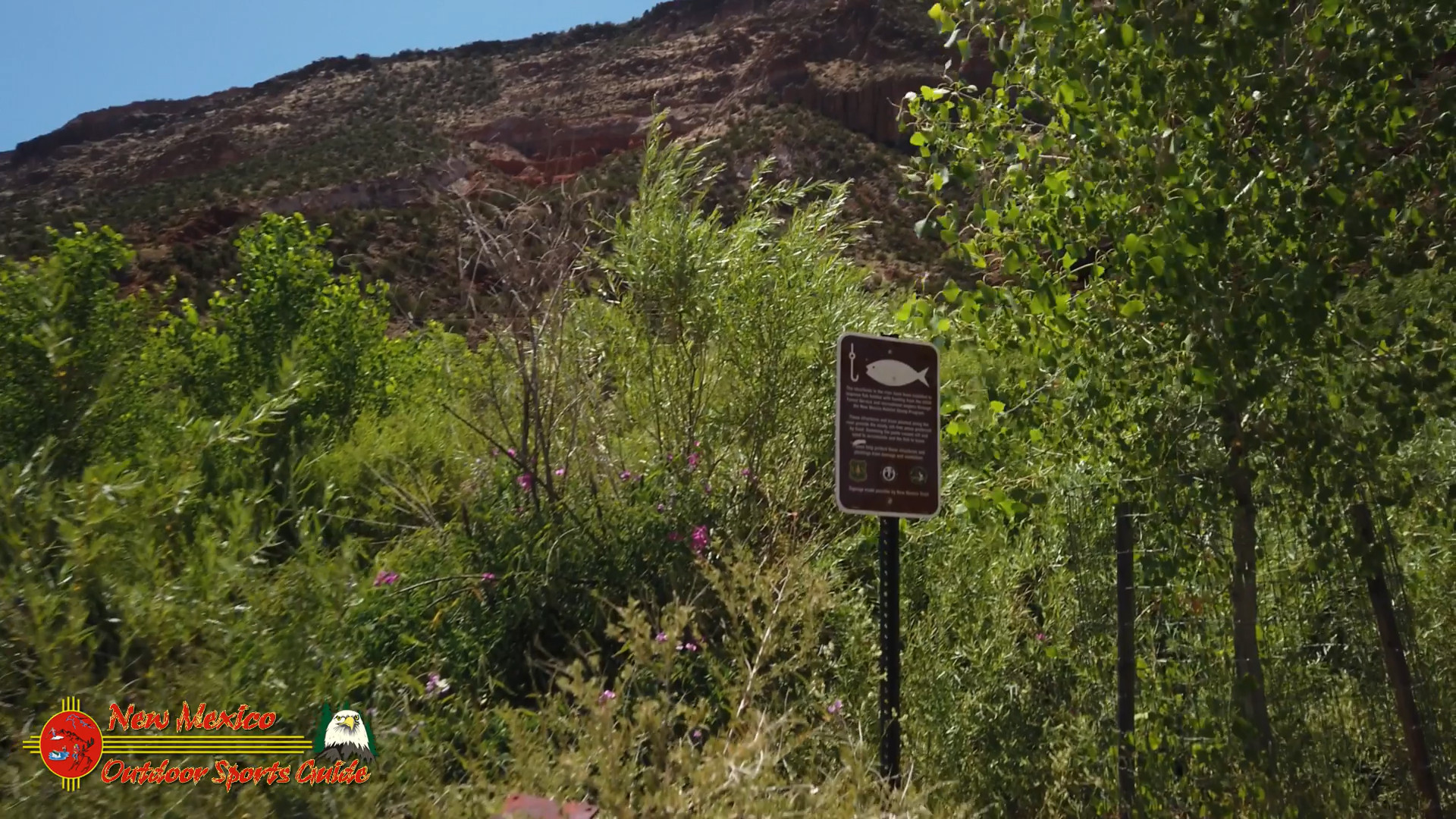
While many travelers keep their eyes glued to the road as they head toward the hot springs or the massive meadows of the Valles Caldera, the savvy angler knows to look for a specific turnout about five miles south of Jemez Springs
Whether you are a fly-fishing purist stalking wild browns or a family hoping to hook a stocked rainbow on a spinning rod, the Spanish Queen stretch offers a masterclass in canyon angling
The Landscape: San Diego Canyon and the Spanish Queen
To understand why the fishing is so good here, you have to understand the river's journey. The Jemez River is the lifeblood of the Jemez National Recreation Area, a sprawling 57,650-acre playground tucked within the Santa Fe National Forest
The Birth of the River
The water flowing past the Spanish Queen is a cocktail of mountain history
-
The East Fork: This 22-mile stretch is a designated National Wild and Scenic River, known for its pristine beauty and intricate meanders
. -
San Antonio Creek: The longest headwater tributary, which, if included, brings the river's total length to nearly 80 miles
. -
The Main Stem: These two giants meet at Battleship Rock to form the main stem of the Jemez River, which travels roughly 50 miles down through the canyon toward the Rio Grande
.
Character of the Spanish Queen Reach
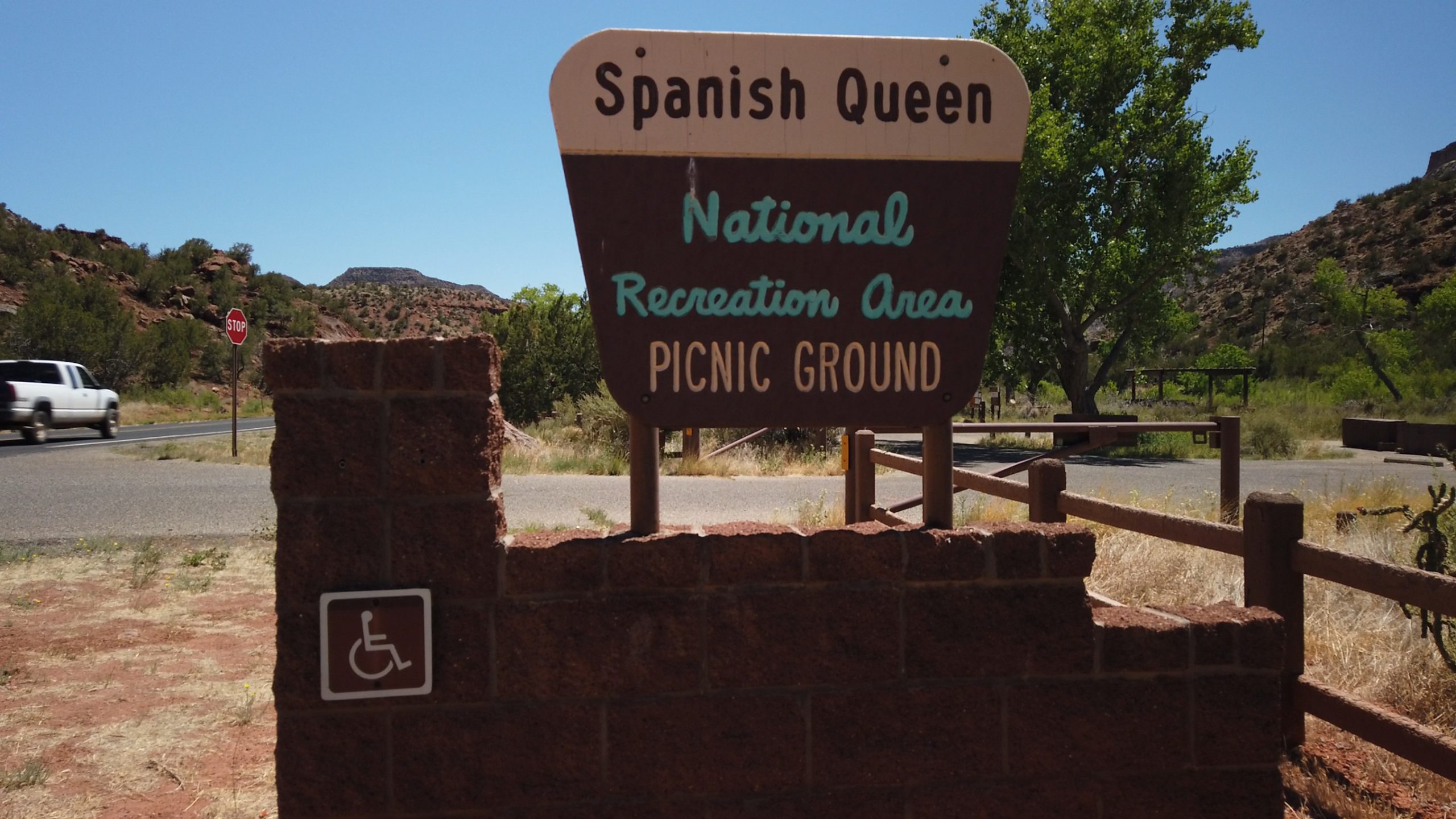
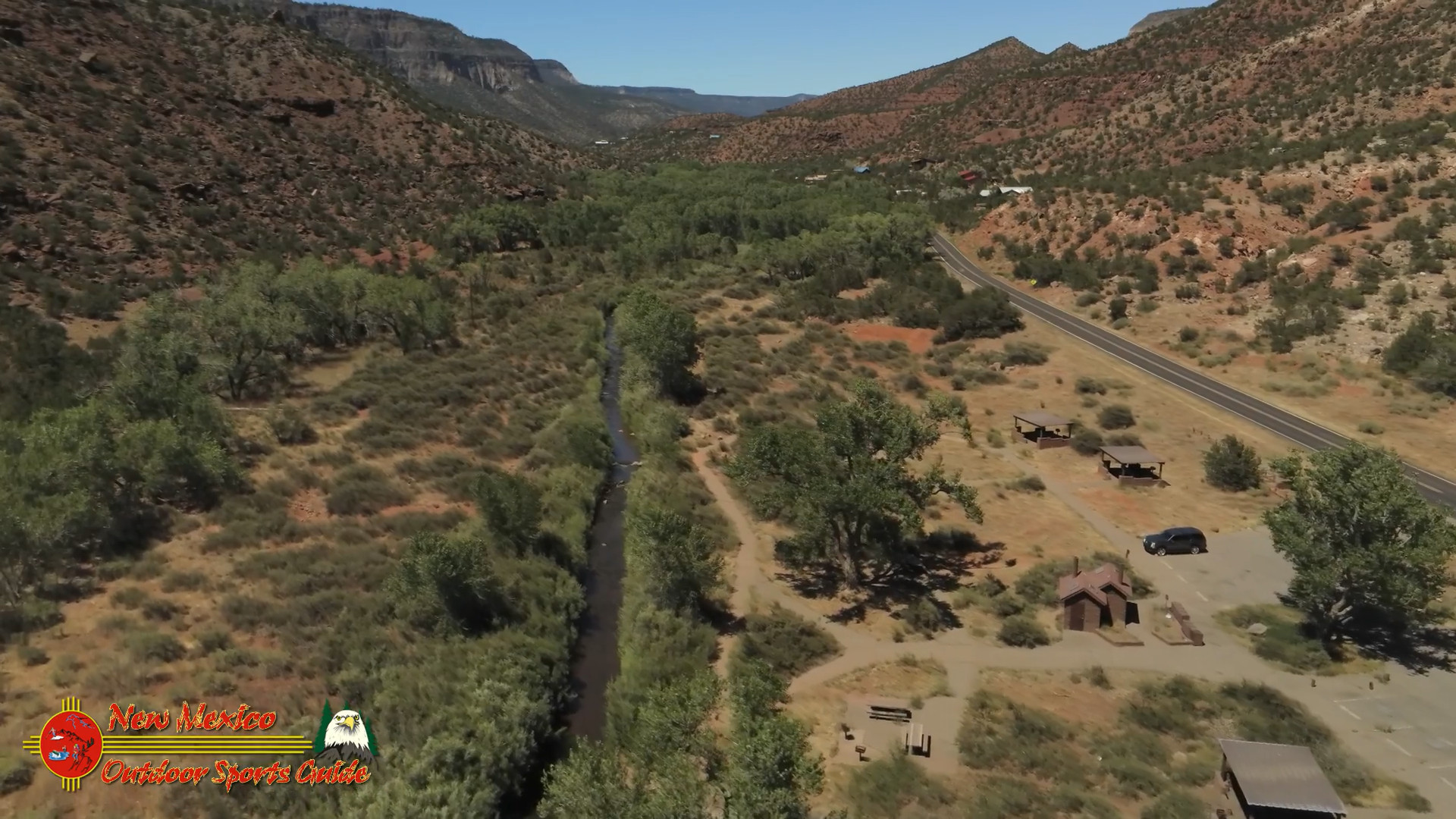
The Spanish Queen access is located on the Jemez Mountain Trail National Scenic Byway (NM HWY 4). Because the highway parallels the river so closely, access is incredibly easy for anglers of all ages
-
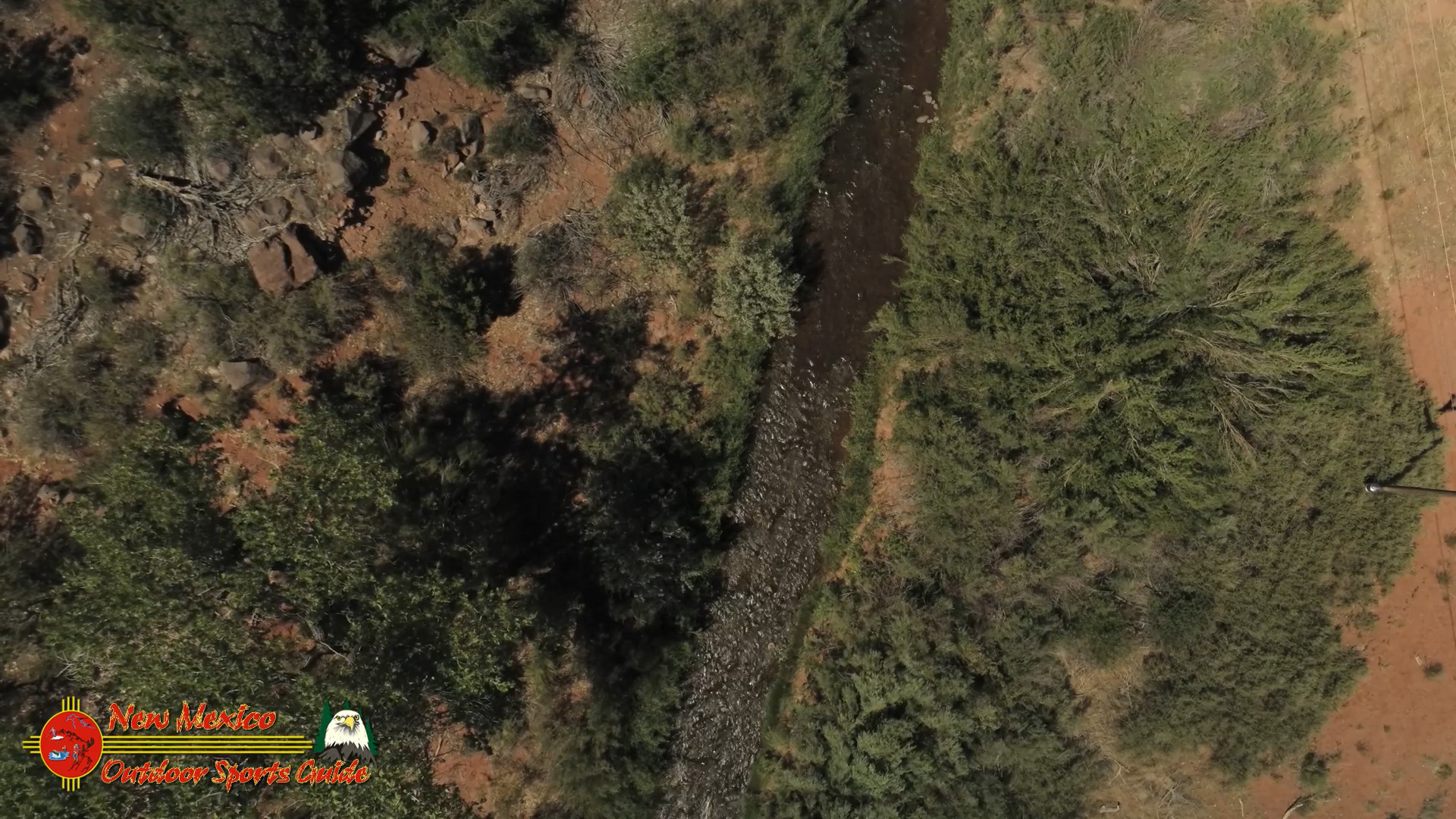
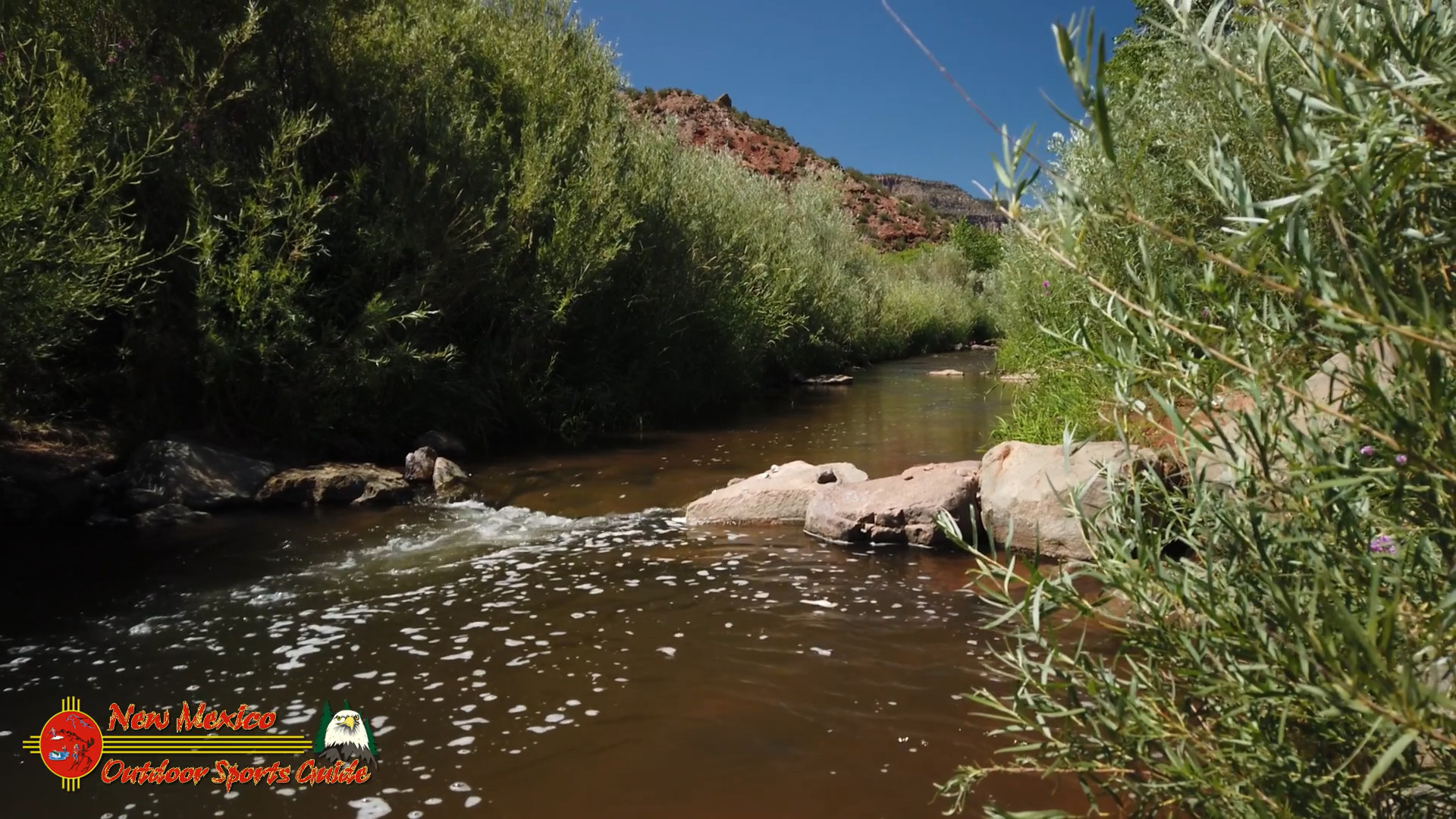
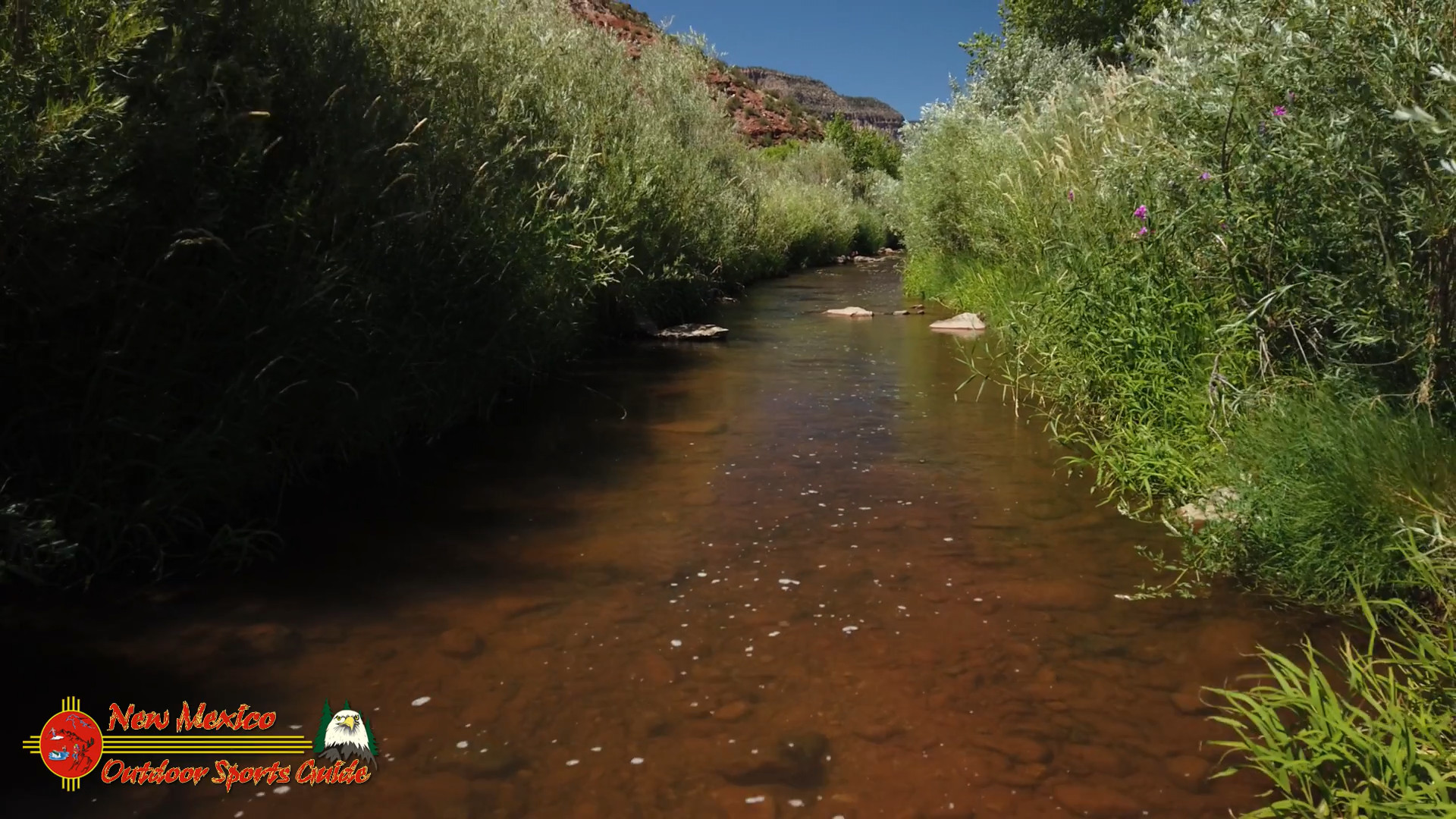
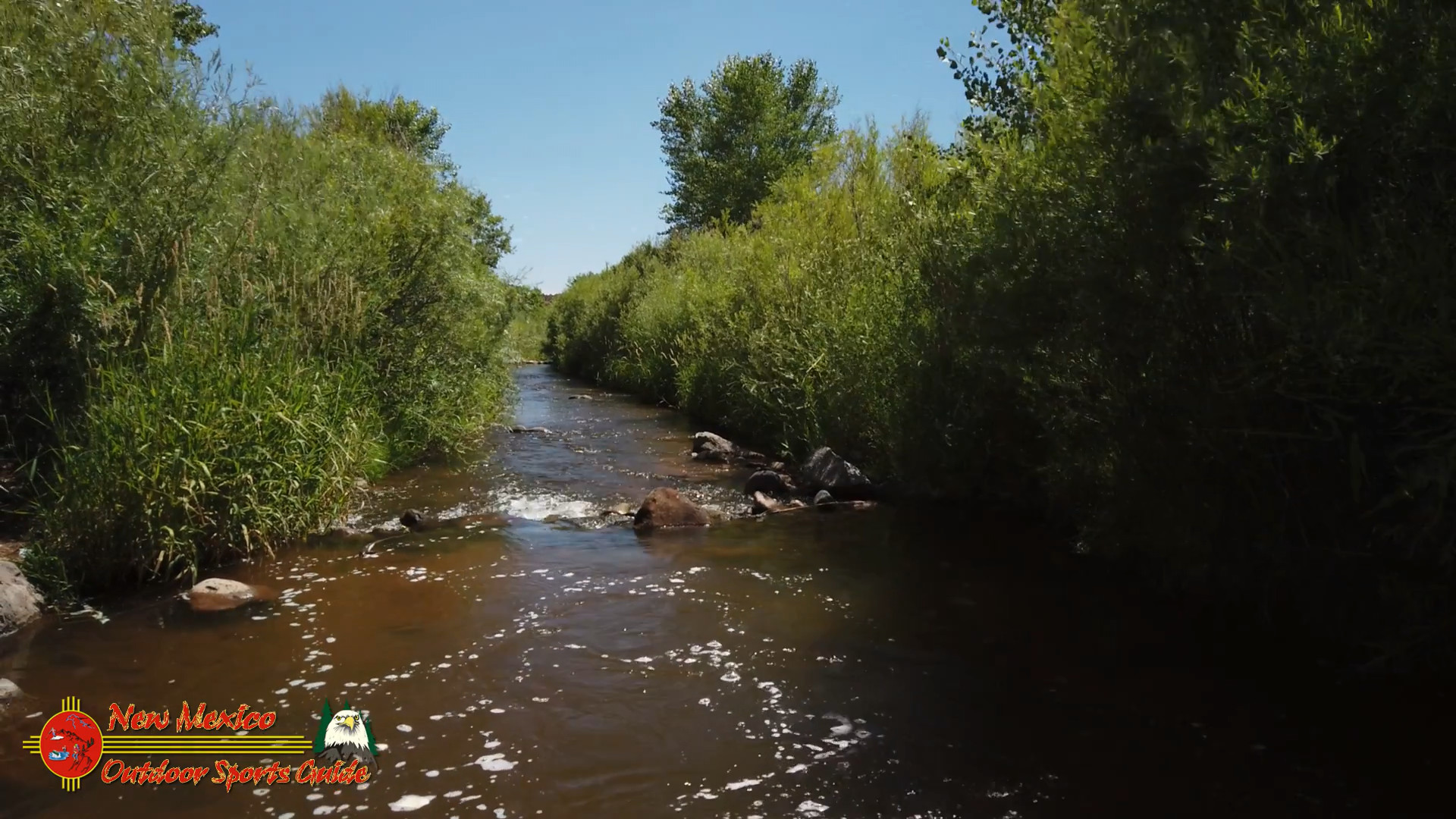
River Dimensions: In this section, the river stays manageable, ranging between 15–30 feet wide and generally 2–3 feet deep
. -
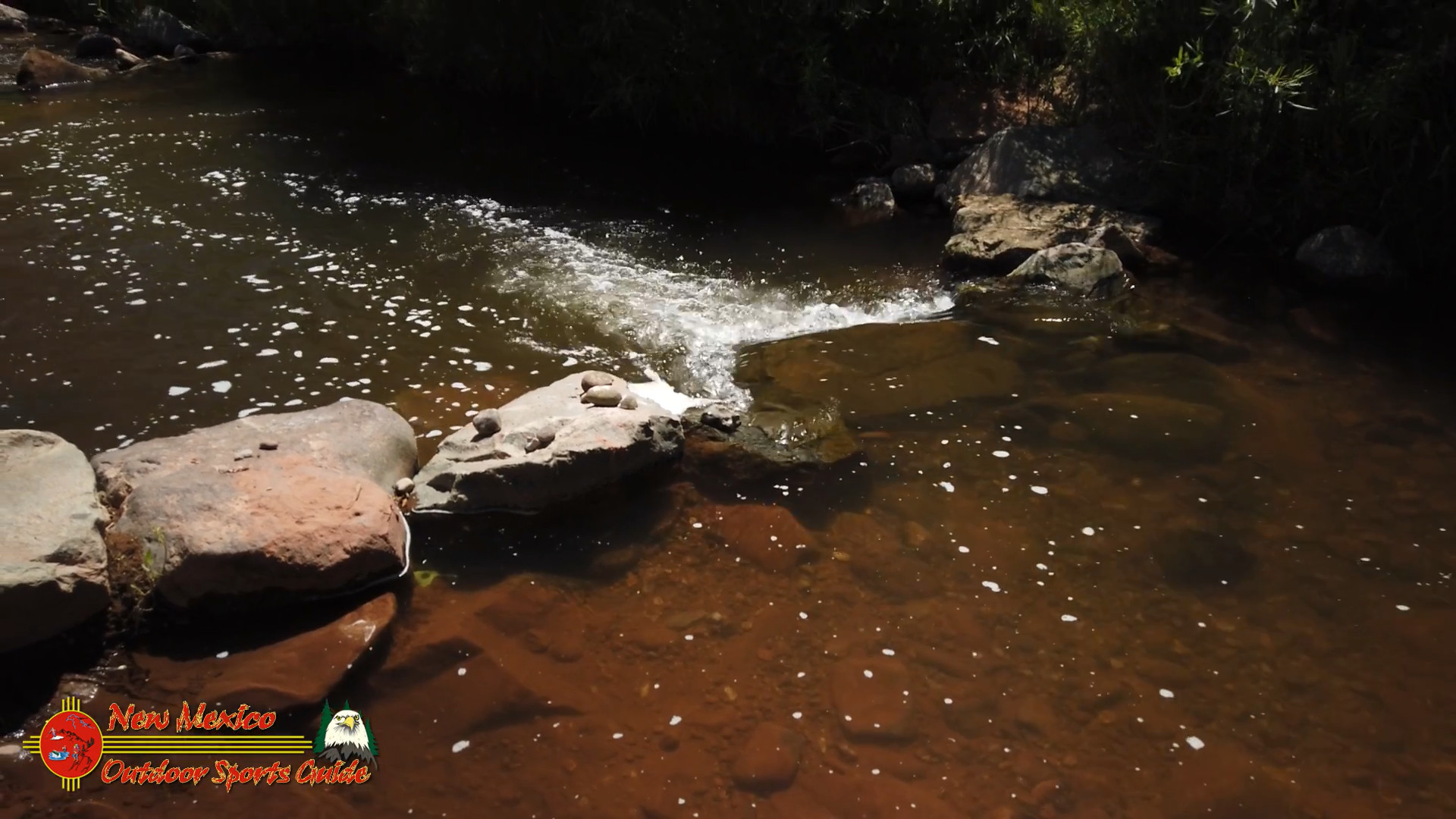
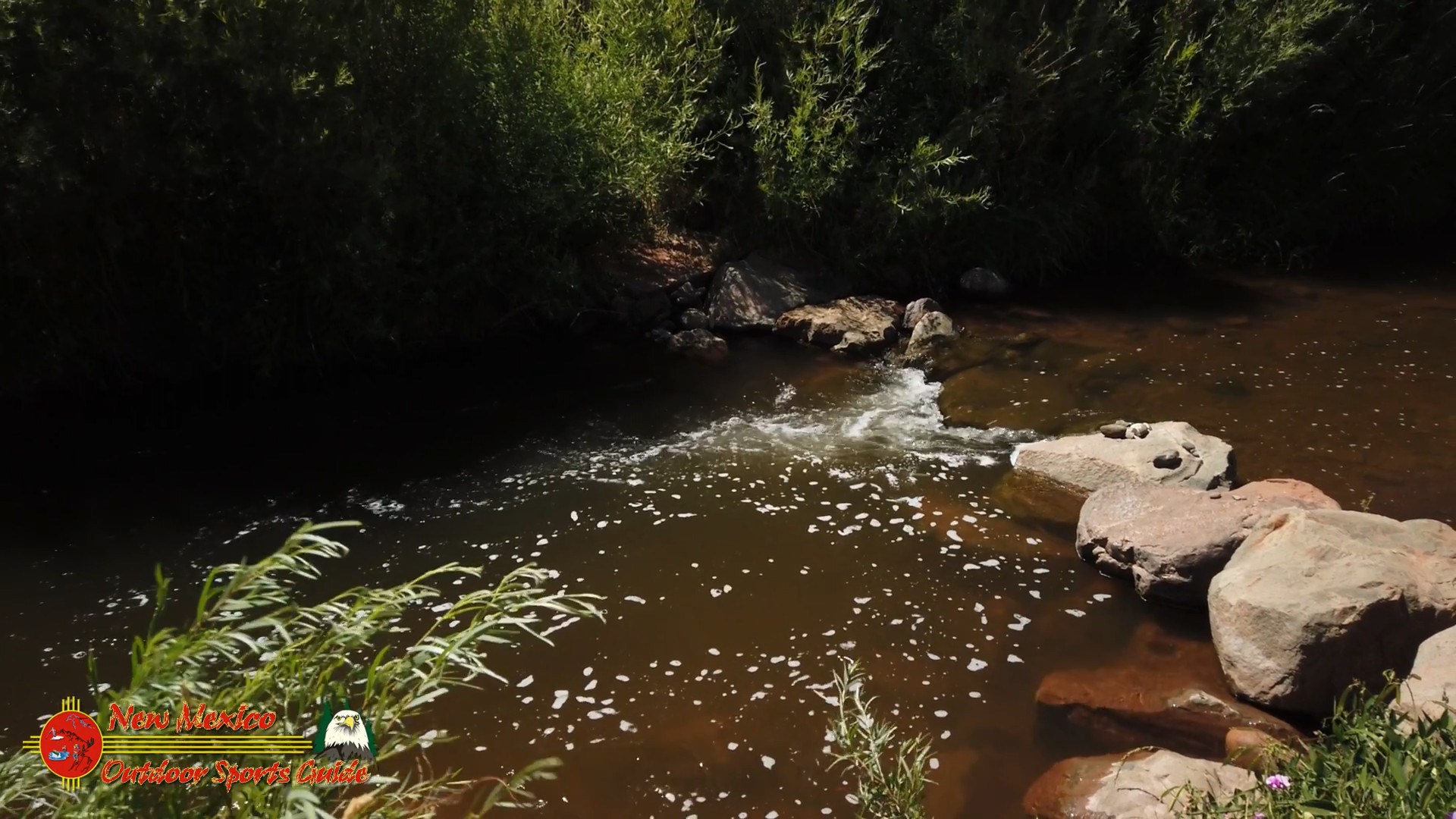
The "Honey Holes": Keep your eyes peeled for deeper pools that can reach five feet deep; these serve as sanctuaries for larger trout when the New Mexico sun gets intense
. -
The Vegetation: The banks are crowded with cottonwoods, willows, and alders
. This "freestone-like" environment often forces you to get your boots wet and wade up the middle to find clear casting lanes .
Scouting the Water: Meet the Residents
When you step into the water at Spanish Queen, you are primarily hunting for two species of trout, each offering a unique challenge
1. Wild Brown Trout
The Wild Brown Trout are the permanent residents and the "canyon ninjas" of the Jemez
-
Size: Most range from 8–12 inches, though they fight with a tenacity that belies their size
. -
Habit: These fish are spooky and smart
. They love the shadowy pockets behind boulders, deep seams in the current, and the "undercuts" where the river has carved out hiding spots beneath tree roots .
2. Stocked Rainbow Trout
To keep the action consistent, the New Mexico Department of Game and Fish (NMDGF) stocks Rainbow Trout throughout the winter months
-
Identification: Look for polished silvery sides, a vibrant red band along the lateral line, and black specks from head to tail
. -
Accessibility: These fish are often found in the slower, more accessible pools near the parking area, making them perfect for younger anglers or those new to the sport
.
Gear Up: Choosing the Right Tools
The technical nature of the Jemez—small water, clear conditions, and overhanging brush—means your choice of equipment is paramount
The Fly Fisher’s Arsenal
For the fly purist, the Spanish Queen is a "short game" paradise where finesse beats power
-
Fly Rods & Reels: A lightweight 3-weight or 4-weight rod (7.5 to 8.5 feet) is ideal for navigating the willow canopy
. Pair it with a reel featuring a smooth drag for those light tippets . -
Fly Line: Use a weight-forward floating line to assist with delicate presentations and roll casts in tight quarters
. -
The Menu (Flies & Nymphs):
-
Nymphs: Small patterns like Zebra Midges, Pheasant Tails, or RS2s (size 16–20) drifted through deep seams are often the ticket
. -
Dry Flies: Winter brings midge hatches, while summer is all about mayflies or terrestrial patterns like hoppers and ants
. -
Streamers: Always keep small Wooly Buggers in olive or black for the deeper turquoise pools
.
-
The Spinning Setup
If you prefer a traditional approach, spinning gear is highly effective, especially in the canyon's deeper runs
-
Spinning Rods & Reels: An ultra-light action rod (5' to 6') is a must for tossing 1/16 oz lures with accuracy
. Use a small 1000-series reel to keep the balance light . -
Spinning Line: Stick to 4lb to 6lb test monofilament or fluorocarbon
. The water is crystal clear; heavy line will spook the fish instantly . -
Bait and Lures:
-
Lures: Small gold or silver spinners like Panther Martins or Mepps are the gold standard for triggering a predatory strike
. -
Bait: Where permitted, salmon eggs or PowerBait can work for stocked rainbows, though wild browns usually prefer a moving target
.
-
Timing and Conditions: When to Cast
Trout are "Goldilocks" fish—they want the conditions just right
Productive Water Temps
Trout are most active when the water is between 10°C and 18°C (50°F to 65°F)
-
The Winter Miracle: While high mountain streams freeze solid, the lower elevation of the Spanish Queen makes it a wonderful winter fishery
. The water stays cold but seldom freezes, and the midge hatches keep the fish feeding . -
The Summer Challenge: During the heat of July and August, water temps can soar
. If the water hits 70°F (21°C), it's time to put the rod away to avoid stressing the fish .
Best Time of Day
-
Early Morning: Beat the intense New Mexico sun. Morning is prime time for catching browns before they retreat to the deep shadows
. -
The Golden Hour: As the sun dips behind the canyon rims, insect activity increases, often leading to a late-day feeding frenzy
.
The Wet Hand Ritual: Catch and Release
To ensure that Jemez River Trout Fishing Public Access remains world-class for generations, many anglers practice catch and release
-
Wet Your Hands: Never touch a trout with dry hands; this protects their vital slime layer from infections
. -
Barbless Hooks: Using barbless hooks minimizes tissue damage and allows for a much quicker release
. -
Keep 'Em Wet: If you take a photo, keep the fish submerged until the last second. A trout out of water is like a human holding their breath after a sprint
.
Planning Your Trip
Getting There
-
From Albuquerque: Take NM 550 North to Bernalillo, then turn onto NM Highway 4. You’ll wind through the red rocks of the Guadalupe Box before reaching the Spanish Queen access near Cañon, NM
. -
From Santa Fe: Take US-84/285 North to NM-502 toward Los Alamos, then follow the winding beauty of NM-4 West into the mountains
.
Camping and Seasons
-
Seasons: Winter is the highlight here, offering solitude and hungry fish
. Spring brings active fish but murky runoff, while Fall provides crisp air and aggressive browns preparing to spawn . -
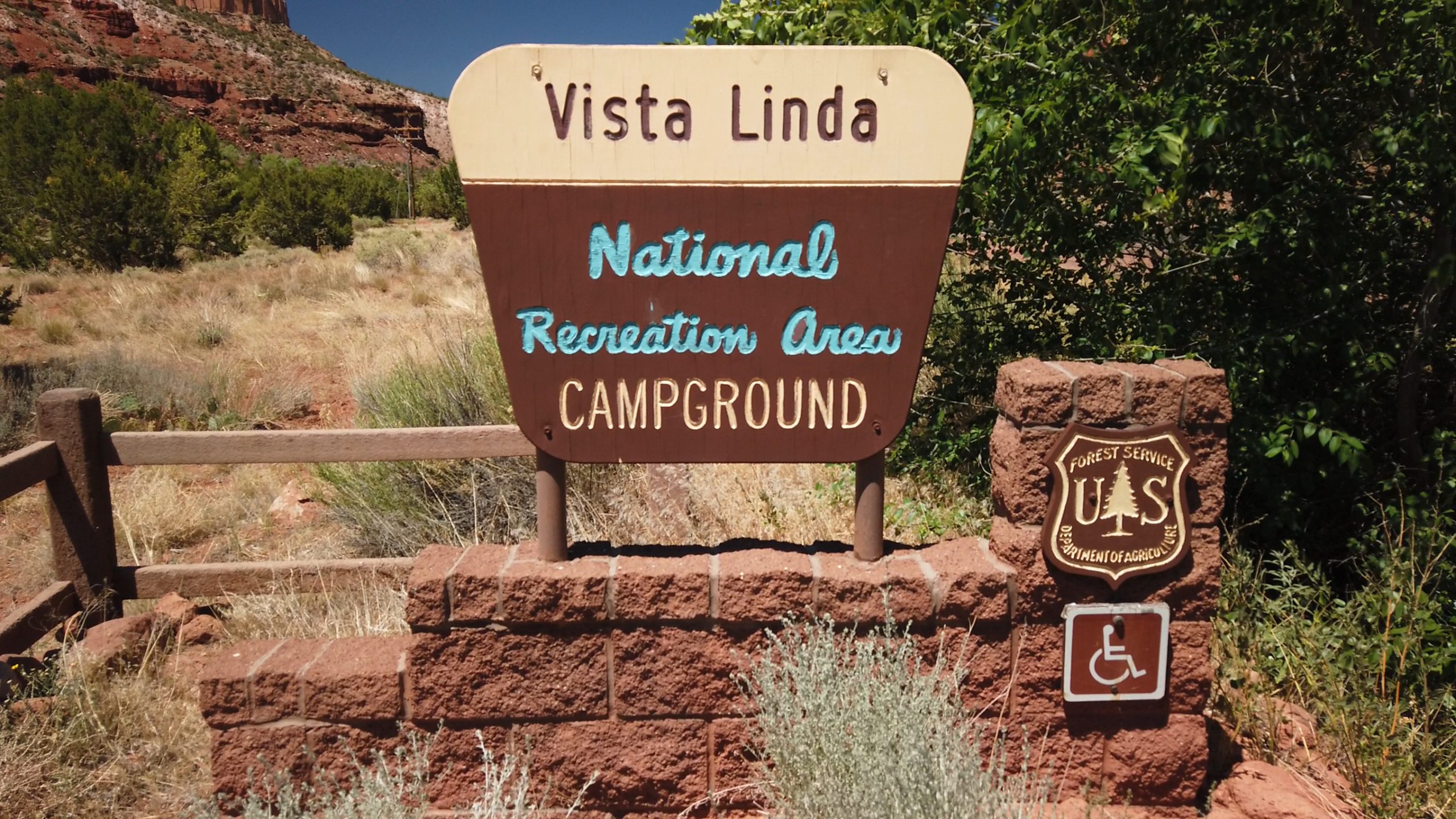
Camping: The Santa Fe National Forest offers several developed sites nearby, including Vista Linda, Redondo, and San Antonio campgrounds
. These sites offer picnic tables and fire rings for a perfect night under the stars .
Conclusion: The Call of the Spanish Queen
The Jemez River is a place where time slows down
Are you ready to claim your spot on the river? Grab your ultra-light gear, double-check your New Mexico fishing license, and head to the Spanish Queen this weekend. The "Golden Hour" is approaching—we'll see you on the water!
0 Comments