SANTA FE – The State Game Commission has reopened properties within the Santa Fe National Forest to coincide with the U.S....


SANTA FE – The State Game Commission has reopened properties within the Santa Fe National Forest to coincide with the U.S....

New Mexico Off-Highway Motor Vehicle Advisory Board Meeting ALBUQUERQUE – The New Mexico Department of Game and Fish has...
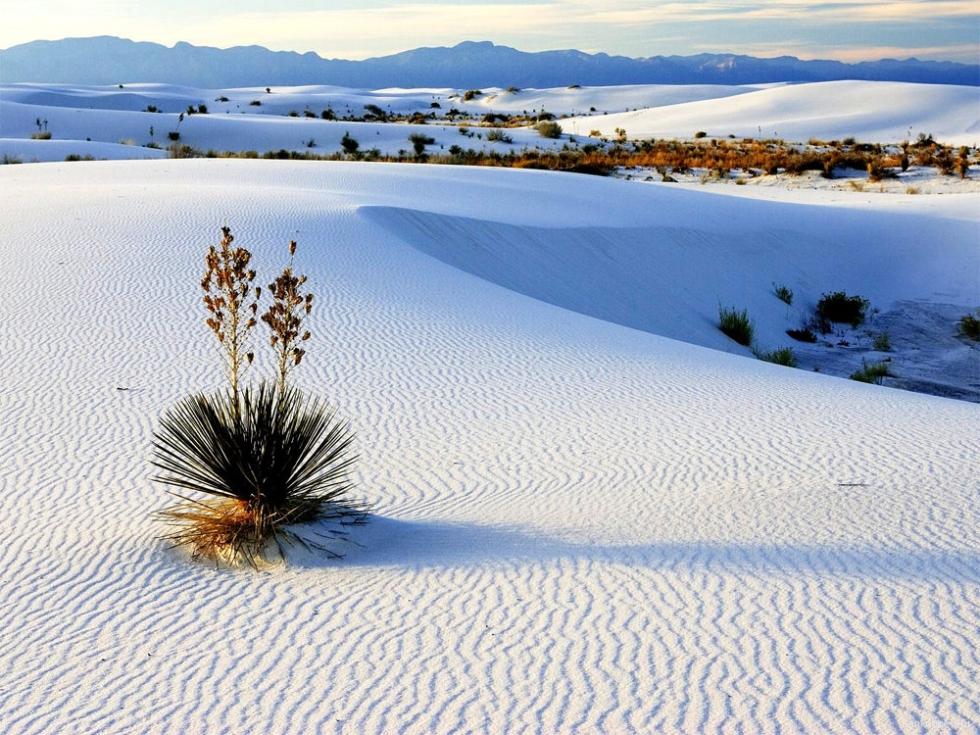
SANTA FE – The Department of Game and Fish has initiated an investigation into the White Sands pupfish to determine the...

EAGLE NEST – Recent tests of trout in the Cimarron River show that the fish are now safe to eat because no traces of...
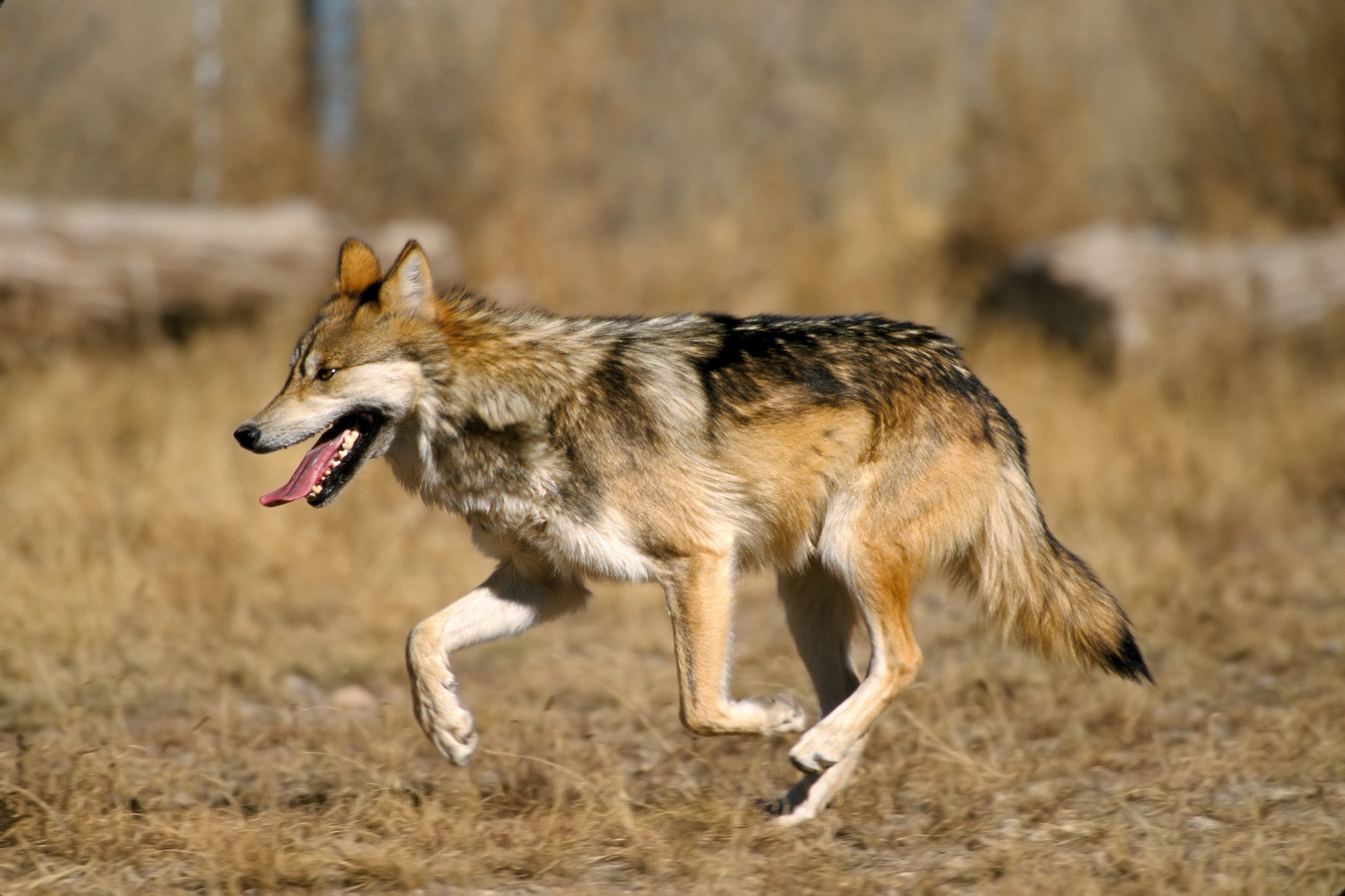
The following is a summary of Mexican Wolf Reintroduction Project (Project) activities in the Mexican Wolf Experimental...

Wildlife species including bears, skunks and raccoons that normally are inactive during the winter months are on the move, and some of them already are making mischief among people’s trash and pets. The Department already has received five bear complaints this spring and expects many more as drought conditions persist. There also have been two confirmed cases of rabies – a raccoon in Raton and a fox in Socorro County – reminding pet owners to be sure their animals’ vaccinations are up to date.
Homeowners and campers who are in bear country are reminded to secure garbage and pet food to avoid attracting wild animals. Pets outdoors should be on leashes at all times, and as always, everyone in the outdoors is advised never to approach wild animals, especially those that appear to be sick or dead.

 You’ll find the RV Resort just a quarter of a mile from the entrance to Elephant Butte Lake State Park, which contains the largest lake in New Mexico. The Resort is the perfect staging location for planning activities and outings for Spaceport America Tours, Bosque Del Apache Bird Refuge and Ghost Towns.
We have discounts on the daily rates and some weekly and monthly sites have been reduced for the winter.
The Resort has a friendly home like atmosphere. With all the amenities, places of interest to visit and the lake, it’s the perfect place to spend a few days, your vacation, or your life.
Elephant Butte Lake RV Resort (EBLRVR) offers 140 full hook-up sites with big rig, level sites up to 70 feet. 20, 30 and 50 amp service is available. They have daily, weekly or monthly rates, cable TV, covered patio with picnic tables and BBQ grills by the lounges. Elephant Butte Lake RV Resort offers free Wi-Fi.
 Elephant Butte Lake offers 35,000 surface acres of water available for public use. Elephant Butte Lake has three marinas and Caballo Lake has one marina. Boat rentals of all kinds, such as houseboats, jet skiis, and ski-boats are available at the marinas.
Just minutes from Elephant Butte Lake RV Resort you’ll find: Historic Villages, Hot Mineral Baths, Geronimo springs Museum, Veterans’ Memorial Park & Museum, Pioneer Store Museum and Spaceport America.
Elephant Butte Lake has excellent fishing. Fish for Stripers and other types of Bass, Walleye, Blue Catfish, Sunfish, Bluegill, Crappie and Trout.
You may enjoy exciting water sports: Sailing, Boating, Windsurfing, jet-skiing, Waterskiing, Canoeing, and Swimming.
The New Mexico Spaceport Authority is pleased to offer public tours of Spaceport America. Sun Tours, Inc. provides a three hour journey to the Spaceport. Tours are on Friday, Saturday and Sundays at 9:00am and 1:00pm. Sunday Tour is at 9:00am only. A pick up point is our sister property, Elephant Butte Inn & Spa, across the street from the Resort.
 Other local activities include:
The unusual Combination of mild winters, moderate summers and low year-round humidity makes Elephant Butte an ideal place to be. The area experiences four mild seasons and has endless amounts of sunshine!

Welcome to CMS Webs. This is your first post. Edit or delete it, then start writing!
LOS OJOS, N.M. — Snagging season for kokanee salmon opens at 12:01 a.m. Nov. 14 at Heron Lake, Willow Creek and the Pine River above Navajo Lake. The Department published conflicting opening dates in the 2008-2009 Fishing Rules & Information Booklet. According to state fishing rules, the opening date always is the second Friday in November.
Kokanee snagging season opened Oct. 1 at Navajo Lake, Abiquiu Lake, El Vado Lake, Eagle Nest Lake and the Chama River from El Vado Lake to the west boundary of the Rio Chama Wildlife and Fishing Area. The season ends Dec. 31 in all waters statewide. The bag limit is 12 salmon per day, 24 in possession.
Some waters open later than others for kokanee snagging to give fisheries crews time to harvest and fertilize eggs that will be hatched and raised for future stockings. Kokanee are land-locked sockeye salmon that thrive in New Mexico’s cool lakes. In late fall, mature 4-year-old kokanee form giant schools, spawn and then die.
Because the fish do not feed during the spawn, snagging is allowed to harvest them. Anglers are reminded that only kokanee may be taken by snagging. Any other species caught by snagging must be immediately returned to the water.
TRUTH OR CONSEQUENCES — The New Mexico Department of Game and Fish will conduct a public meeting Nov. 13 in Truth or Consequences to discuss the history, status and future of desert bighorn sheep recovery efforts in New Mexico.
The meeting will be at 6:30 p.m. Nov. 13 at the City Commission Chambers in the Civic Center Complex, 405 W. Third, in T or C.
Desert bighorns were placed on the New Mexico endangered species list in 1980, and by 2001 there were fewer than 170 bighorns in herds statewide. Transplants, cougar control and monitoring helped increase the population to more than 400 this year, prompting a proposal to downlist the bighorns’ status from endangered to threatened.
The first bighorn sightings in the Caballo Mountains were in 2003 when sheep apparently migrated south from the Fra Cristobal Mountains east of Elephant Butte Lake. A 2008 survey counted 24 bighorns in the Caballos, but the survey covered only part of the mountains, so there could be more.
To further efforts to eventually delist the species, the Department is considering options to augment the existing Caballo bighorn herd with future transplants. Department biologists will be available at the meeting to discuss the possibility and how it may benefit surrounding communities.
For more information about desert bighorns in New Mexico, please visit the Department website, www.wildlife.state.nm.us and click on the conservation tab. Information also is available by calling Bighorn Sheep Biologist Elise Goldstein, (505) 476-8041.