
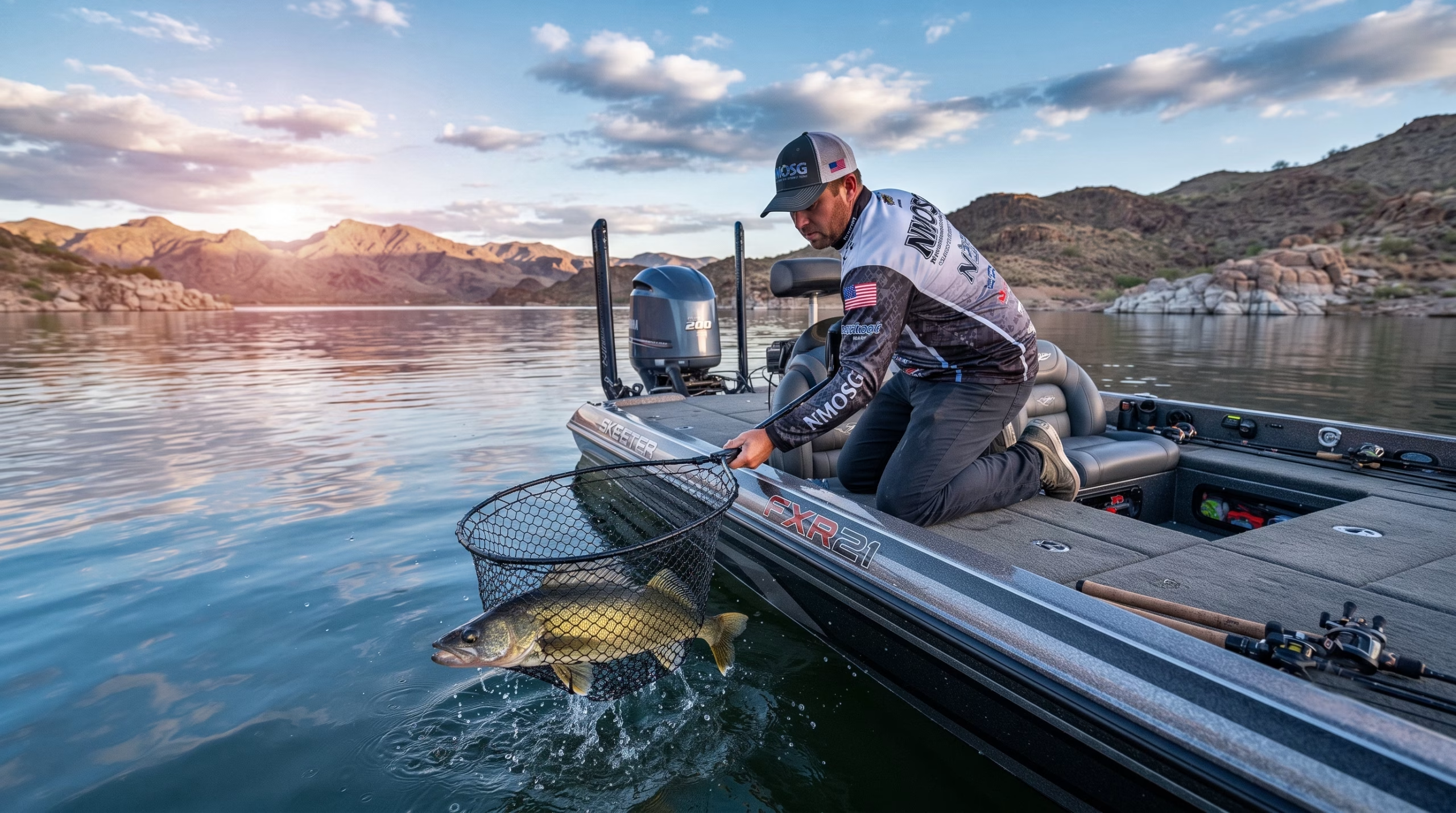
There is a quiet, almost mysterious thrill that comes with chasing the ghosts of the deep. While many anglers flock to our high-desert waters chasing the explosive surface strikes of smallmouth or largemouth bass, a different kind of reward awaits those willing to puzzle out the habits of the lake's most elusive golden predator. Welcome to your ultimate insider's playbook on How to Catch Walleye on Navajo Lake New Mexico.
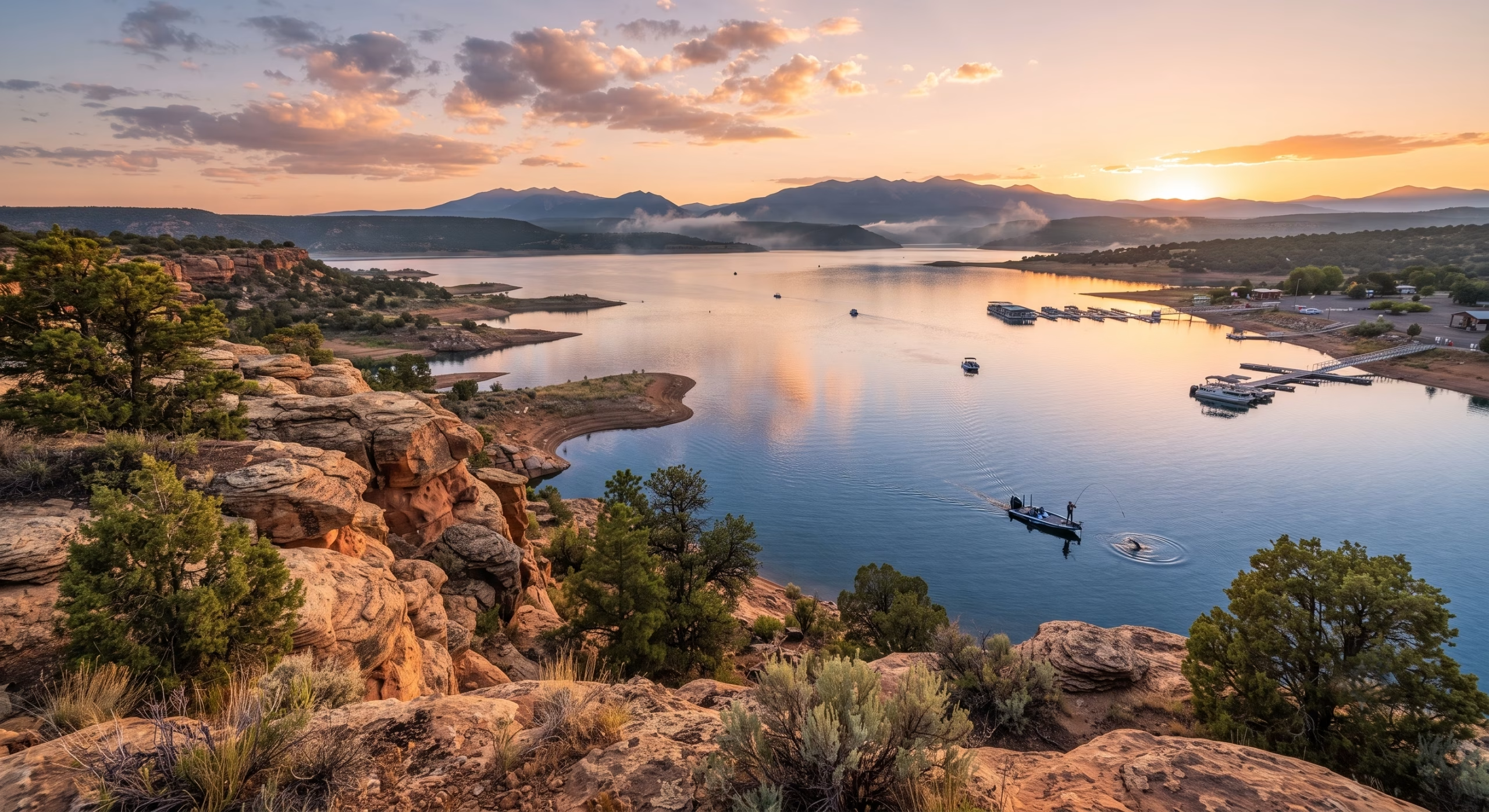
Cradled in the rugged, sun-baked canyons of the San Juan River basin, Navajo Lake stands proudly as New Mexico's second-largest body of water. Spanning roughly 15,600 surface acres with an astonishing 150 miles of convoluted shoreline, this shimmering alpine-fed reservoir transitions from wide-open desert bays to deep, sheer-walled canyons dropping over 300 feet near the dam. For those of us who measure our days by the hum of an outboard motor and the crisp smell of piñon and juniper on the breeze, unlocking the walleye fishery here is an adventure that demands patience, local savvy, and the right gear. Grab your favorite spinning setups, clear your schedule, and let's take a deep, unhurried dive into the art of walleye fishing on Navajo Lake.
The Waters and Major Rivers: The Lifeblood of Navajo Lake
Navajo Lake came into existence in 1962 with the construction of the Navajo Dam, impounding the mighty San Juan River and blending its flows with critical northern tributaries. To find consistency out on the water, you have to understand how these river systems feed the massive reservoir structure:
- The San Juan River: Serving as the main hydrological artery, it pumps life into the upper reservoir loops and feeds the world-renowned "Quality Waters" tailwater fishery down below the dam.
- The Los Pinos River: Stretching north across the border into Colorado, this major northern tributary pours cool, nutrient-dense water into the system, creating fantastic transition zones.
- The Piedra River: Another essential northern feeder arm that snakes through scenic canyons, offering structural elements and current edges where cool-water species love to congregate.
Targeting Walleye: Tactics, Gear, and Presentation Secrets
Walleye are legendary for their elusive nature. Unlike aggressive bass that will readily smash anything moving past their nose, walleye require a more methodical, precision-oriented approach. They typically suspend along deep drop-offs, submerged ridges, old river channels, and complex underwater structure.
The Ideal Spinning Setup
Because you will often be fishing deep water contours and need to feel every subtle tick of a bottom-bouncer or jig, your gear needs to be up to the task:
- Spinning Rods: Medium-heavy spinning rods featuring sensitive, responsive tips to detect light bites in deep water.
- Spinning Reels: Smooth 3000-series reels equipped with a reliable, buttery drag to handle heavy fish coming up from pressure zones.
- Line & Rigging: Spooled with 10-pound braid connected to an 8- to 10-pound fluorocarbon leader for maximum sensitivity and stealth against clear high-desert water.
Productive Spinning Baits and Lures
Getting your presentation right down in the strike zone is the golden rule of walleye fishing. Keep these proven baits tied on:
- Bottom-Bouncing Rigs: Tipped with live nightcrawlers or live minnows, dragged slowly along bottom contours in 20 to 40 feet of water.
- Grub Jigs: Bright-colored plastic grubs (chartreuse, orange, or white) hopped meticulously along the bottom structure.
- Deep-Diving Crankbaits: Designed to bounce off submerged rocks and stir up silt, mimicking fleeing baitfish along old river channels.
Productive Water Temperatures and Best Times to Fish
Timing is everything when targeting walleye on a deep reservoir like Navajo Lake. Paying attention to environmental triggers will dramatically improve your catch rate:
- Productive Water Temperatures: Walleye prefer cooler water parameters compared to bass, favoring ranges between **45°F and 55°F** during their active feeding and spawning windows. Keep an eye on your electronics during early spring and late autumn to dial in these magic temps.
- Best Time of Day: Because walleye possess specialized eyes adapted for low-light conditions (thanks to the tapetum lucidum), bright midday sun pushes them deep. The absolute gold standard for catching them is during early morning first light and late evening hours when they migrate up onto shallower shelves to feed. Overcast or windy "walleye chop" days are also phenomenal.
- Best Time of Year: Spring and autumn offer the most consistent action as fish move closer to structural flats and river inflows.
Lake Records and Trophy Expectations
Navajo Lake has built a rock-solid reputation for producing quality sportfish. While state records fluctuate over the years, anglers targeting walleye regularly encounter respectable fish in the 3- to 6-pound range, with occasional lunkers pushing much heavier. Paired with healthy populations of smallmouth bass, largemouth bass, and trout, the lake offers a diverse fishery where your next cast could yield a personal best.
Navigating Public Access Areas and Marinas
Spanning an enormous geographic footprint split across distinct administrative units, knowing your access points before you tow your boat is essential:
- Pine Site (South Shore / New Mexico Side): The bustling recreational hub of Navajo Lake State Park. It features a full-service marina, boat ramps, the marina store, the Brue Cafe, and multiple developed camping loops.
- Sims Mesa Site (North Shore / New Mexico Side): Located directly across the water opposite the main marina, Sims Mesa offers a quieter, highly scenic boat ramp, picnic spots, and a dedicated campground with sweeping water views.
- Colorado Sections (Carracas, Tiffany, and Rosa): Stretching north where the reservoir crosses into Colorado (managed via Navajo State Park), these remote access areas offer primitive boat ramps and quiet coves for anglers seeking solitude.
Weather and Seasonal Patterns
Northern New Mexico weather is famously dynamic, shifting from crisp mountain breezes to warm desert sunshine in a matter of hours:
- Spring (April – May): Crisp, breezy days with warming water temperatures and blooming wildflowers along the arroyos. Be prepared for sudden spring wind gusts sweeping across open water.
- Summer (June – August): Hot, sun-drenched days with highs regularly reaching 85°F to 95°F. Afternoons can bring localized monsoon clouds and sudden summer thunderstorms, making hydration and sun protection non-negotiable.
- Fall (September – November): Widely considered by locals to be the absolute best time of year. Daytime temperatures drop into the comfortable 60s and 70s, the water cools into prime feeding ranges, and the surrounding cottonwoods turn a brilliant, fiery gold.
- Winter (December – March): Cold, crisp, and peaceful. Snow is possible though rare to stick around long at this elevation, offering total solitude for hardy anglers.
Camping Under the Desert Stars
To fully immerse yourself in the rhythm of the high desert, spending a few nights under the canvas of a tent or the awning of a trailer is a must. Navajo Lake offers exceptional developed camping facilities:
- Pine & Juniper Loops: Situated right up the hill from the main marina, offering paved spurs, picnic tables, fire grates, and easy access to restrooms and drinking water.
- Sims Mesa Campground: A fantastic alternative if you prefer a slightly more spaced-out, panoramic vantage point overlooking the water.
- Fire Safety Note: Always check current fire restrictions before lighting a campfire, as dry conditions frequently prompt seasonal rules across northern New Mexico.
Getting There: Routes and Driving Distances
Navajo Lake State Park is remarkably accessible from New Mexico’s major travel hubs, making it an ideal weekend escape or road-trip destination:
- From Albuquerque: Approximately 200 miles northwest (roughly a 3-hour drive). Head north out of Albuquerque on US-550 North through Bernalillo, Cuba, and San Ysidro across the high-desert plateau toward Bloomfield. From Bloomfield, take US-64 East toward Navajo Dam, then turn north onto NM-511 to reach the park entrance and marina.
- From Santa Fe: Approximately 150 miles northwest (roughly 2 hours and 45 minutes). Take US-84/285 North out of Santa Fe through Pojoaque and Española. Stay on US-84 North toward Abiquiu, then take US-64 West over scenic mountain passes past Dulce and El Vado, continuing straight west to Navajo Dam and NM-511 North.
- From Taos / Chama: Distance from Chama is approximately 65 miles west (roughly 1 hour and 15 minutes). Head west on US-64 through Dulce and past Jicarilla Apache Nation lands straight to Navajo Dam. From Taos, add the scenic mountain climb up US-64 West over Tres Piedras and Tierra Amarilla toward Chama, totaling about 2.5 hours.
Local Lodging and Official Contacts
If you prefer four walls and a soft mattress over sleeping bags and tent canvas, the surrounding area provides comfortable accommodations just minutes from the water.
Navajo Lake State Park & Marina Official Contacts
- Address: 36 Road 4110 #1, Navajo Dam, NM 87419 (Marina address: #42 CR 4110)
- Phone (Park Office): (505) 632-2278 or toll-free at (877) 664-7787
- Phone (Marina Store / Boat Rentals): (505) 632-3245 or (800) 582-5687
- Email: marina@navajomarina.com
- Website: navajomarina.com (New Mexico EMNRD State Parks)
Nearby Lodging Options in the Navajo Dam / Bloomfield Area
- San Juan River Valley River Lodges & B&Bs: Numerous boutique fishing lodges dot the banks of the San Juan River immediately below the dam, offering fully equipped kitchens, guide services, and on-site fly shops. Contact the Farmington Convention and Visitors Bureau at farmingtonnm.org for detailed current listings, addresses, and direct booking support.
Cast Your Line Into the High Desert
Navajo Lake is a rare sanctuary where the grand scale of the American West meets the serene depths of clear blue water. Unlocking its walleye fishery challenges your patience, rewards your tactical adjustments, and offers a soul-cleansing escape from the modern world. Whether you are planning a summer trolling expedition or a crisp autumn weekend chasing bottom-oriented fish along the drop-offs, Navajo Lake is always waiting. Pack your spinning rods, map your route across the high desert, and get out there—an unforgettable New Mexico outdoor adventure is waiting to be written!
```
0 Comments